


Court to Casual Outfit Guide for Modern Players
The best post-match outfits do not look like an afterthought. They begin with pieces that hold their own through a long rally, a padel session or nine holes, then need only a few considered additions before lunch, errands or an afternoon at the club. This court to casual outfit guide is about building that kind of wardrobe: refined, functional and ready for the rest of the day.
The aim is not to disguise sportswear. It is to choose sport-specific pieces with a clean enough line, considered enough fabric and practical enough details to feel appropriate well beyond the baseline. When the silhouette is right, the transition takes minutes rather than a full change in the car park.
Build a court to casual outfit around one strong base
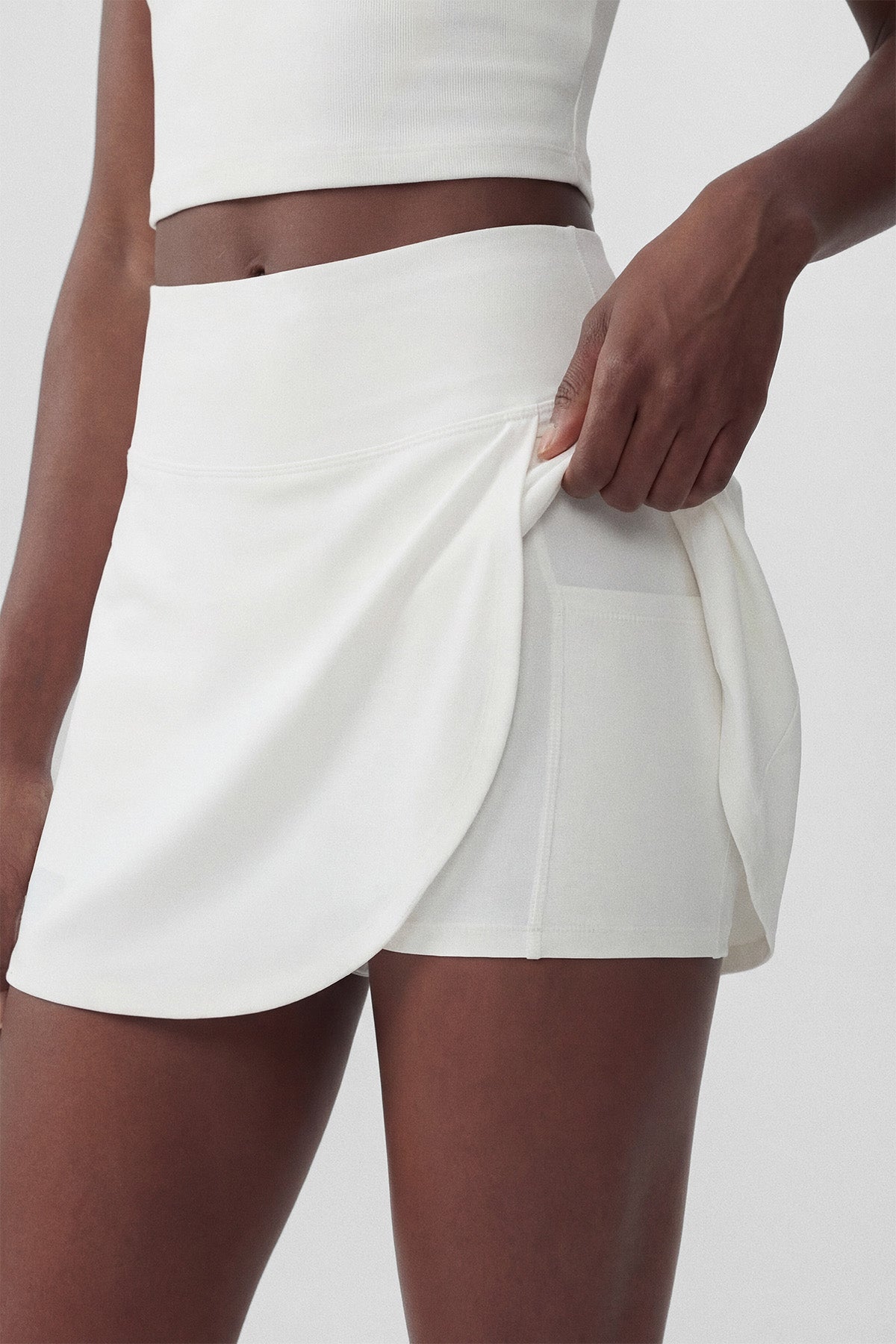
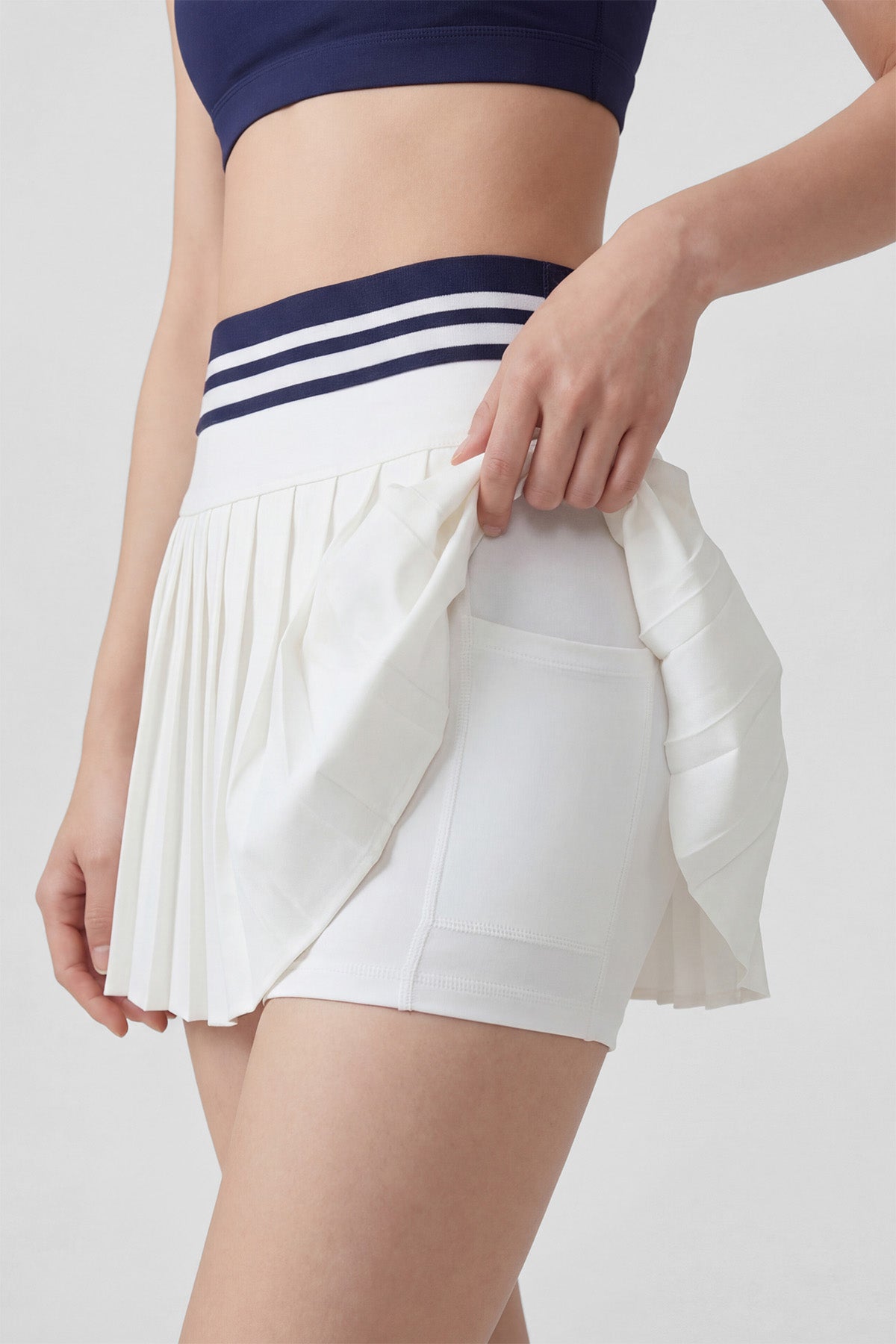
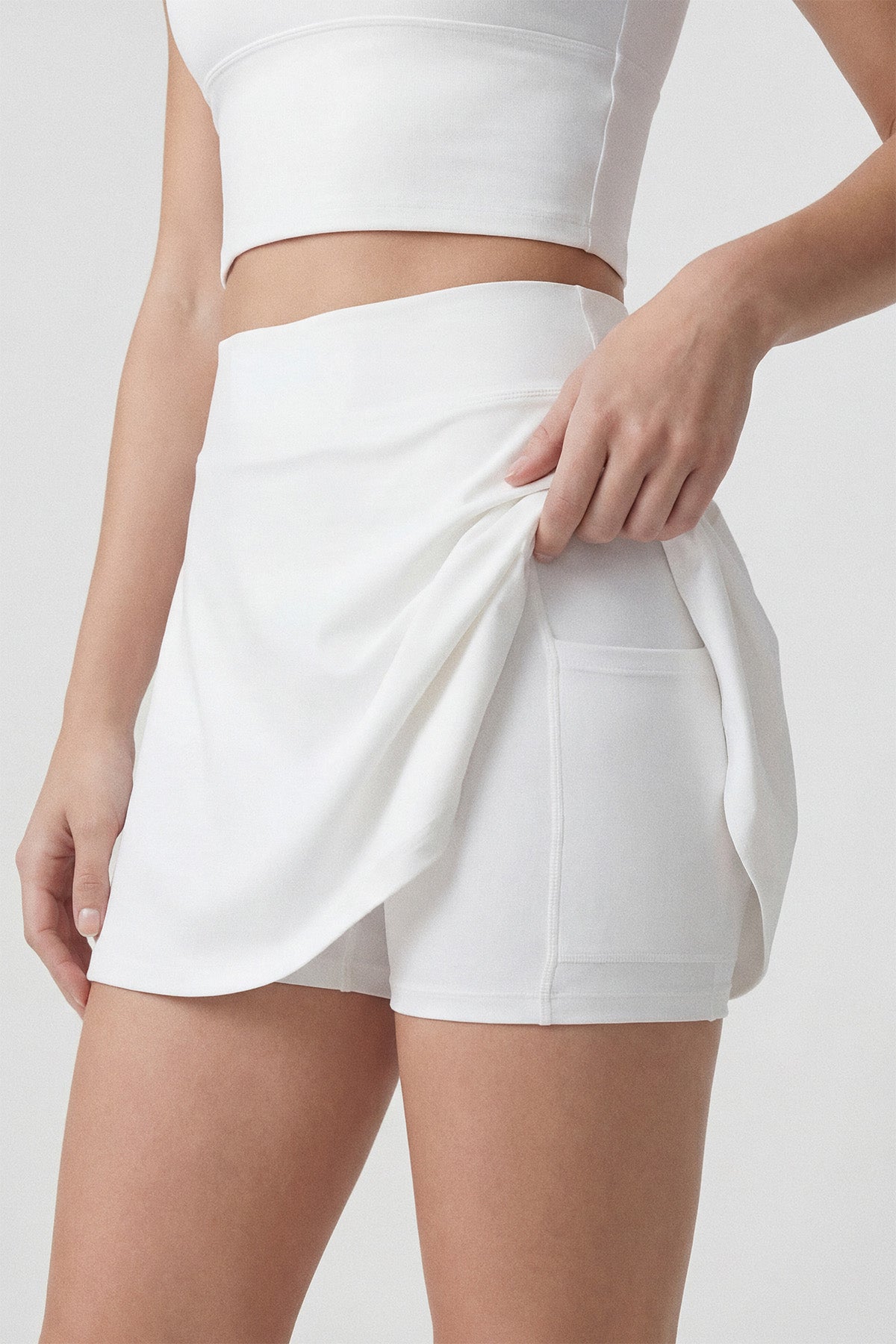
A dress, tailored skort or high-waisted skirt is often the easiest starting point because it gives the outfit a clear shape from the outset. On court, these pieces provide the freedom and coverage required for movement. Afterwards, they read as intentional when the fit is clean and the finish is understated.
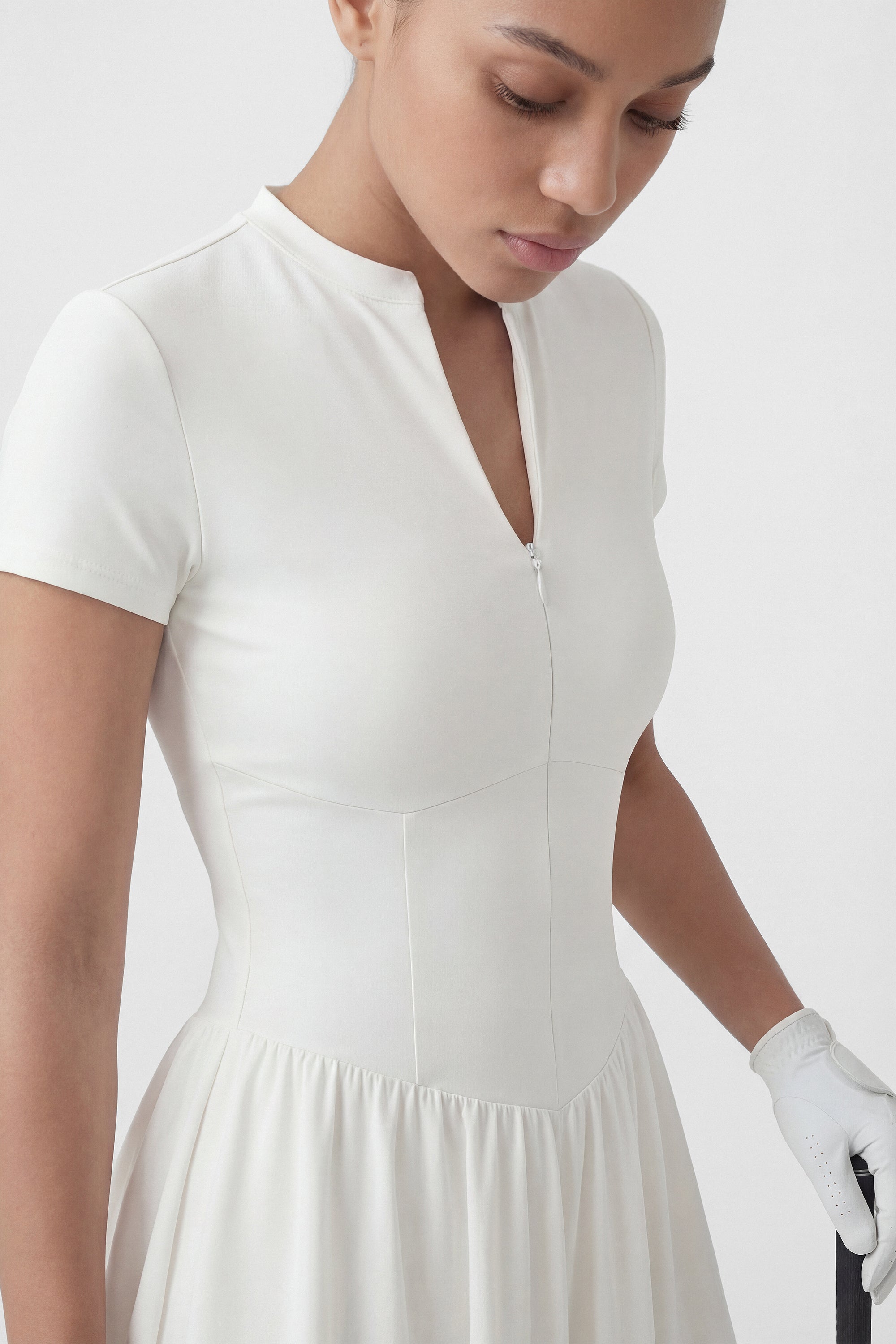
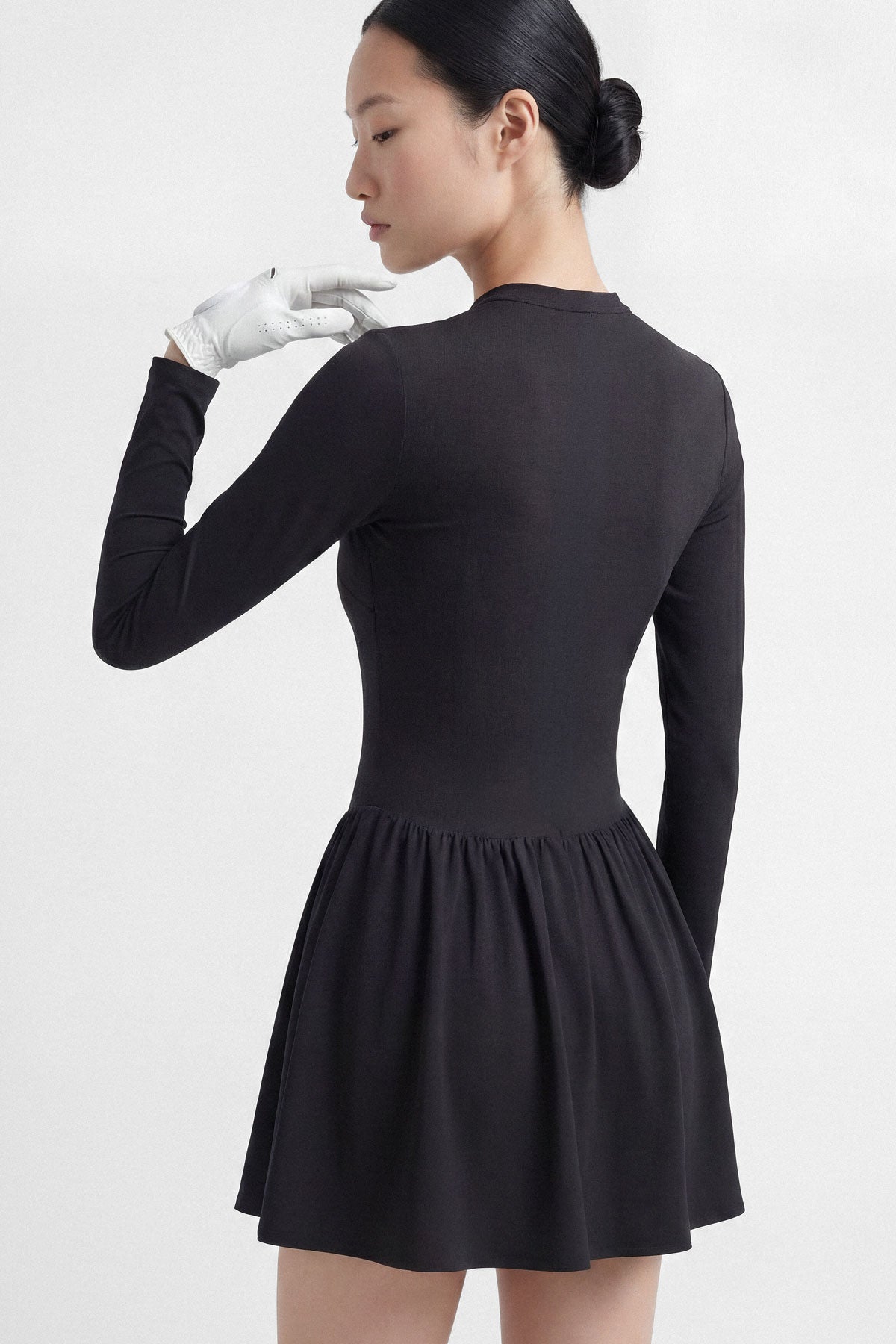
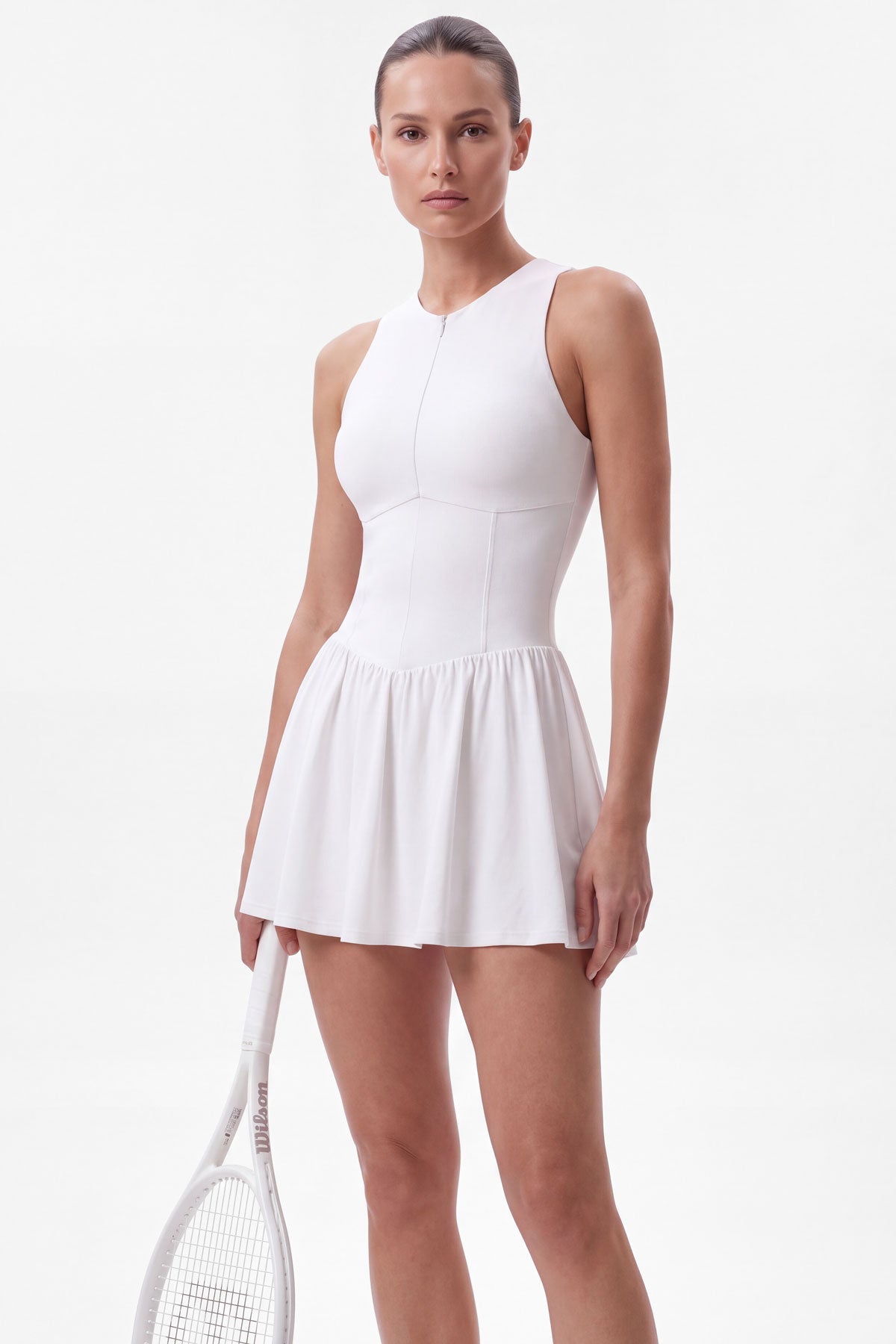
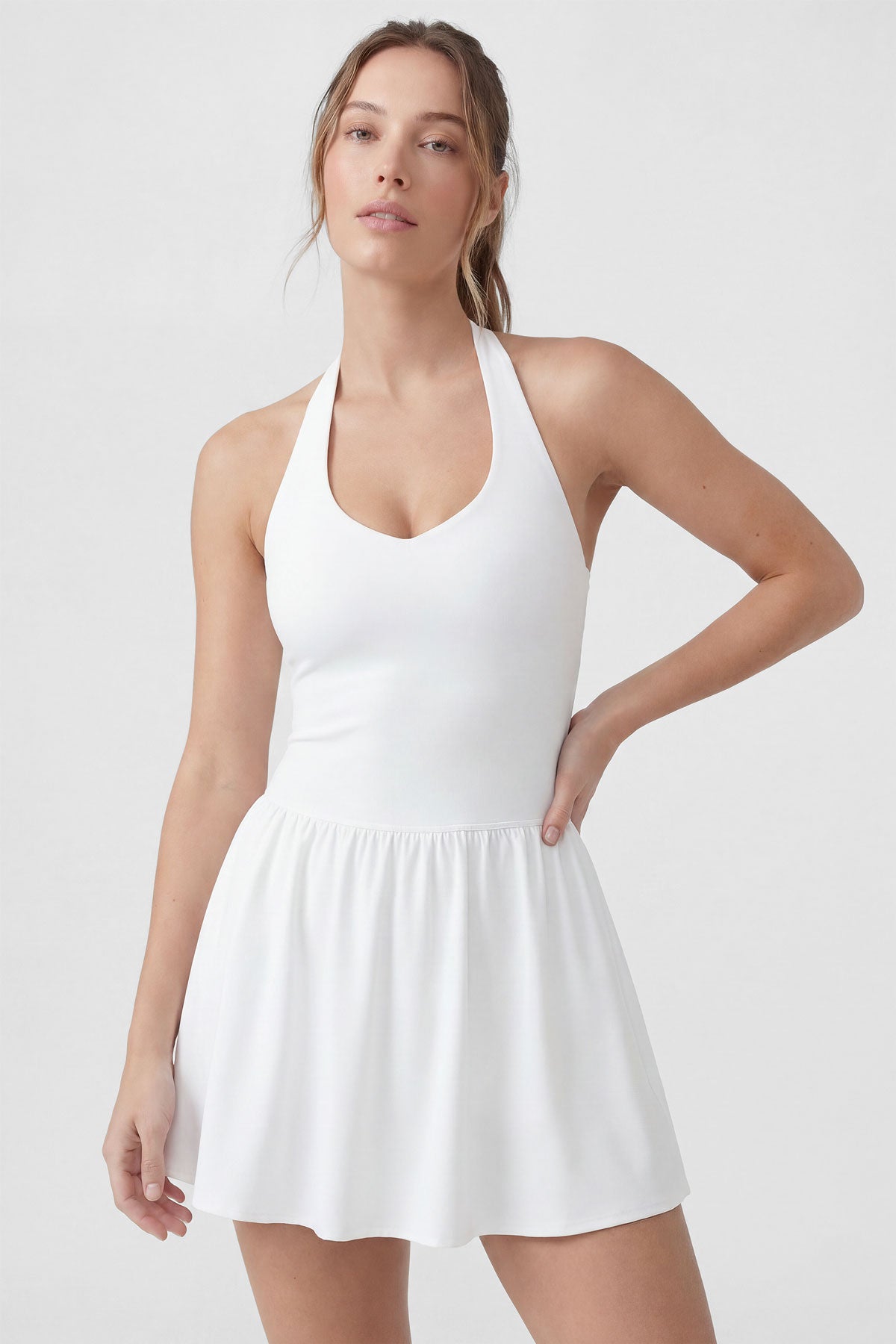
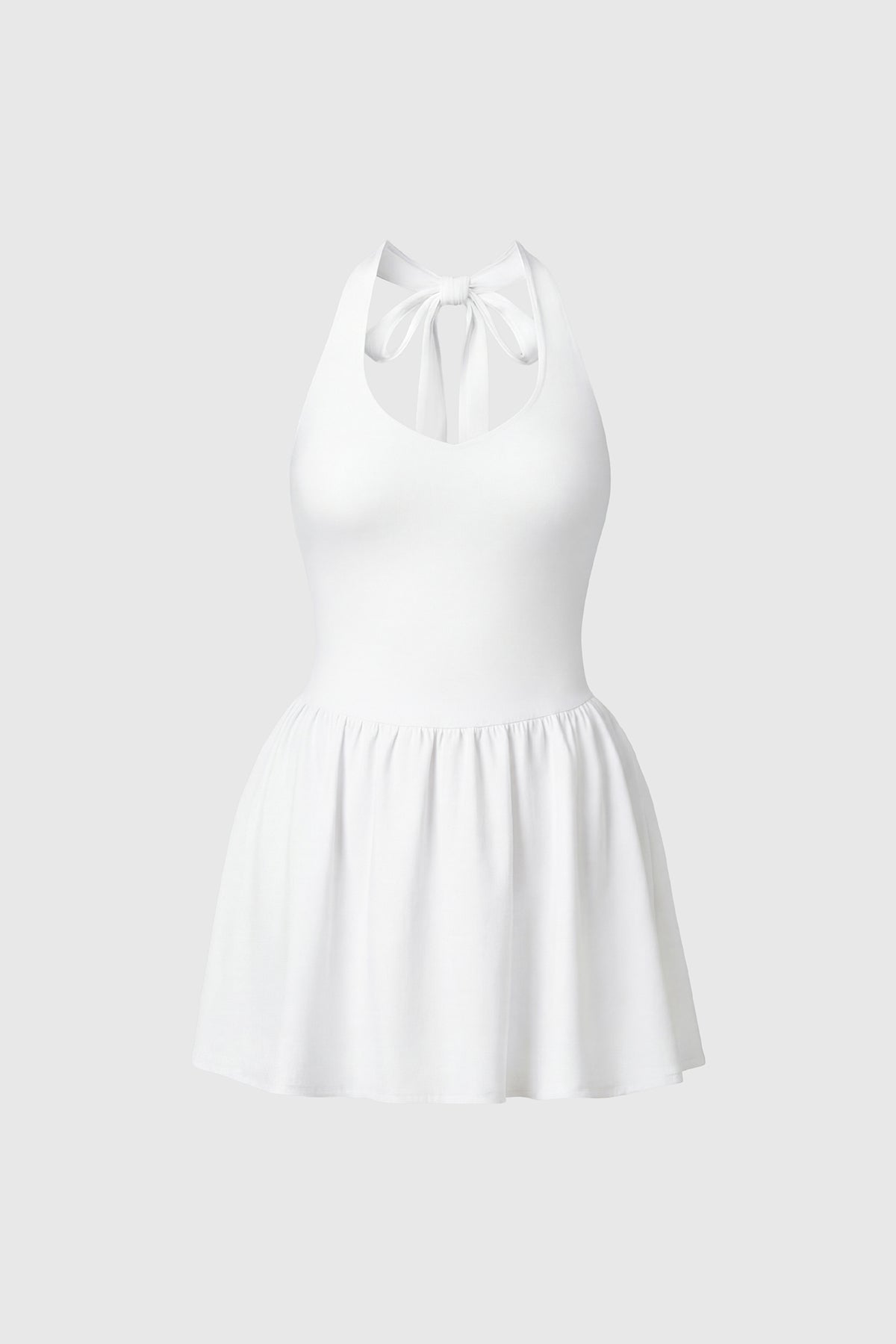
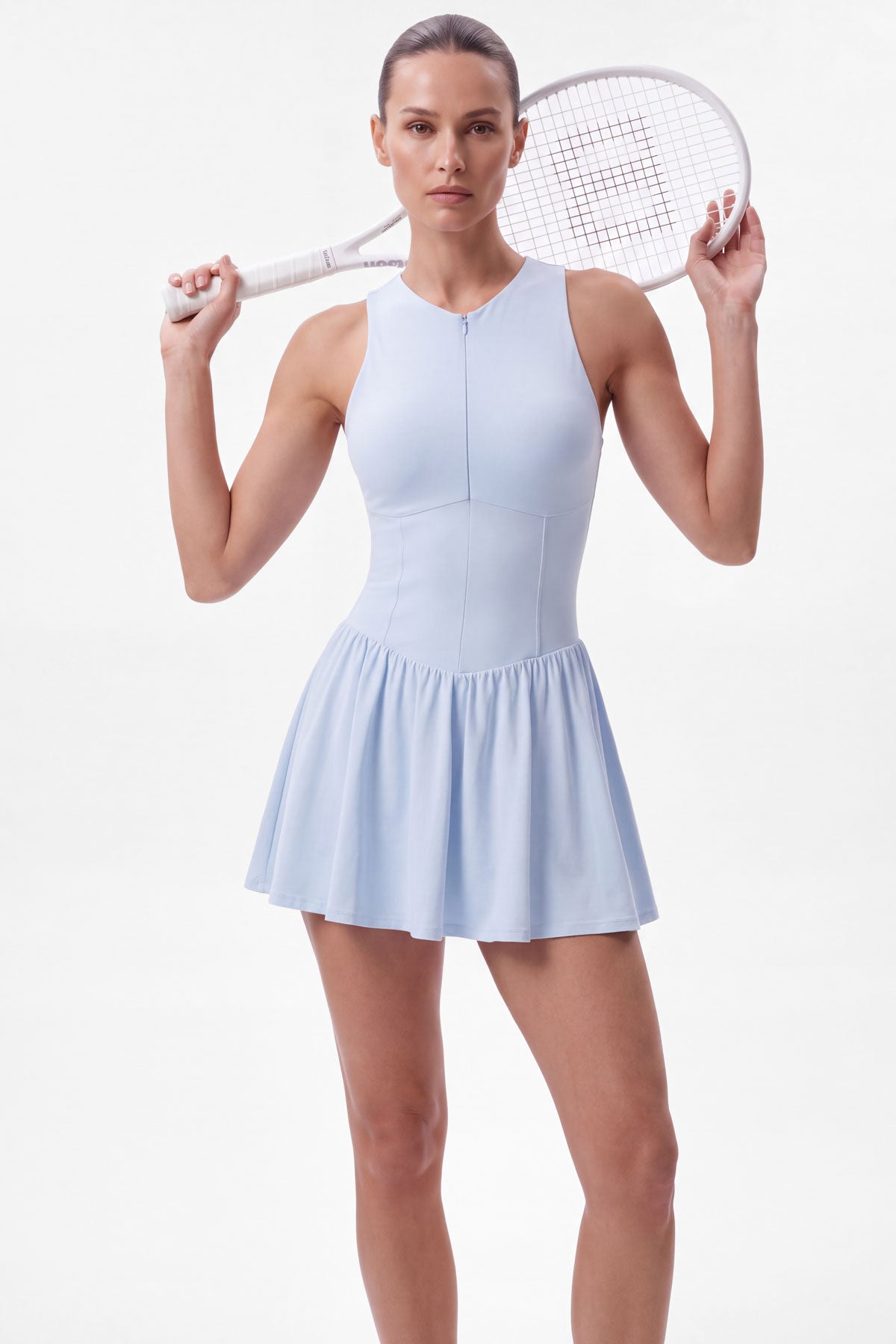
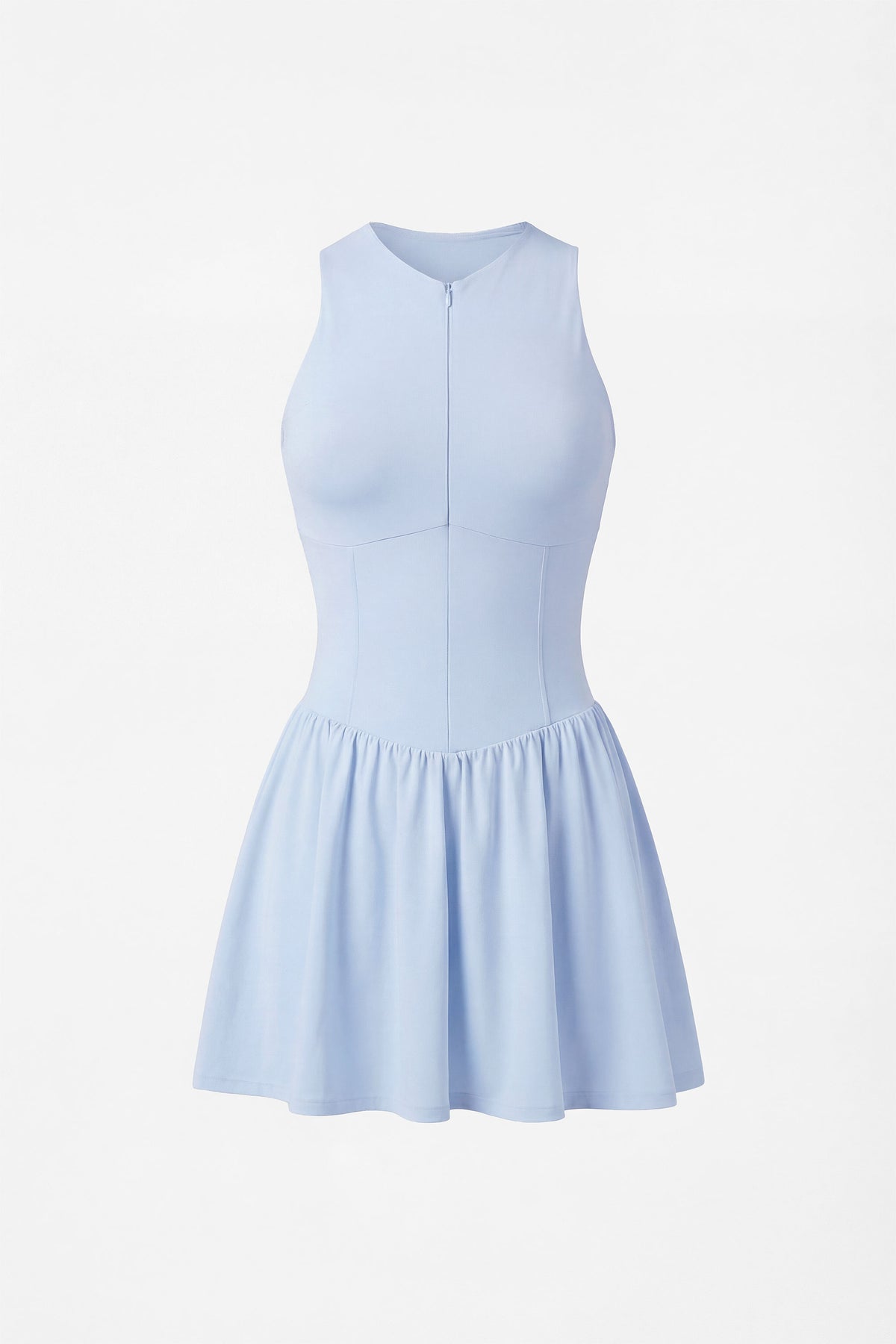
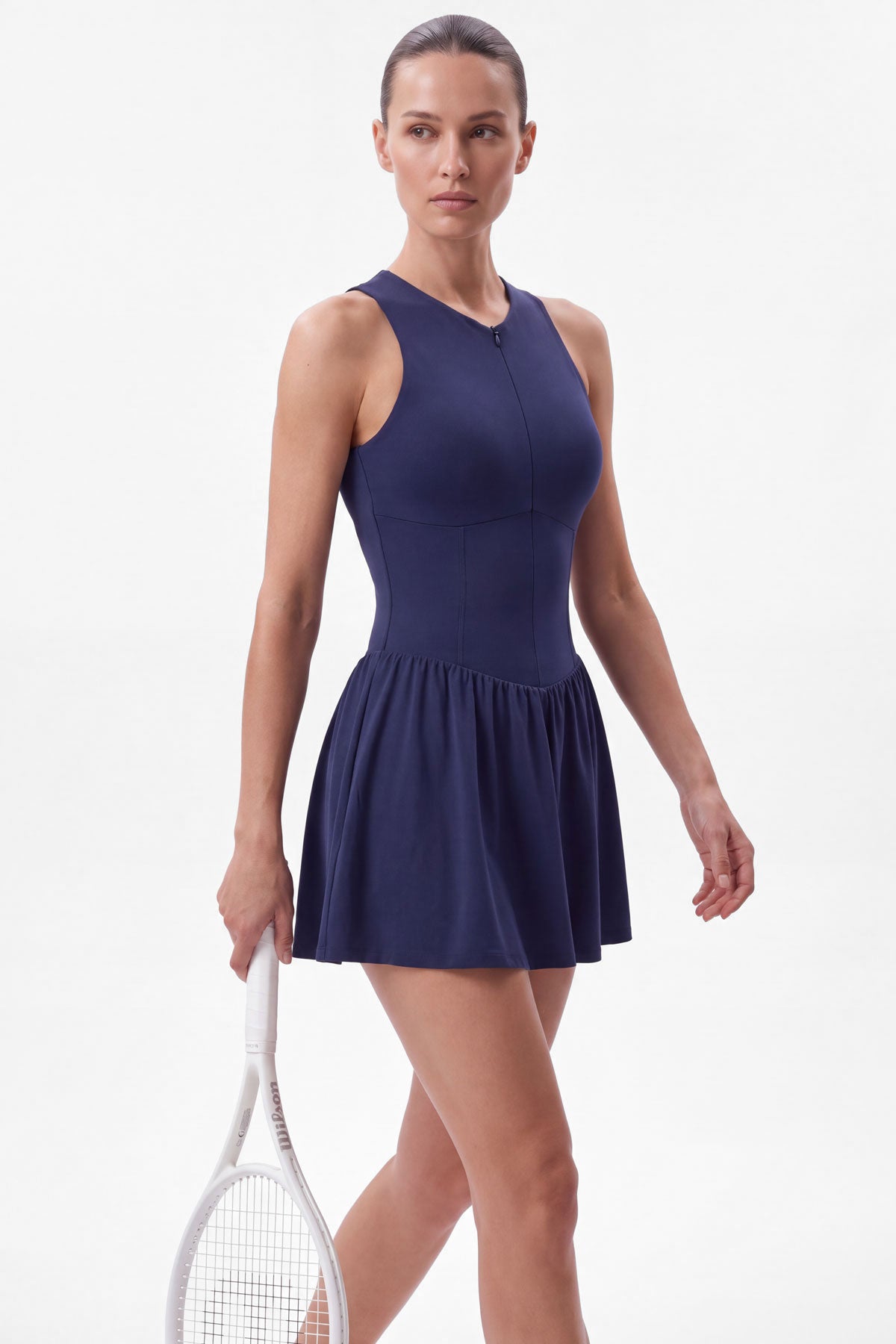
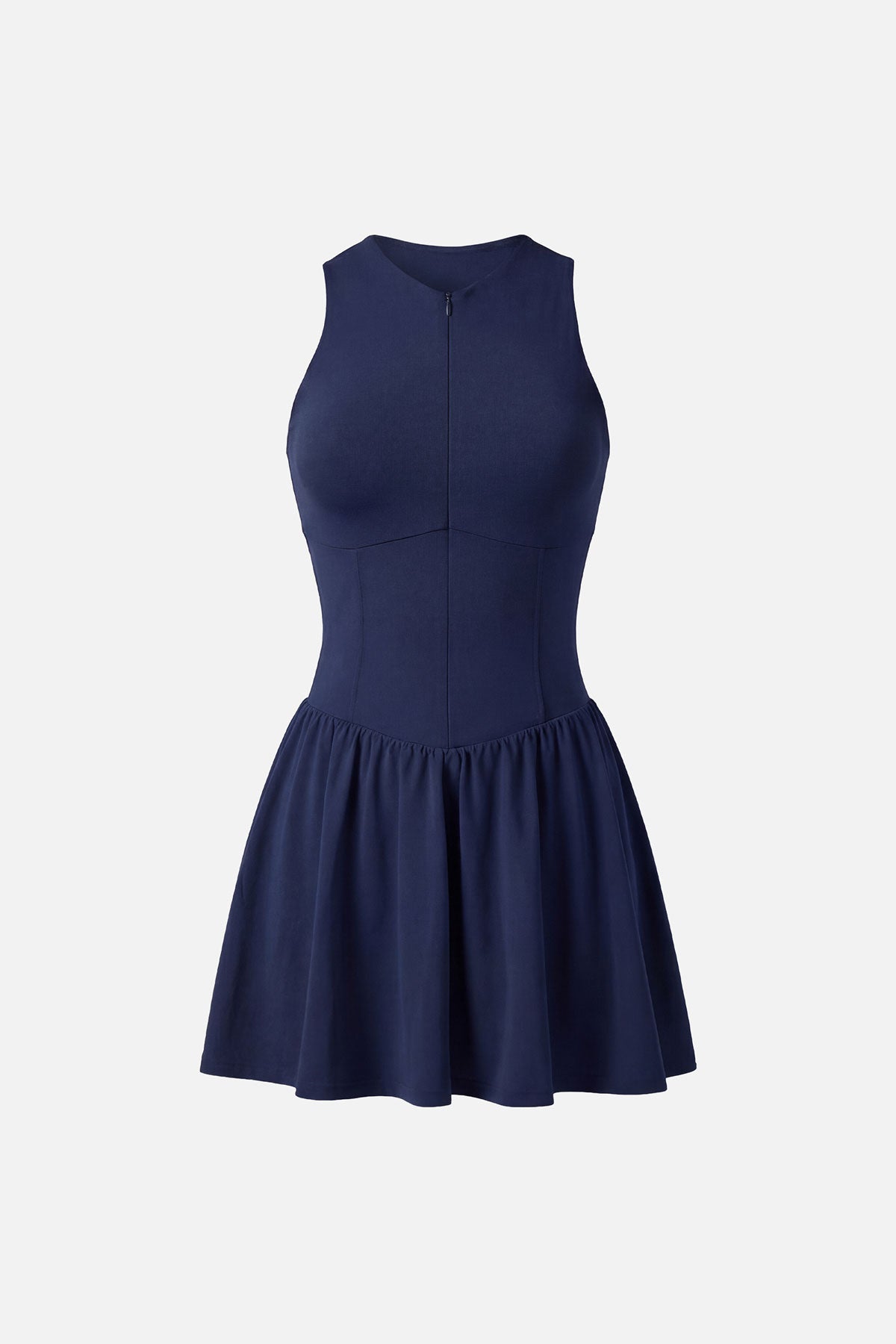
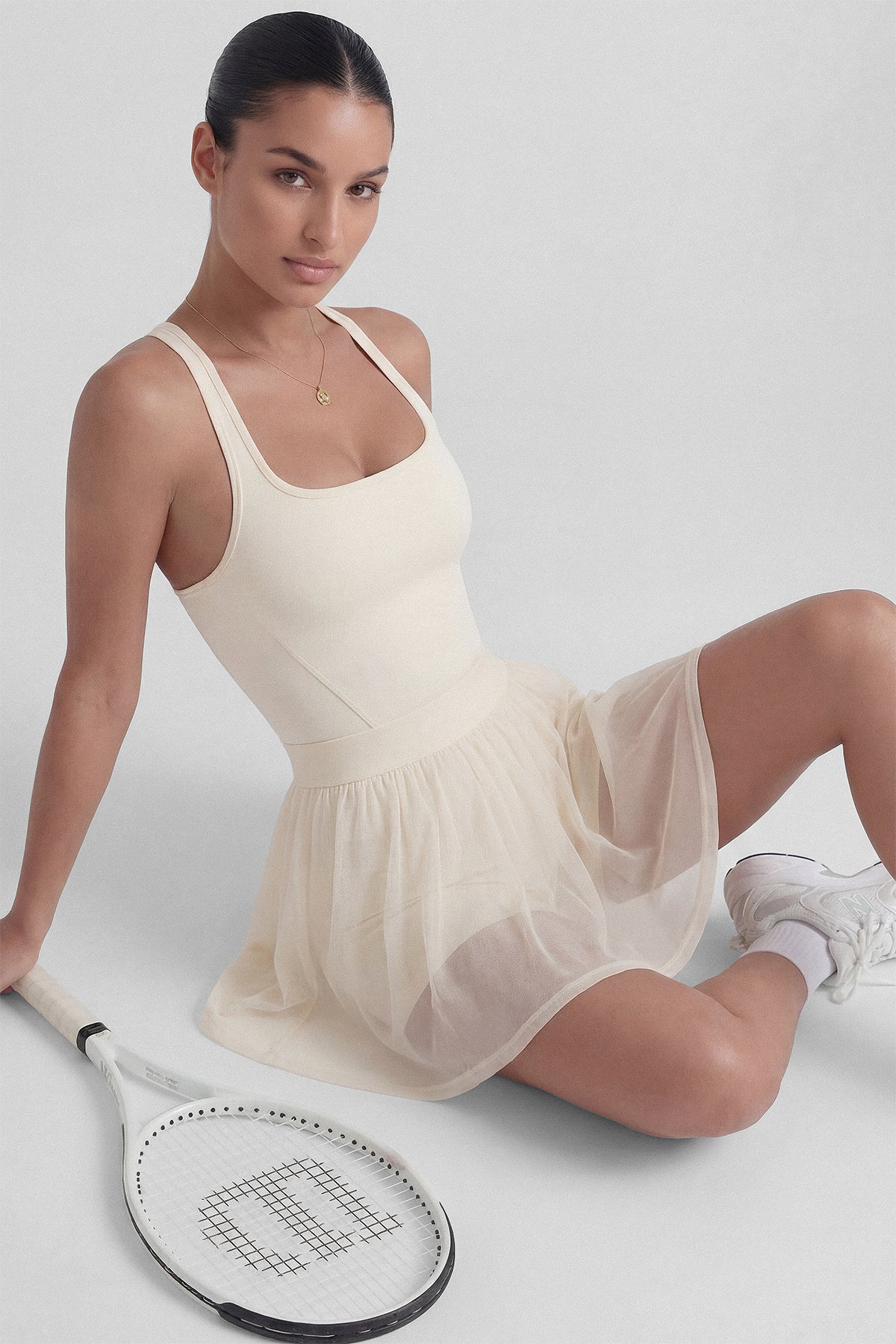
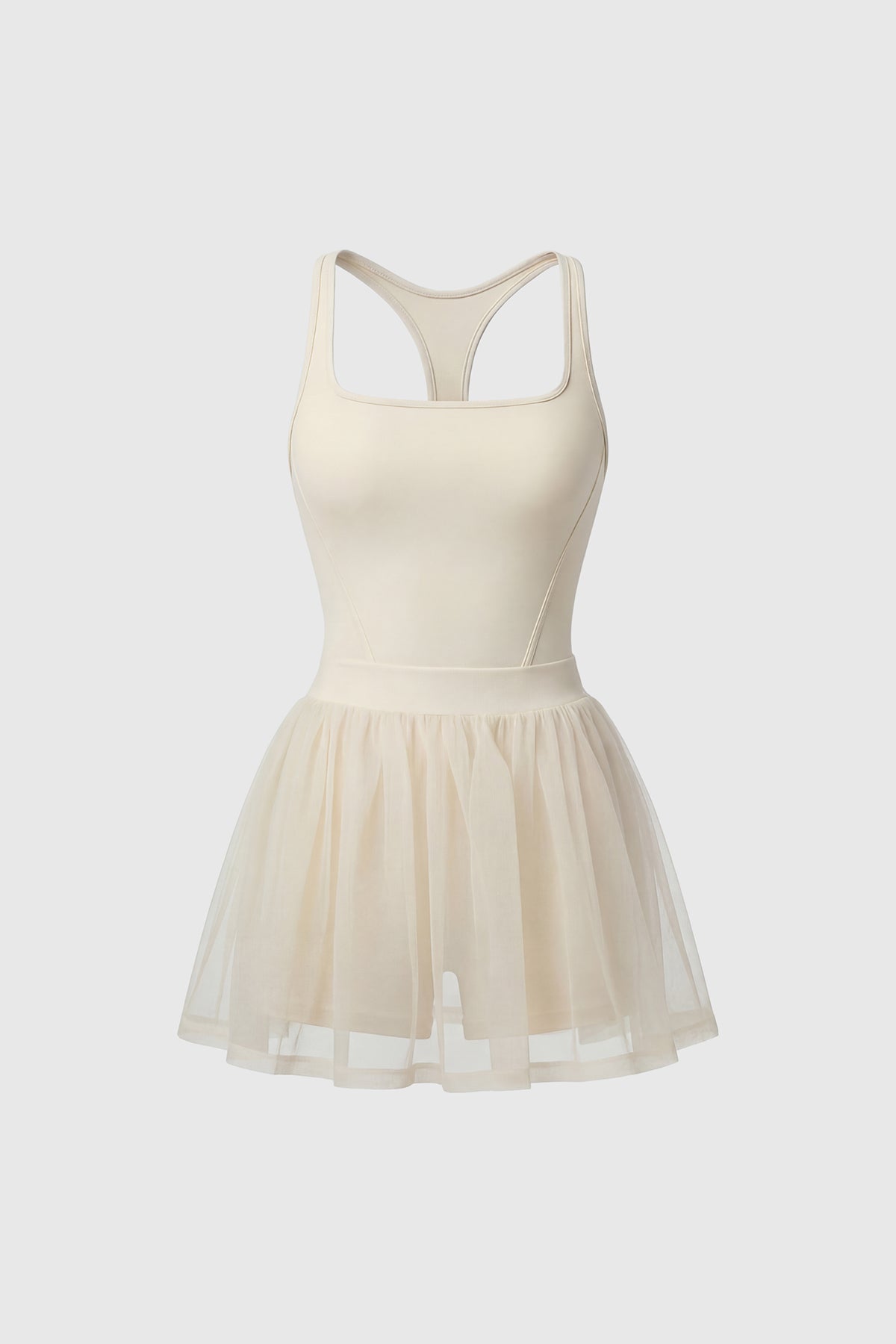
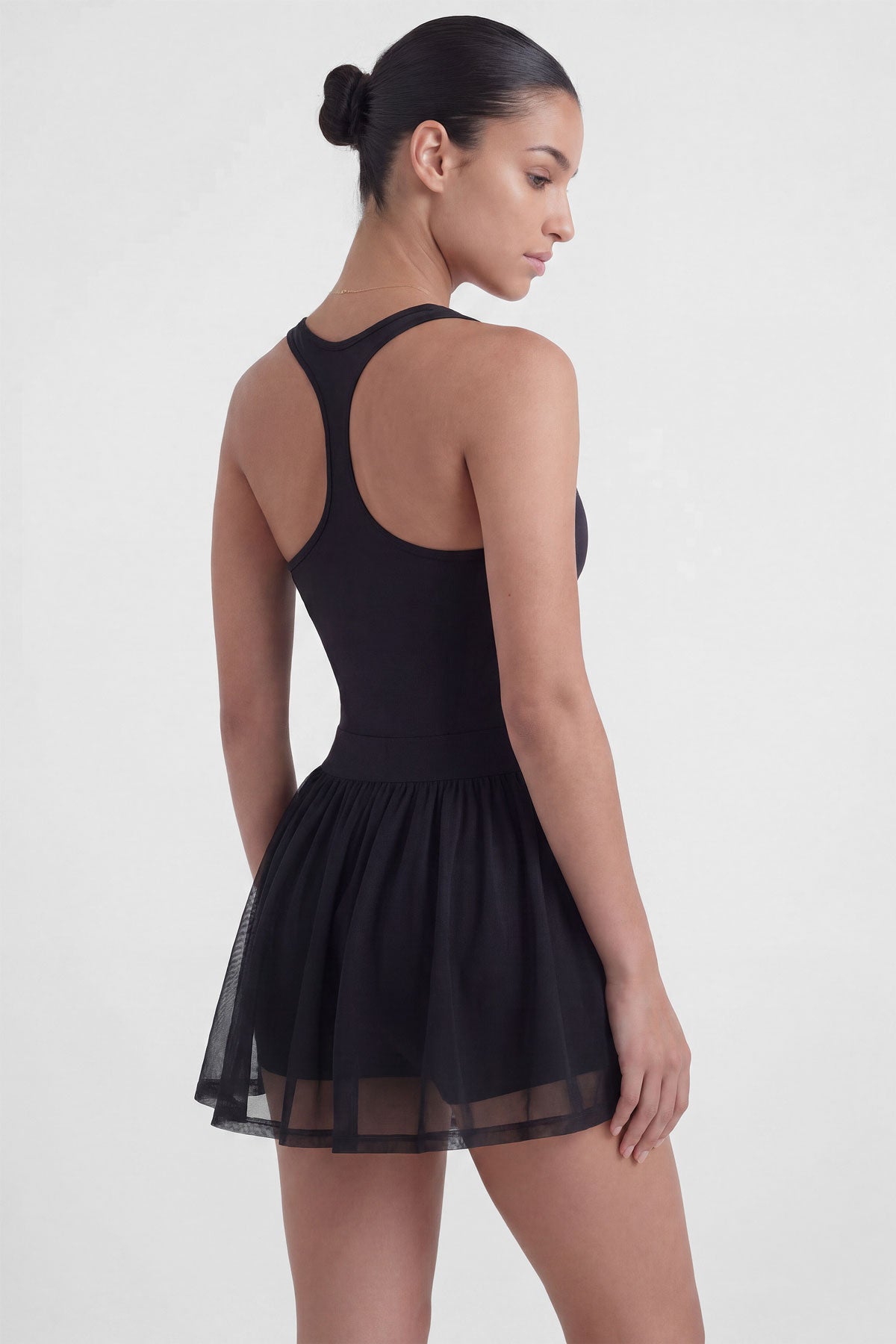
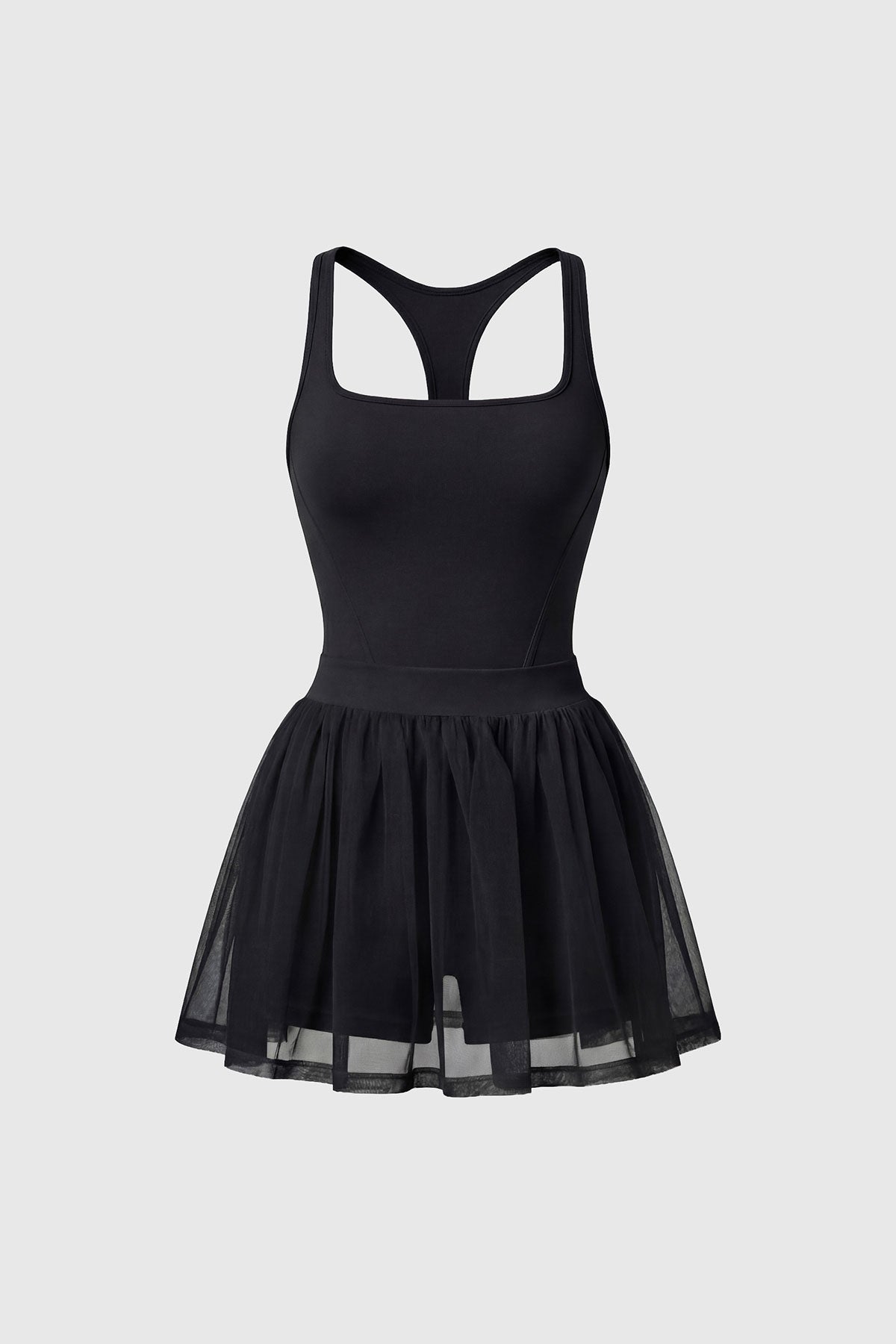
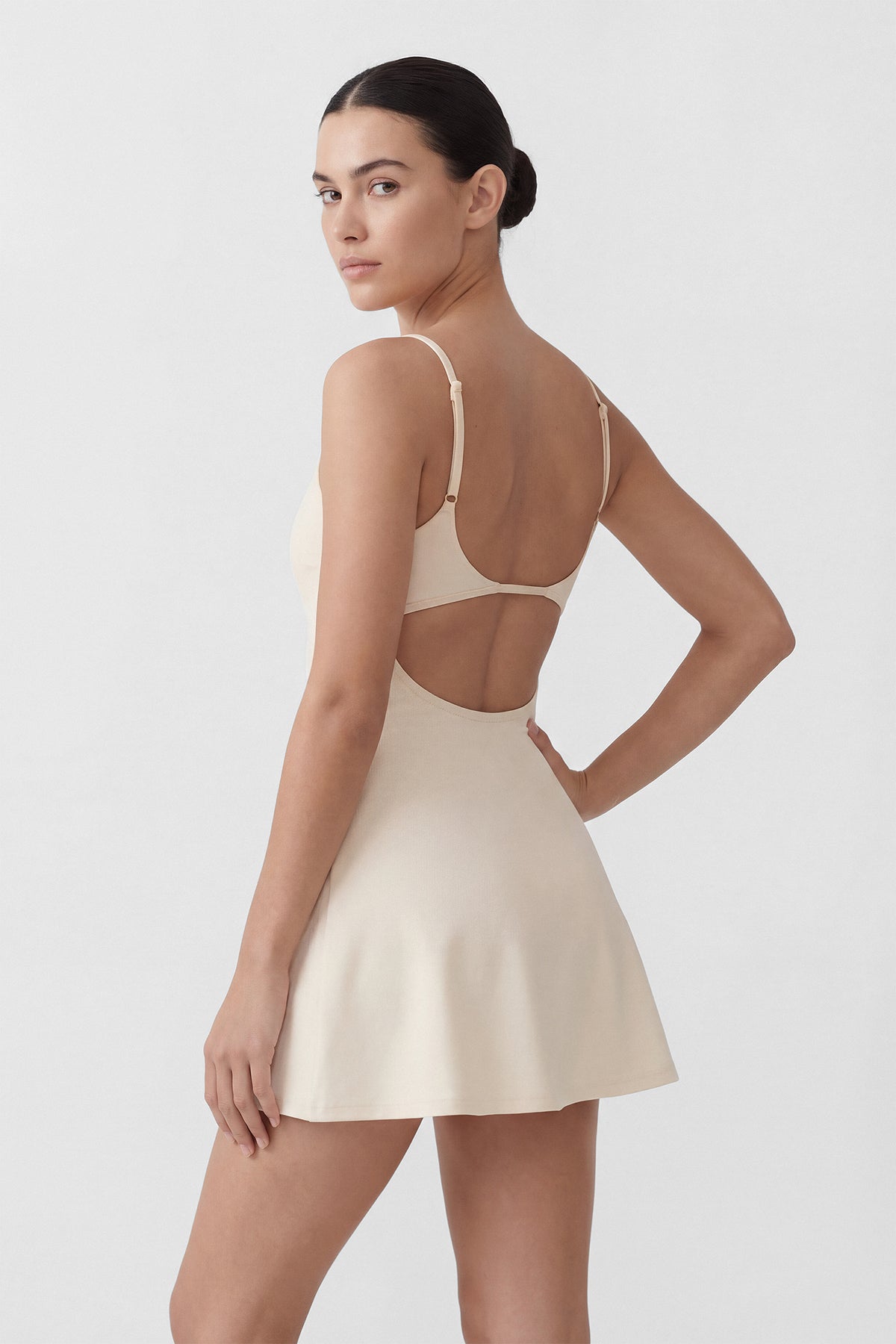
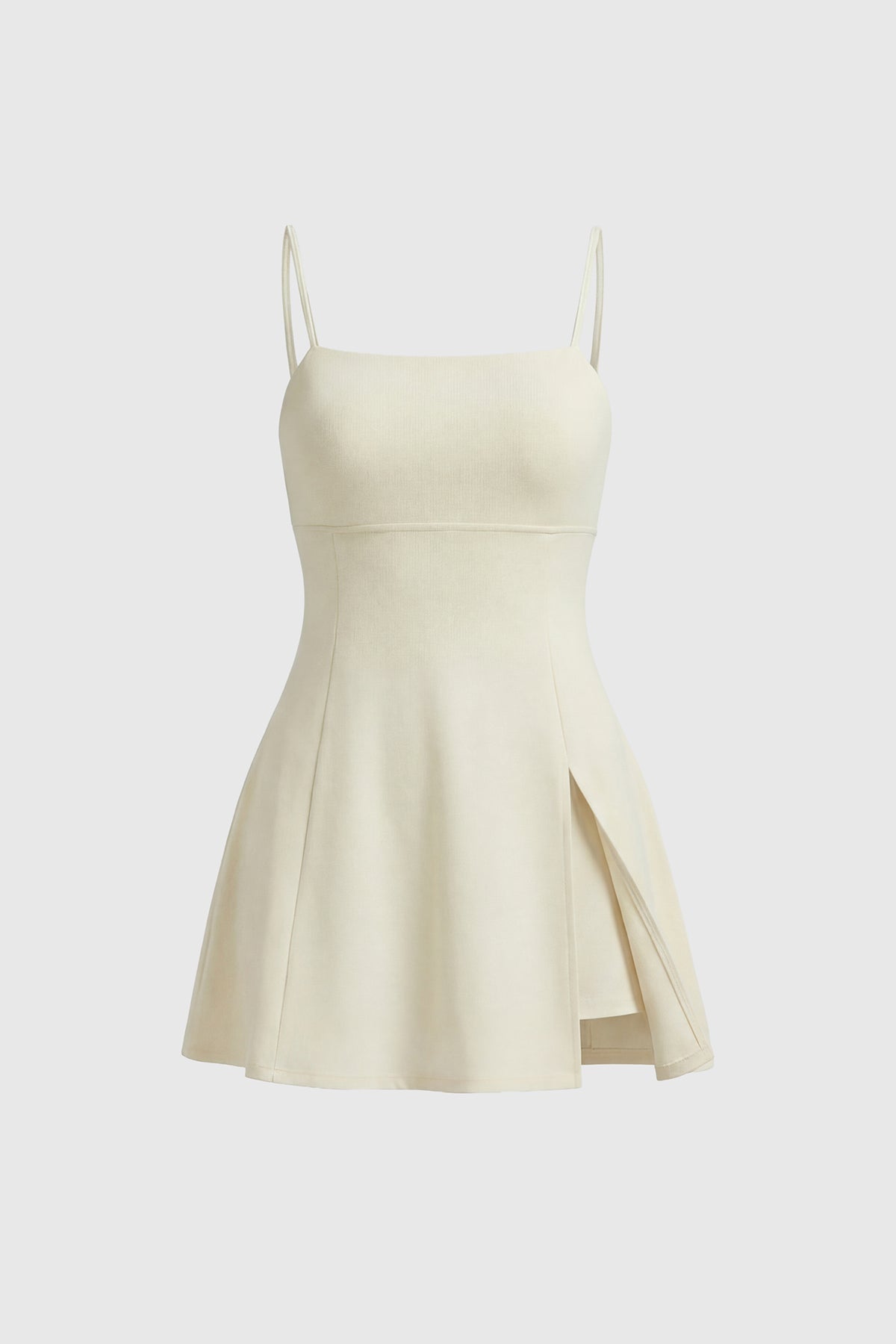
A tennis or padel dress works especially well when it has a simple neckline, adjustable straps and built-in shorts. The built-in layer keeps the piece practical for play, while the outer silhouette can feel more like a minimal day dress than traditional activewear. Add a lightweight knit over the shoulders or a crisp overshirt, and the look moves comfortably from match day to a long lunch.
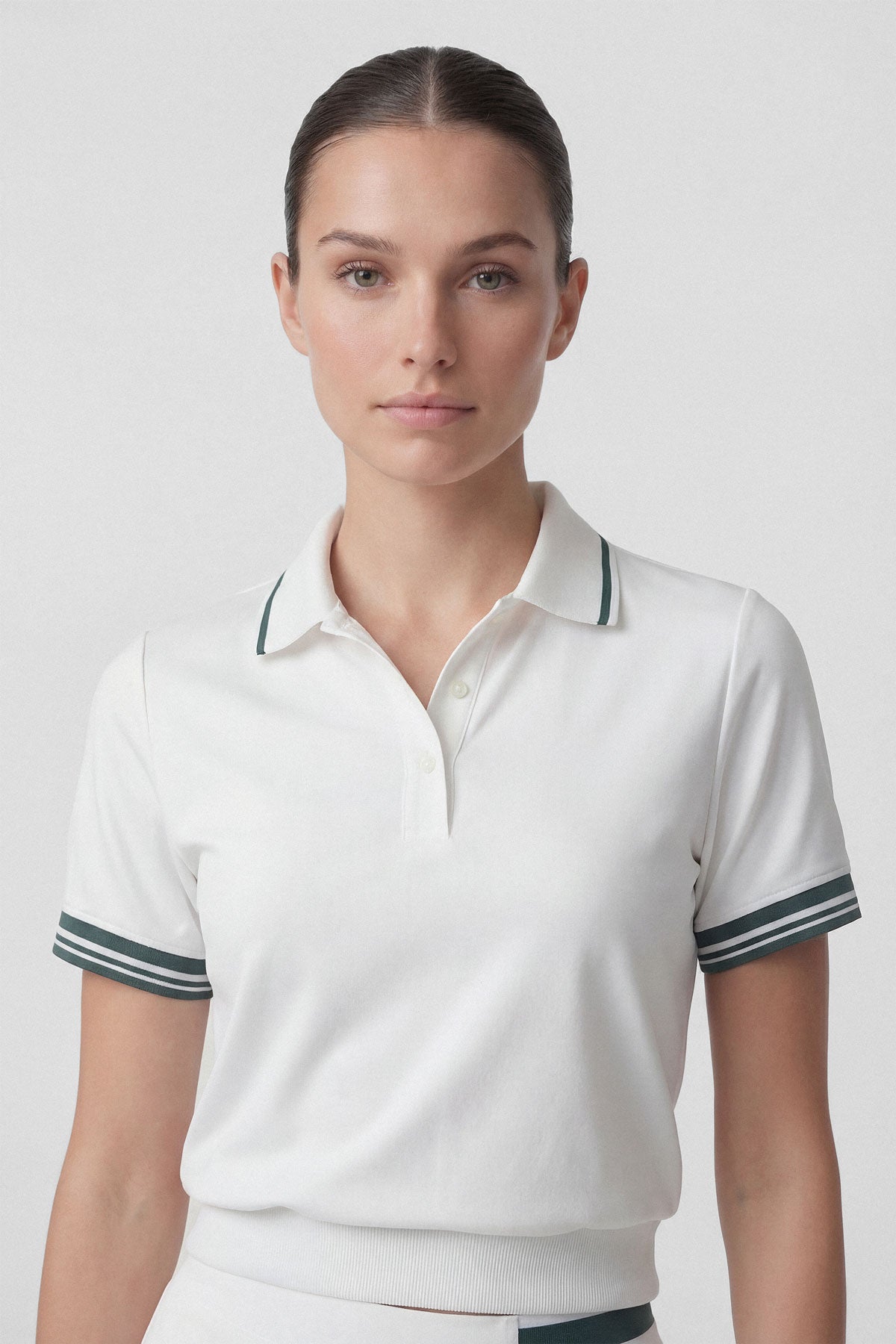
For golf, a polished polo with a structured skort creates the same effect. Keep the proportions balanced: a closer-fitting polo pairs well with a slightly straighter skirt, while a more relaxed top benefits from a streamlined lower half. Details such as a high waist, side pockets and micro-perforated panels matter during play, but they also prevent the outfit from feeling overly styled when you leave the course.
Colour does much of the quiet work. Black, white, navy, cream and soft mineral tones are easy to layer and rarely date quickly. A considered tonal outfit can look particularly elevated, even when every piece was selected for movement first. If you prefer colour, let one item lead and keep the layer and accessories neutral.
Choose layers that look deliberate
The difference between looking court-ready and looking pulled together after the court is usually one layer. Rather than reaching for an oversized hoodie by default, choose a piece with a little structure. A fine-gauge knit, relaxed button-up shirt, cropped cotton jacket or lightweight trench can change the mood of a performance dress or skort without making it feel fussy.
A button-up shirt is a particularly useful club-day layer. Worn open over a fitted crop top and skirt, it offers coverage between games and a relaxed proportion afterwards. Tie it loosely at the waist if you want more definition, or leave it open for an easier silhouette. White, pale blue and subtle stripes work well, but an olive or deep navy shirt can add depth to a neutral outfit.
Knitwear brings softness to technical fabric. A slim cardigan over a dress is neat enough for a café or casual meeting, while a crew-neck knit draped over the shoulders adds polish without adding bulk. This is also a practical option for early starts and late finishes, when the temperature shifts but a heavier jacket would feel out of place.
There is a trade-off. Very oversized layers can be comfortable, but they may overwhelm a shorter dress or create unnecessary volume over a skort. Equally, a highly tailored blazer can look sharp, though it is not always the most practical choice if you are heading straight from a sweaty session. The best layer is one that complements the sport piece without competing with it.
Let fabric guide the finish
Technical fabric does not need to look technical. Seek out matte finishes, clean compression and breathable panels that sit flat against the body. They pair more naturally with cotton poplin, linen blends and fine knits than shinier, heavily branded fabrics.
This is where thoughtful design earns its place. A dress with removable bra cups, an adjustable fit and discreet pockets reduces the need for extra layers or a change of clothes. A top designed to stay put through serves and swings is also more likely to retain its shape when styled under an open shirt later in the day.
Make footwear the decision point
Shoes set the boundary between performance and off-duty style. If your court shoes are clean, minimal and suitable for the plan that follows, there is no need to change immediately. For a quick coffee after tennis or padel, fresh white trainers can keep the outfit feeling modern and relaxed.
For a longer day away from the club, pack a second option. A leather slide, polished sandal or low-profile loafer can shift a dress or skort into more casual territory with very little effort. Keep the choice aligned with the setting. Sandals suit a warm weekend lunch; loafers make more sense for a city errand or a casual work catch-up.
Avoid treating footwear as an afterthought, particularly with golf outfits. A polished polo and skirt can look considered, but bulky golf shoes will keep the look firmly on the fairway. Changing into a simple shoe takes little space in your bag and has an outsized effect on the finished outfit.
Keep accessories useful, not excessive
The most effective accessories still have a job to do. A structured cap provides coverage and gives a sport dress a clean, editorial finish. A compact shoulder bag or refined tote is more useful than carrying everything in a racquet bag once the match is over. Sunglasses, small hoops and a simple watch add personality without crowding the look.
Think of accessories as the final edit, not a second outfit. Too many statement pieces can make performance apparel feel costume-like. One or two polished details are enough, especially when the clothing already has a strong silhouette.
For practical packing, keep a small pouch in your sports bag with deodorant, hair ties, face wipes, a brush and the accessories you plan to change into. A few minutes spent refreshing after play helps the outfit feel intentional, particularly if you are going from a morning session to a social plan.
Four outfit formulas that travel well
A court-to-casual wardrobe becomes easier when you have a few reliable combinations in mind. These formulas are designed to work with the pace of a real day, not just a mirror moment.
- A black performance dress, white trainers, a cream knit and a structured black shoulder bag feels composed for tennis, coffee and weekend errands.
- A white fitted polo, navy high-waisted skort, leather slides and an oversized blue shirt gives golf dressing a relaxed, polished finish.
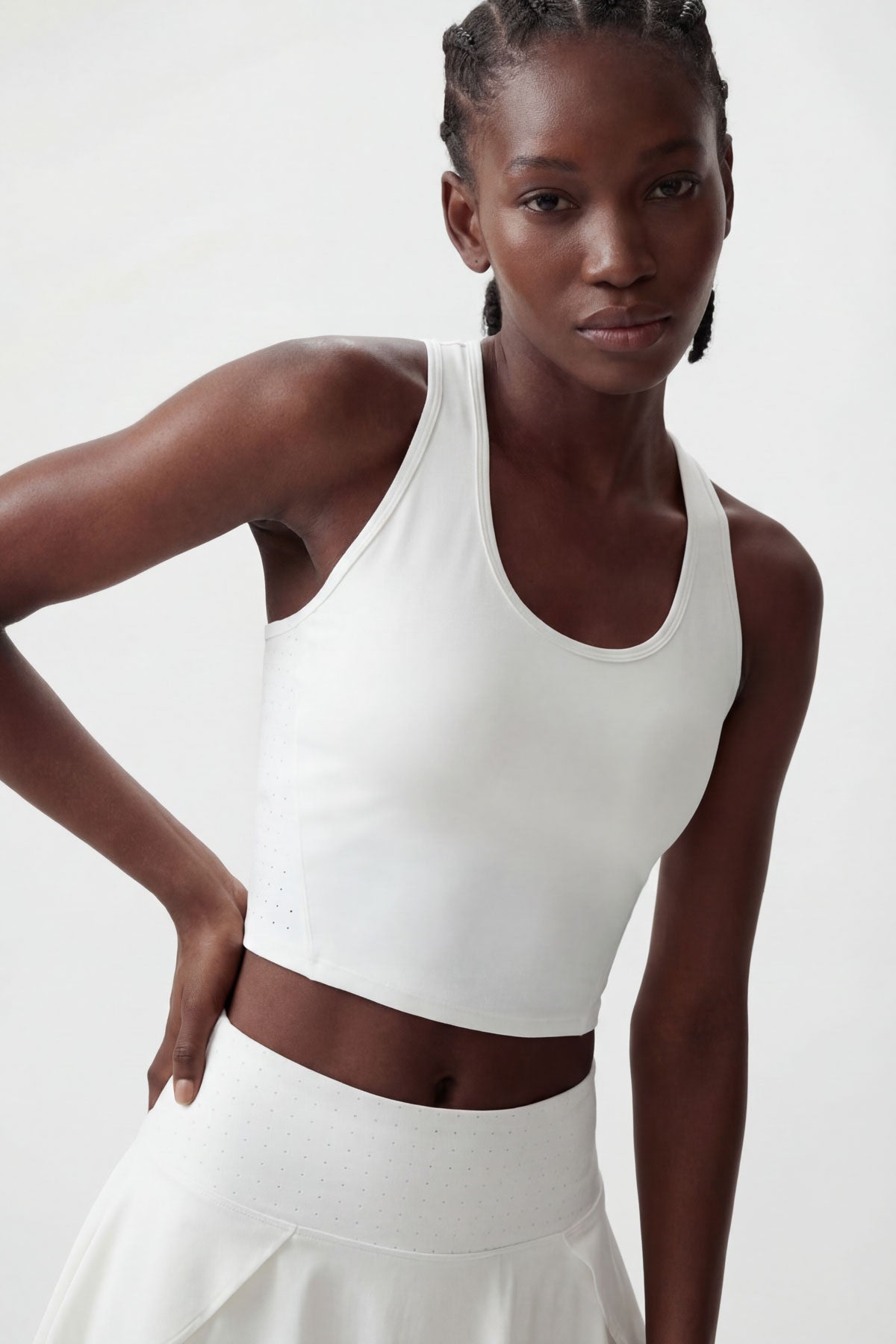
- A streamlined crop top, matching skirt, white button-up and understated jewellery works for padel when you want a little more flexibility in the fit.
- A longline performance top, tailored shorts and a lightweight jacket is a strong option for a driving-range session followed by lunch.
Dress for the plan after play
Not every court-to-casual look needs the same level of polish. A Saturday morning hit followed by a takeaway coffee calls for clean trainers and a knit. A club lunch may call for a button-up, a more refined bag and a change of shoes. If you are travelling across town after a session, prioritise breathable pieces and a layer that does not crease easily.
It also depends on how you like to play. If you prefer the support and simplicity of a one-piece dress, make that your wardrobe anchor. If you want greater flexibility across tennis, padel and golf, build around coordinated separates that can be mixed with everyday layers. Common Player approaches this balance through a modern court uniform: pieces designed for movement, then finished with enough restraint to work beyond the game.
A good outfit should leave room for the day to unfold. Start with clothing that feels right at first serve, then add the small, considered choices that mean you can stay out a little longer.
Read more
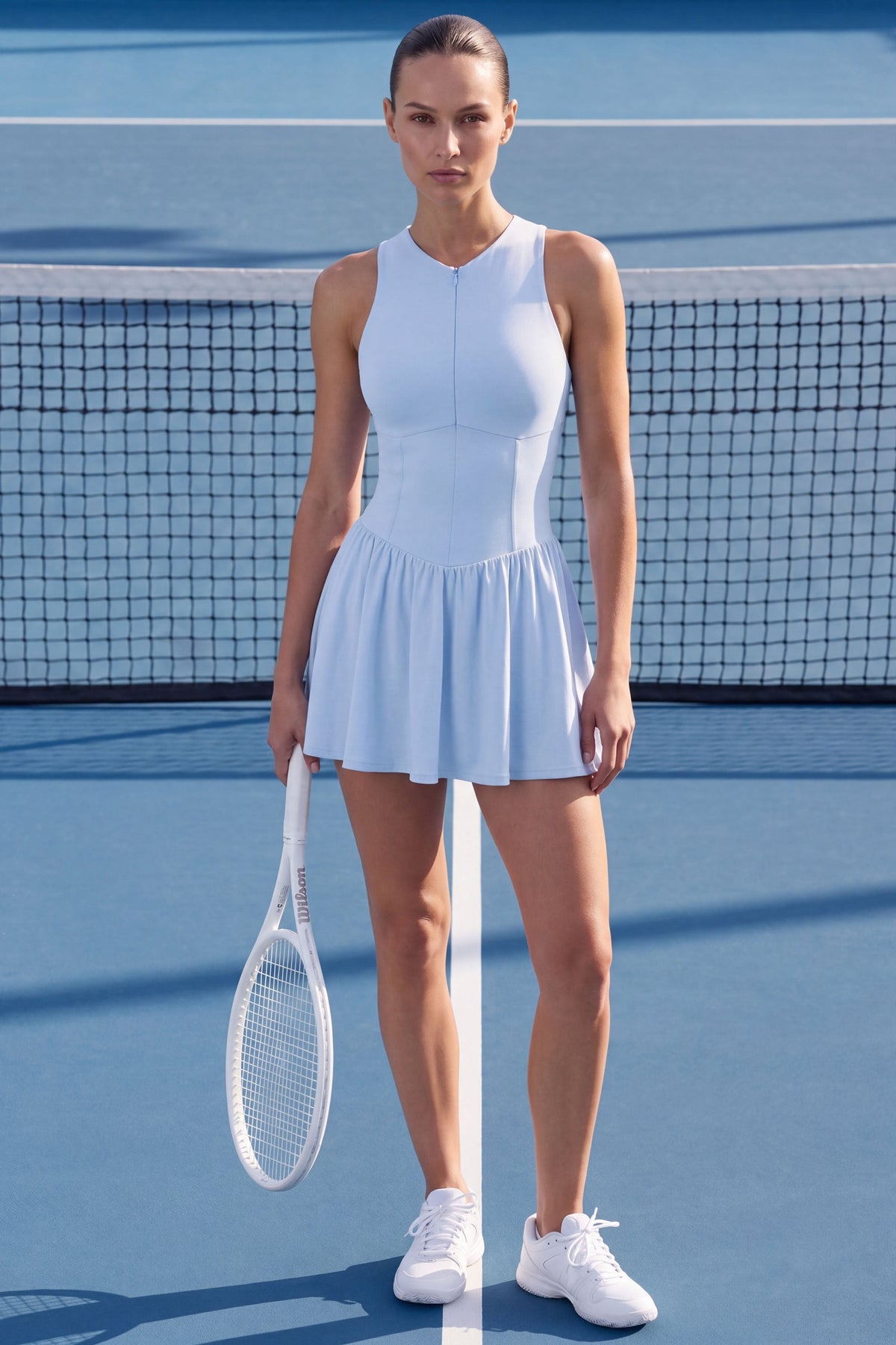
Minimalist tennis clothing women can wear on court and beyond: refined silhouettes, considered layers and practical details made for match day with ease.

Polo top vs crop top: compare coverage, movement and styling to choose a polished performance layer for tennis, padel, golf and beyond on court or off.