

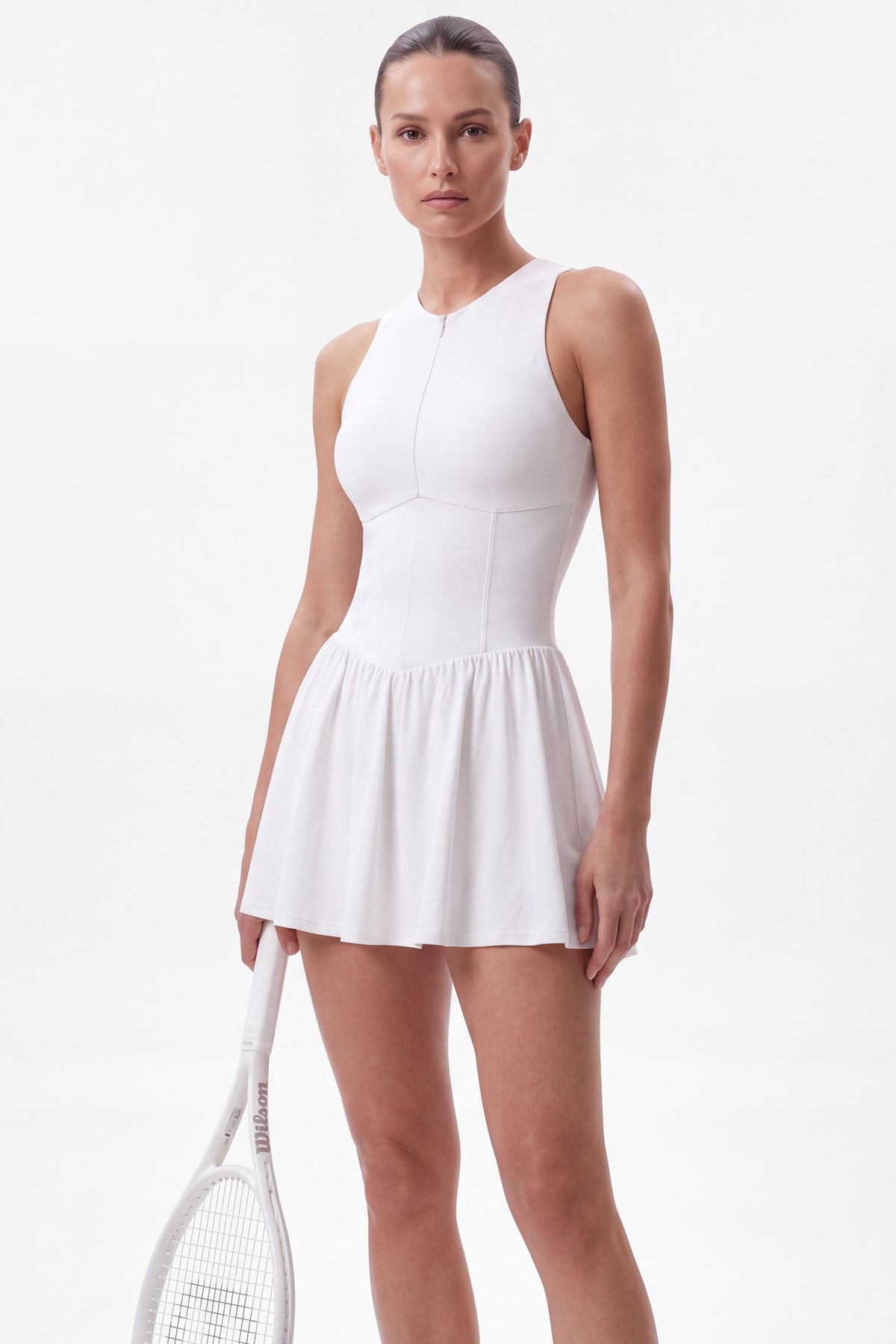
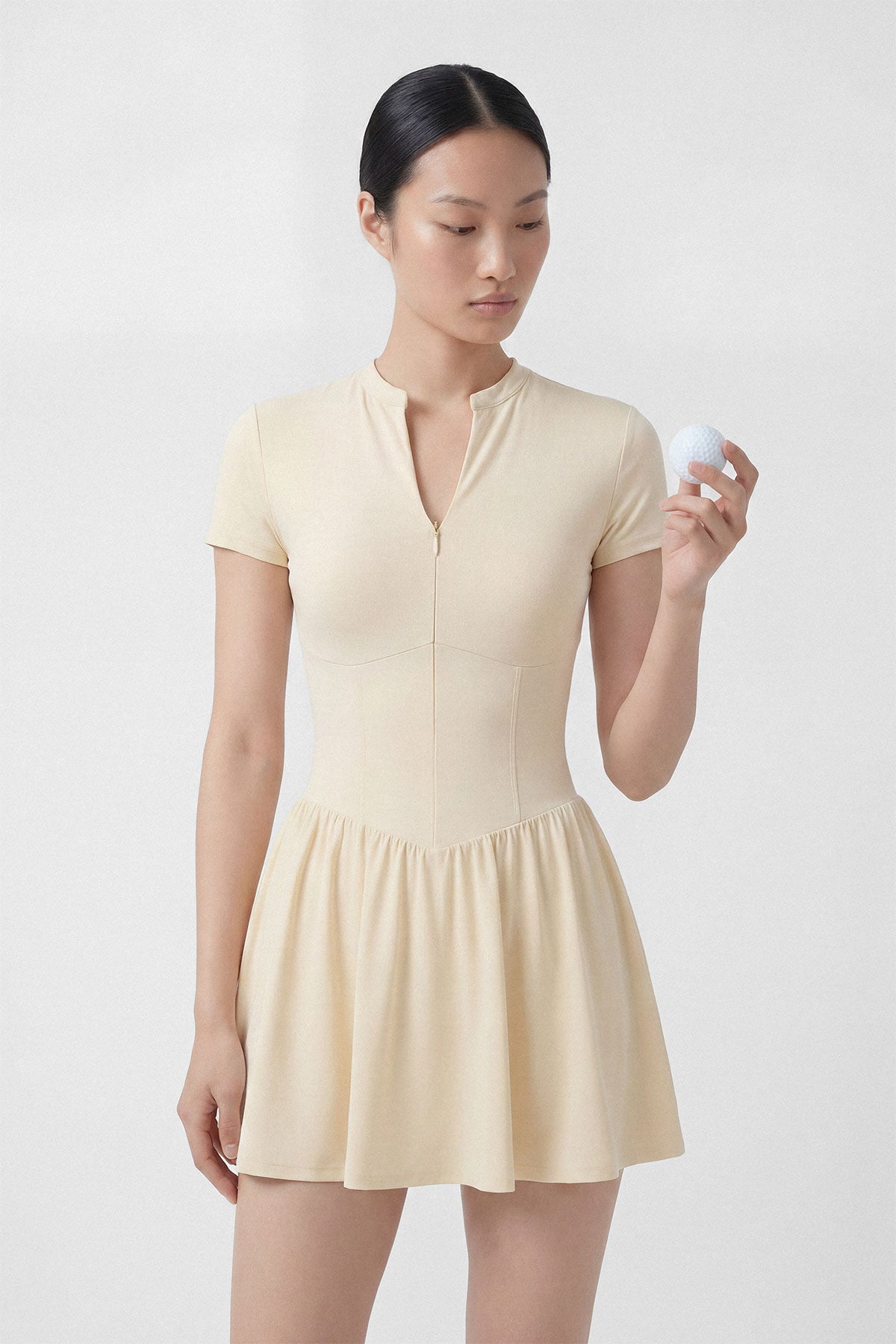
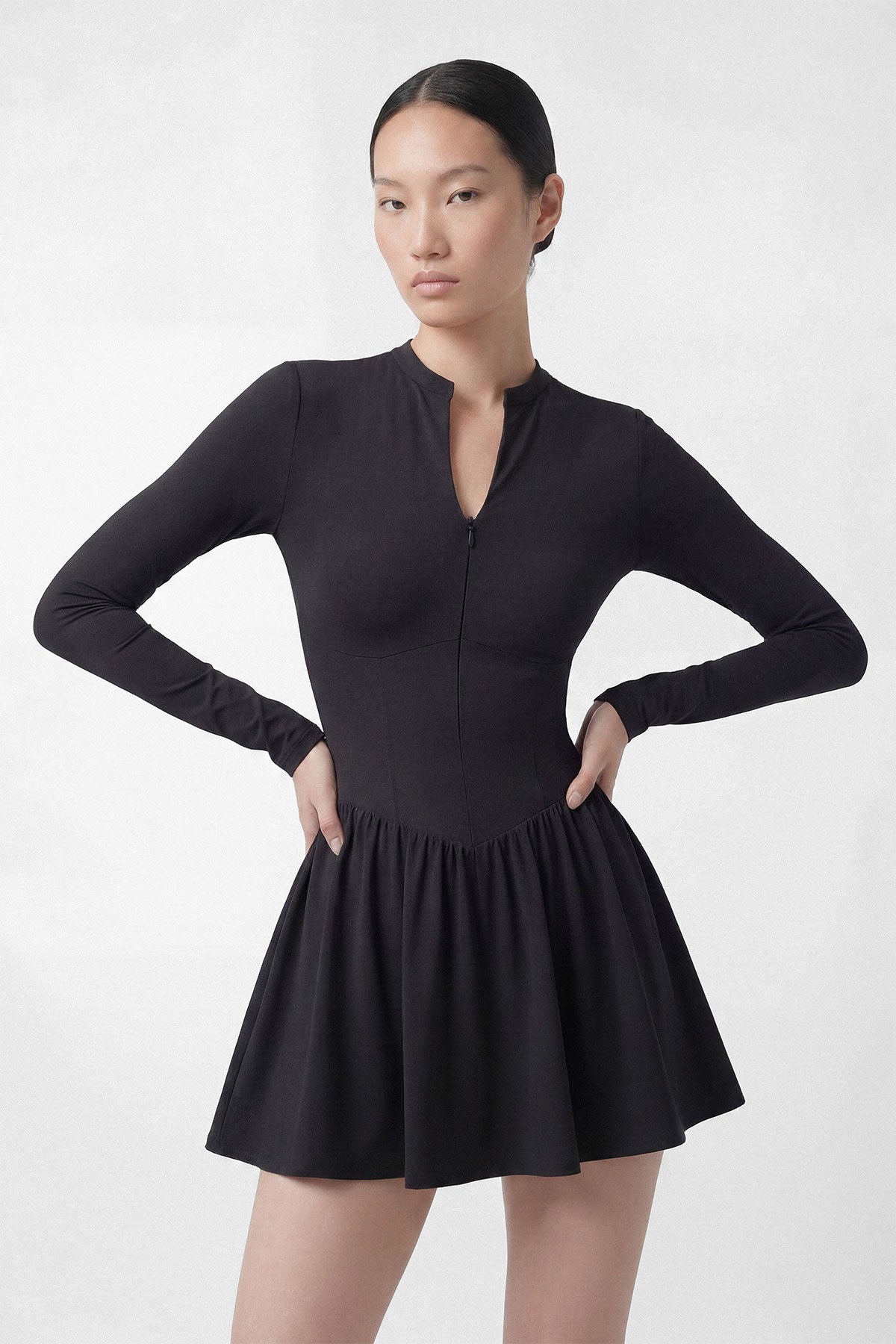
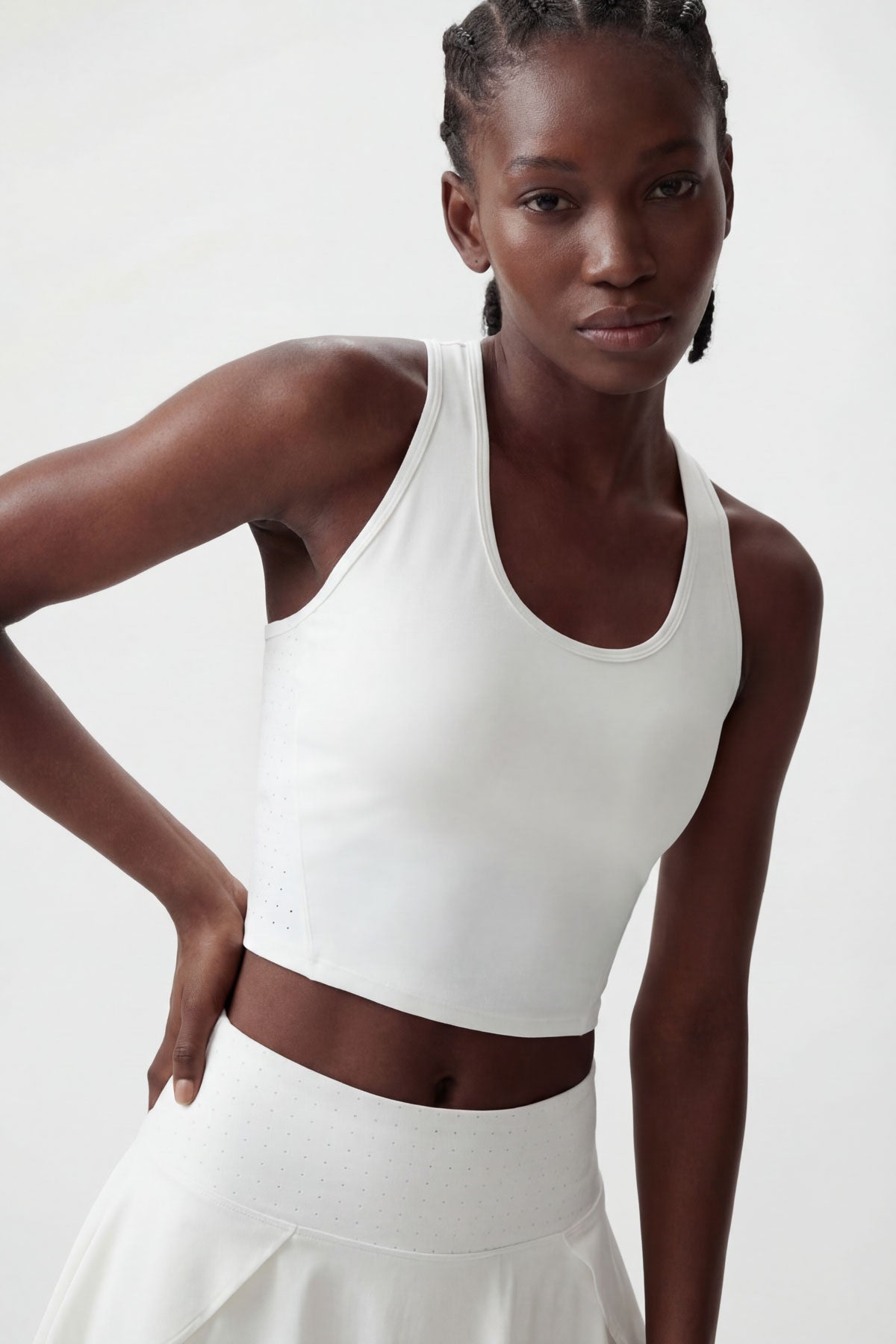
How to Choose Tennis Skorts
The right skort changes the way you move. If you have ever spent a set tugging at a waistband, adjusting shorts underneath or realising your pocket placement makes ball storage awkward, you already know that how to choose tennis skorts is not a minor style decision. It is about comfort under pressure, freedom through every rally and a look that still feels considered long after match point.
A good tennis skort should feel almost invisible while you play. It needs to support quick changes of direction, stay in place through serves and sprints, and still deliver a clean, flattering silhouette. The challenge is that not every skort is designed with the same priorities. Some lean too far into fashion and lose function. Others perform well enough but look overly technical. The best ones sit confidently in the middle.
How to choose tennis skorts for the way you play
Start with your actual playing habits, not just what looks good on a hanger. A skort for social doubles on a Saturday morning may not be the same one you reach for in a competition setting or during a long training block. If you play regularly, especially in warmer conditions, fabric, compression and pocket construction matter more than you might think.
The first question is how much support you want from the built-in short. Some players prefer a firmer, more held-in feel that stays secure during lateral movement. Others want lighter coverage with a softer finish. Neither is universally better. It depends on whether you value compression, breathability or a less structured feel.
Length matters too, but not in a one-size-fits-all way. A shorter skort can feel sharper and lighter, especially in heat, but it may offer less coverage when you stretch low or rotate quickly. A slightly longer cut can feel more secure and polished, though if the proportions are off it may restrict movement or visually shorten the leg. The right choice comes down to your height, your comfort level and the speed of your game.
Fit comes first
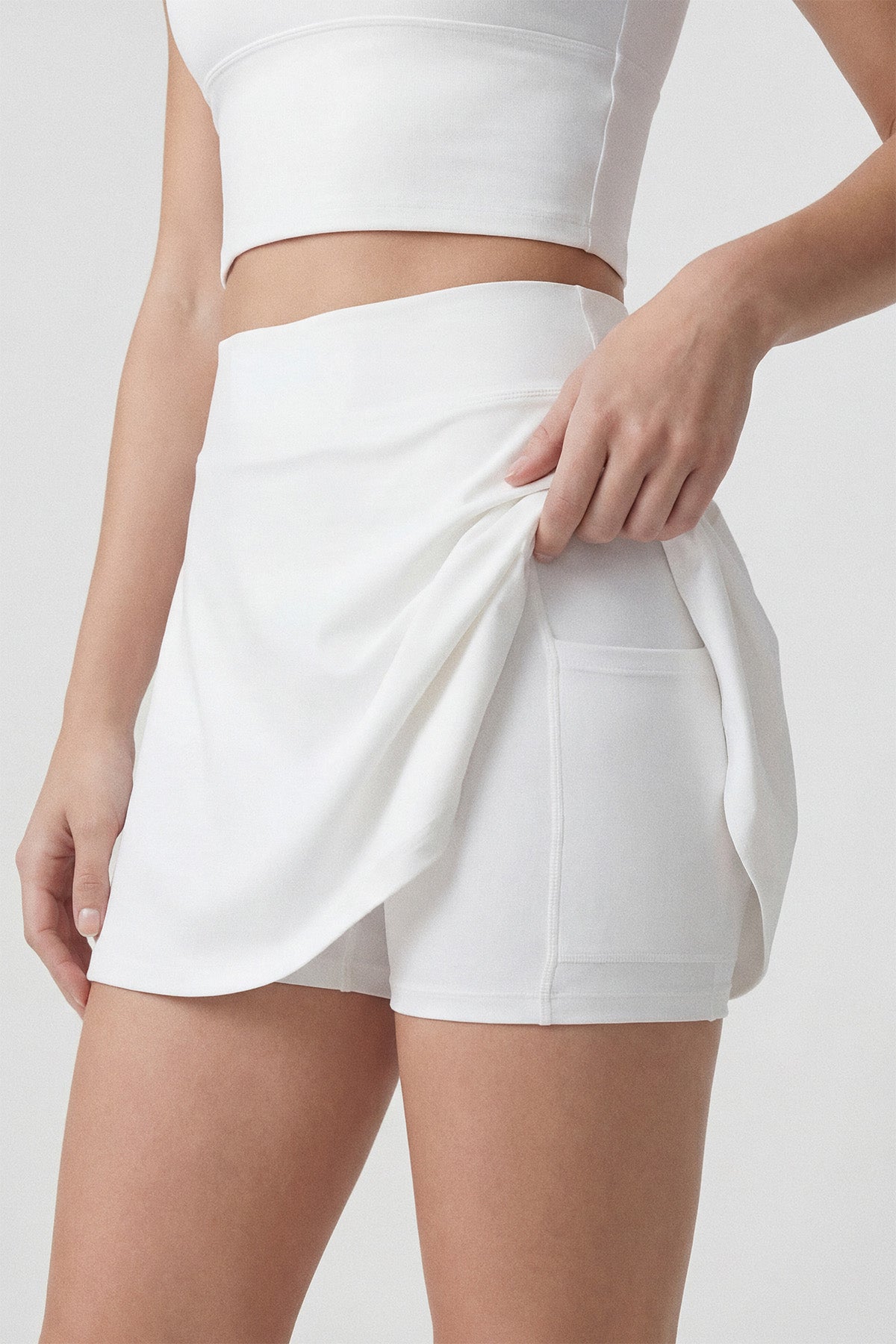
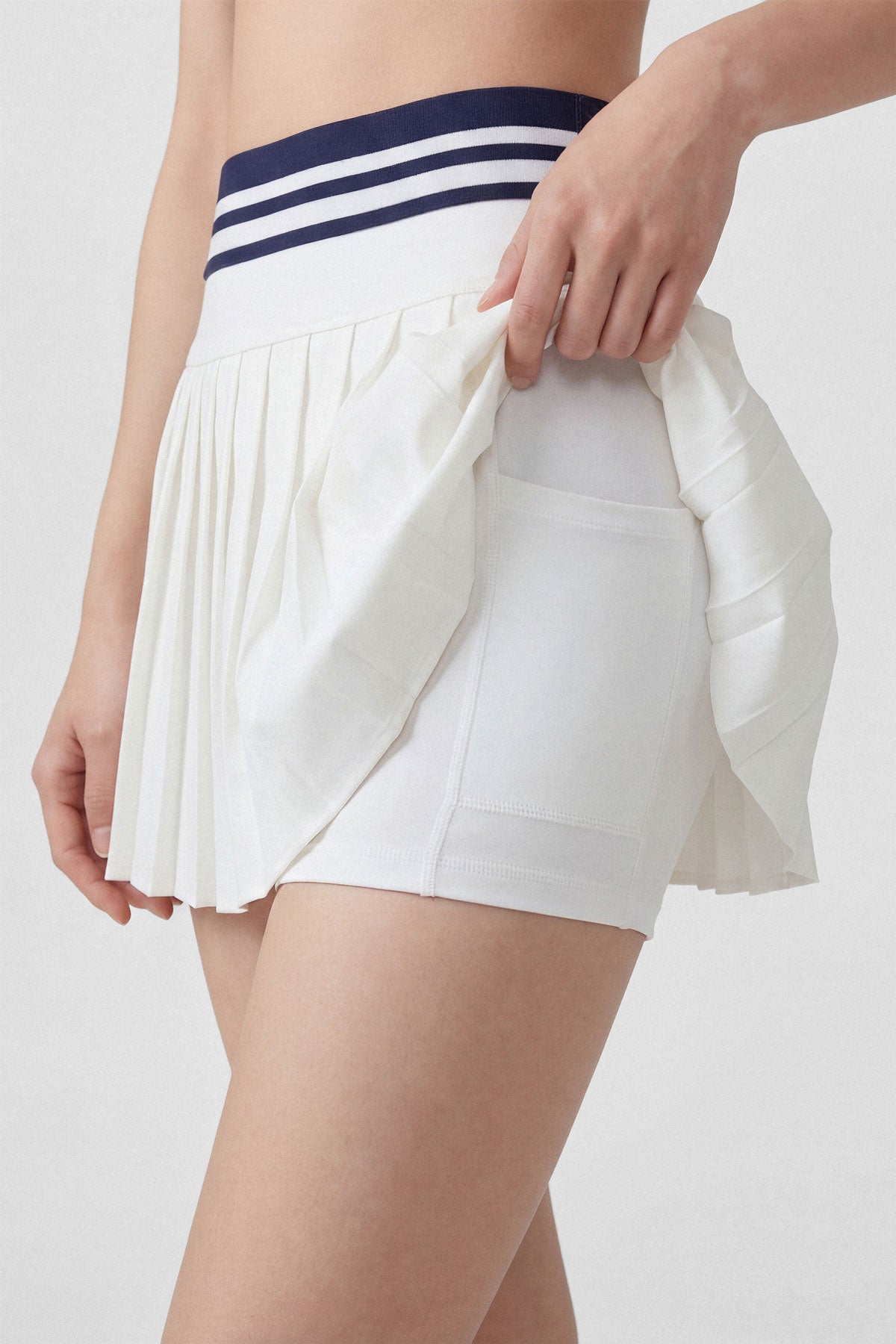
If the fit is wrong, the rest does not matter. Waistband fit is usually where a skort succeeds or fails. A high-waisted shape tends to feel more stable and flattering, particularly during play, because it anchors the piece at the narrowest part of the torso. It also creates a cleaner line with crop tops, polos and fitted tanks.
That said, the waistband should hold without digging in. If it pinches when you twist or sit, it will only become more noticeable as the match goes on. Look for a waistband that sits flat, smooths gently and does not roll. A skort that needs constant adjustment in the change room will not improve on court.
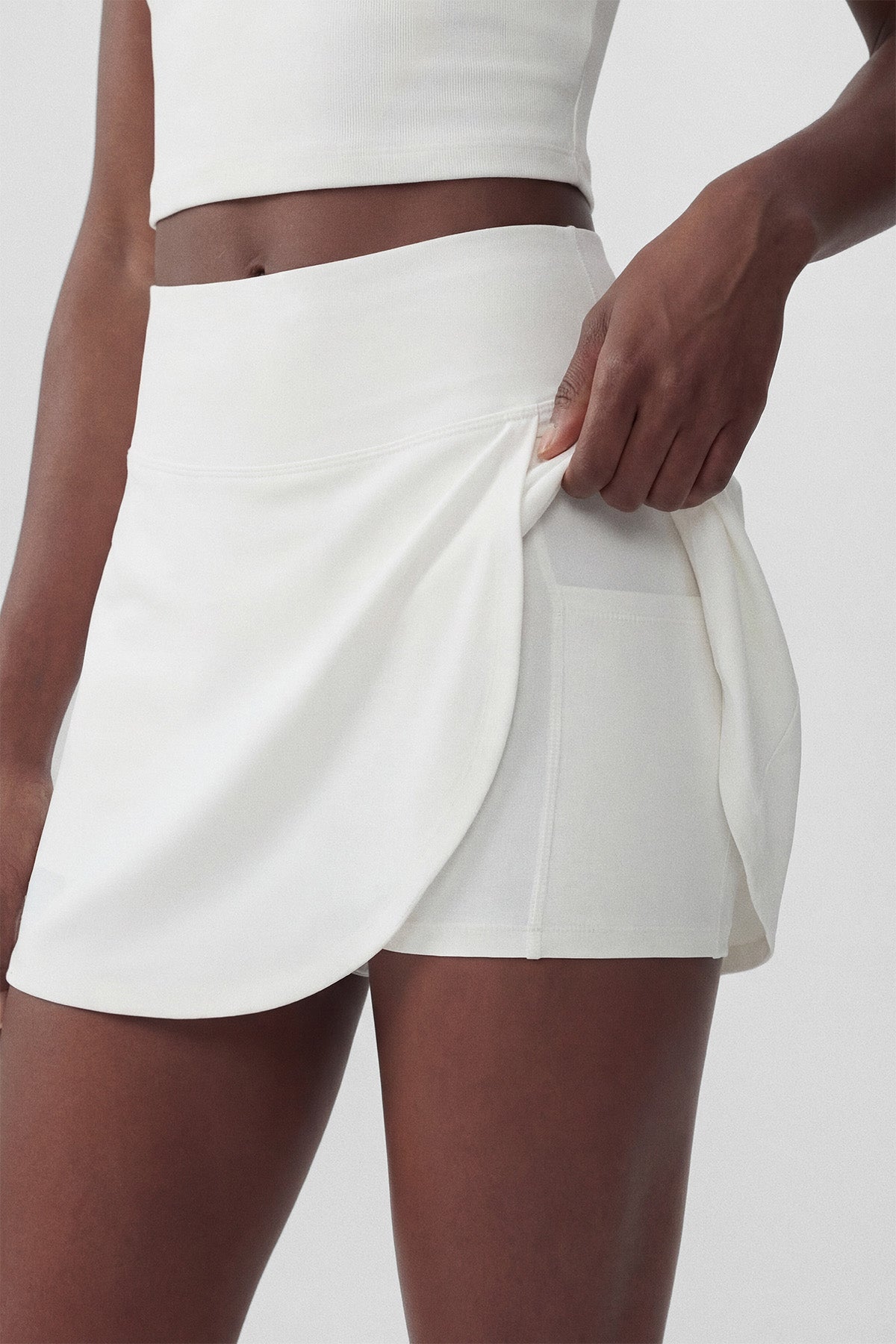
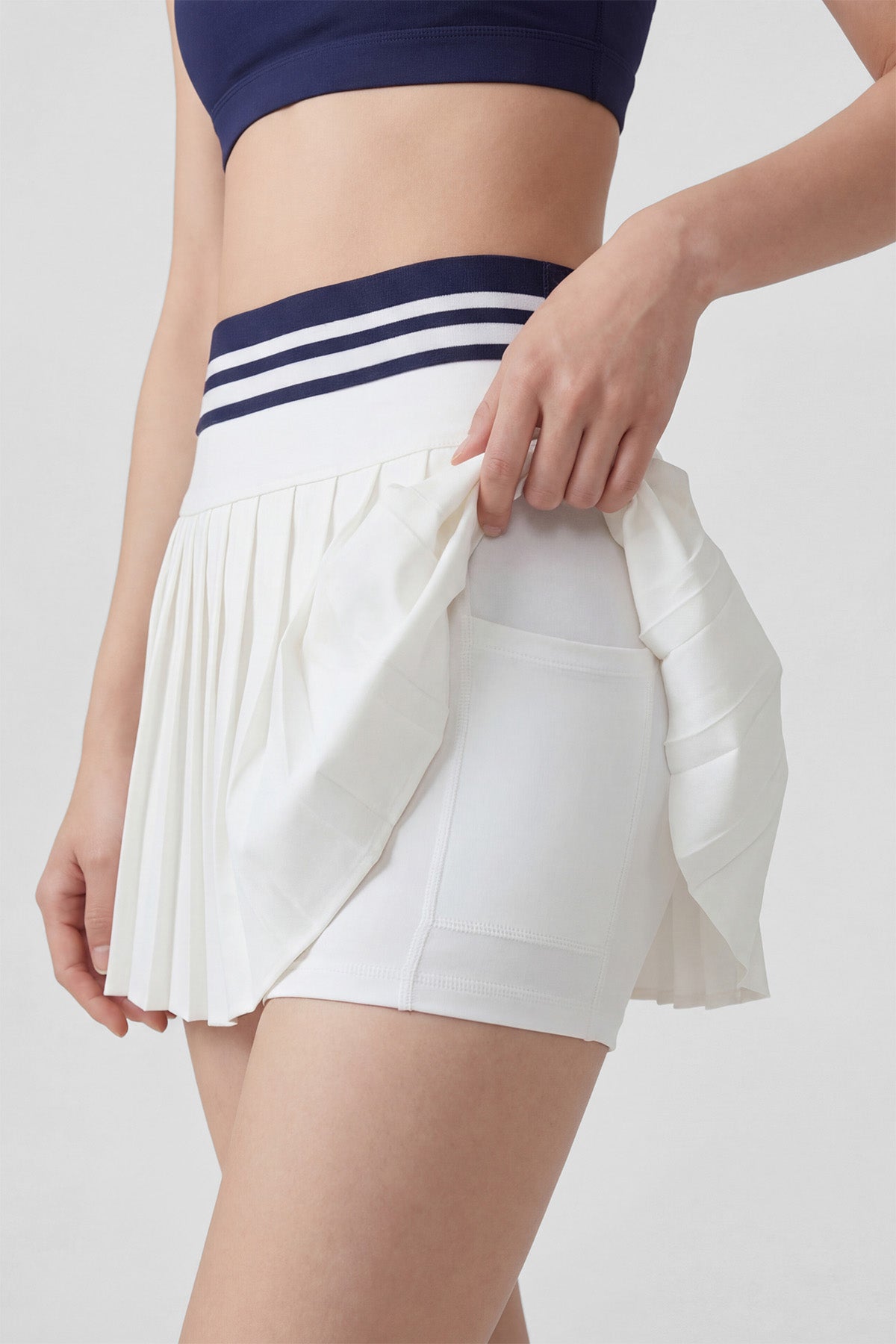
The outer skirt should skim, not cling. You want enough structure for a refined silhouette, but enough ease for unrestricted movement. Pleats, A-line cuts and clean wrap-inspired fronts each create a different look, yet they should all serve the same purpose: to move with you rather than against you.
The built-in short is the real test
A tennis skort may be judged by its outer shape, but the inner short does the hard work. It should sit securely at the thigh without riding up too quickly. Flat seams help reduce friction, especially in heat, and a smooth hand feel usually performs better than a stiff, overly compressive fabric.
Pay attention to where the short finishes on your leg. Too short, and it can bunch or shift. Too long, and it may show beneath the hem in a way that feels bulky rather than intentional. The best built-in shorts disappear into the design while still offering confidence and coverage.
Fabric should support performance, not just appearance
A skort can look elevated and still be made for match day. Fabric is where that balance is won. You want material with enough stretch to move freely, enough recovery to hold its shape, and enough breathability to stay comfortable through long sessions.
Lightweight performance fabric usually works best in Australian conditions, particularly during summer or on hard courts where heat builds quickly. Moisture management helps, but so does airflow. Details like micro-perforation panels or breathable inner shorts can make a noticeable difference when the temperature climbs.
A matte finish often reads more refined than high-shine fabric, and it tends to feel easier to style off court as well. If versatility matters to you, this is worth considering. A skort that moves neatly from court to coffee is not just convenient - it is often the piece you wear most.
Stretch and structure need to be in balance
Too much softness can make a skort lose shape by midday. Too much structure can make it feel rigid through movement. What you want is controlled stretch. The fabric should flex during play and return to form afterwards, without bagging at the hem or loosening through the seat.
This is especially important if you prefer a minimalist design. When a silhouette is clean and understated, fabric quality becomes more visible. There is nothing to hide behind. Every line, fold and movement shows.
Pockets are not optional
For tennis, a skort without a practical pocket often becomes frustrating very quickly. Ball storage should feel intuitive. If you need to awkwardly wedge a ball into the inner short or it shifts uncomfortably while you run, the design has missed the point.
The best pocket placements are discreet but functional. Side pockets built into the short are often the most effective because they keep the ball secure without disturbing the line of the skirt. Some players prefer a tighter pocket that holds the ball close to the body. Others like easier access for serving rhythm. Again, it depends on your habits.
If you also play padel or want broader versatility from your wardrobe, pocket function still matters, though perhaps in a different way. You may not need to carry balls in the same manner every session, but having secure, thoughtfully placed storage always improves wearability.
Style still matters - perhaps more than you think
Performance is essential, but feeling like yourself on court matters too. When a piece looks polished, you tend to wear it with more confidence. That affects posture, ease and how comfortably you move through the day around your game.
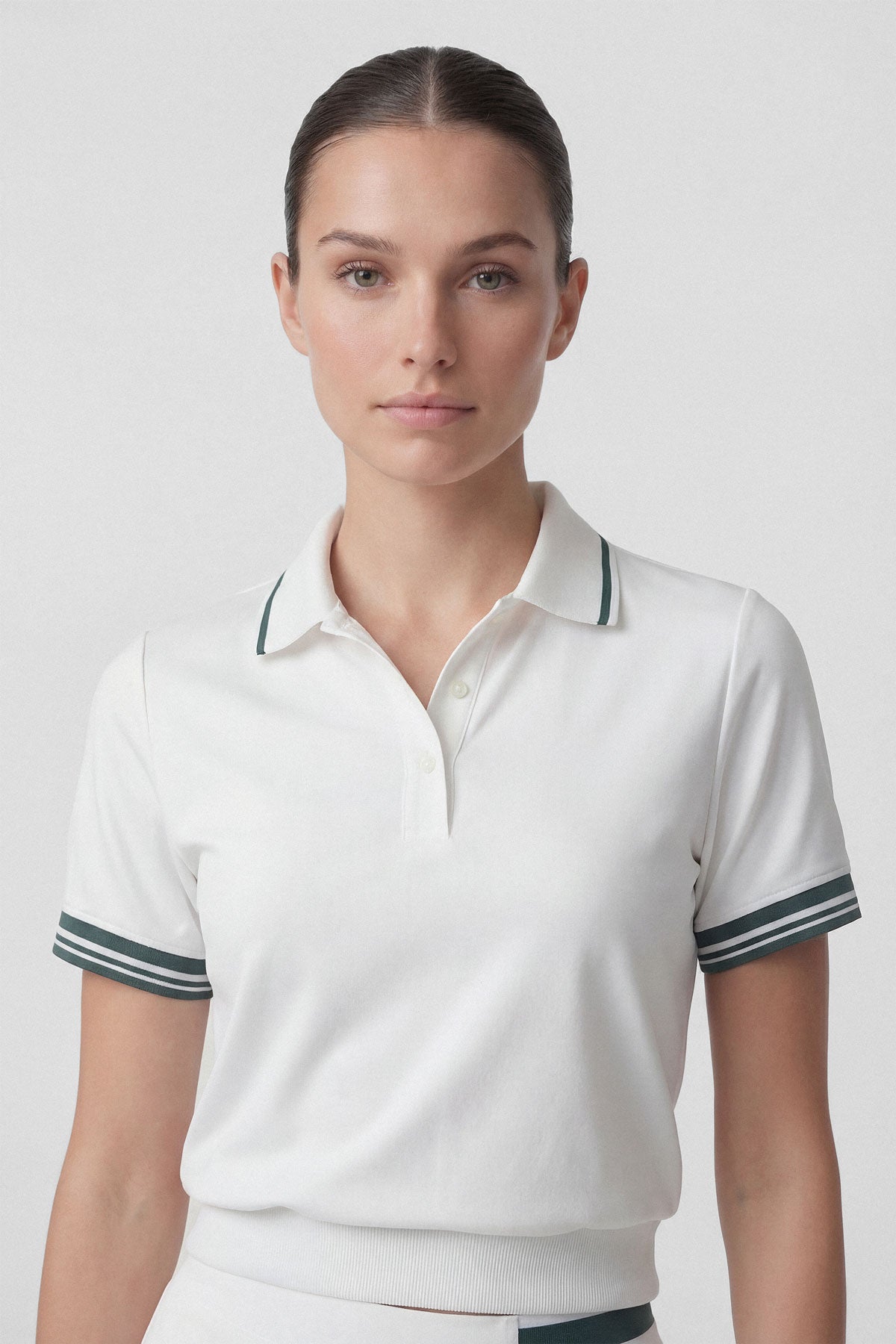
This is where silhouette becomes personal. Clean lines, minimal detailing and a refined shape often have more longevity than trend-led designs. They also integrate more naturally with the rest of a modern sports wardrobe. A skort that pairs as easily with a fitted polo as it does with a lightweight knit has a longer life beyond one season.
Colour plays a role as well. Neutrals, crisp whites and deep classic tones usually feel more versatile and elevated. Brighter shades can be striking, but they are often more specific. If you are building a considered wardrobe rather than buying for one-off novelty, versatility is a strong filter.
Choose a skort that works beyond the baseline
One of the clearest signs of a strong design is that it does not feel confined to one setting. A well-cut tennis skort should still look right off court, whether styled with a cap and knit or worn on the way to lunch after a match. That does not mean it should lose technical credibility. It simply means the design has been resolved properly.
Brands like Common Player understand this shift well. The modern player wants clothing that performs under movement and still presents with polish. That is no longer a niche expectation. It is the standard thoughtful women increasingly expect from sport-specific apparel.
What to try on before you commit
When you are deciding how to choose tennis skorts, do more than stand in front of a mirror. Move. Bend into a low volley position. Twist through a serve motion. Jog a few steps. Reach into the pocket. Sit down. These small checks tell you far more than the static fit.
Notice whether the waistband stays put, whether the hem flips too much, and whether the inner short feels secure without cutting in. If anything distracts you during these basic movements, it will only become more obvious during play.
It is also worth thinking about what you usually wear with it. A high-waisted skort may suit cropped or semi-fitted tops better. A more streamlined skirt can balance well with a slightly more relaxed polo. The goal is not to overstyle it. The goal is to make sure the proportions feel natural on your body.
The best skort is the one you stop thinking about
There is no single perfect tennis skort for every player. Some women want more coverage, some want less structure, some prioritise pockets above all else, and some care just as much about the line of the silhouette as they do about compression. That is not indecision. It is personal performance.
Choose the piece that lets you move freely, feel composed and walk off court still looking like yourself. When a skort gets all of that right, it becomes less about activewear and more about a uniform you genuinely want to wear.
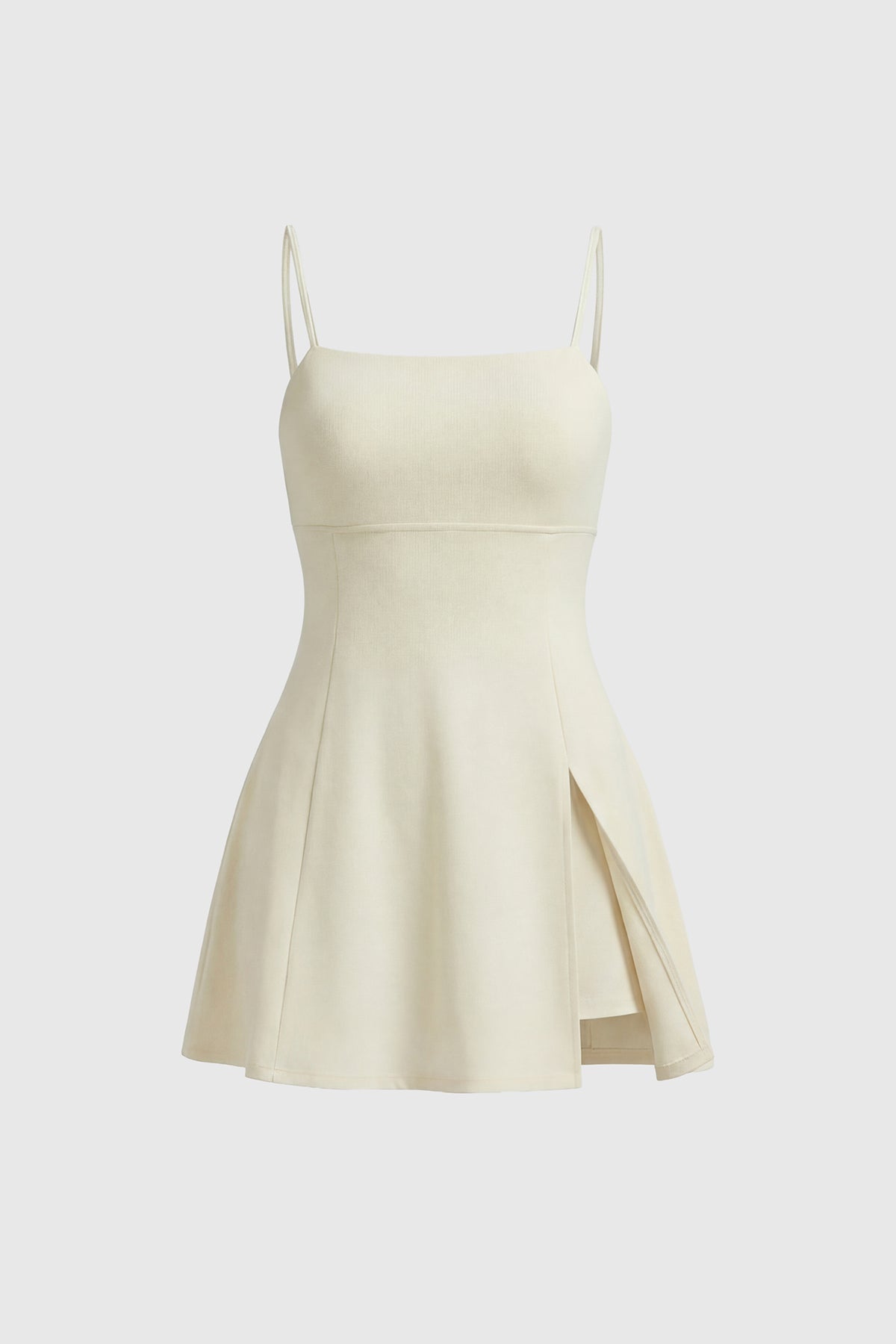
Read more
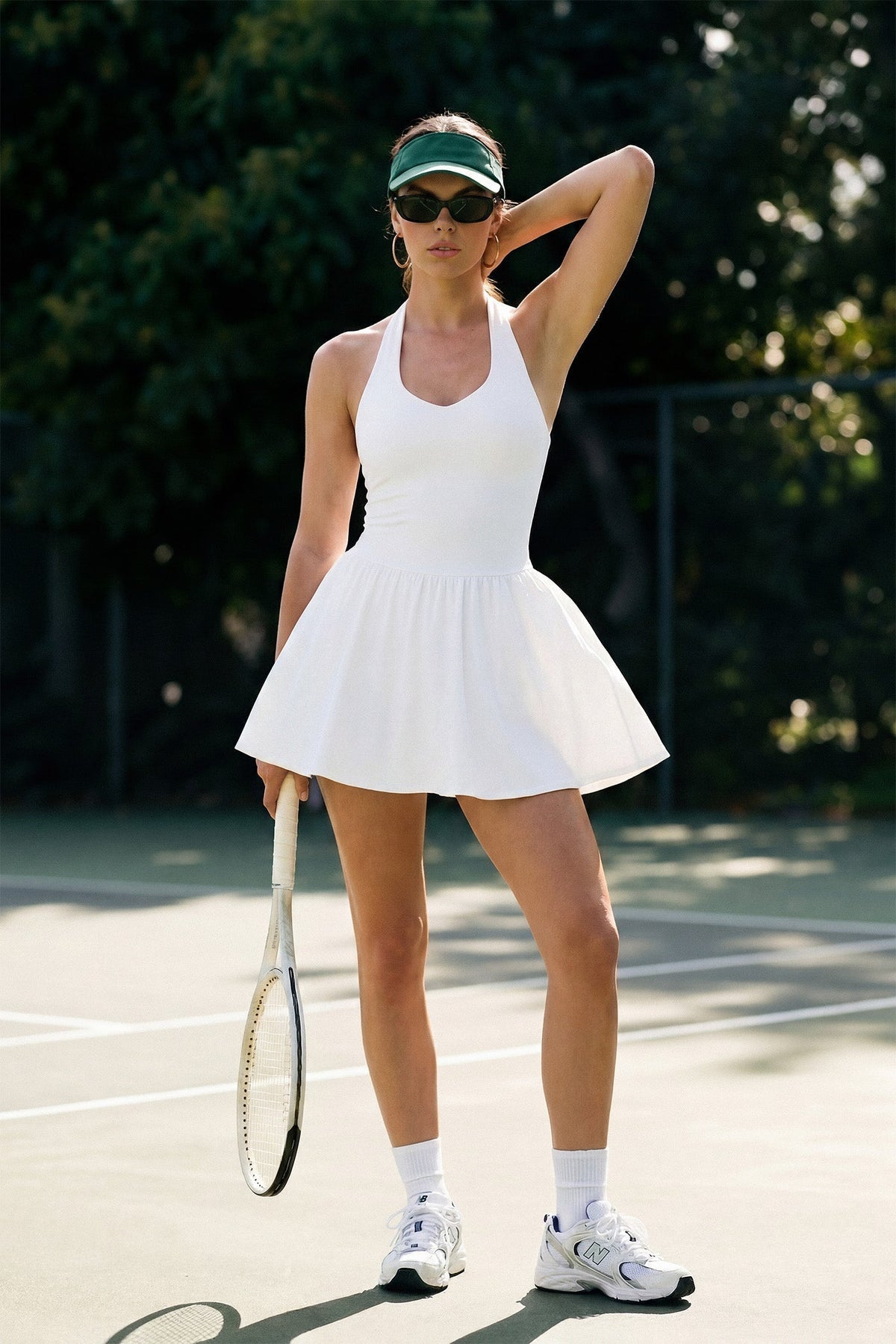
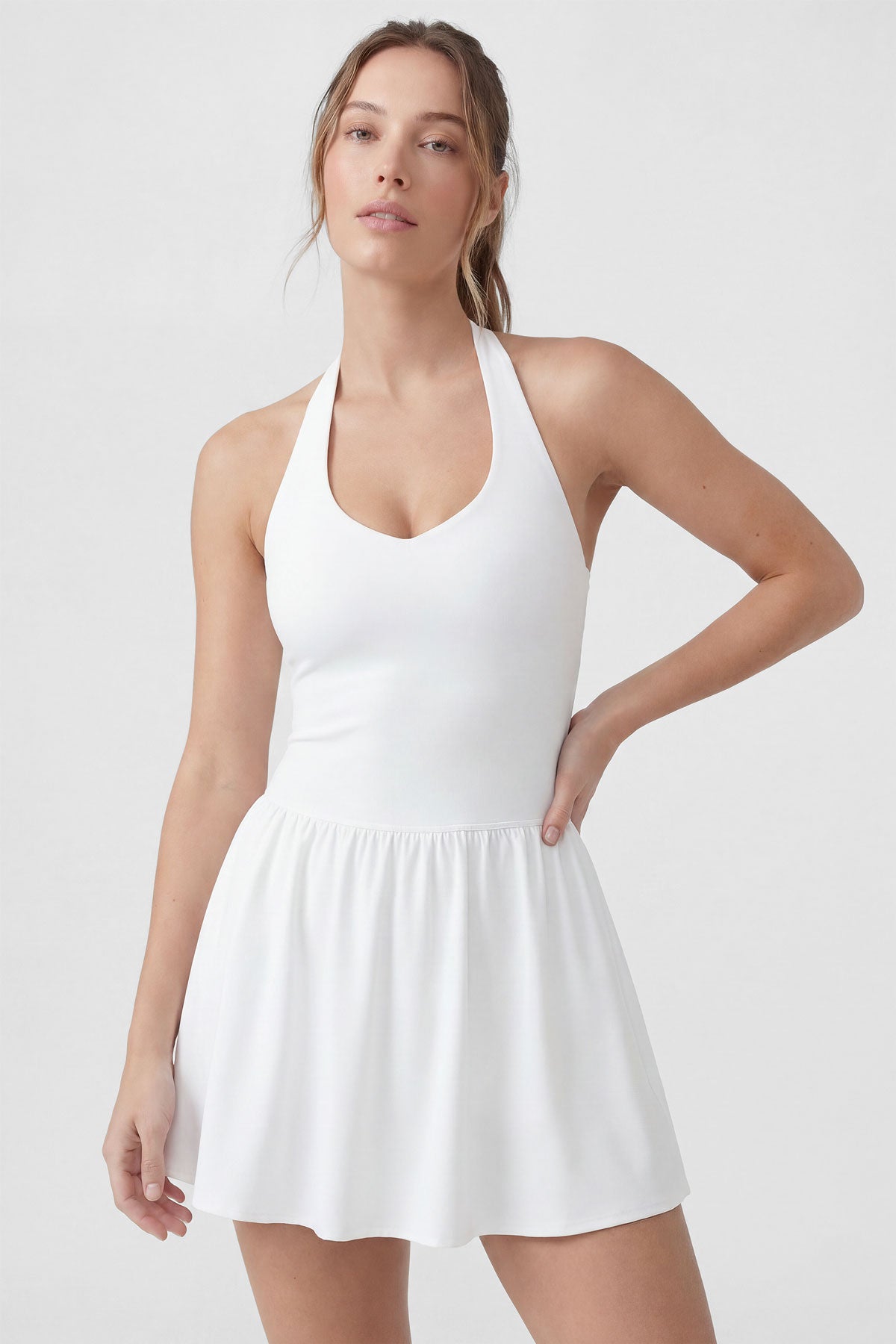
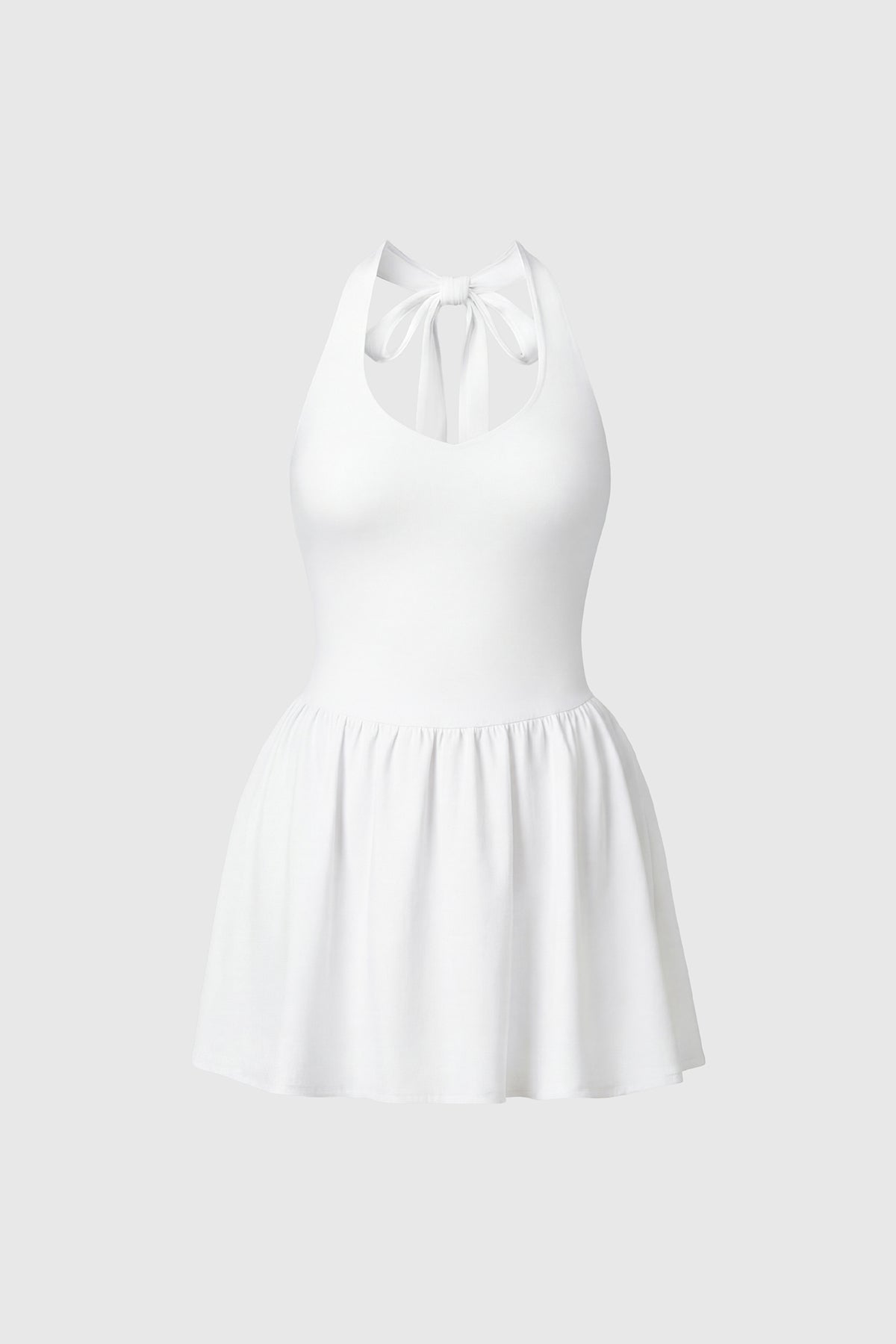
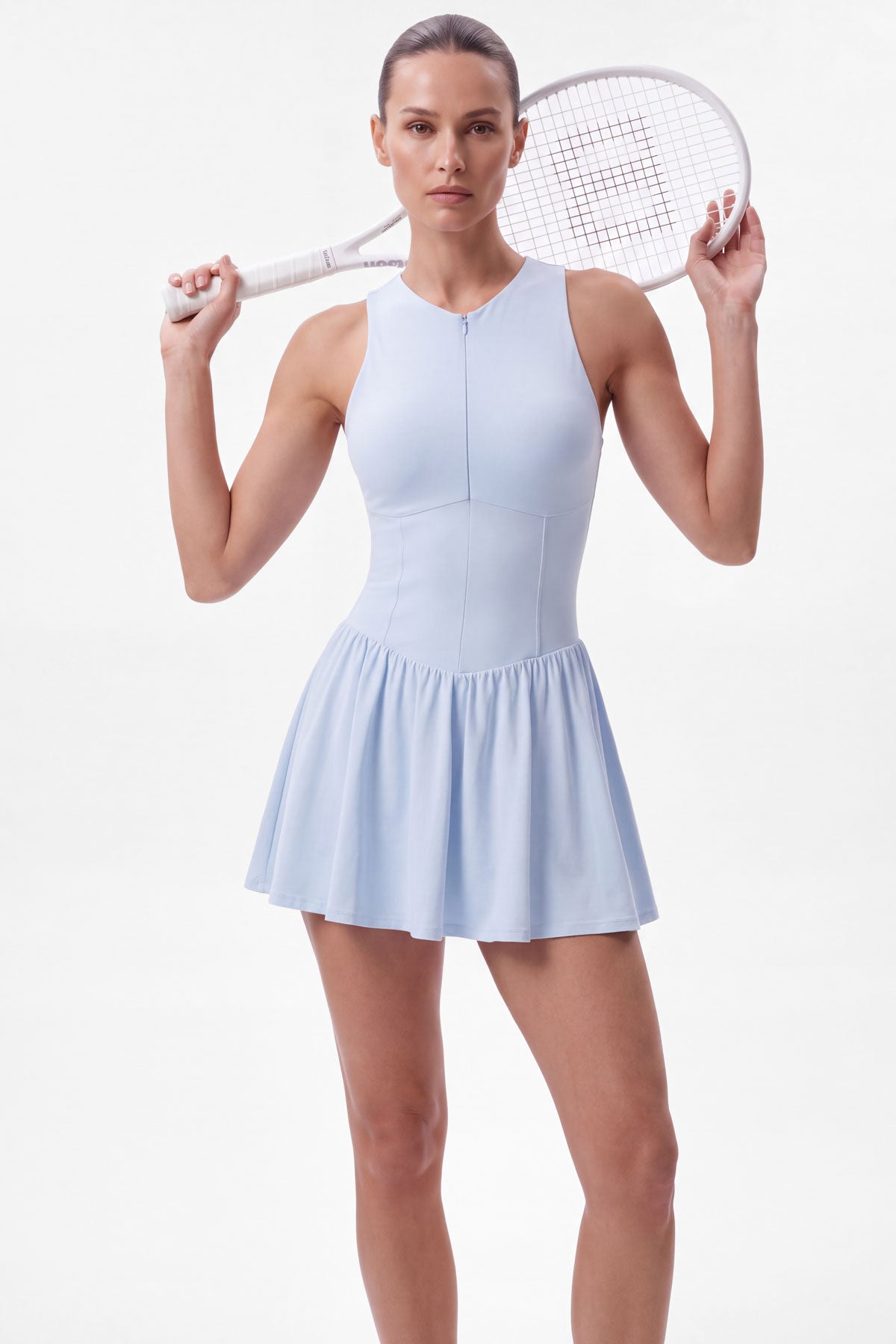
Find the best women's tennis dresses for fit, support and style. A refined guide to match-ready dresses that perform on court and off.
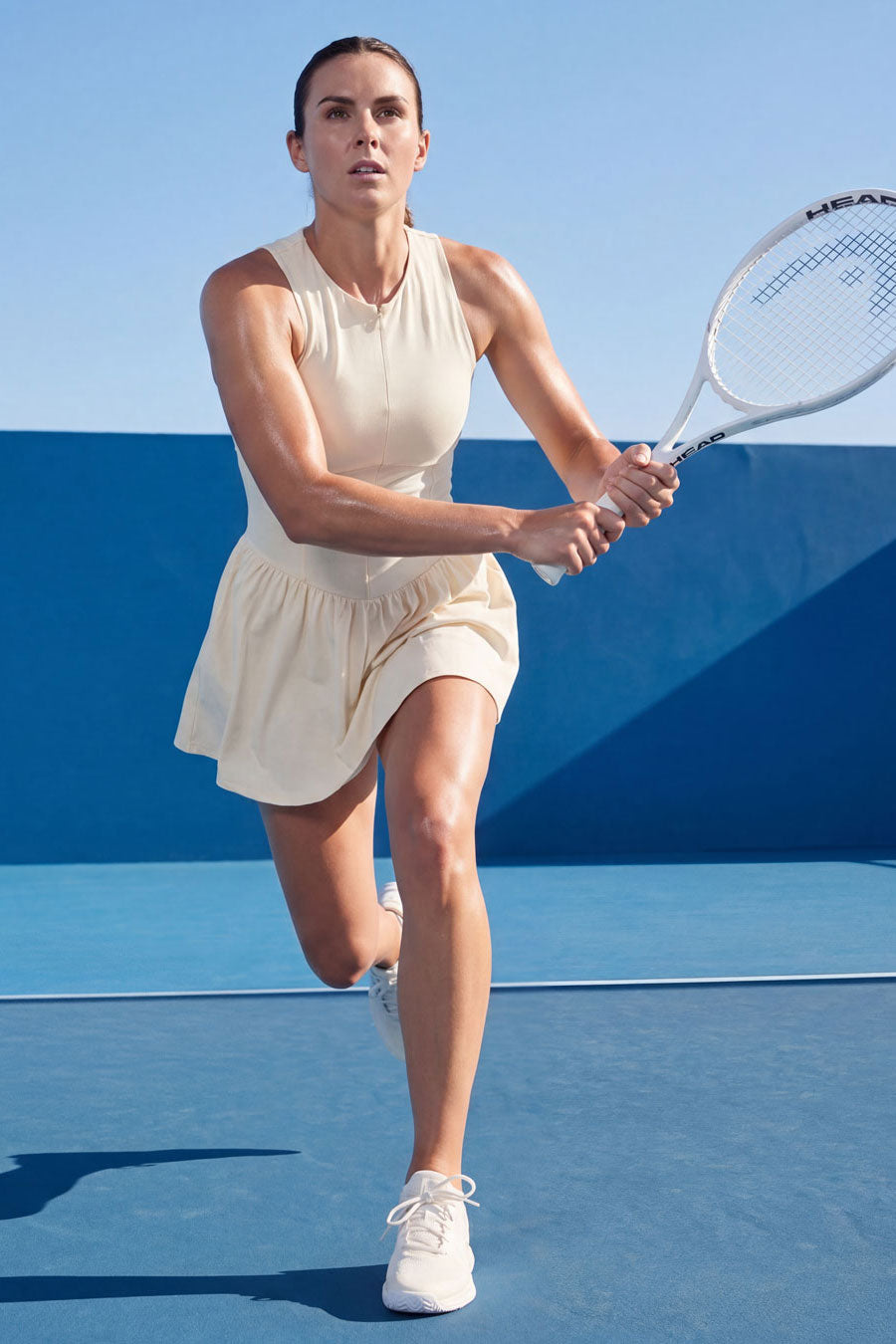
Tennis dresses with pockets bring style and function together, giving modern players comfort, ball storage and a polished look on court.