

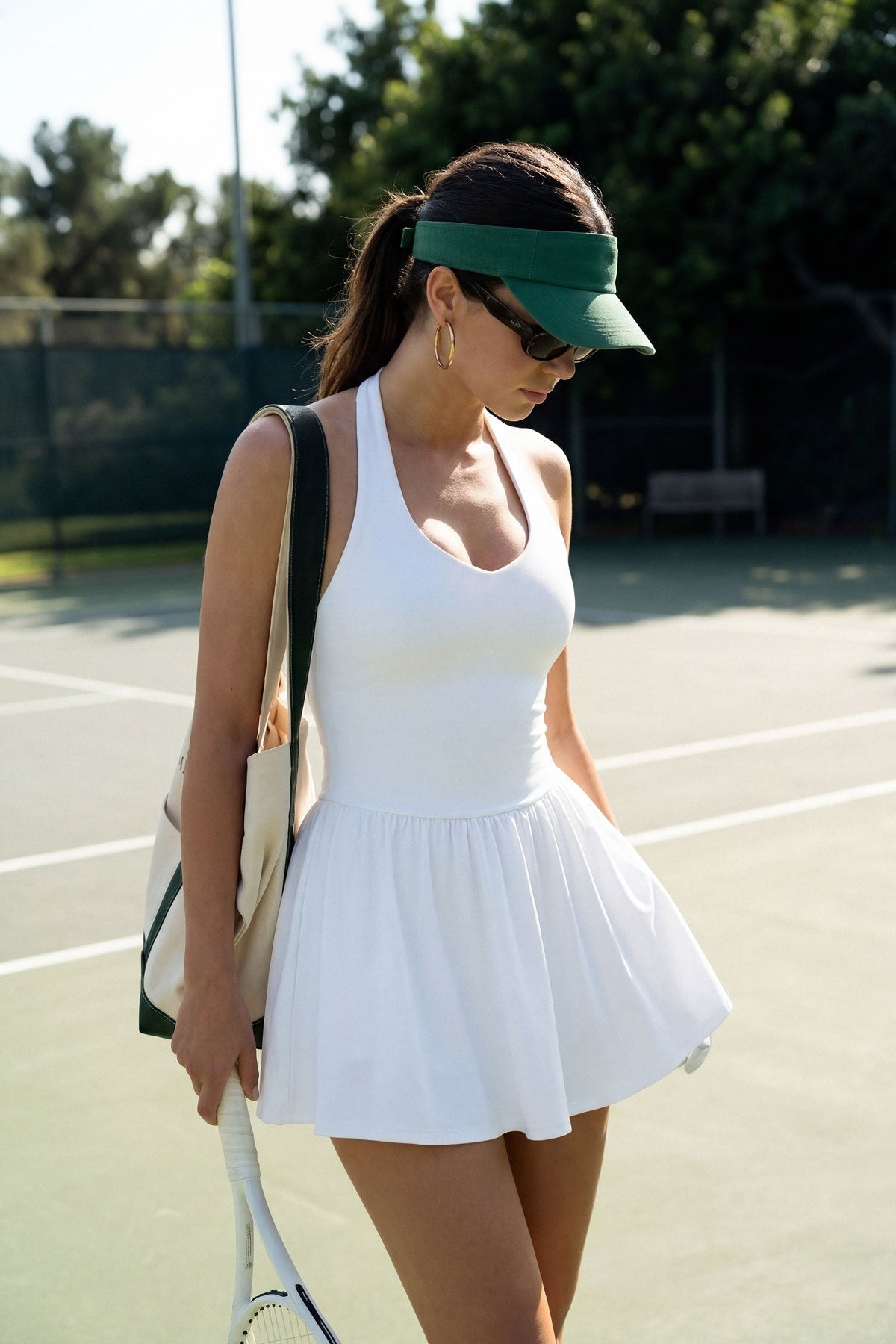
Tennis Dress vs Skort: Which Feels Better?
Match day usually tells the truth. A piece can look perfect on the hanger, but if it shifts during serves, rides up in rallies or feels overworked by the second set, it is not the right uniform. That is why the tennis dress vs skort question matters more than trend cycles. For most players, the better choice comes down to how you move, how you like to feel on court and whether you want one piece that does everything or separates you can adjust.
For the modern player, this is less about rules and more about precision. A tennis dress can feel clean, streamlined and quietly polished. A skort can feel adaptable, secure and easier to personalise. Both belong in a considered sports wardrobe. The difference is in how they carry you through the match and the rest of the day.
Tennis dress vs skort: what actually changes on court
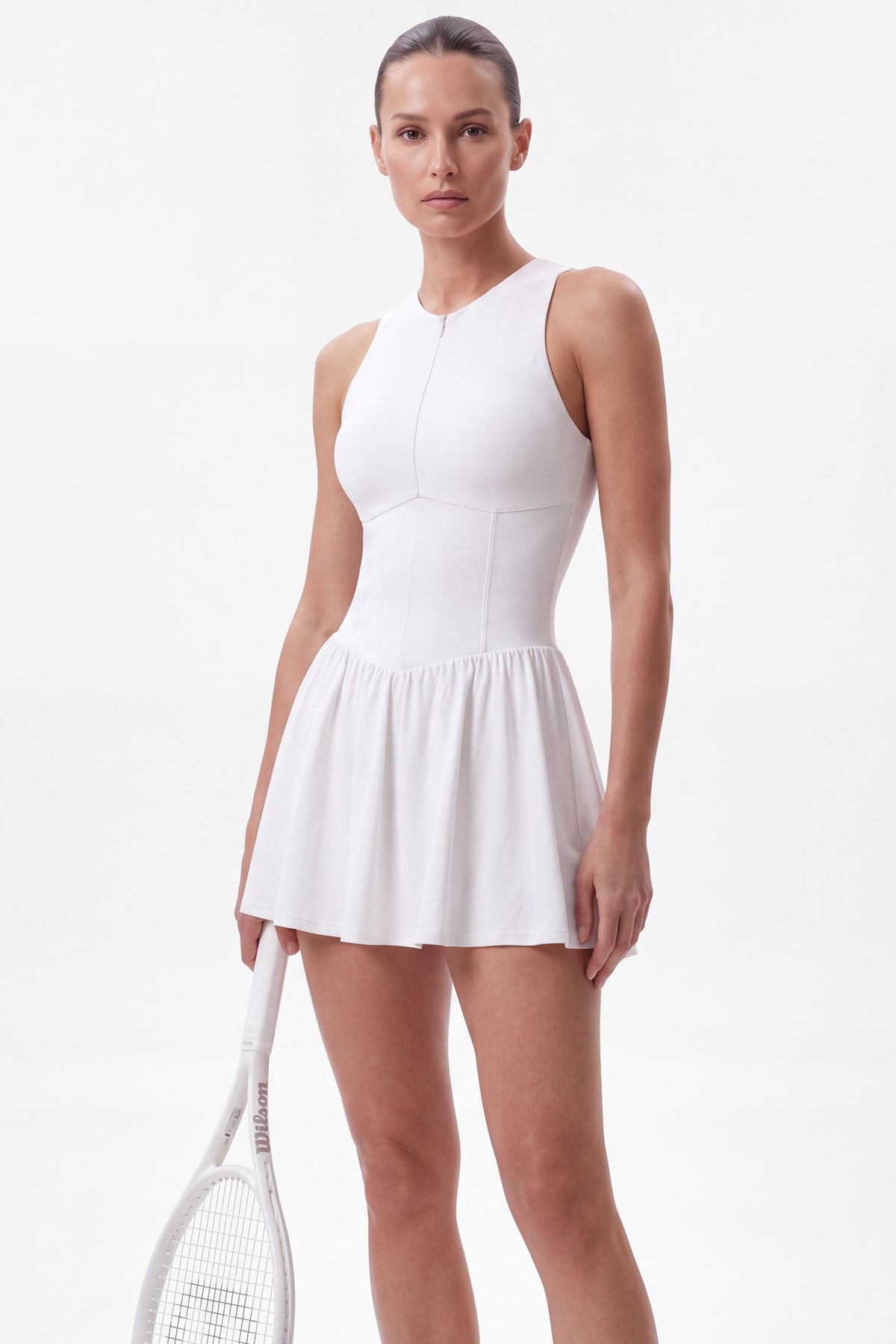
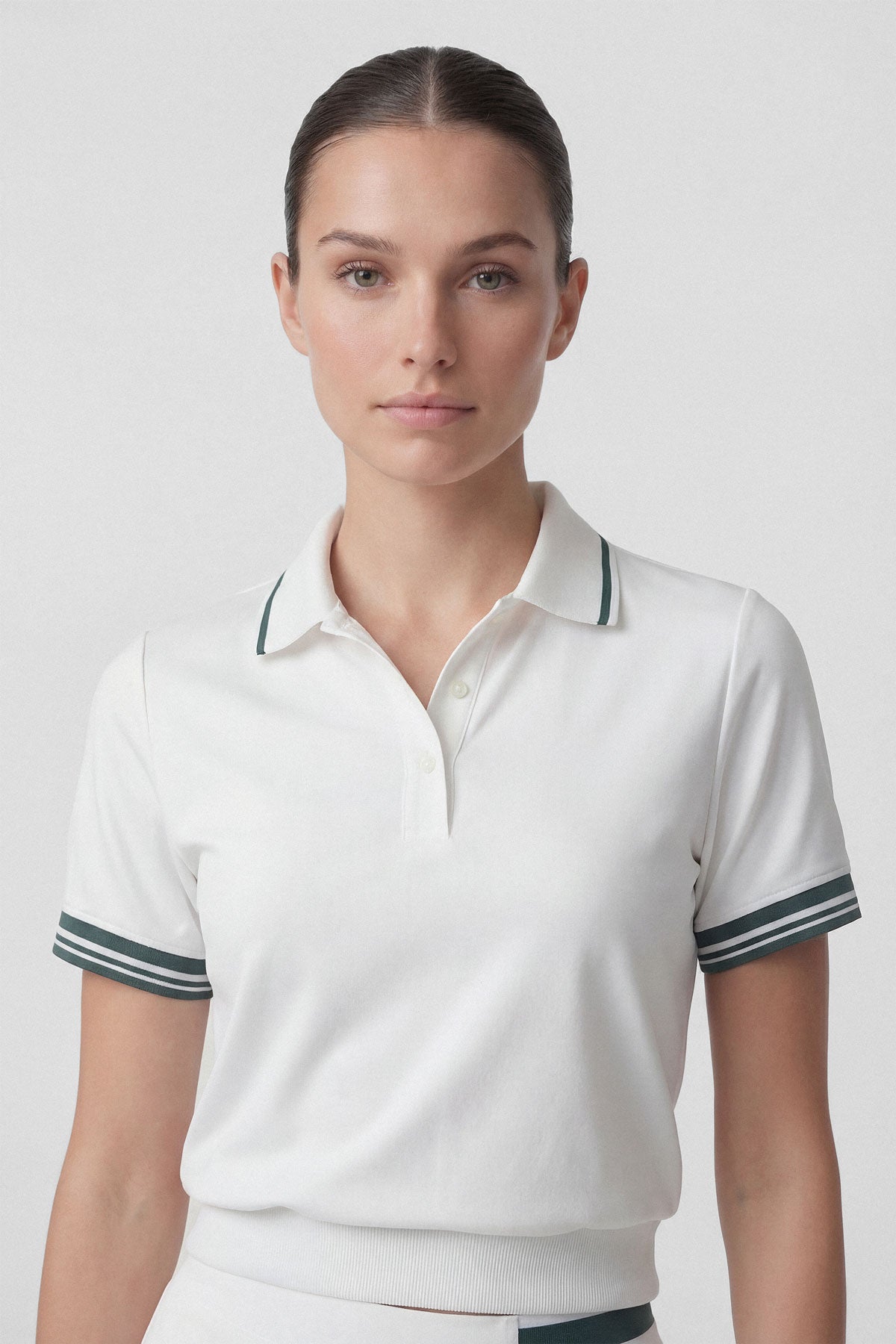
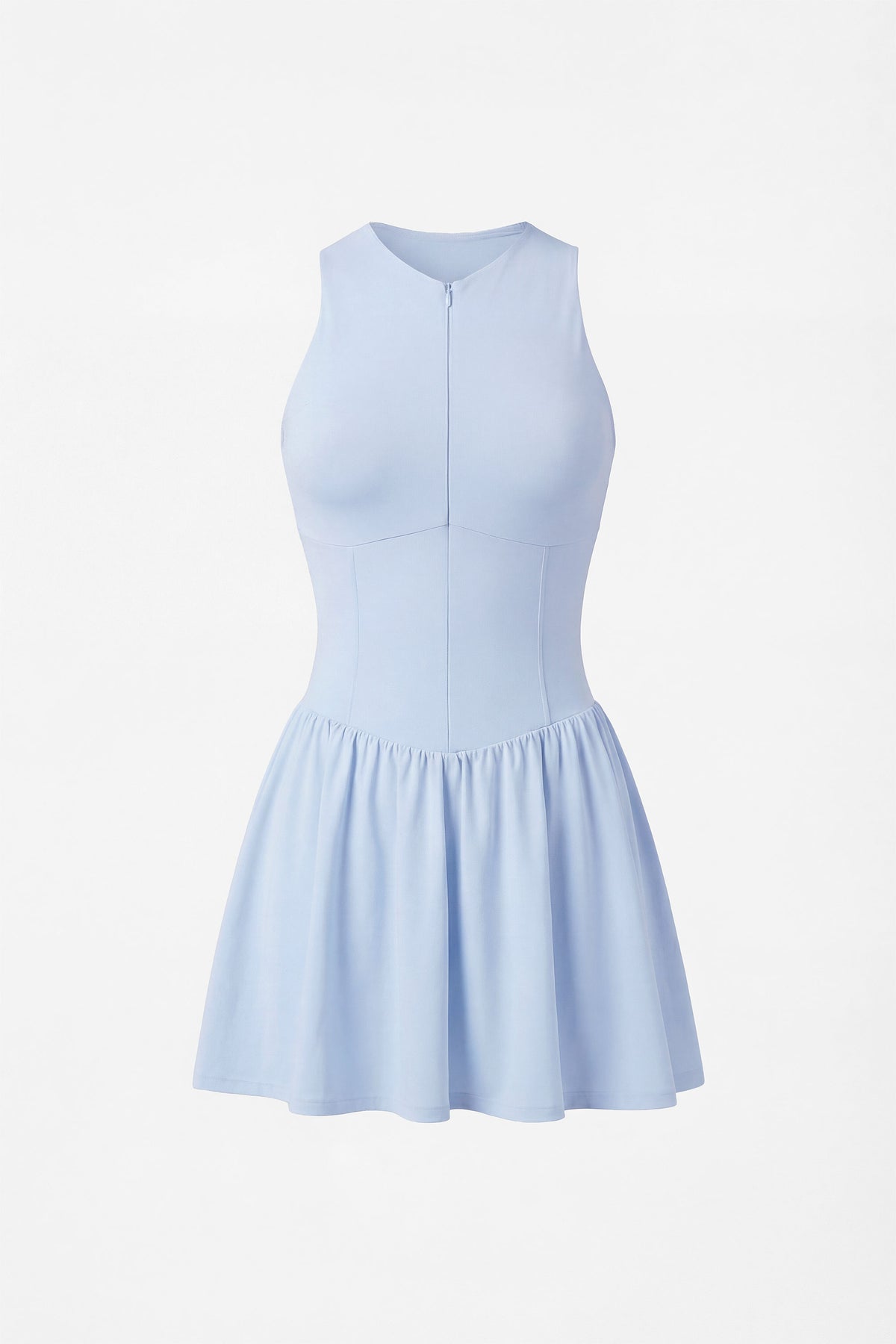
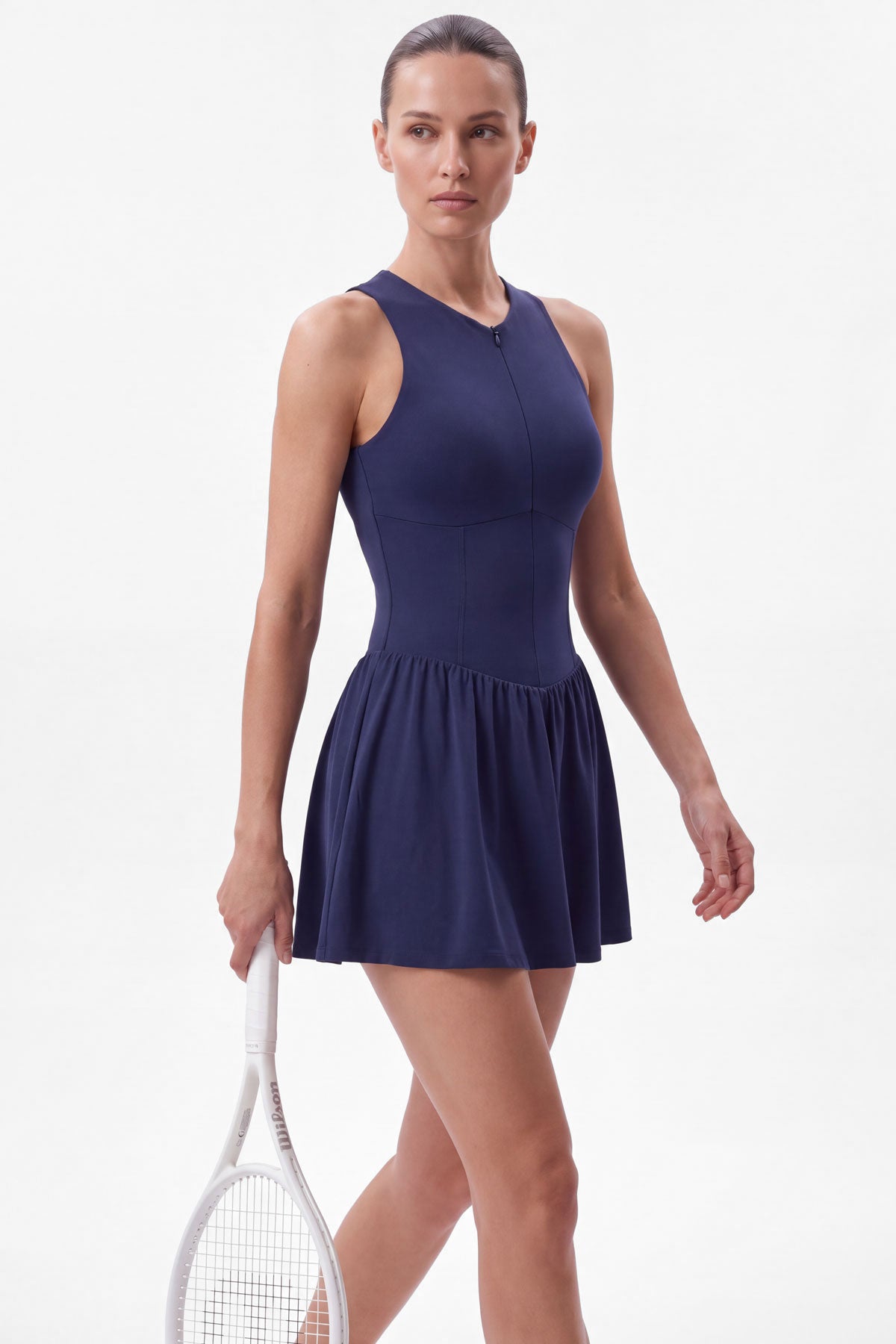
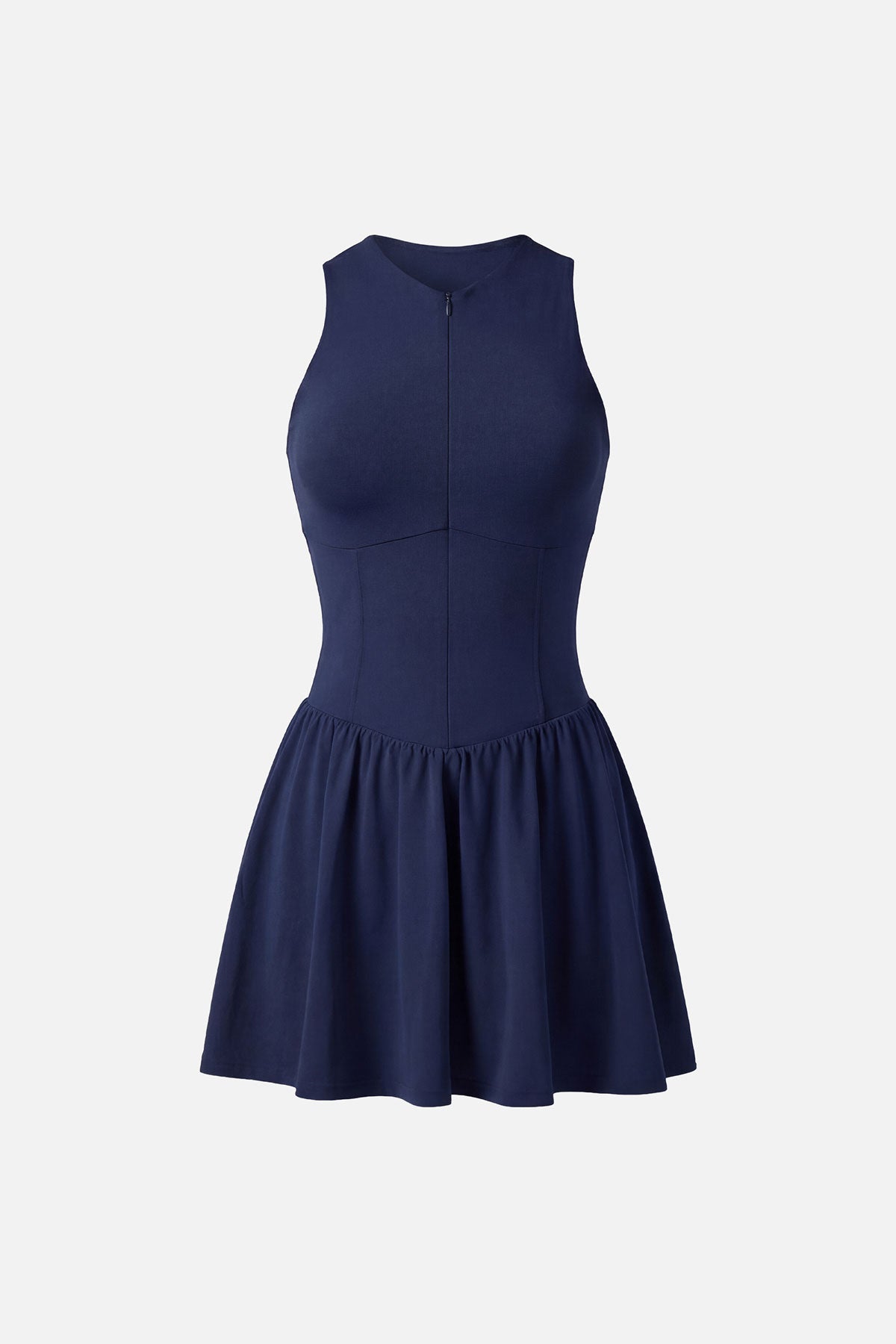
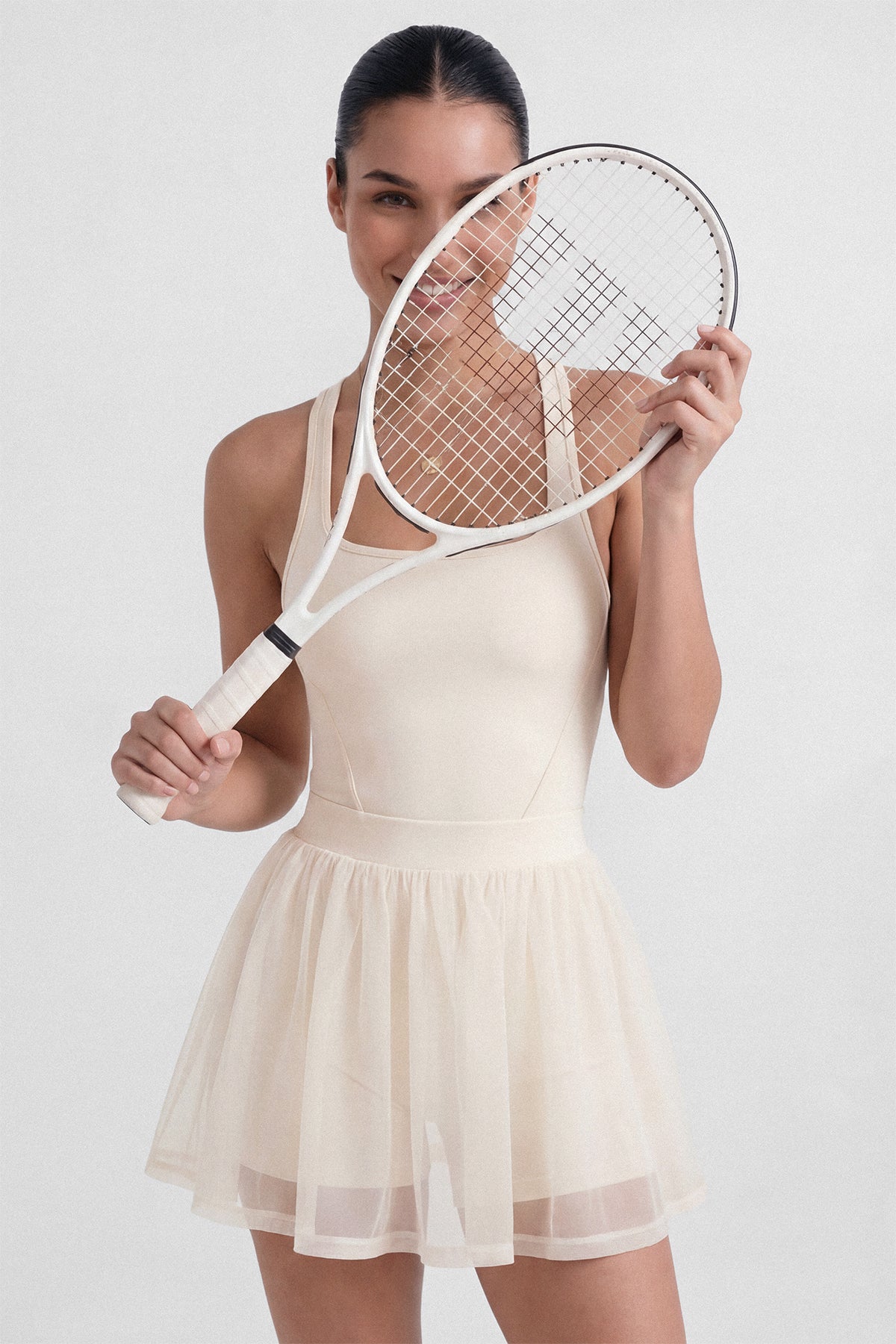
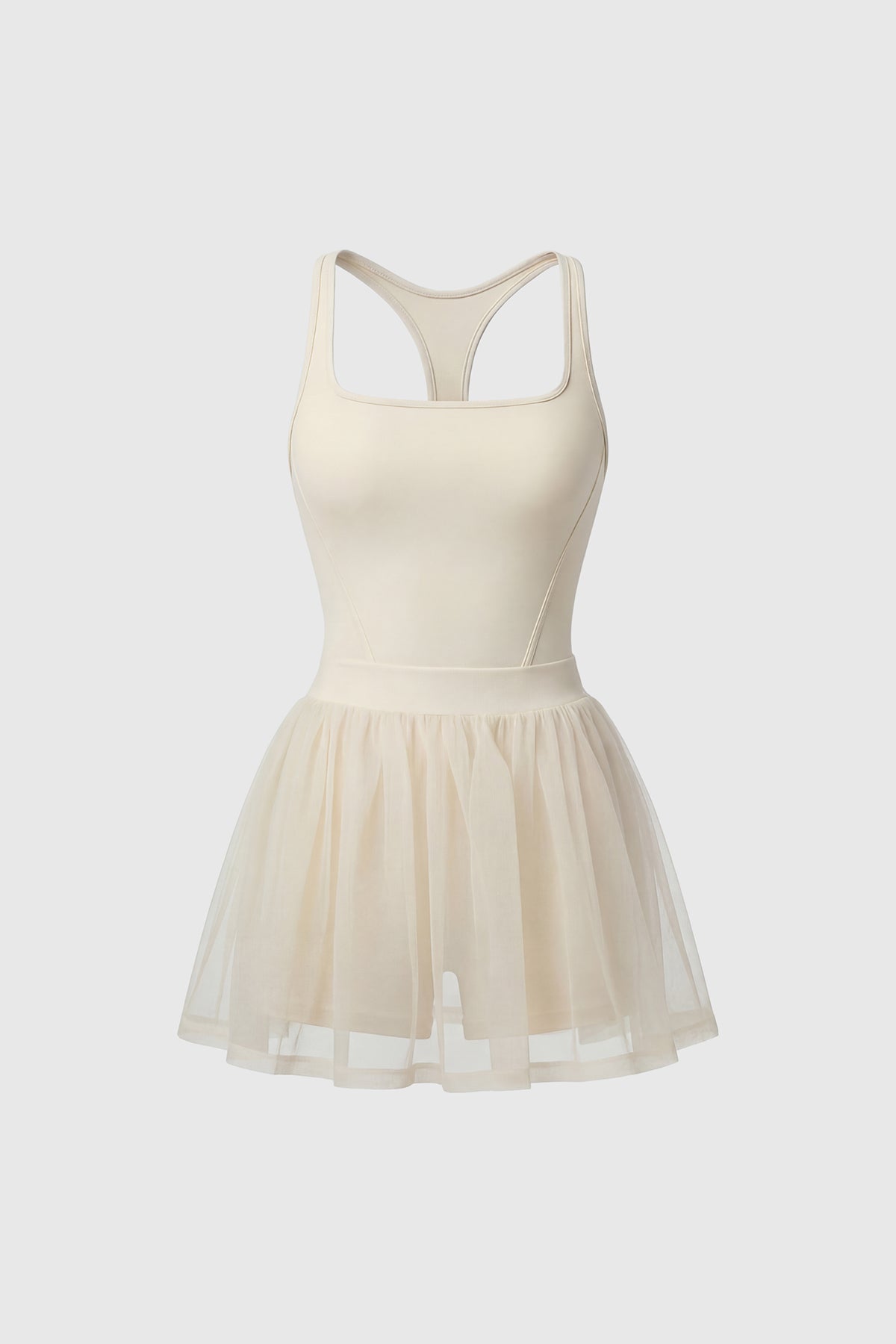
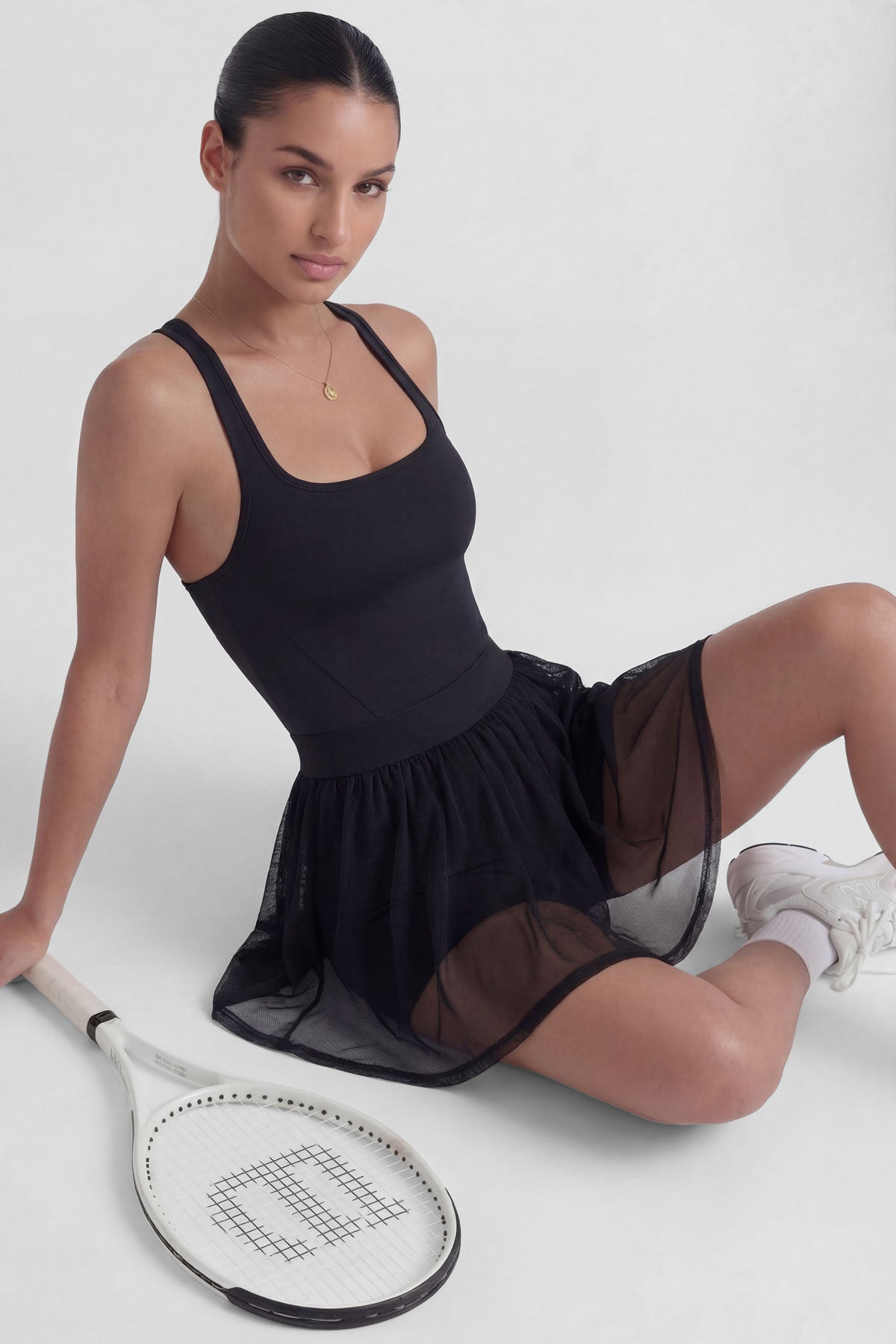
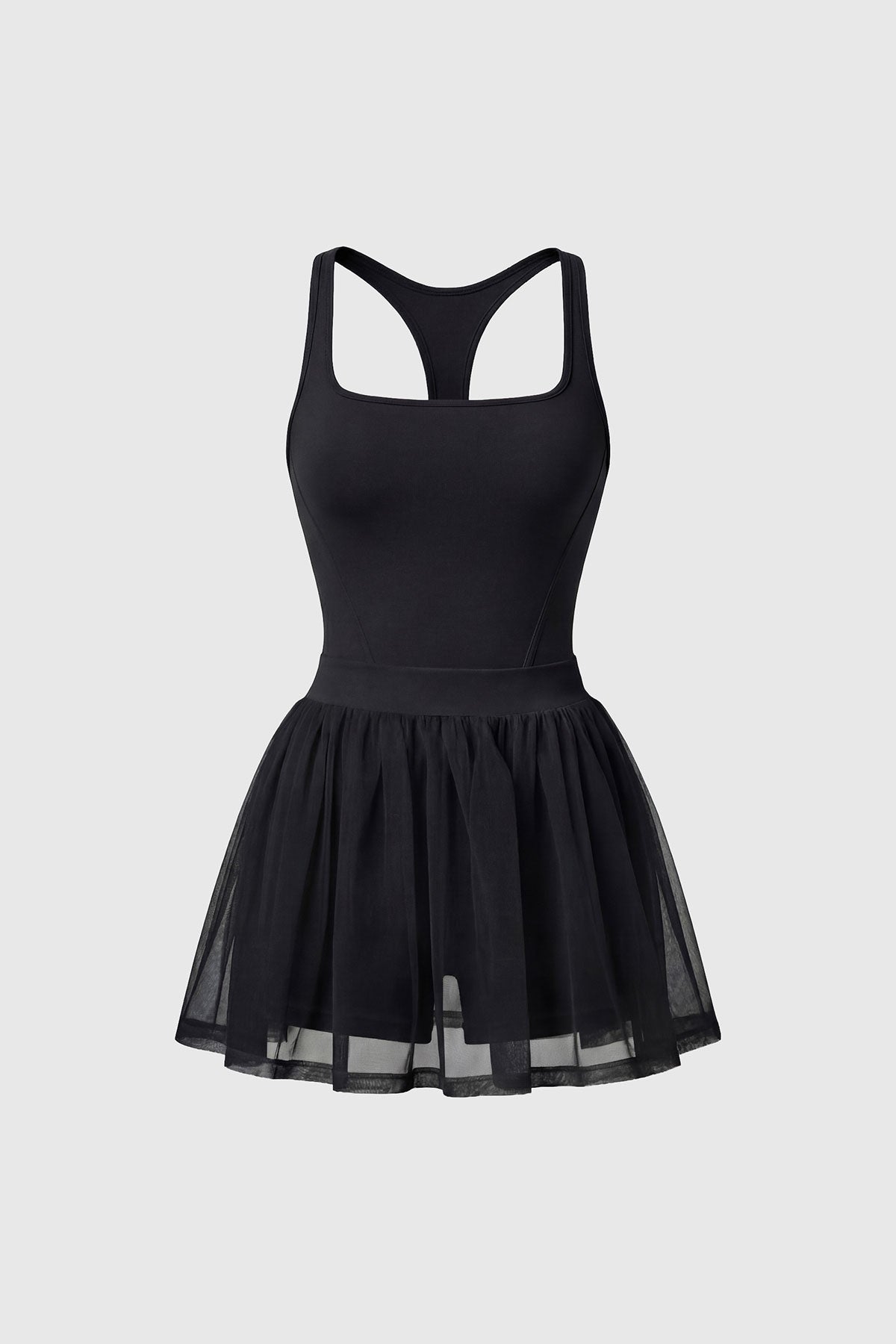
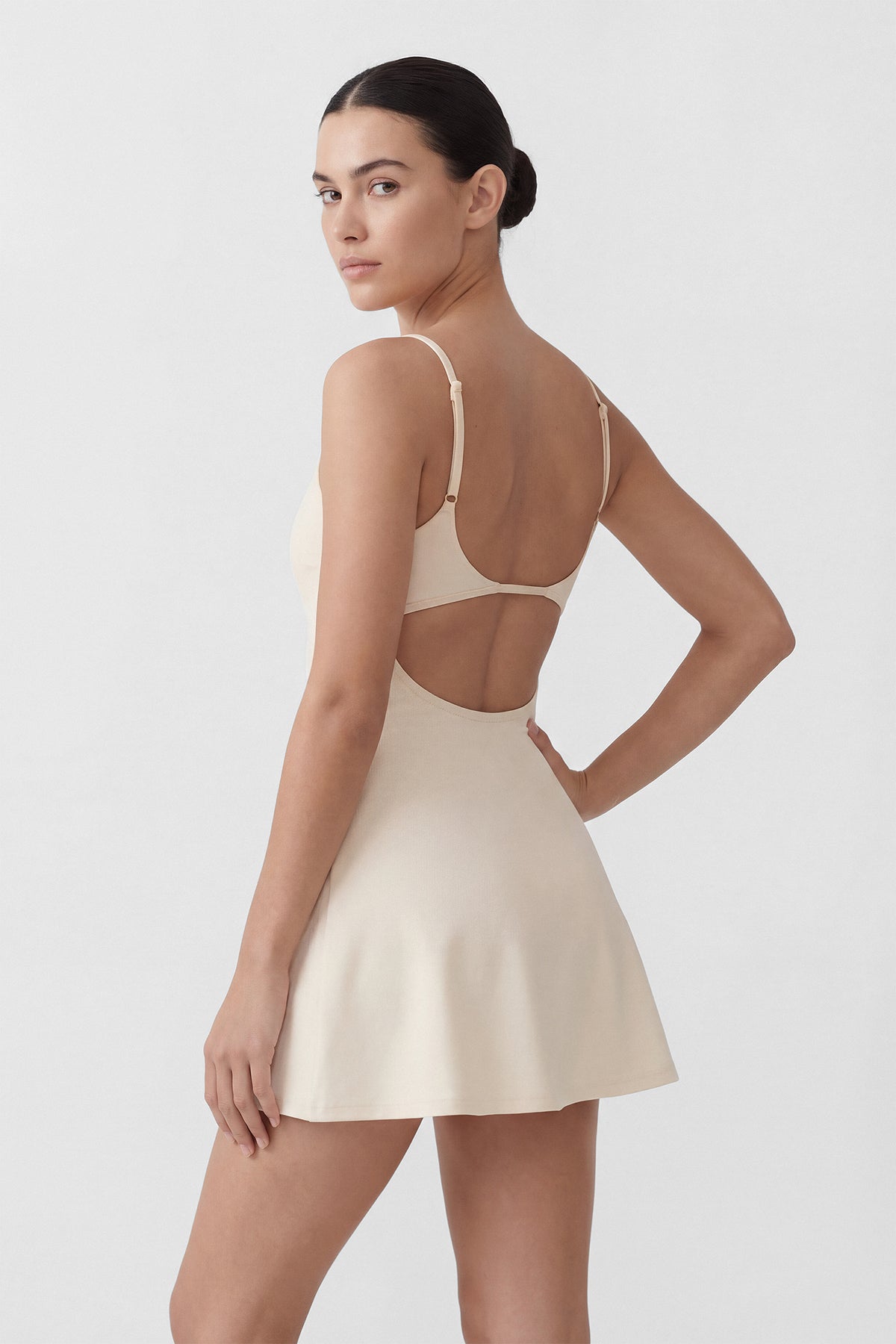
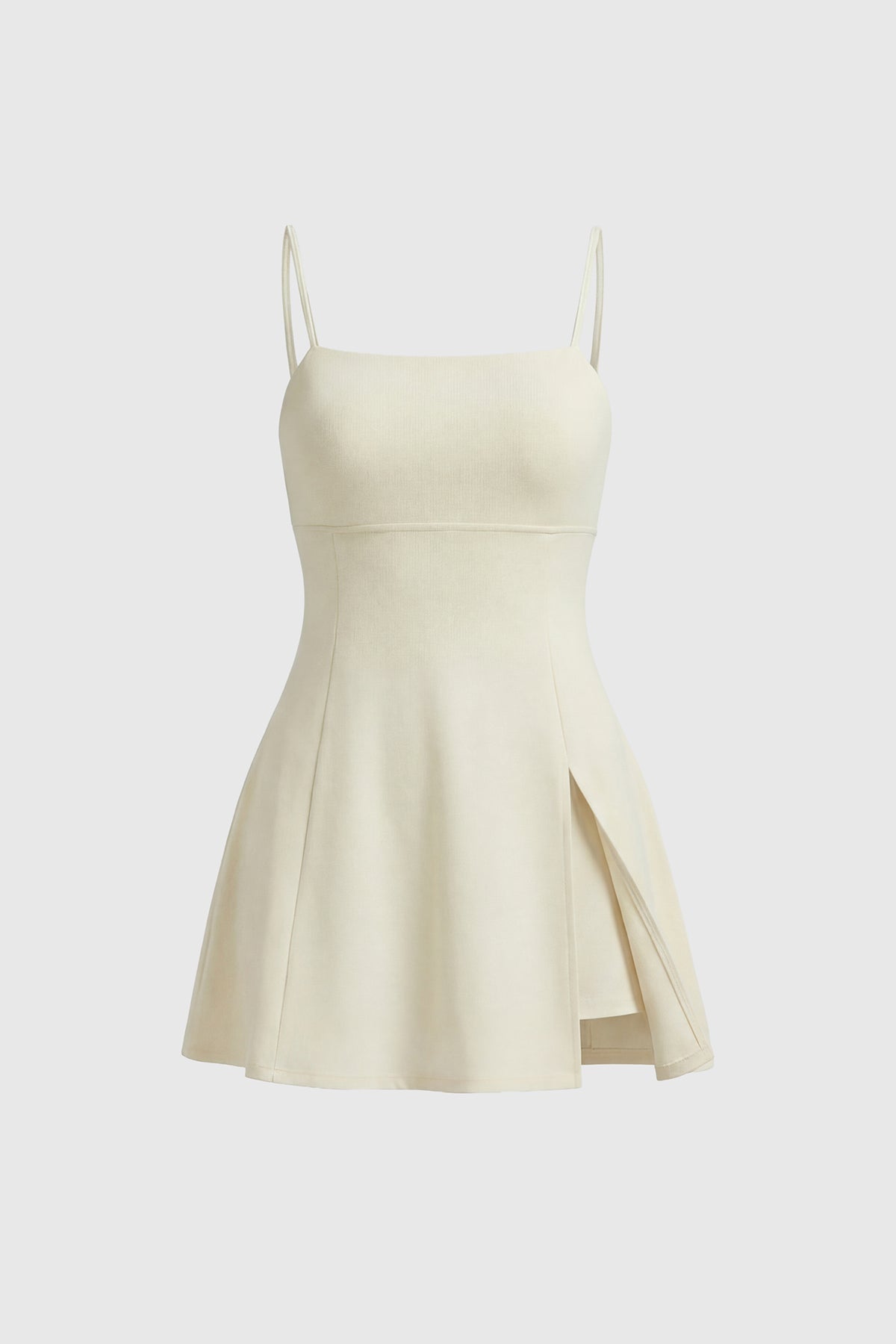
The most obvious difference is structure. A tennis dress gives you a single silhouette from shoulder to hem, often with built-in shorts and sometimes internal support through removable cups or a shelf layer. A skort separates the upper and lower half, which gives you more control over fit, compression and coverage.
That structural difference affects movement in subtle ways. A well-cut tennis dress can feel effortless because there is less to adjust. Nothing is digging into your waist, and the line of the body stays uninterrupted through serves, lunges and changes of direction. If you like your outfit to feel composed with minimal thought, a dress often wins.
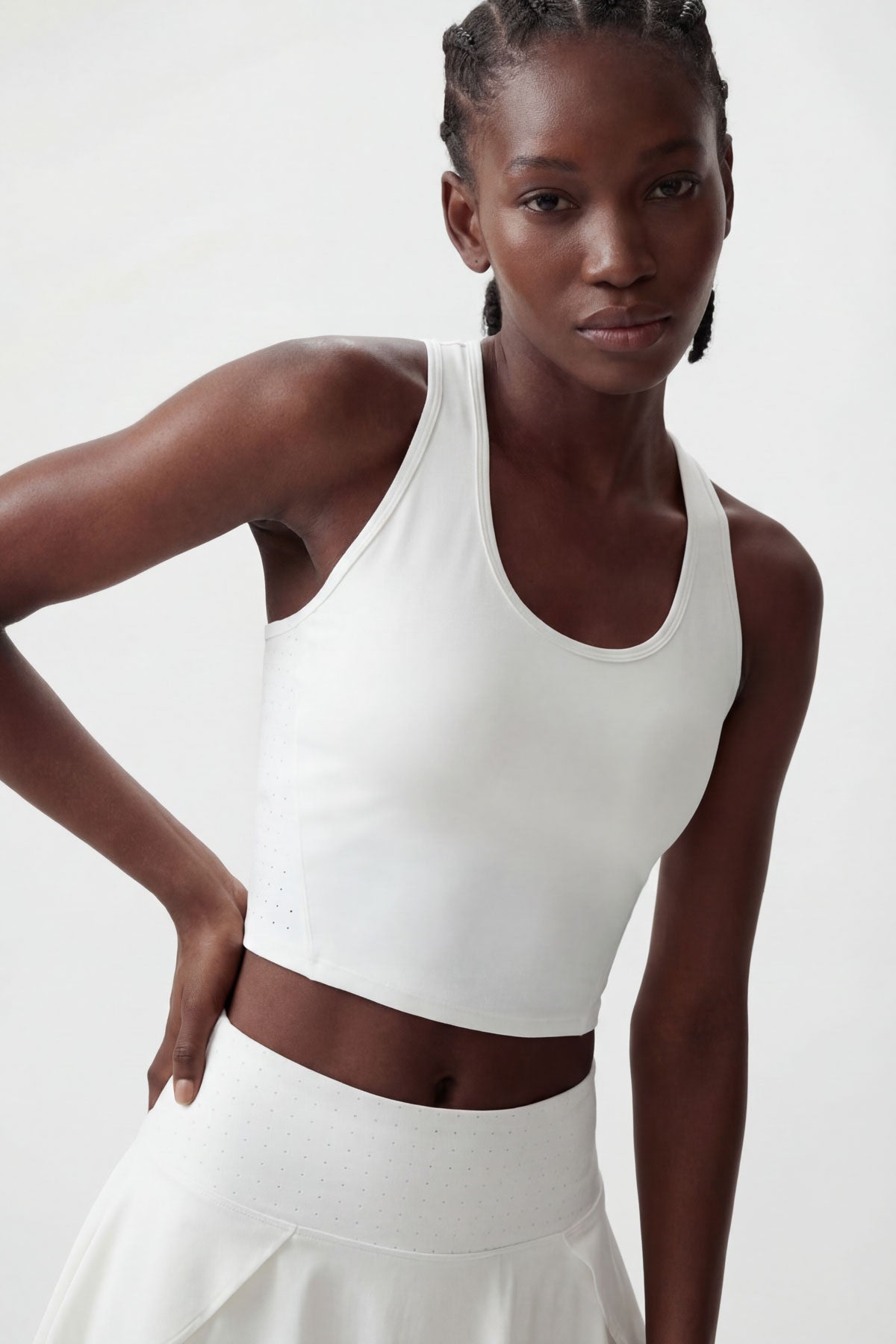
A skort, on the other hand, gives flexibility. You can pair it with a crop polo or fitted tank depending on the weather, the level of support you want and the look you are after. For some players, that modular feeling is more practical. If your ideal court wardrobe shifts between training, social hits and club competition, a skort can work harder across more settings.
When a tennis dress makes more sense
There is a reason the tennis dress remains a favourite. It creates a refined, elongated line and removes the visual break of a waistband, which many players find more flattering and less distracting. It also simplifies dressing for sport. You put it on, adjust your straps if needed, and you are ready.
On court, that simplicity can translate to focus. If the dress is designed properly, with built-in shorts that stay in place and fabric with enough stretch to move freely, it can feel lighter than separates. There is less layering around the waist, and often a cleaner fit through the torso. In warmer conditions, that can be especially appealing.
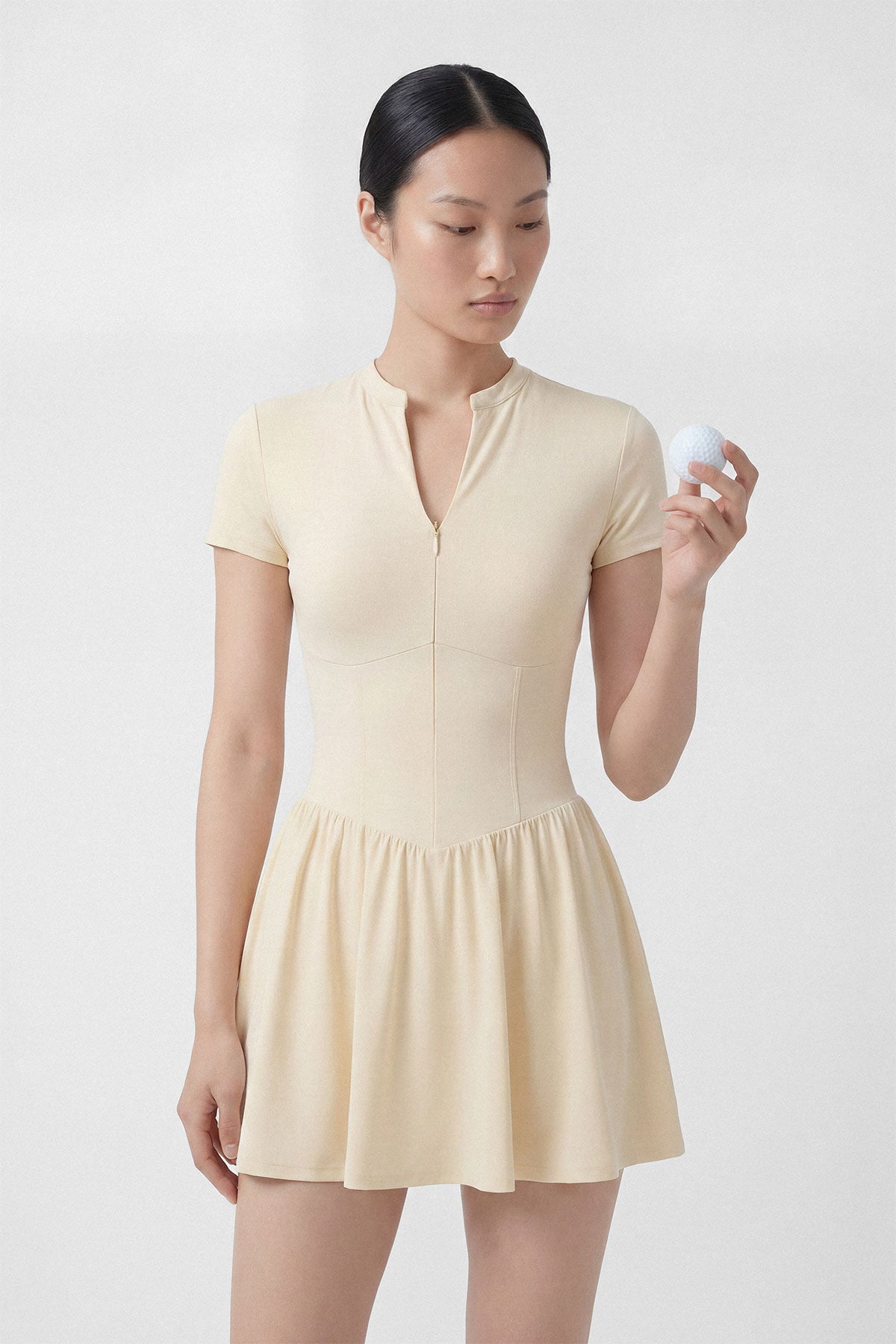
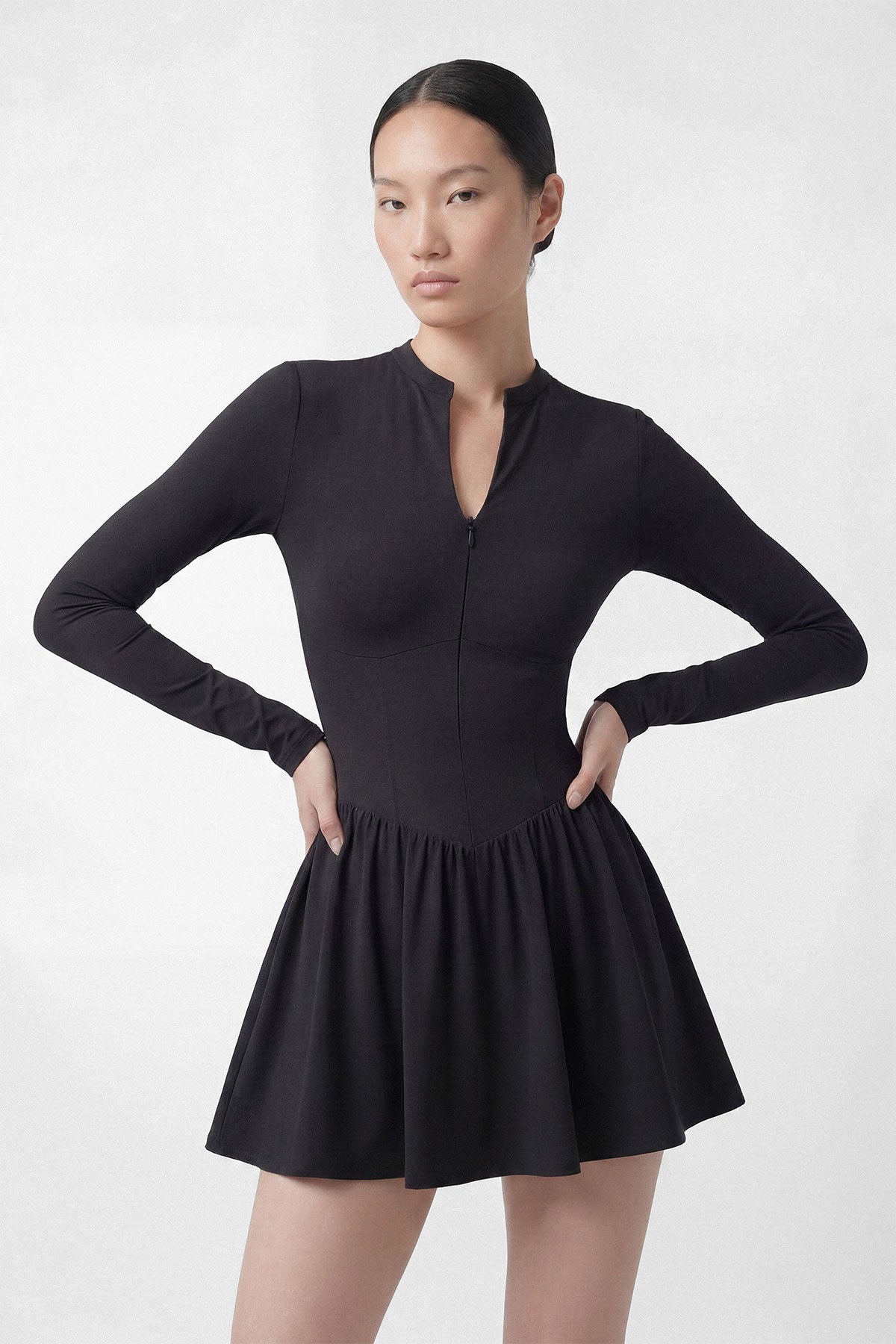
A dress also tends to transition beautifully beyond play. If you are heading from the court to coffee, errands or lunch at the club, it already looks considered. The right one reads as athletic but elevated, not overly technical. That is where design matters - details like a high neckline, minimalist straps, micro-perforation or a sculpted waist can shift the whole piece from standard sportswear to something more polished.
That said, a tennis dress is not automatically the right choice for every body or every player. If you are particular about bust support, torso length or waist fit, one-piece dressing can be less forgiving. You may find a dress perfect through the hips but slightly off through the chest, or ideal in support but too short for your preference. Fit needs to be exact.
The best tennis dress is built around movement
The strongest dresses do not rely on appearance alone. Built-in shorts should feel secure without gripping too tightly. Pockets need to be placed where they do not interrupt your stride. Straps should stay still through overhead motion, and any internal support should hold its shape without feeling restrictive.
This is where premium sport design shows its value. A tennis dress should not ask you to compromise. It should let you move fully while keeping a refined, elevated look intact.
When a skort is the better option
A skort earns its place through versatility. If you prefer to fine-tune your fit, separates make that easier. You can choose a firmer top for support, a lighter one for heat, or change proportions depending on the day. That flexibility matters if you play across seasons or across sports.
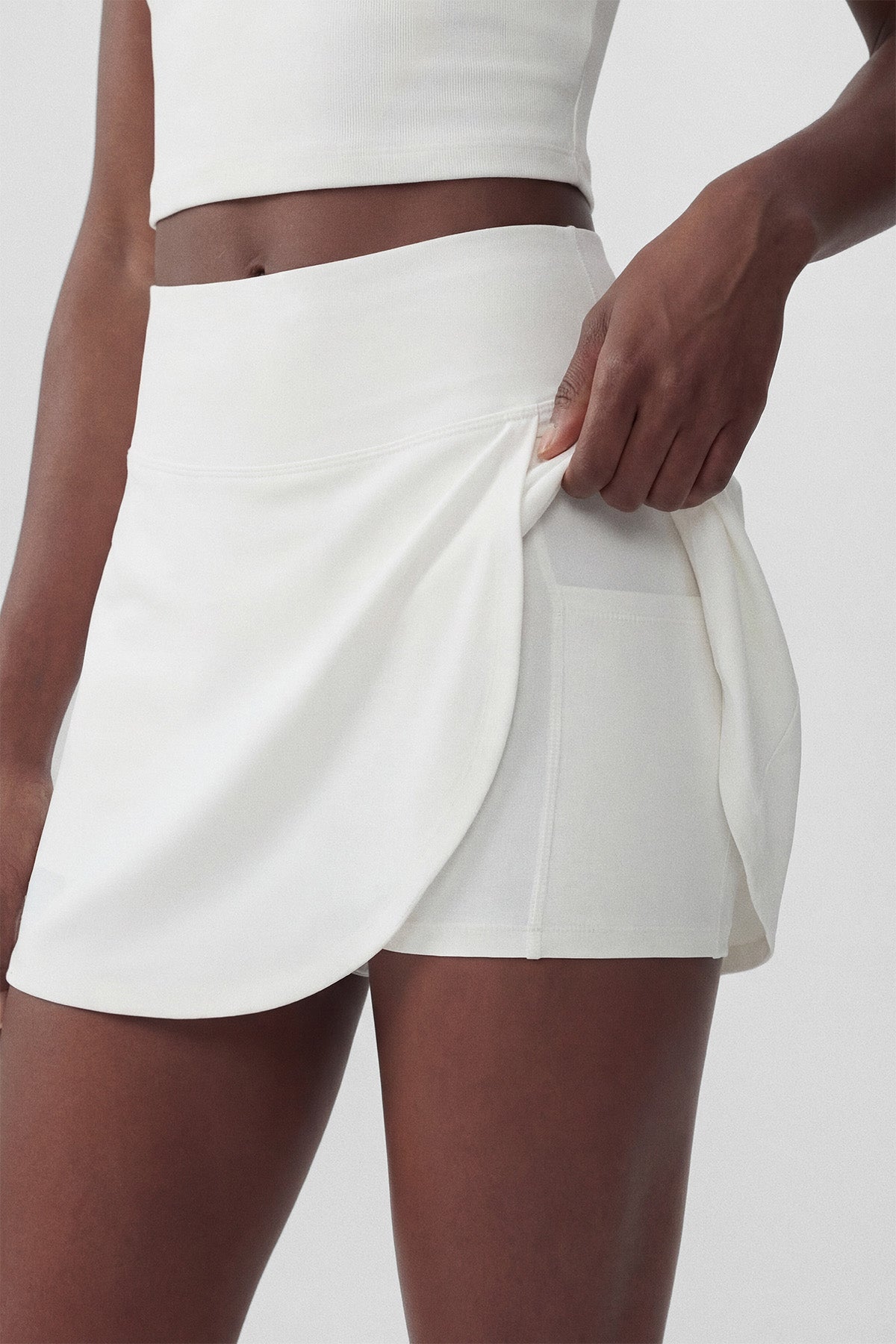
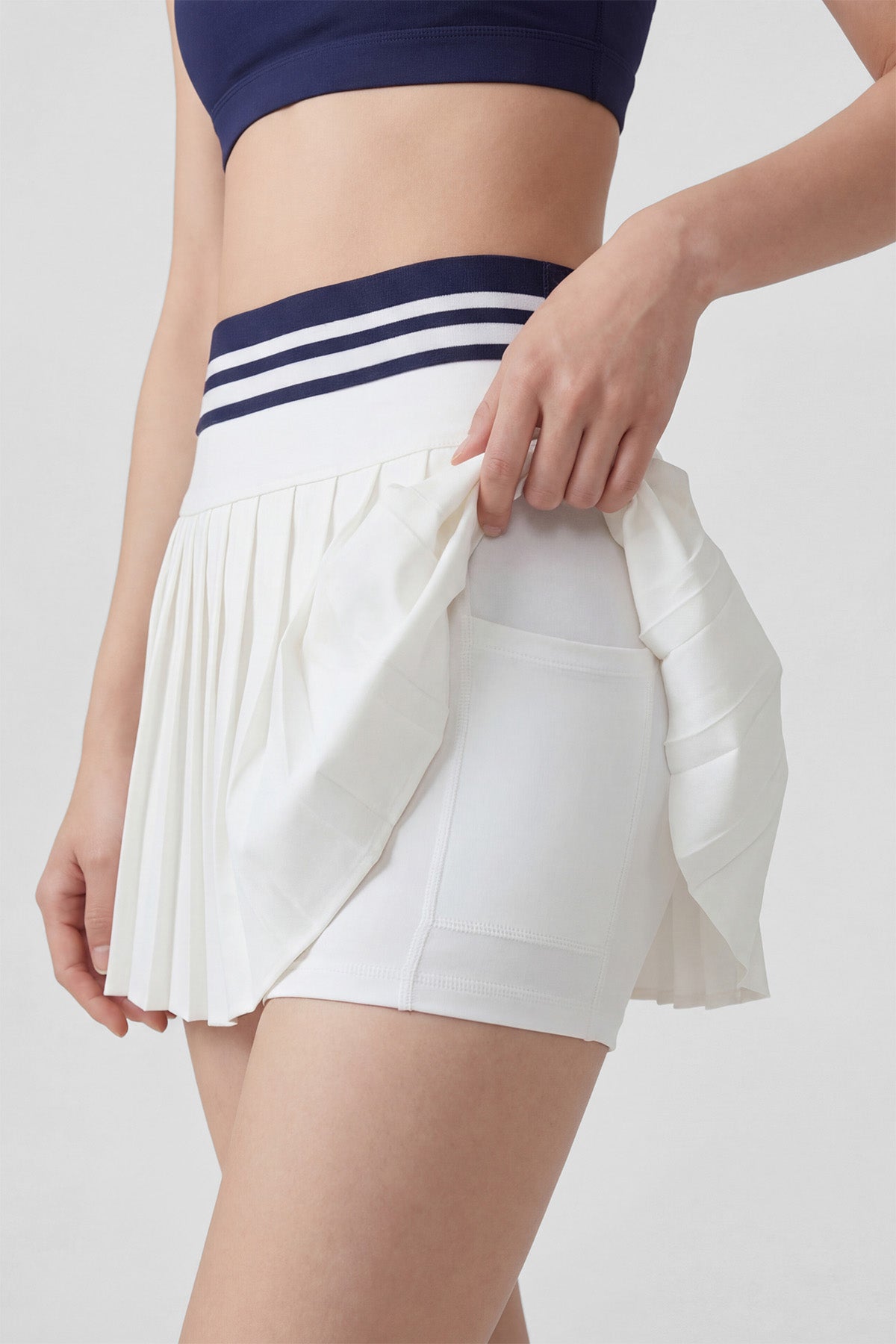
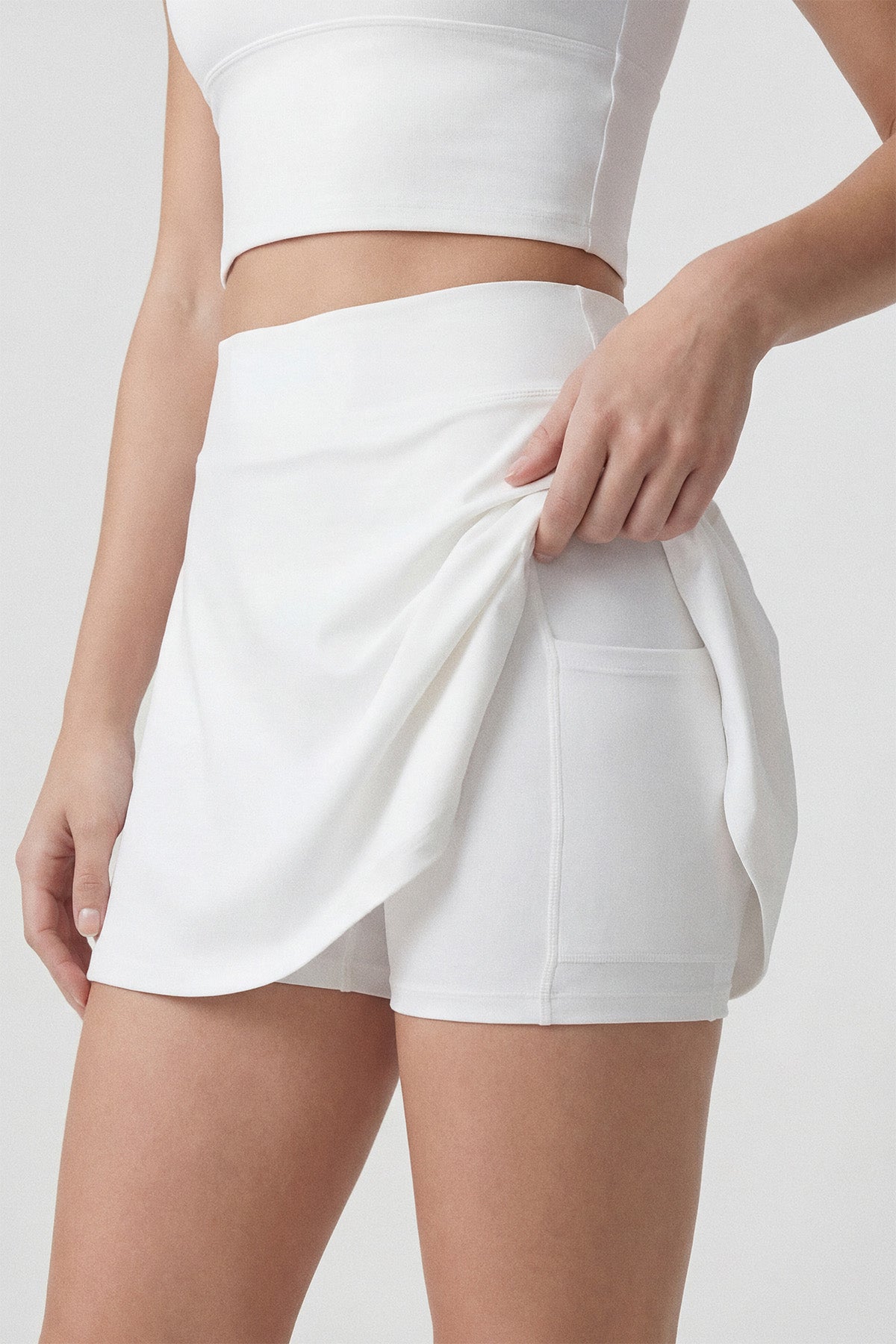
For tennis and padel in particular, many women like the grounded feeling of a high-waisted skort. The waistband can create a sense of hold through quick directional changes, while the integrated shorts offer confidence for sprints, stretches and low volleys. If your priority is security and adjustability, the skort often feels more dependable.
A skort can also be more forgiving across different body shapes because you are fitting two separate garments rather than one continuous line. If you usually struggle to find dresses that suit both your torso and hips, a skort-and-top combination may be easier to get right.
Then there is styling. A skort gives you options without losing polish. It can look sharp with a fitted polo, modern with a crop and understated with a streamlined tank. For a player building a wardrobe rather than buying one-off outfits, that kind of repeat wear matters.
Where skorts sometimes fall short
The trade-off is that separates can create more to think about. Waistbands can roll or press in if the fit is not right. Tops can shift during play. And visually, a skort does not always deliver the same uninterrupted elegance as a dress. If you want your court look to feel especially clean and pared back, a dress often has the edge.
Still, for many women, that is a worthwhile exchange for the ability to personalise fit and support.
Fit, support and comfort matter more than category
The dress-versus-skort debate can sound larger than it is. In practice, the better piece is the one that disappears once the match starts. That means checking a few key details before you decide.
First, think about support. If you prefer a built-in solution, a tennis dress with removable cups or an internal shelf may suit you. If you want to choose your own sports bra and layer intentionally, a skort gives you more freedom.
Next, consider coverage. Some players like the ease of an all-in-one silhouette but still want reliable shorts underneath. Others want the confidence of a high-rise skort that feels anchored through every point. Neither instinct is more correct. It is a matter of how you like your clothing to hold you.
Fabric also changes the equation. Breathable, moisture-wicking materials with a smooth hand feel better over long sessions, especially in an Australian summer. Stretch is important, but so is recovery. A piece should move and return to shape, not loosen after one set.
Then there is length. A tennis dress that is too short can become a distraction, and a skort that is too long can feel heavy or dated. The most flattering lengths tend to look intentional rather than cautious.
Tennis, padel and golf do not ask for exactly the same thing
If you play more than one sport, your answer may change. Tennis often rewards streamlined pieces that support repeated overhead movement and fast court coverage. Padel can call for even more freedom through rotation and reaction, which makes secure shorts and lightweight fabrics essential. Golf usually allows a little more room for style preference, since the movement pattern is different and the pace less relentless.
That is why many women keep both in rotation. A dress may be ideal for match day when you want a composed, one-step uniform. A skort may be better for practice sessions, travel days or when you want to pair pieces differently across sports.
At Common Player, that balance is part of the appeal of a modern court wardrobe. You do not need to choose one identity. You can dress with the same level of discipline you bring to your game - selecting pieces for movement, confidence and the way you want to present yourself.
So, should you choose a tennis dress or a skort?
Choose a tennis dress if you want a cleaner silhouette, less styling effort and a piece that moves from court to the rest of your day with very little adjustment. It is especially strong if you value that refined, one-piece look and prefer your uniform to feel simple.
Choose a skort if you want flexibility, custom support and more ways to style your wardrobe across tennis, padel and golf. It is often the smarter option if your fit needs are more specific or you like separates that let you shift with the season.
The best answer is usually not strict loyalty to one or the other. It is knowing what kind of player you are, how you like your clothing to perform and what helps you feel composed the moment you step onto the court. When a piece gets that right, you stop thinking about what you are wearing and start playing exactly as you should.
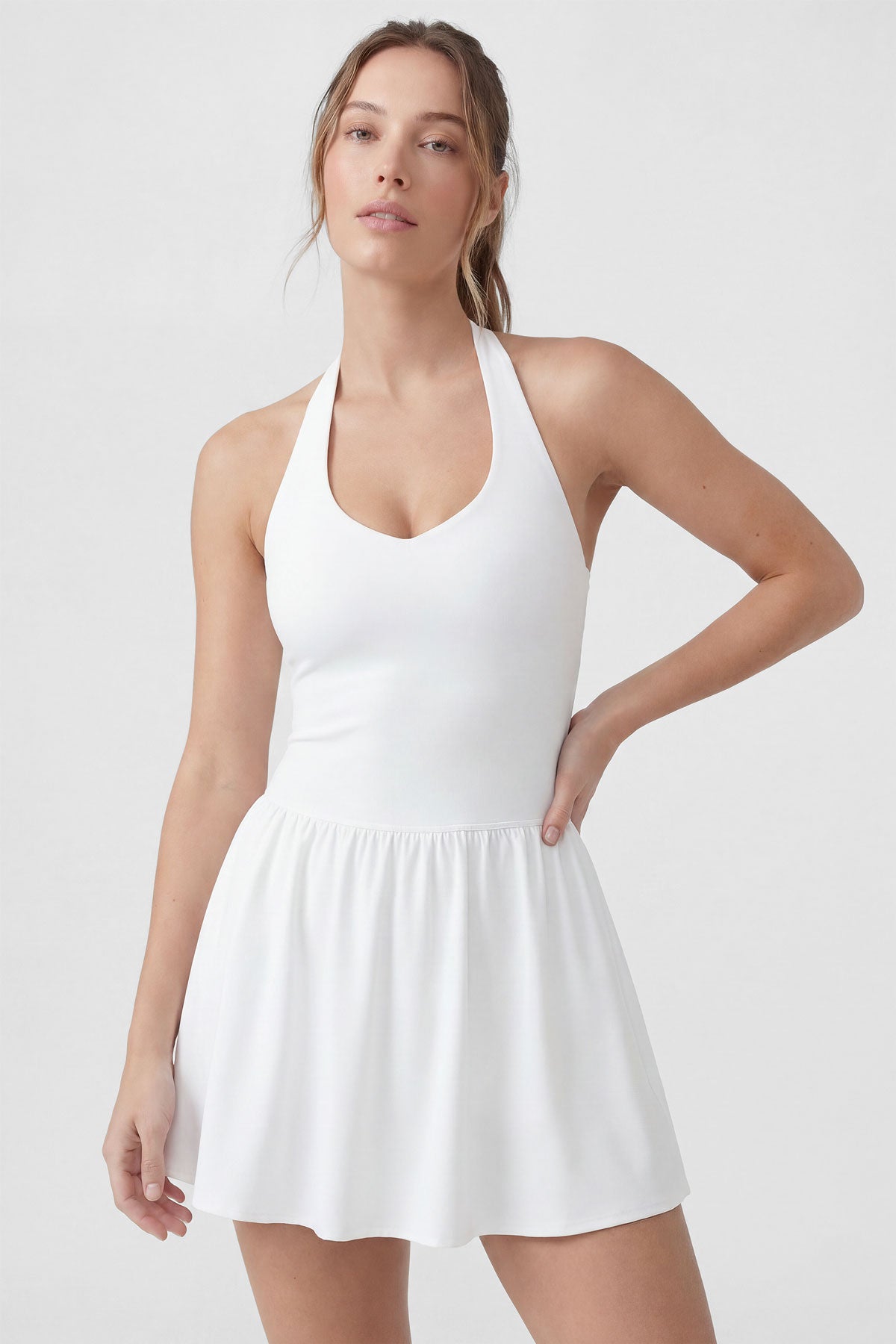
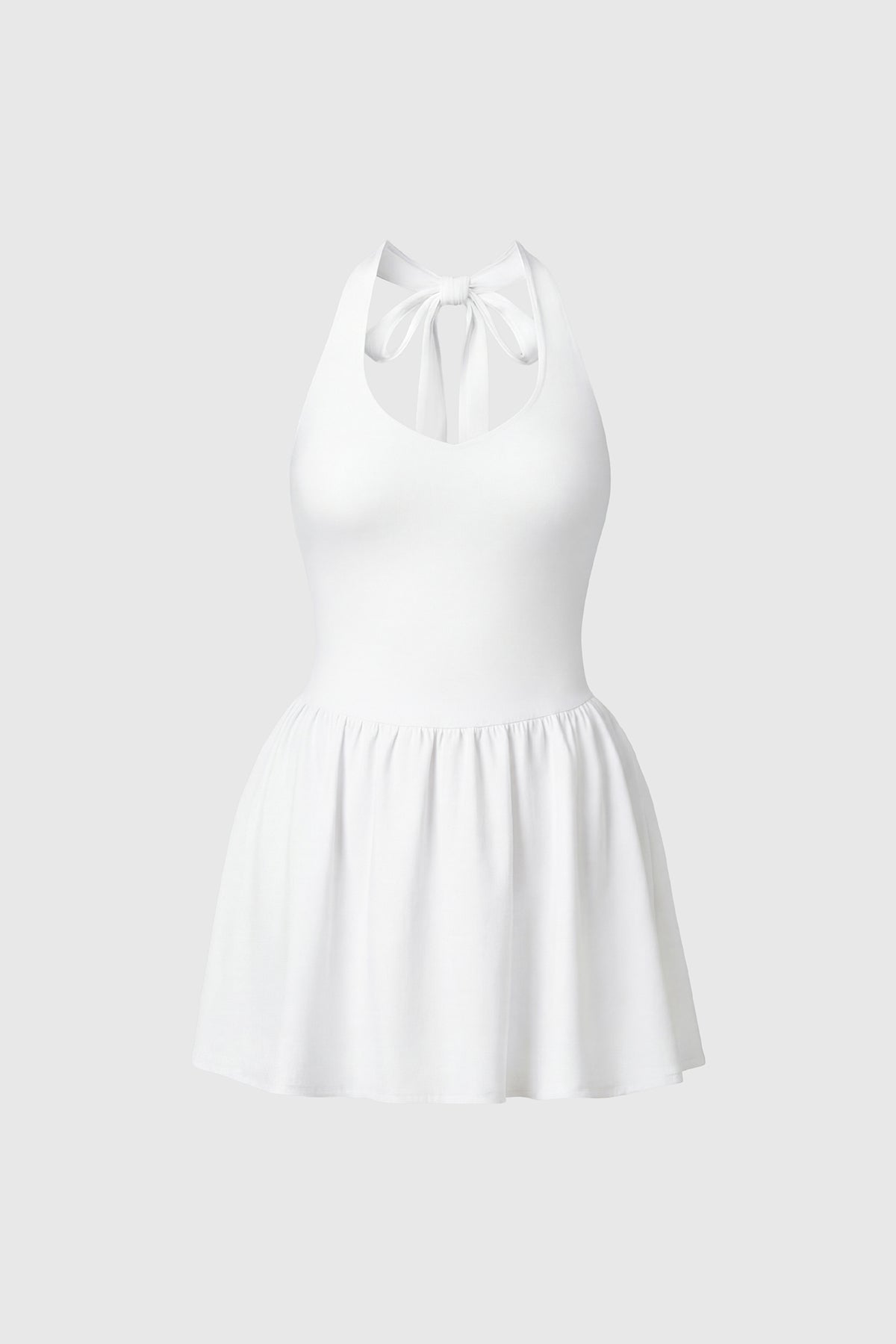
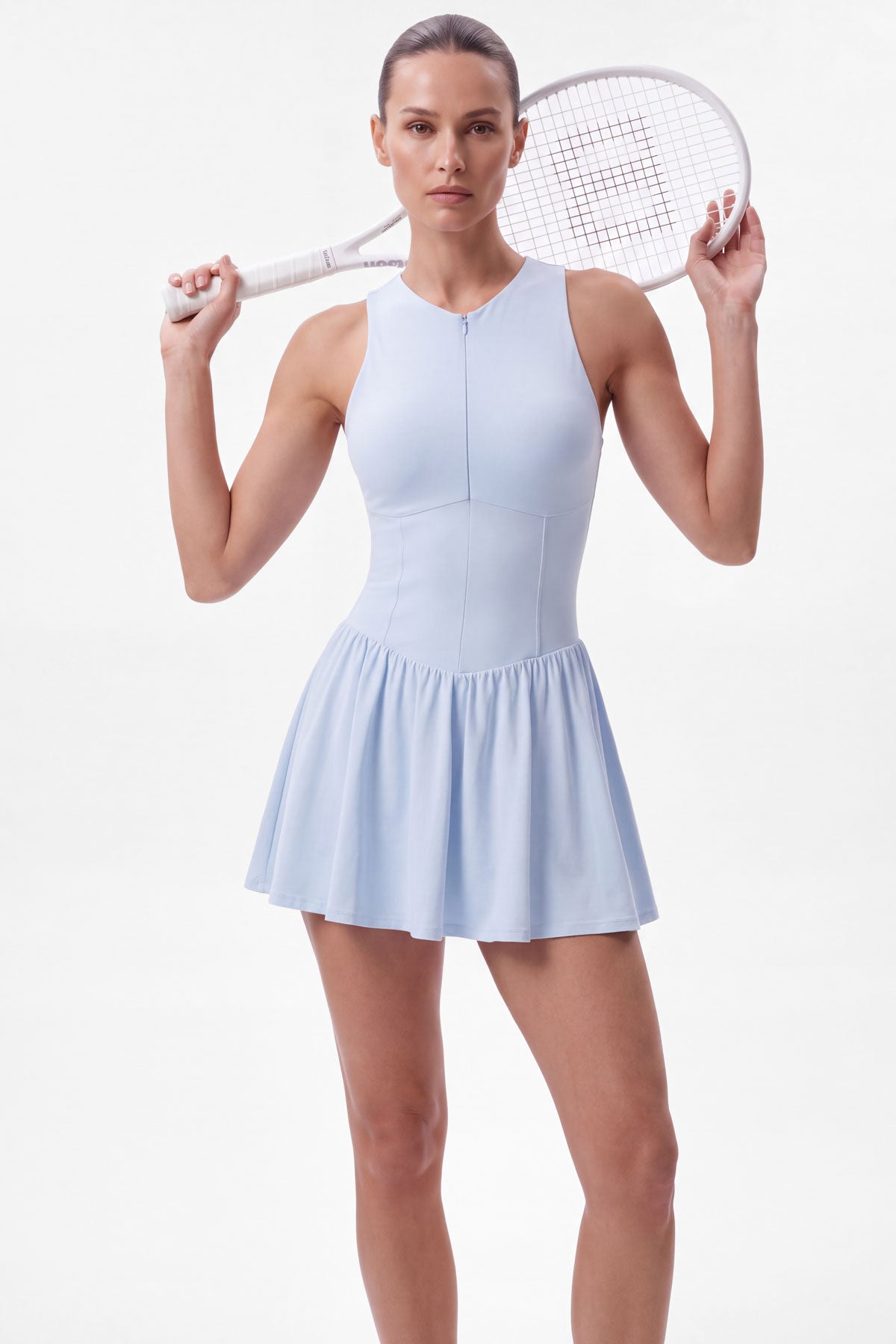
Read more
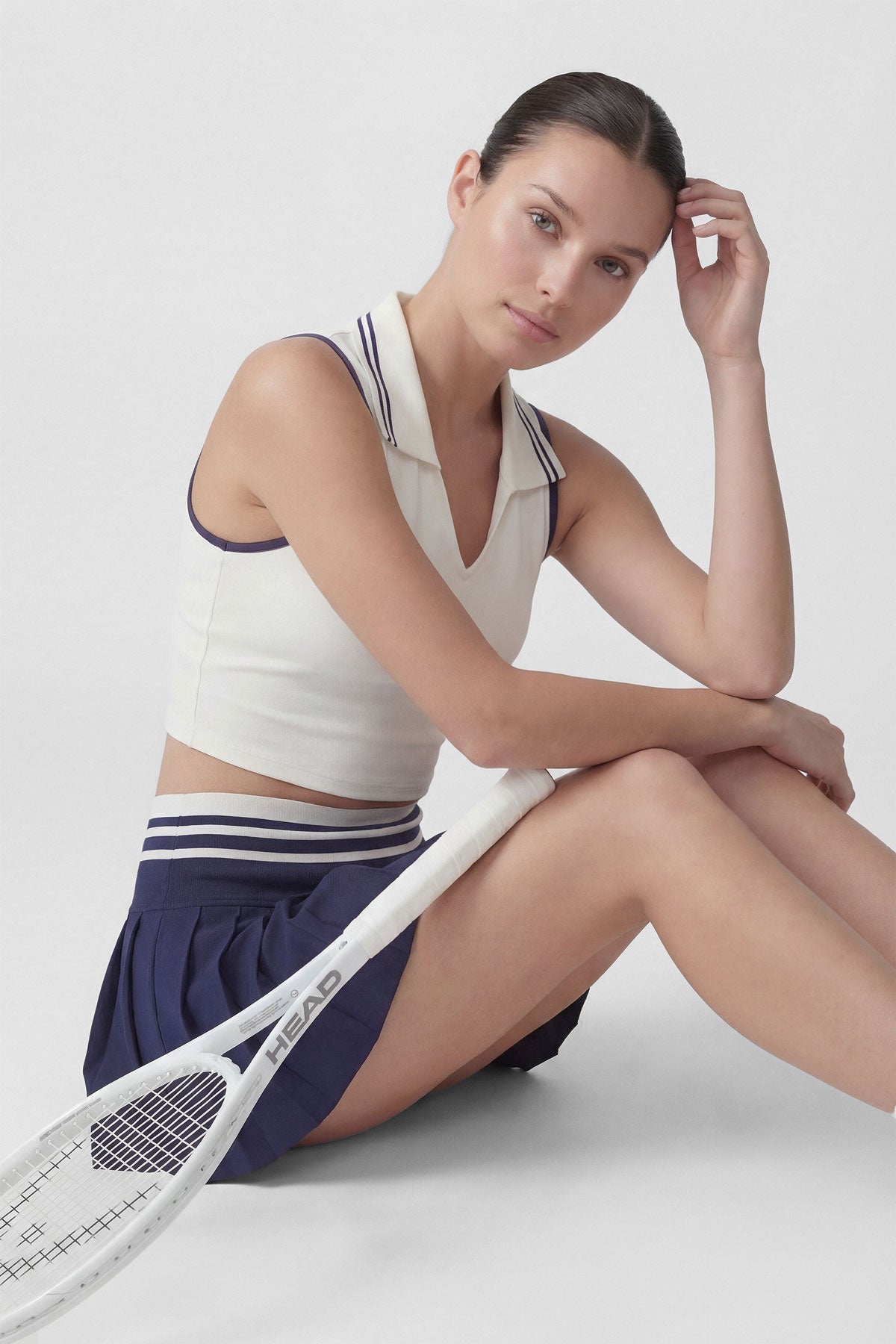
What to wear to tennis: refined, practical outfit ideas for women who want comfort, freedom to move, and a polished look that works on and off court.
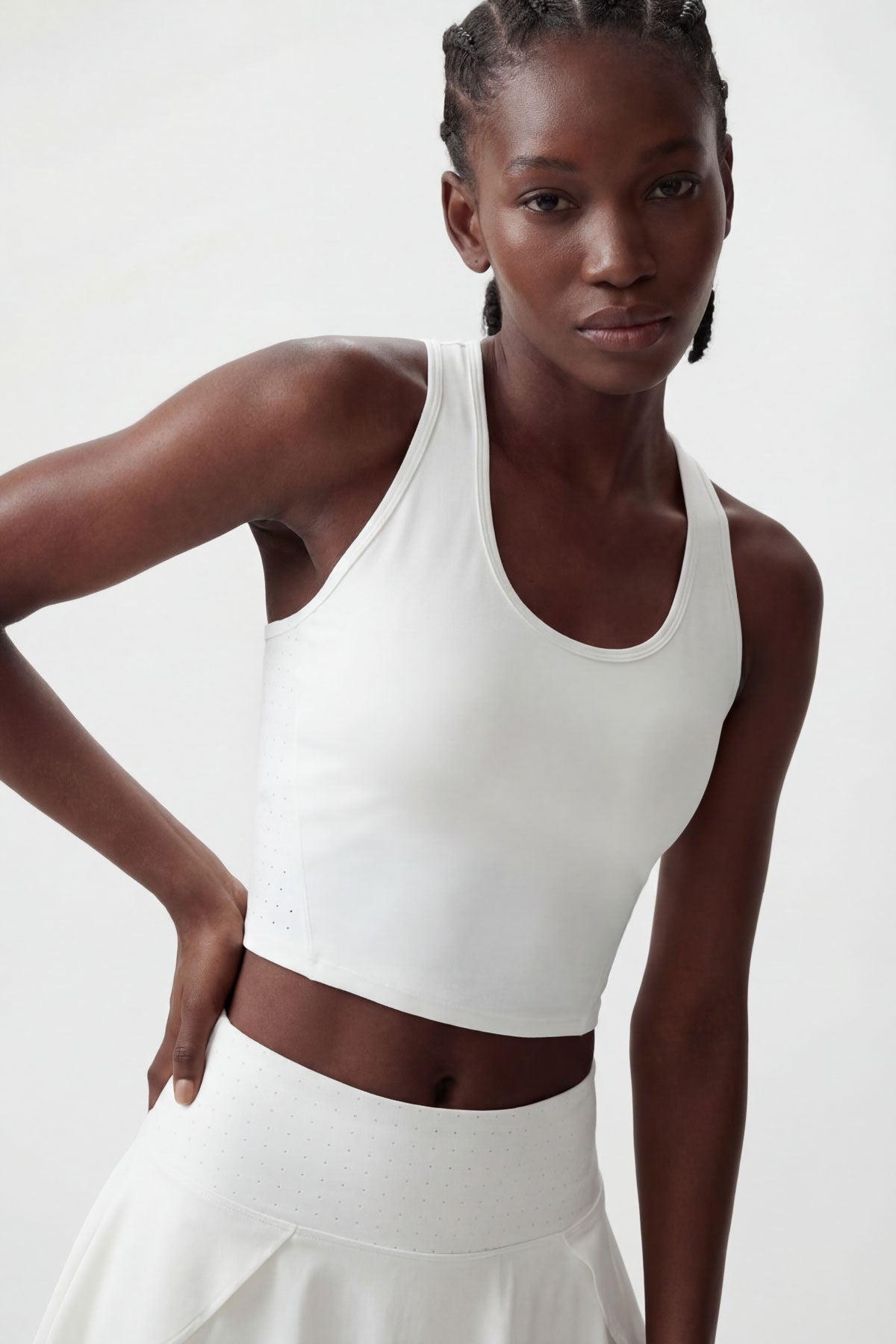
Find the best padel outfits for women with polished, performance-led pieces designed for movement, comfort, support and style on court.