


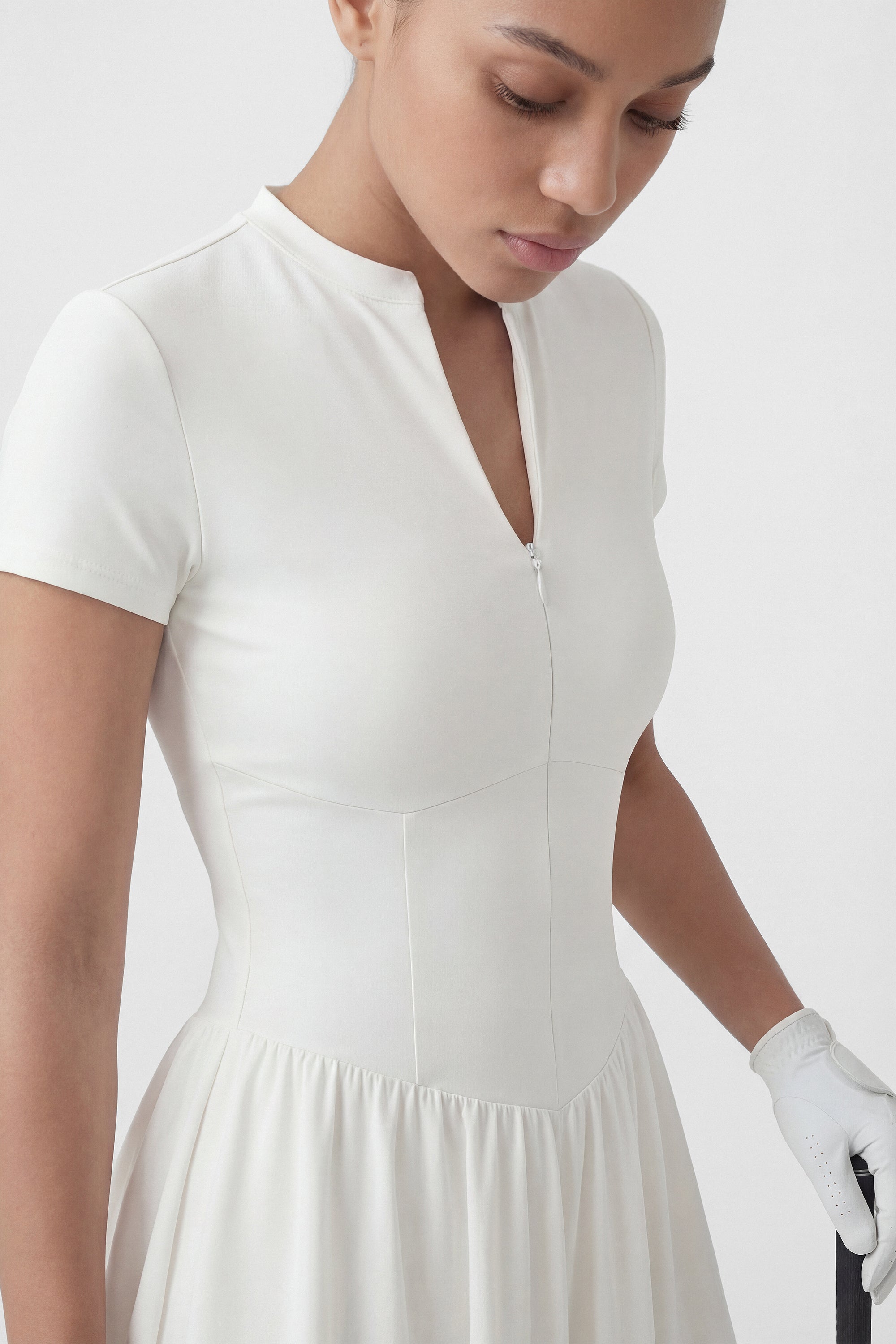
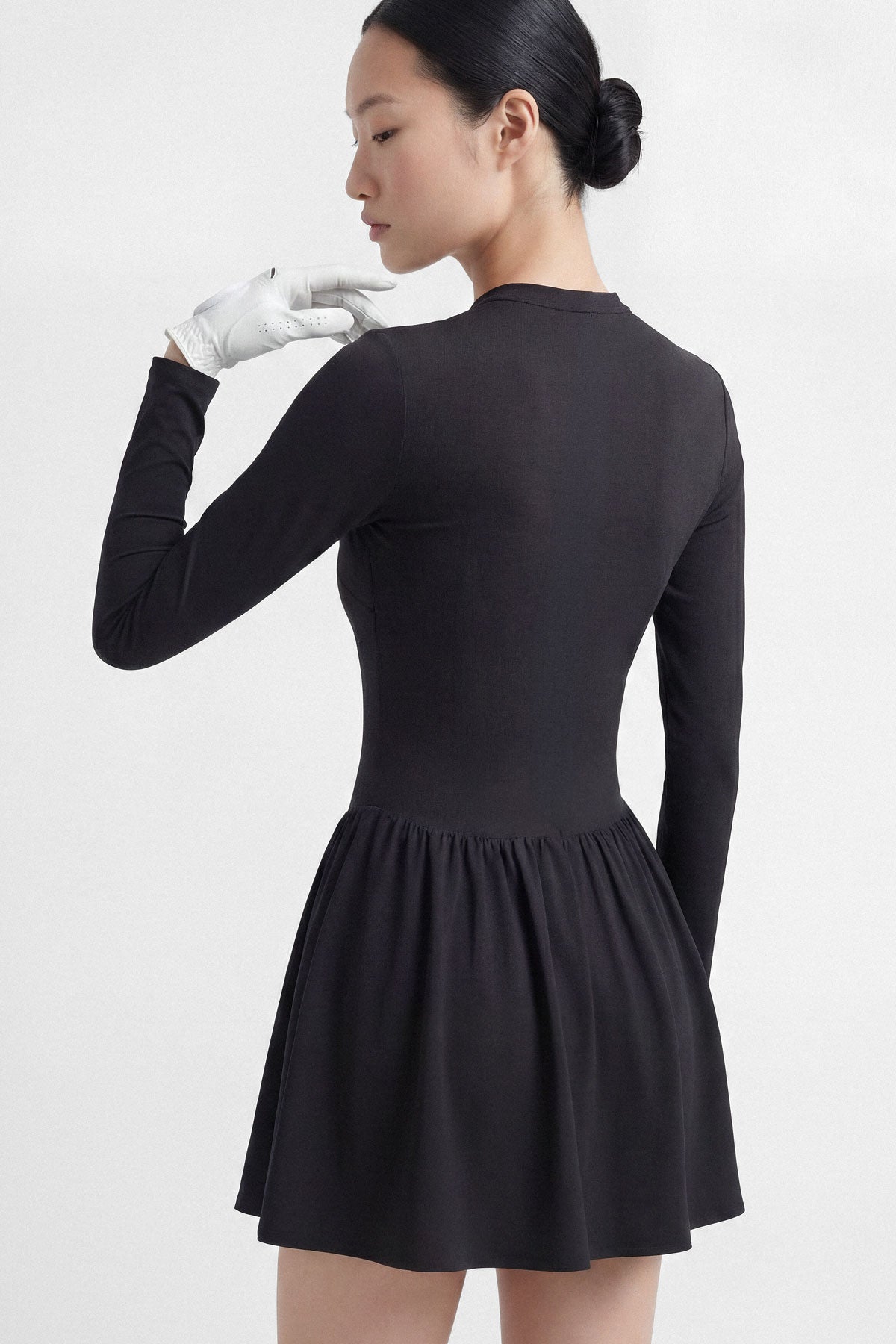
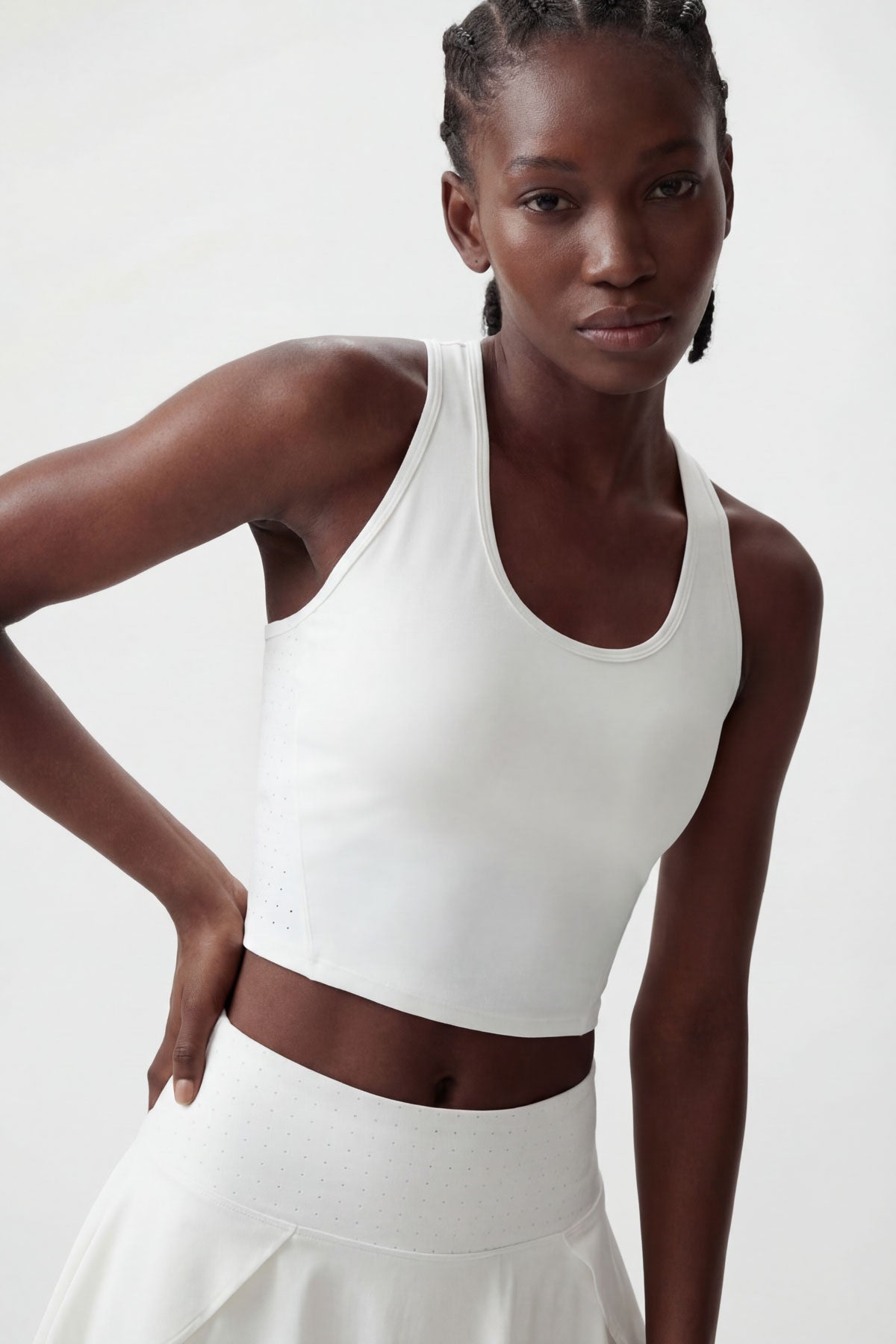
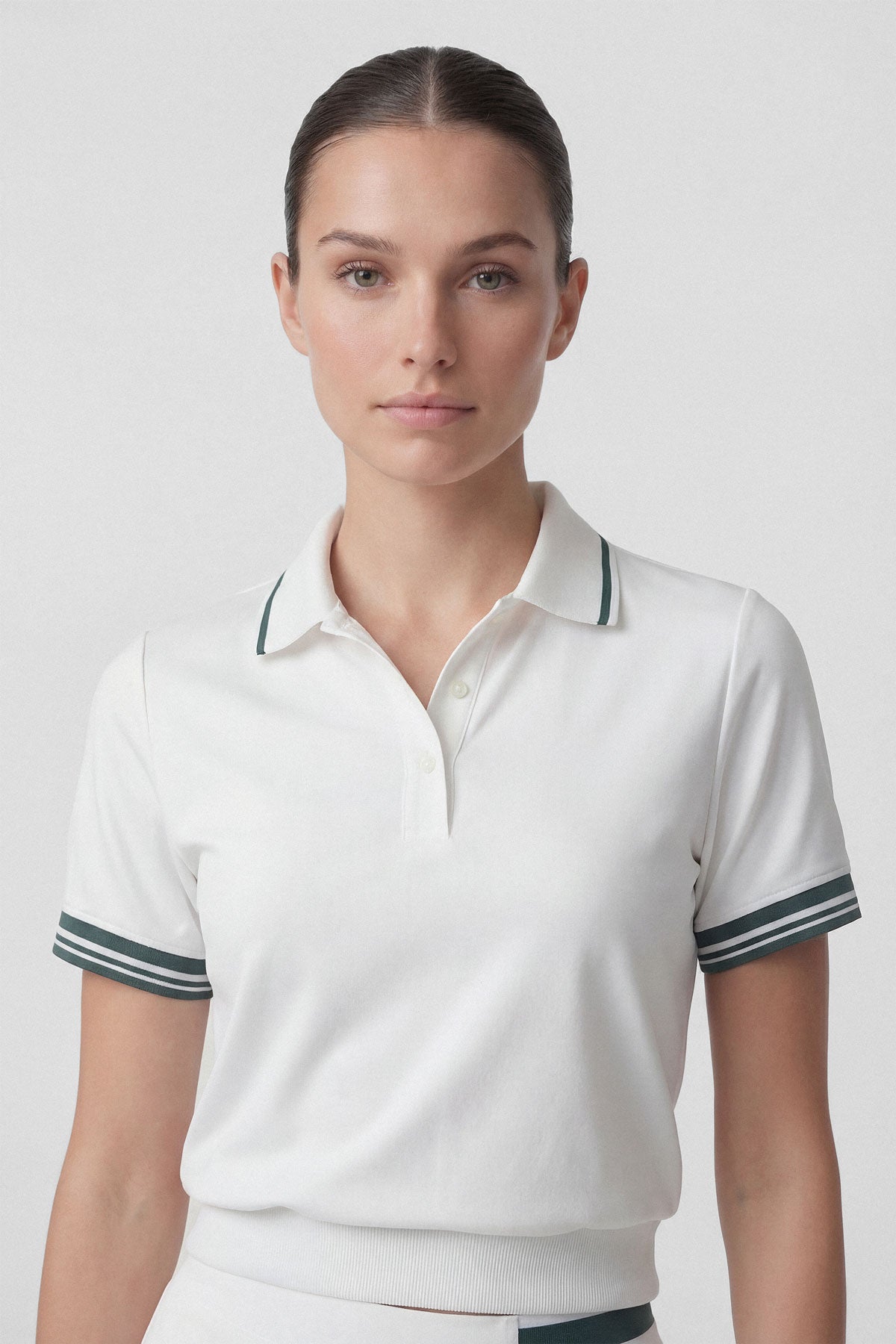
A tennis dress for large bust needs to do more than look refined at the baseline. It needs to stay composed through a serve, feel comfortable through a long set and let you move without constantly adjusting the neckline, straps or underlayer. The right dress makes that feel considered rather than complicated.
For many players, the challenge is not finding a dress they like the look of. It is finding one whose design accounts for the movement of tennis: reaching overhead, rotating through a forehand, sprinting forward and resetting between points. Support and style should work together, not ask you to choose one over the other.
Start with the dress structure
A flattering tennis dress for a larger bust is usually built around thoughtful structure, rather than excess compression. Look first at the upper body: the neckline, strap placement, lining and fabric all shape how secure the dress feels when play begins.
A higher neckline is often the simplest place to start. It creates more coverage when you lean forward to collect a ball or stretch for a low volley, while keeping the overall line clean. That does not mean every dress needs to be high-necked. A softly curved or square neckline can also work beautifully when it is paired with a well-designed underlayer and straps that hold their position.
The fit through the ribcage matters just as much as the cup area. If a dress is too loose through the underbust, the fabric may shift upward during play. If it is too tight, it can feel restrictive before the first game is over. Aim for a close, comfortable fit that sits neatly against the body without digging in or relying on the straps to do all the work.
Look beyond the size on the label
Sizing is a useful starting point, not the final answer. Two dresses in the same size can feel entirely different depending on the length of the torso, the stretch of the fabric and the amount of shaping through the bust.
When trying on a tennis dress, assess it in motion rather than standing still in front of the mirror. Lift both arms as if serving, rotate your shoulders, take a few wide steps and bend down. Notice whether the neckline stays where you want it, whether the fabric pulls across the chest, and whether the straps remain settled. A dress that looks polished while standing but needs attention after every point is unlikely to become a favourite.
Straps make a meaningful difference
Straps are a small detail with a large role. Wider straps tend to distribute pressure more comfortably and give a more anchored feel, especially through repeated overhead movement. They can also create a balanced, elegant silhouette when paired with a square, scoop or high neckline.
Adjustable straps offer another advantage: they let you refine the fit through the torso rather than settling for a one-position solution. This is particularly helpful if you often find that a dress fits through the bust but sits too long through the body, or the reverse. The goal is not to pull straps as tight as possible. Over-tightening can lift the neckline into an awkward position and create unnecessary tension through the shoulders.
Racerback and cross-back designs can feel secure because they keep straps closer to the centre of the back. They are a strong option for players who prefer freedom through the shoulder blades. However, the best choice depends on your proportions and what you wear underneath. A classic shoulder strap can be just as effective when the dress has a stable upper-body fit and considered construction.
Treat the built-in layer as part of the fit
Many tennis dresses include built-in shorts and a shelf-style bra layer, while others are designed to be worn with your preferred sports bra. Neither approach is automatically better. It depends on how much support you like, the intensity of your play and whether you want a more streamlined look under the dress.
A built-in layer can create an easy, all-in-one uniform for social sets, coaching sessions and club afternoons. Look for a lining that lies flat and retains its shape as you move. Removable bra cups can offer light shaping and coverage, but they are not a replacement for a separate bra if that is what makes you feel most comfortable and supported on court.
Wearing a sports bra beneath a tennis dress is a practical choice, not a compromise in style. The key is choosing a dress with enough room in the armholes and neckline to layer cleanly. Smooth, minimal bra lines and a neckline that works with your preferred bra shape make the whole outfit feel intentional. If the dress is designed around a more open back, consider whether it suits the support layer you actually reach for on match day.
Give yourself room to breathe
Support should feel stable, not restrictive. Fabrics with comfortable stretch can follow your movement through the chest and shoulders without losing their shape. Breathable details, such as micro-perforation in high-heat areas, are also worth considering for summer tennis, particularly for afternoon fixtures when the court is warm and play runs long.
A lighter fabric is not necessarily less supportive, and a heavier fabric is not always more secure. Construction matters more than bulk. A refined performance fabric with recovery, a well-placed lining and a clean neckline can feel far more dependable than a thicker dress with little internal structure.
Choose a skirt shape that balances the whole look
The upper half of the dress deserves attention, but the skirt changes how the entire silhouette feels. An A-line or gently flared skirt can create a sense of ease from the waist down, allowing the dress to move naturally through lateral steps and quick changes of direction. It also keeps the overall proportion relaxed and polished.
More fitted styles can be striking, especially when the fabric has enough stretch and the waist sits in the right place. But they can be less forgiving if the dress is pulled upward through the torso or if the built-in shorts feel too short for your preferred coverage. There is no universal best shape. The right one is the style that lets you focus on the next ball rather than the hemline.
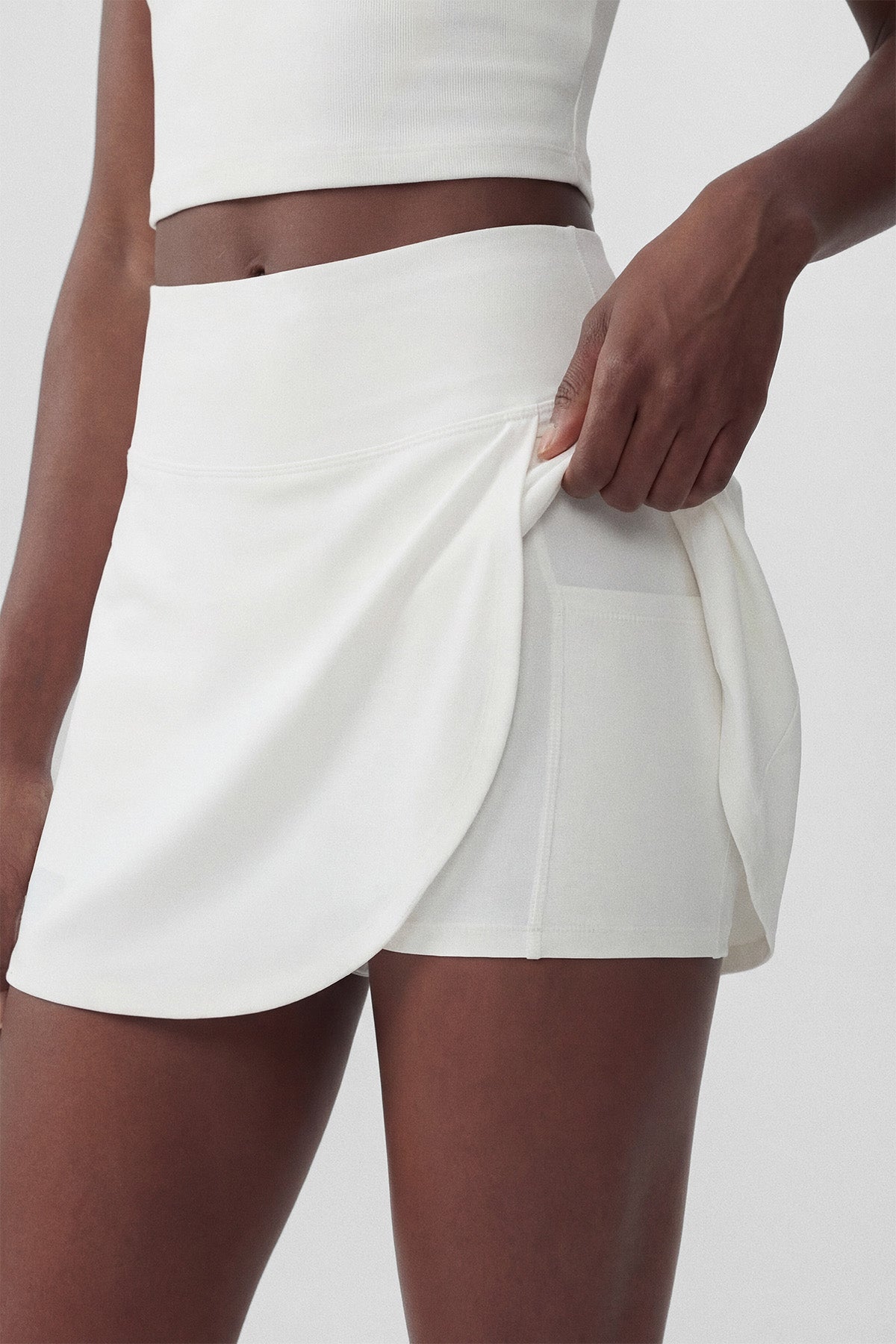
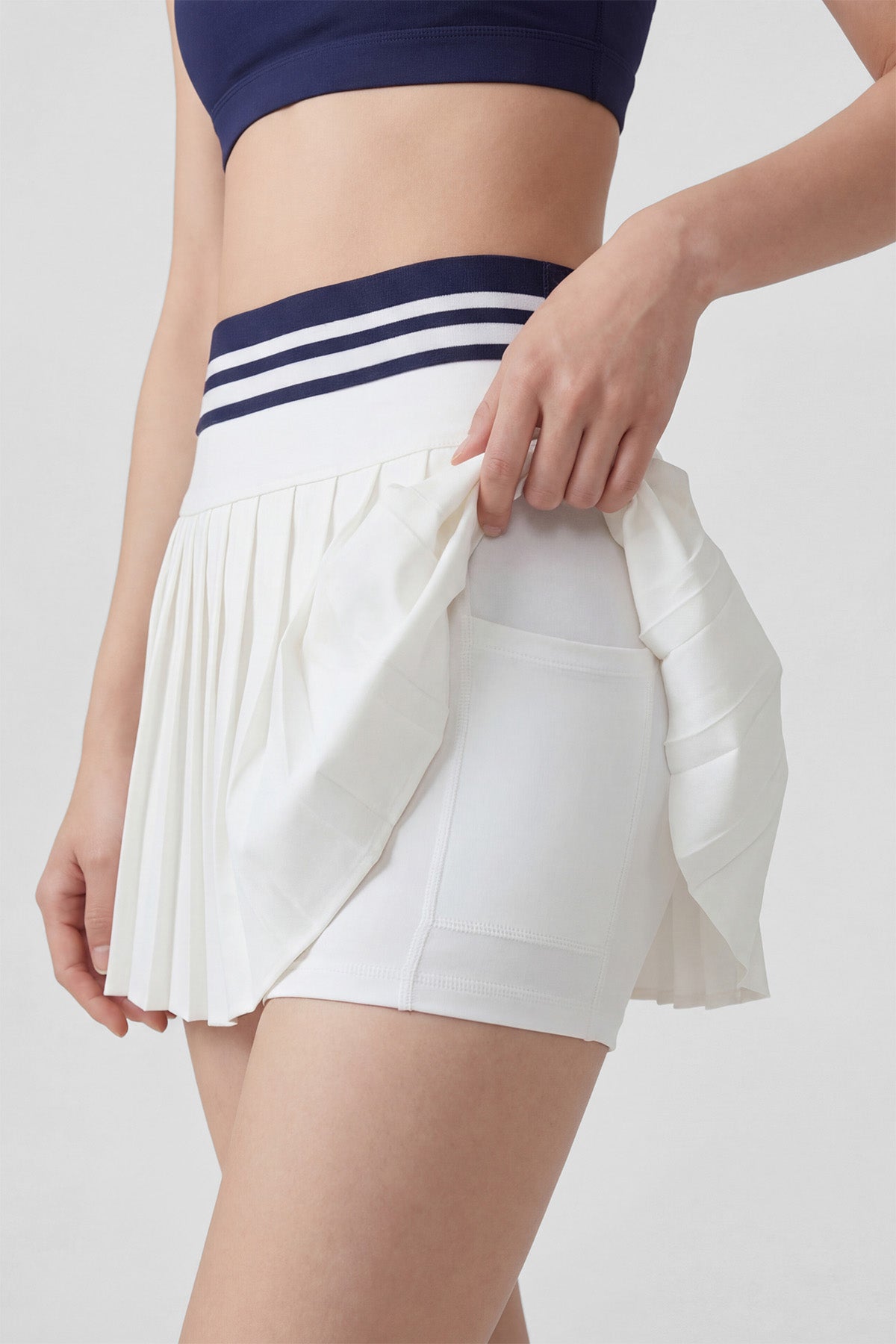
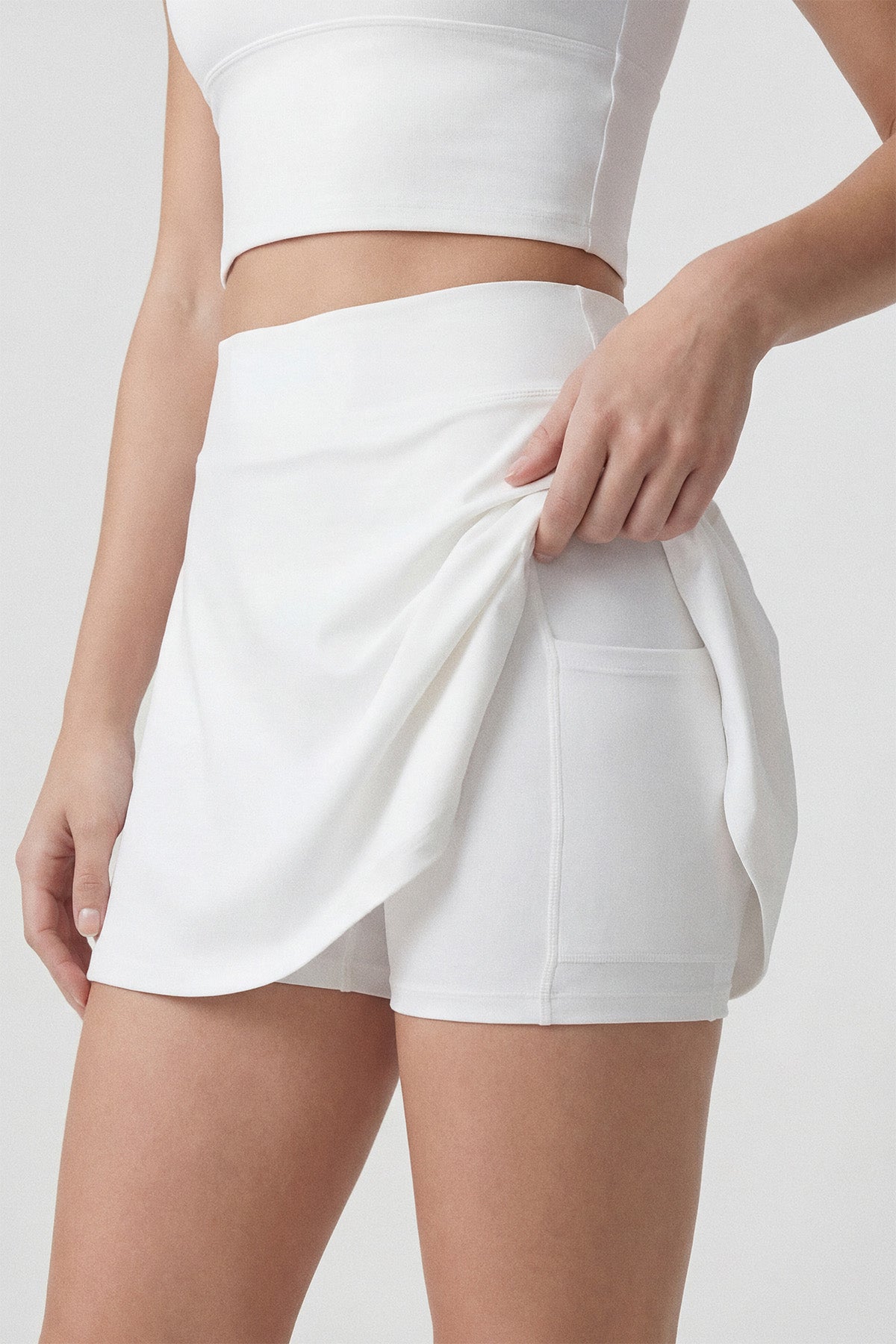
Built-in shorts add function without interrupting the line of a dress. For tennis, pockets are particularly useful: a neatly placed side pocket means you can carry a spare ball between serves without needing to hold it or tuck it into a waistband. It is a small court detail that becomes very welcome in play.
Fit for your game, not just the changing room
A dress for a casual hit may ask less of you than one for competition or a full afternoon of doubles. Consider where and how you play. If you serve regularly, move aggressively around the court or prefer a longer session, a more supportive underlayer and secure straps may be priorities. For a lighter club session, you may prefer a softer construction and a more open neckline.
It is also worth thinking about your usual routine after tennis. A dress with a refined cut, understated colour and minimal hardware can move easily from court to coffee, a quick errand or the drive home. That versatility is not an afterthought. It is part of a modern court uniform: performance pieces that meet the demands of play while still feeling like your style.
A simple fitting checklist
Before keeping a new dress, test it with the layer you plan to wear and take a few minutes to move in it properly. Check that:
- the neckline stays comfortably in place when you raise your arms;
- the underbust area feels close but not restrictive;
- straps stay settled without being over-tightened;
- the fabric does not pull sharply across the bust or armholes; and
- the shorts, pockets and skirt let you move through a full range of court positions.
A well-chosen tennis dress should feel calm from the first serve onwards. Seek considered support, clean lines and the freedom to play your game without giving your outfit a second thought.
Read more
A country club outfit guide for women: polished tennis, padel and golf looks with practical layers, considered fabrics and dress-code confidence with ease.
Find breathable golf tops for women designed for warm rounds, polished layering and easy movement, with fabric, fit and styling details that matter most.