

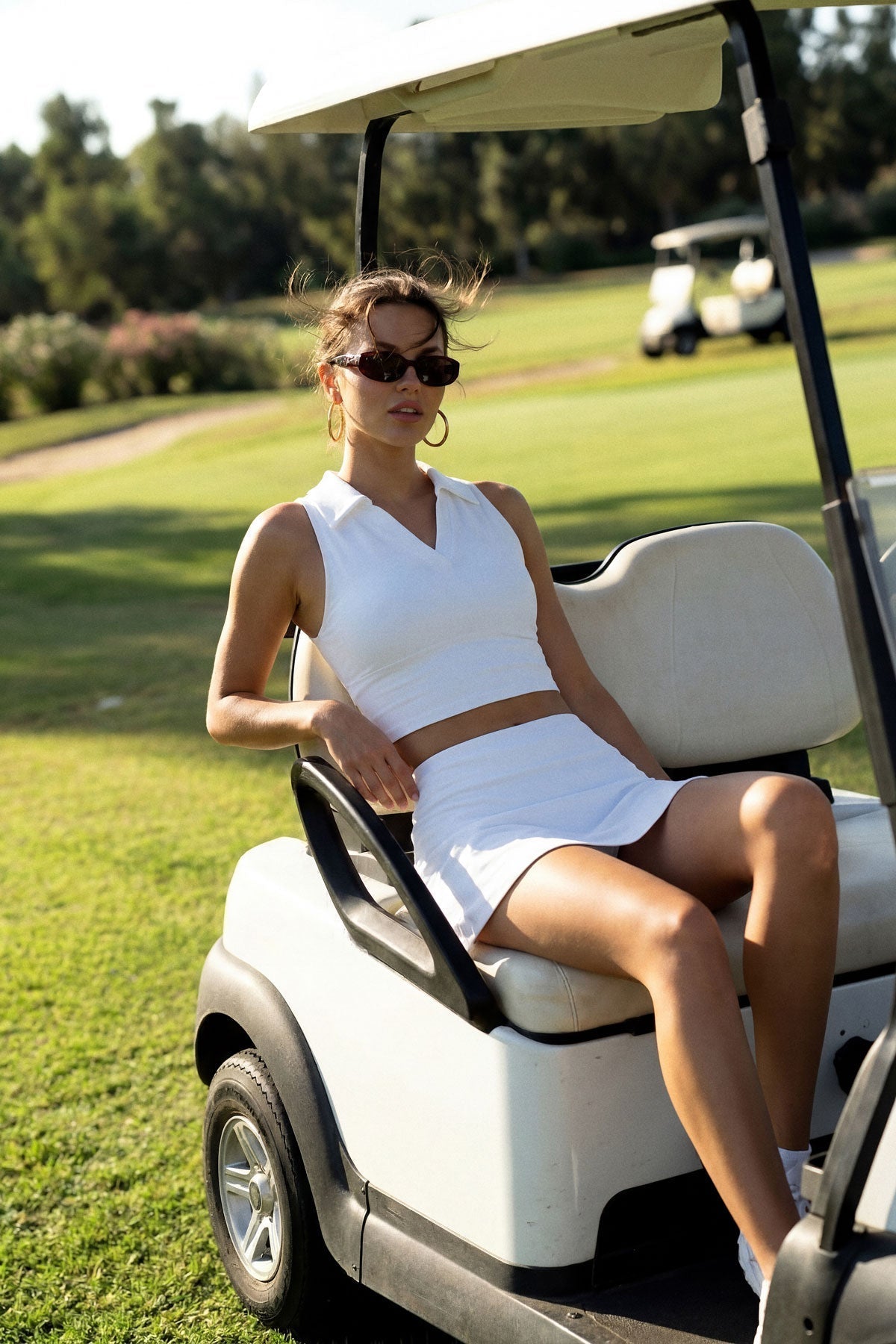
Golf Dress vs Separates: What Should You Wear?
The first tee is not the place to be adjusting a waistband, wondering where your ball marker went, or wishing you had worn a layer. When weighing up a golf dress vs separates, the right choice is less about rules and more about how you like to move, what the day holds, and the version of your style that feels most like you.
A polished golf wardrobe should work with the rhythm of a round: the walk from car park to clubhouse, the long stretch between holes, the change in weather, then whatever comes after the final putt. Dresses and separates can both deliver that ease. They simply do it in different ways.
Golf Dress vs Separates: The Real Difference
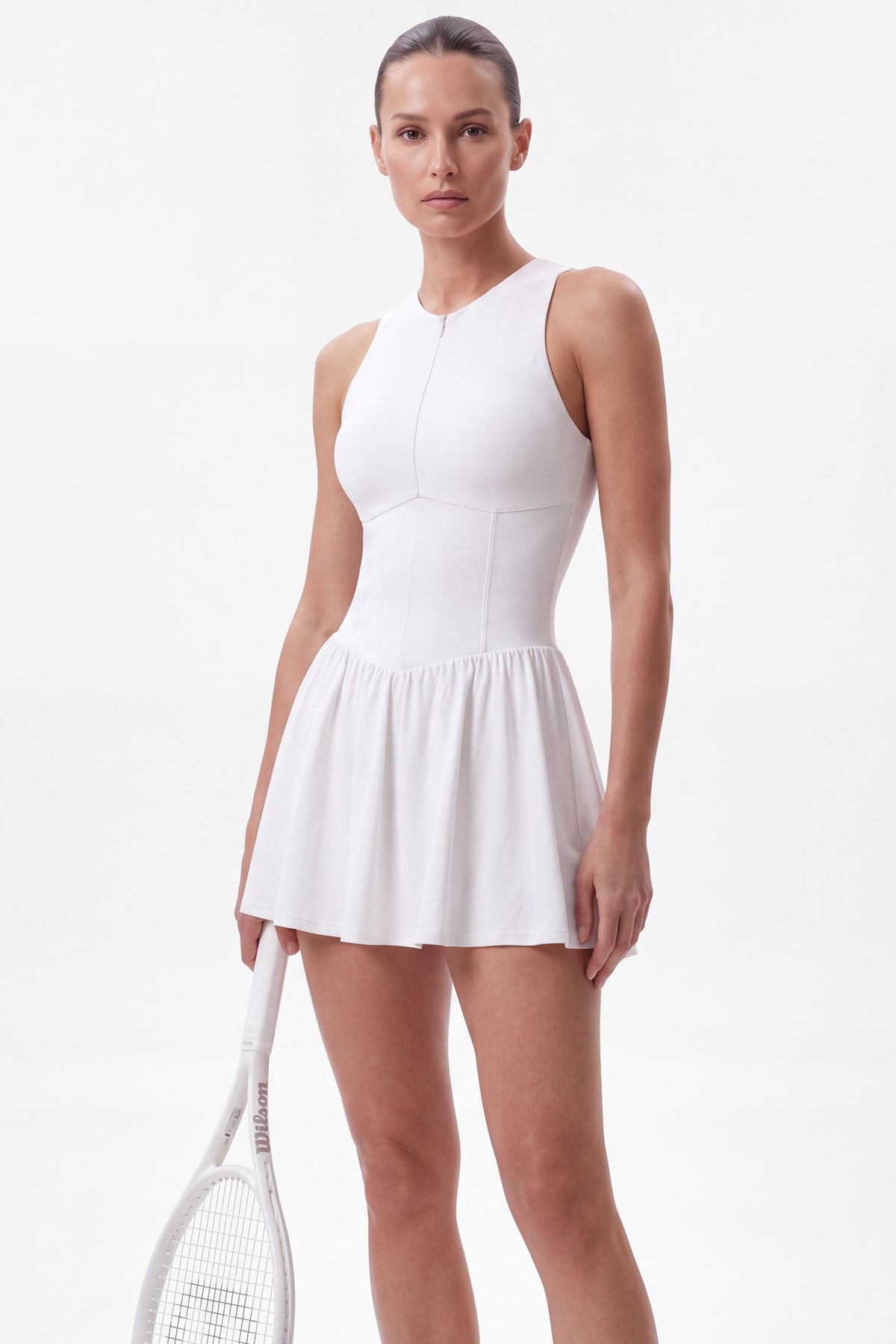
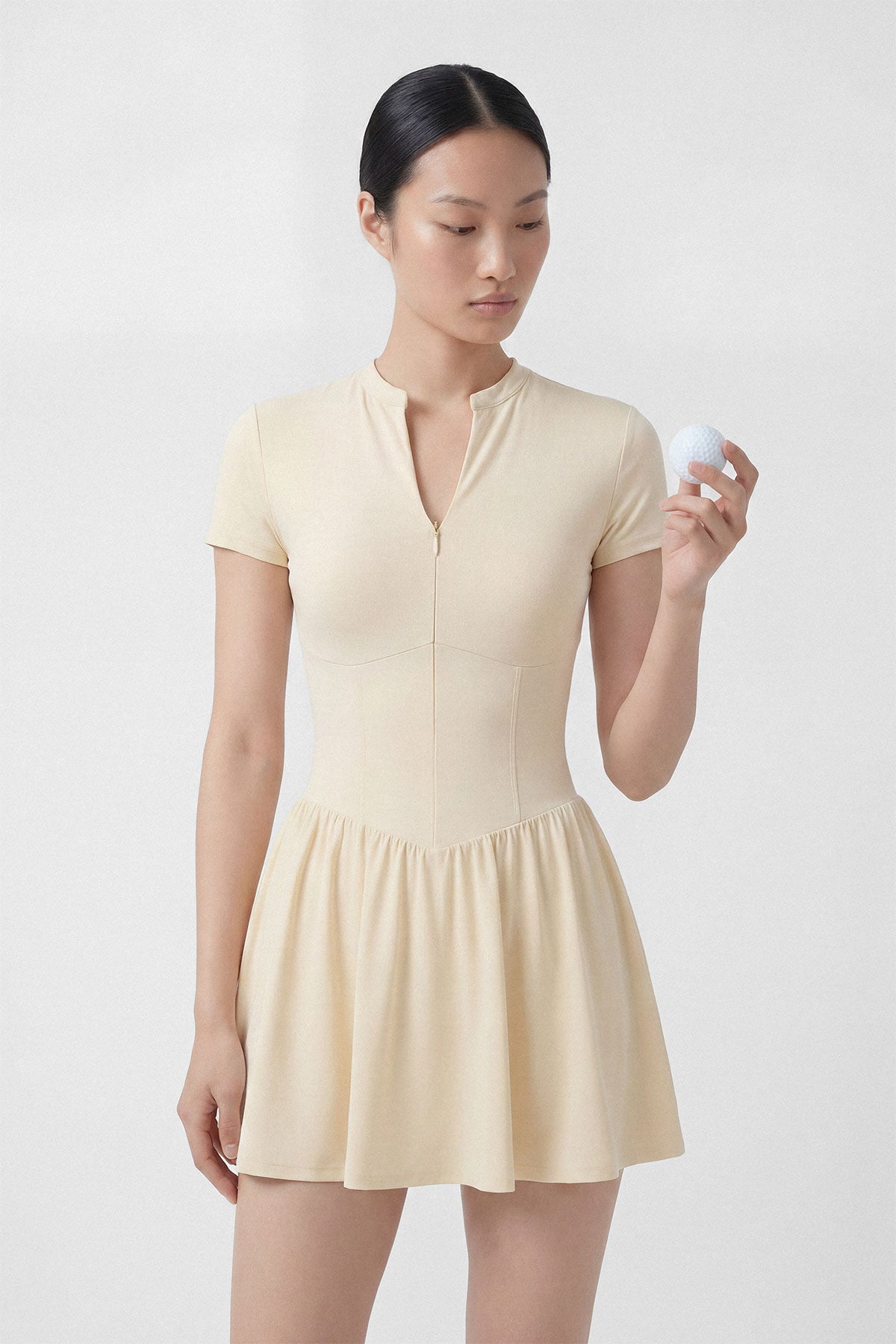
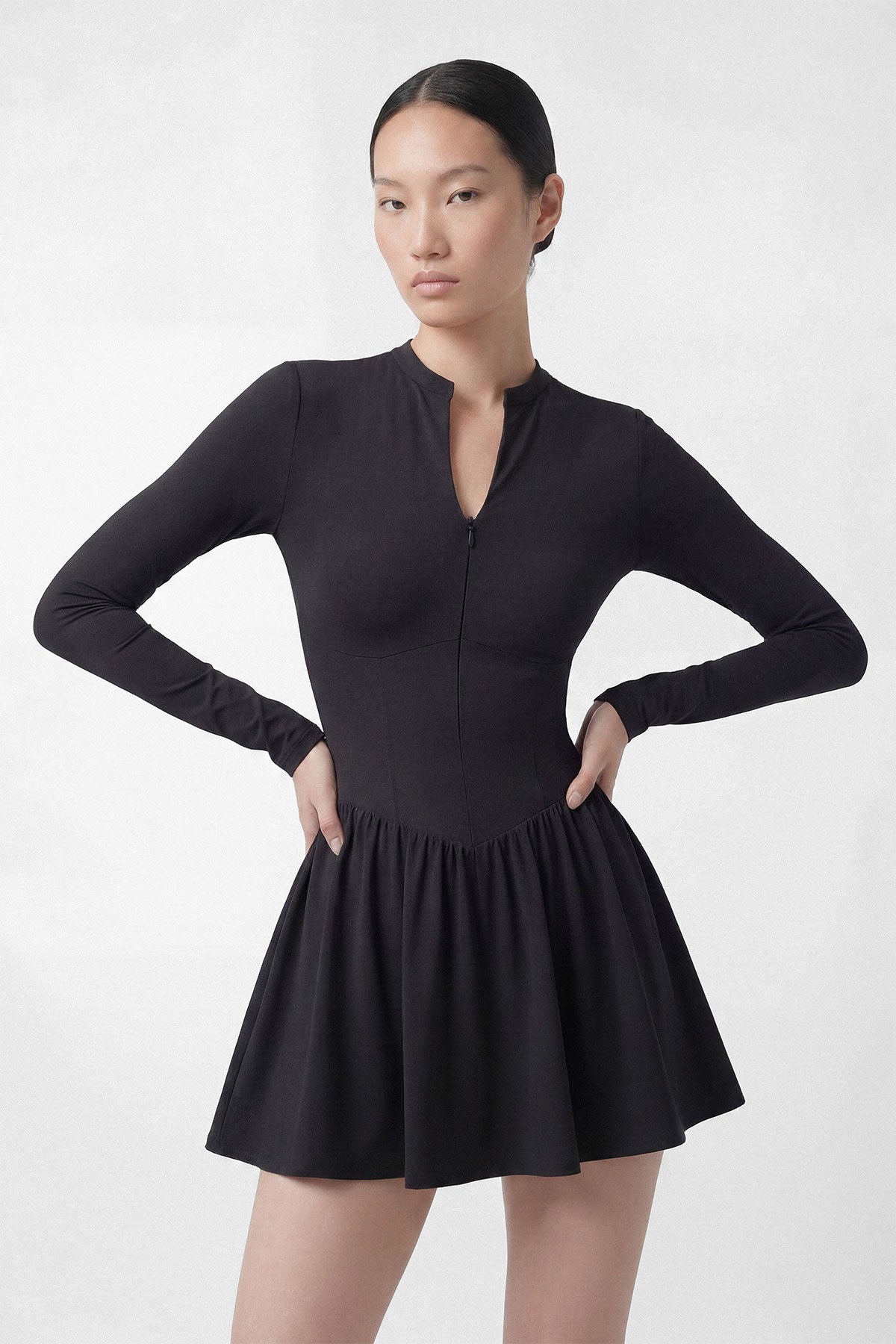
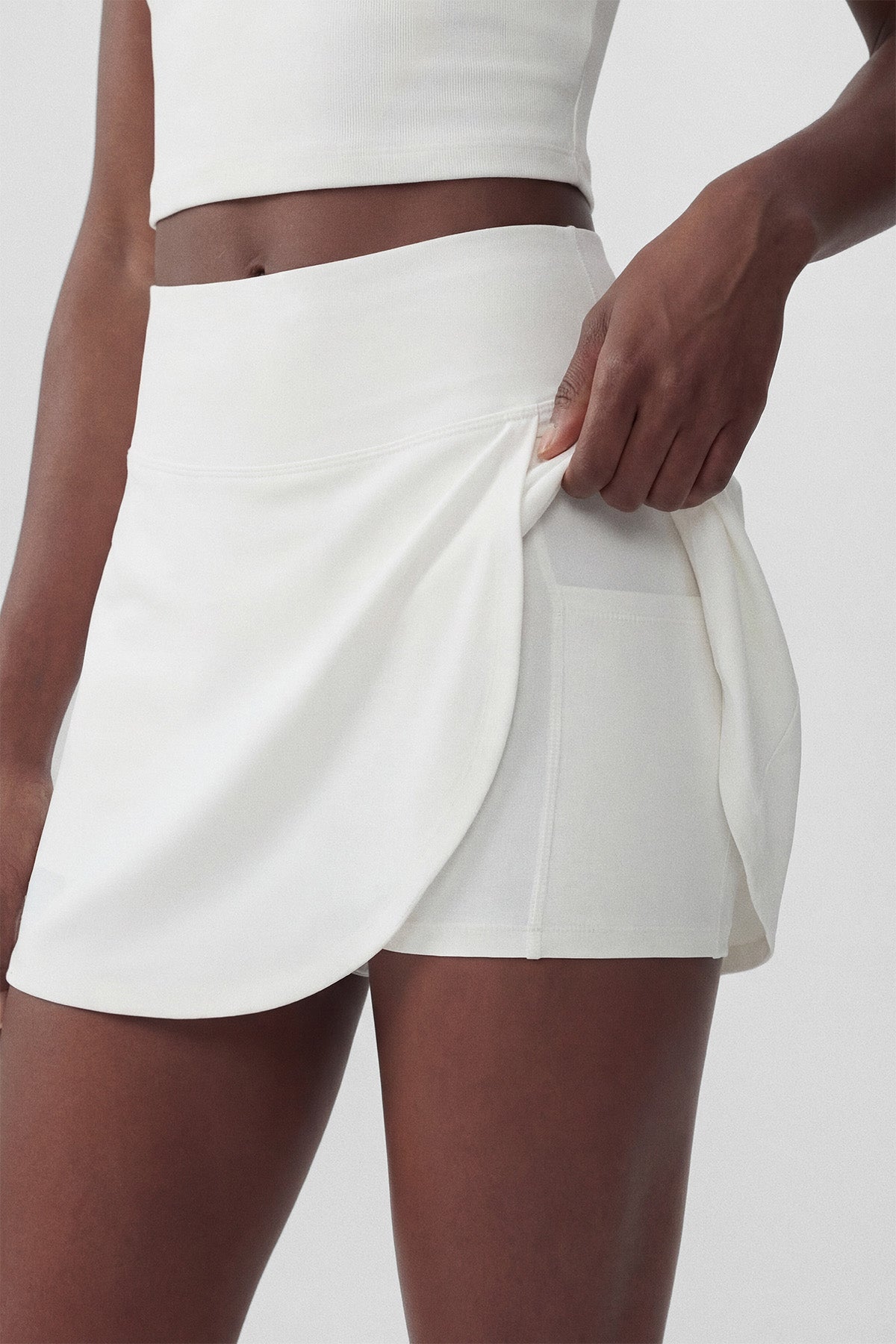
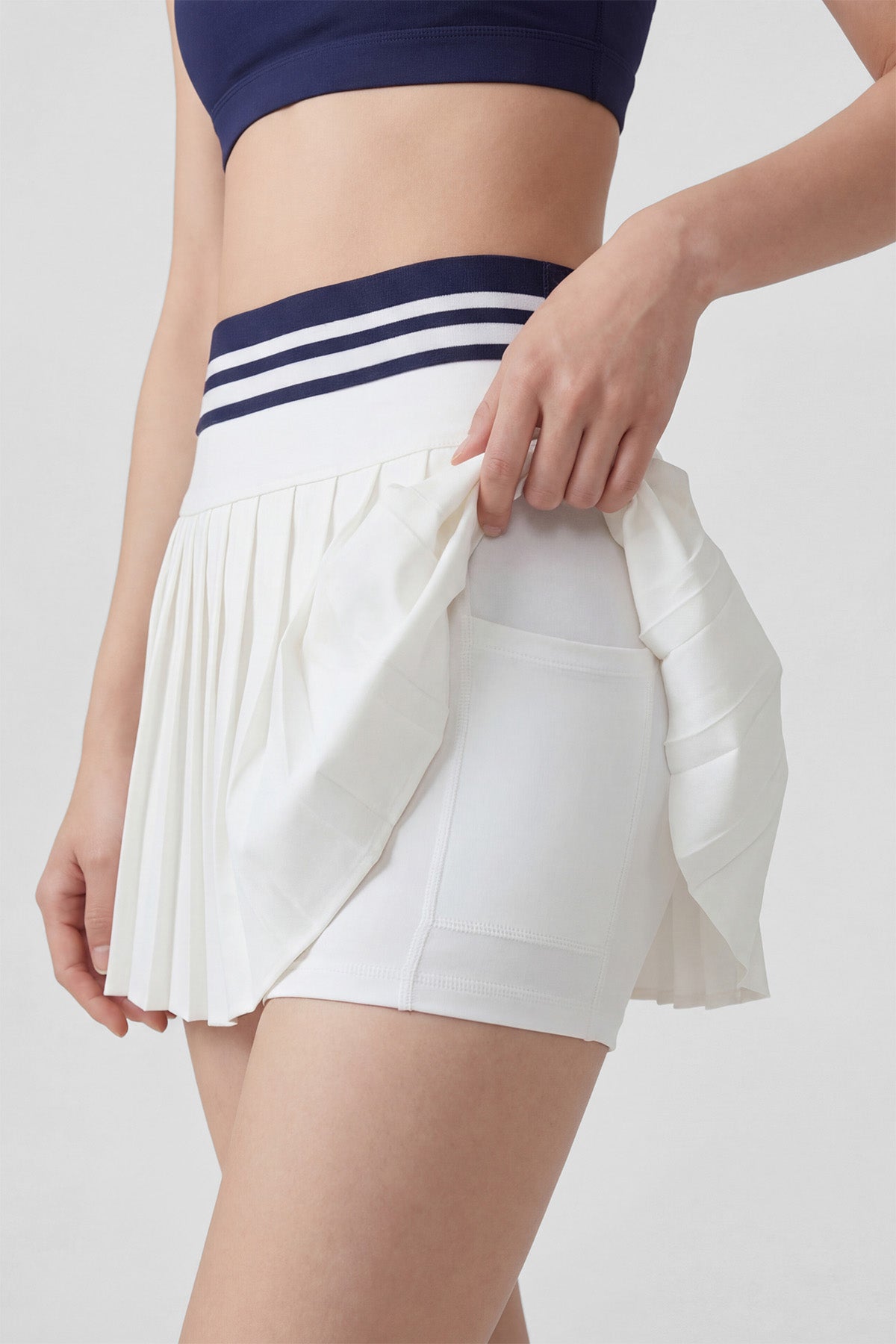
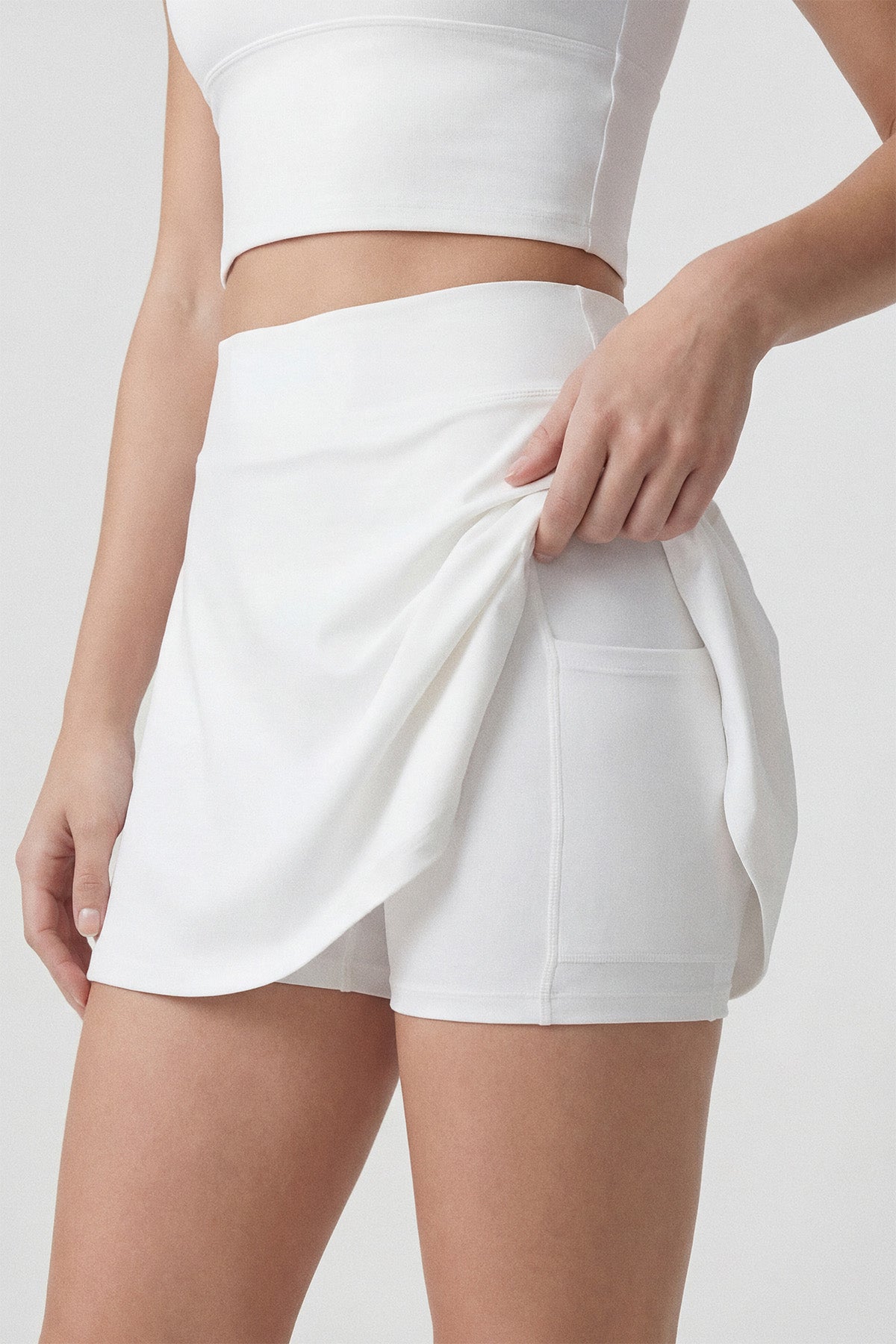
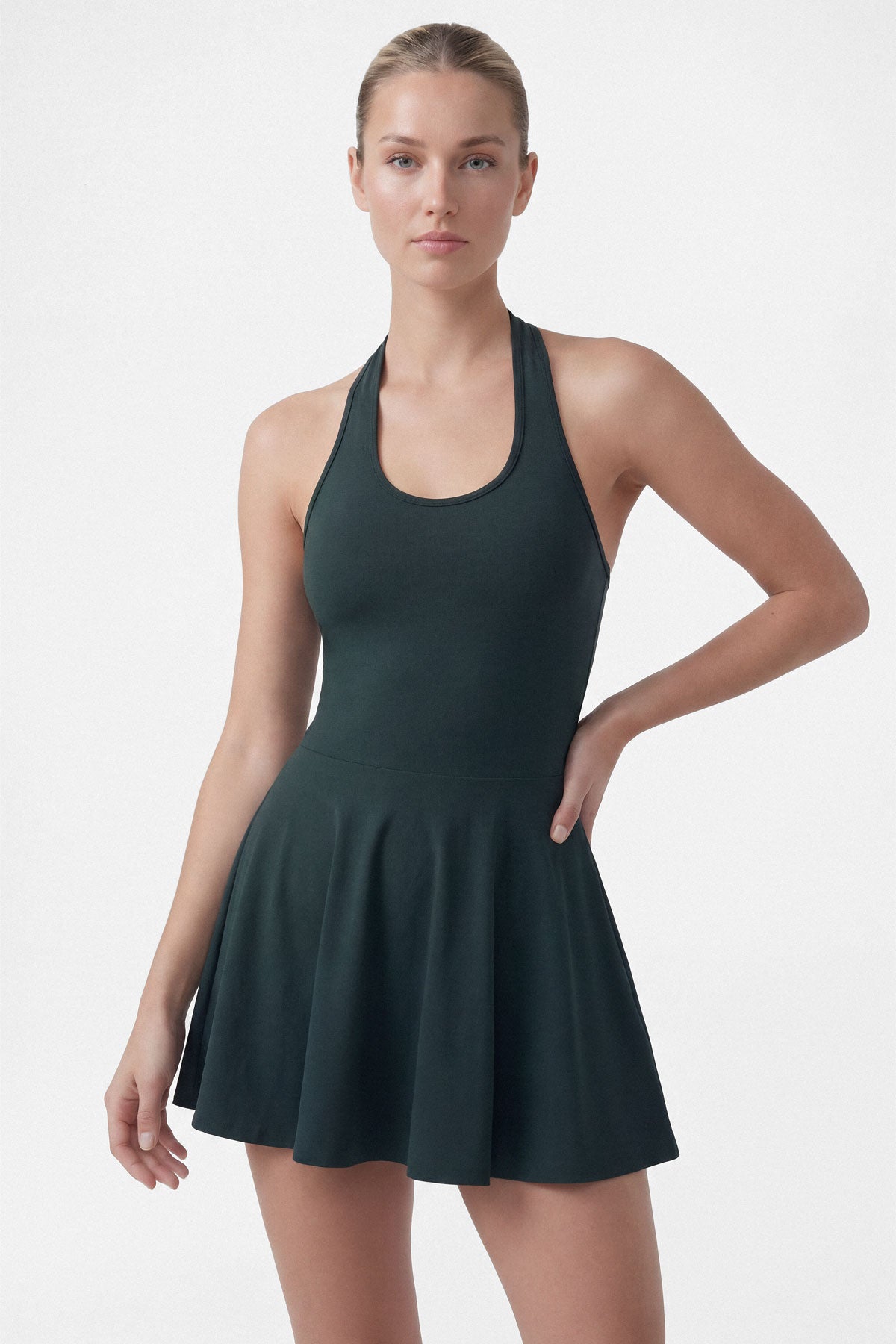
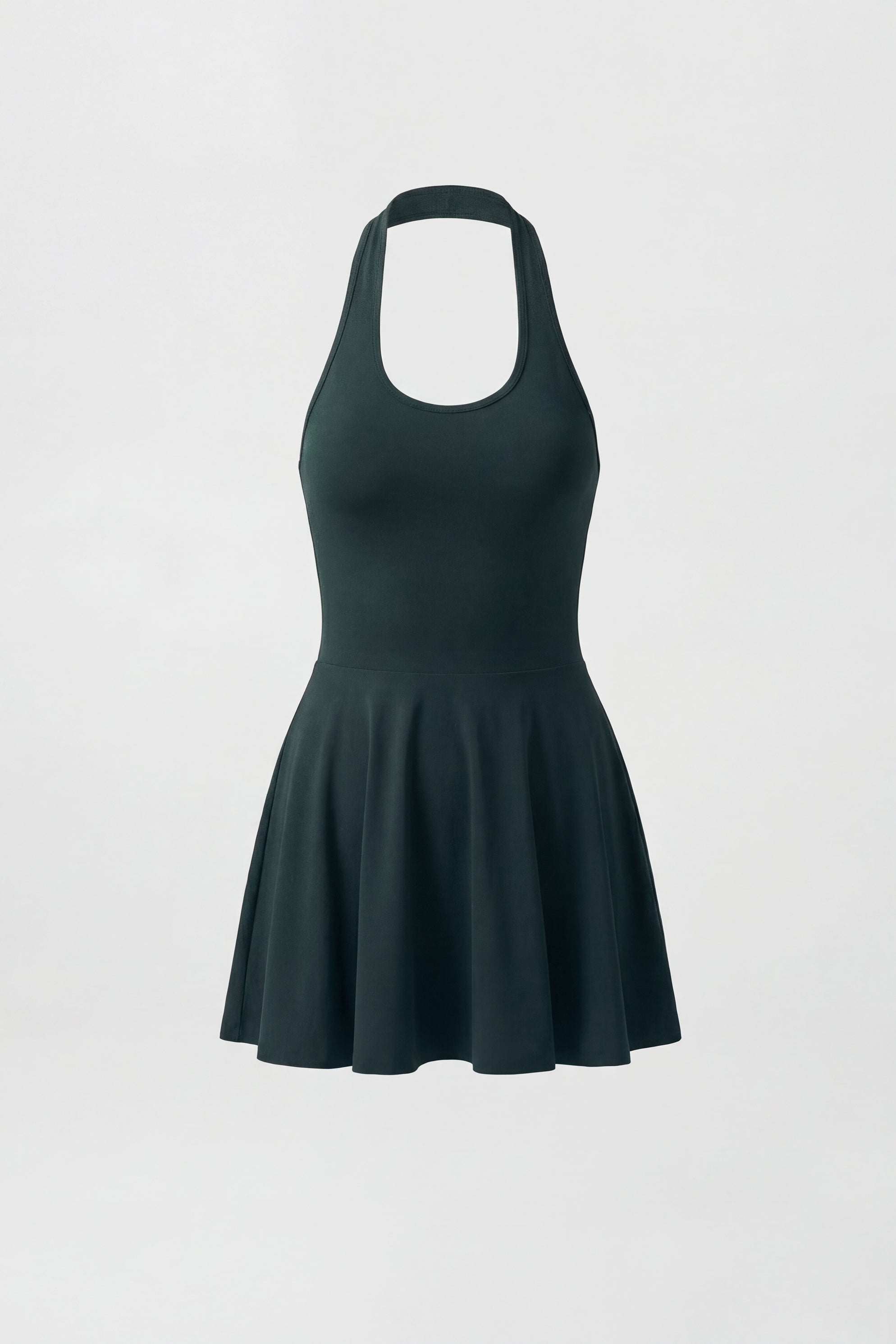
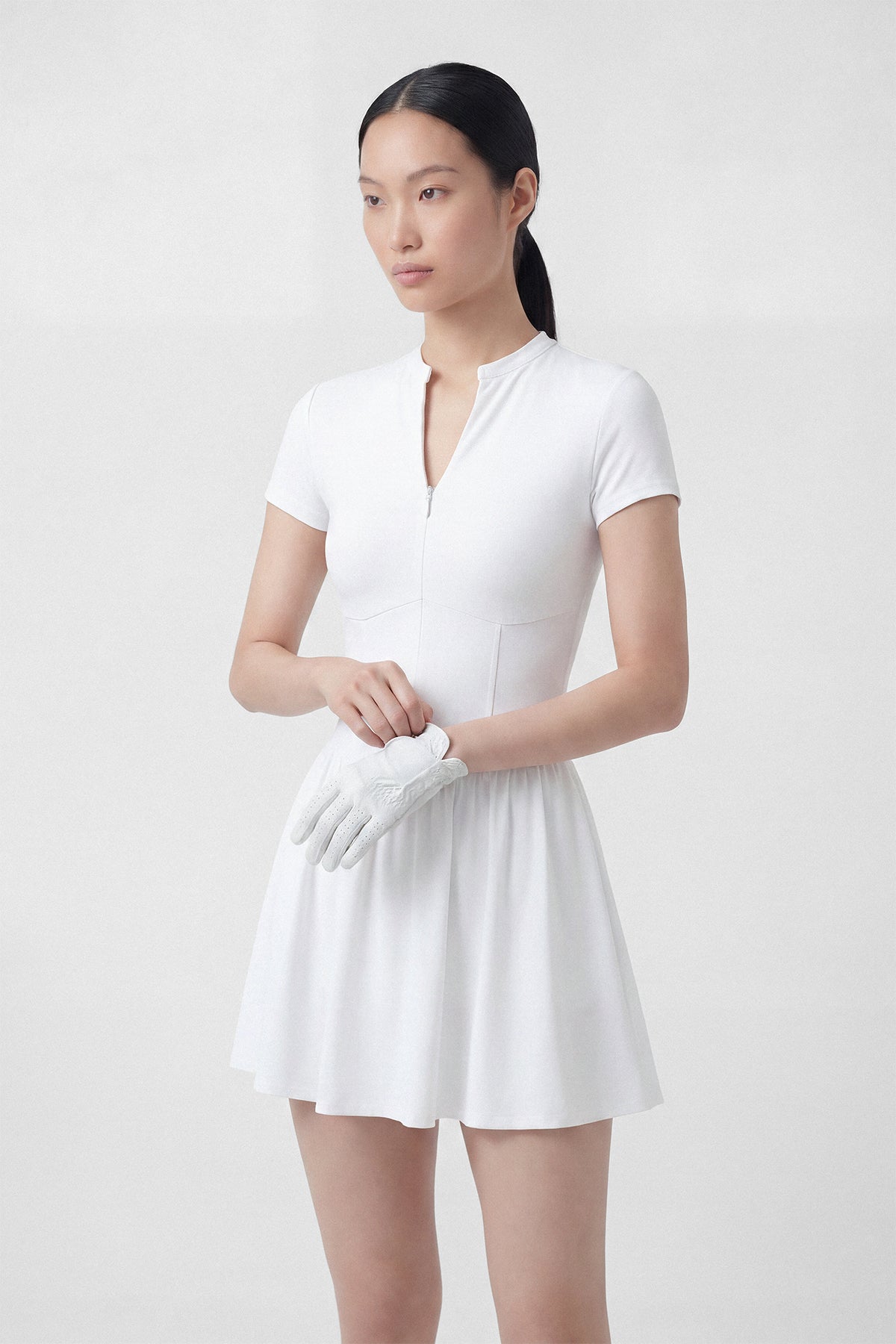
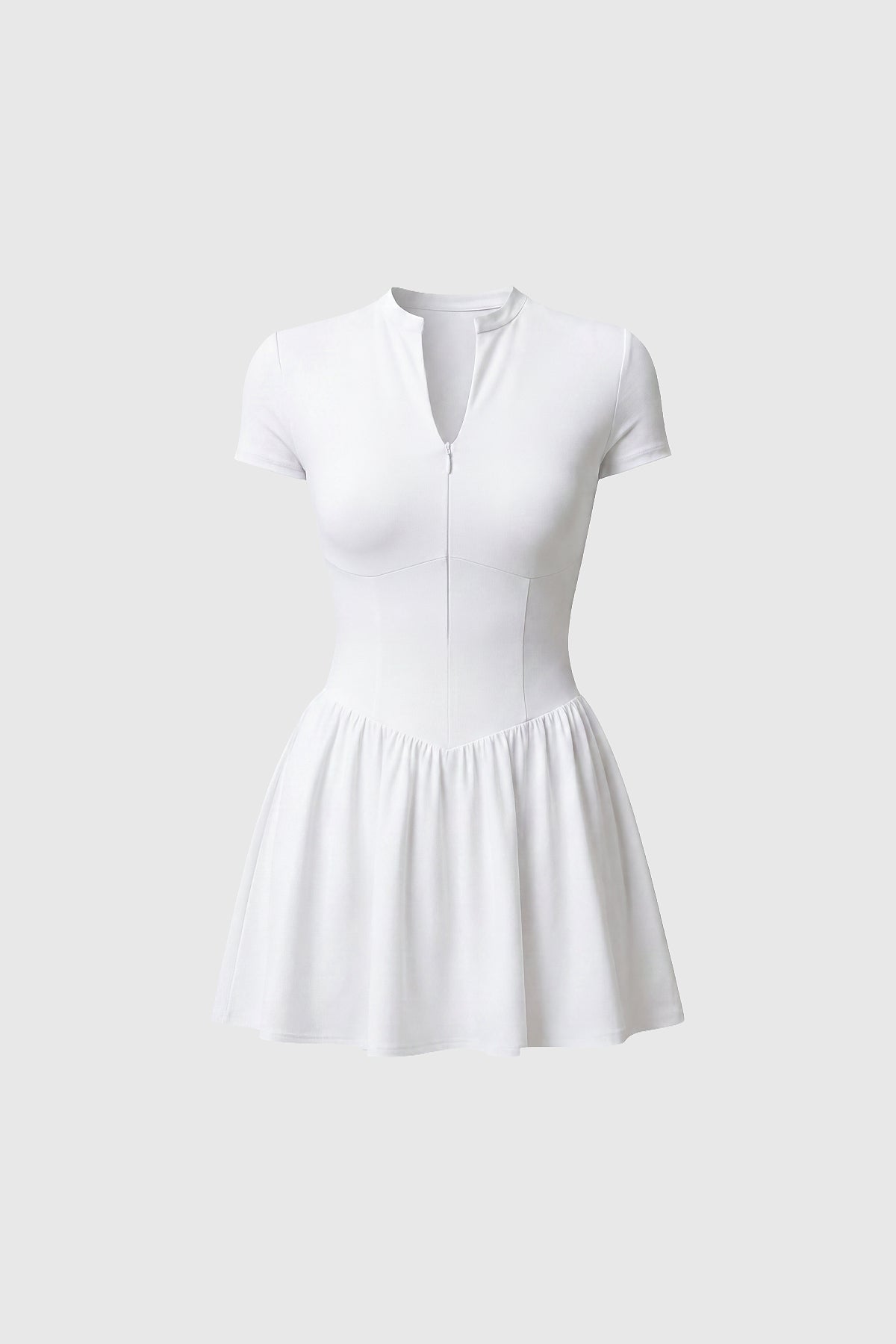
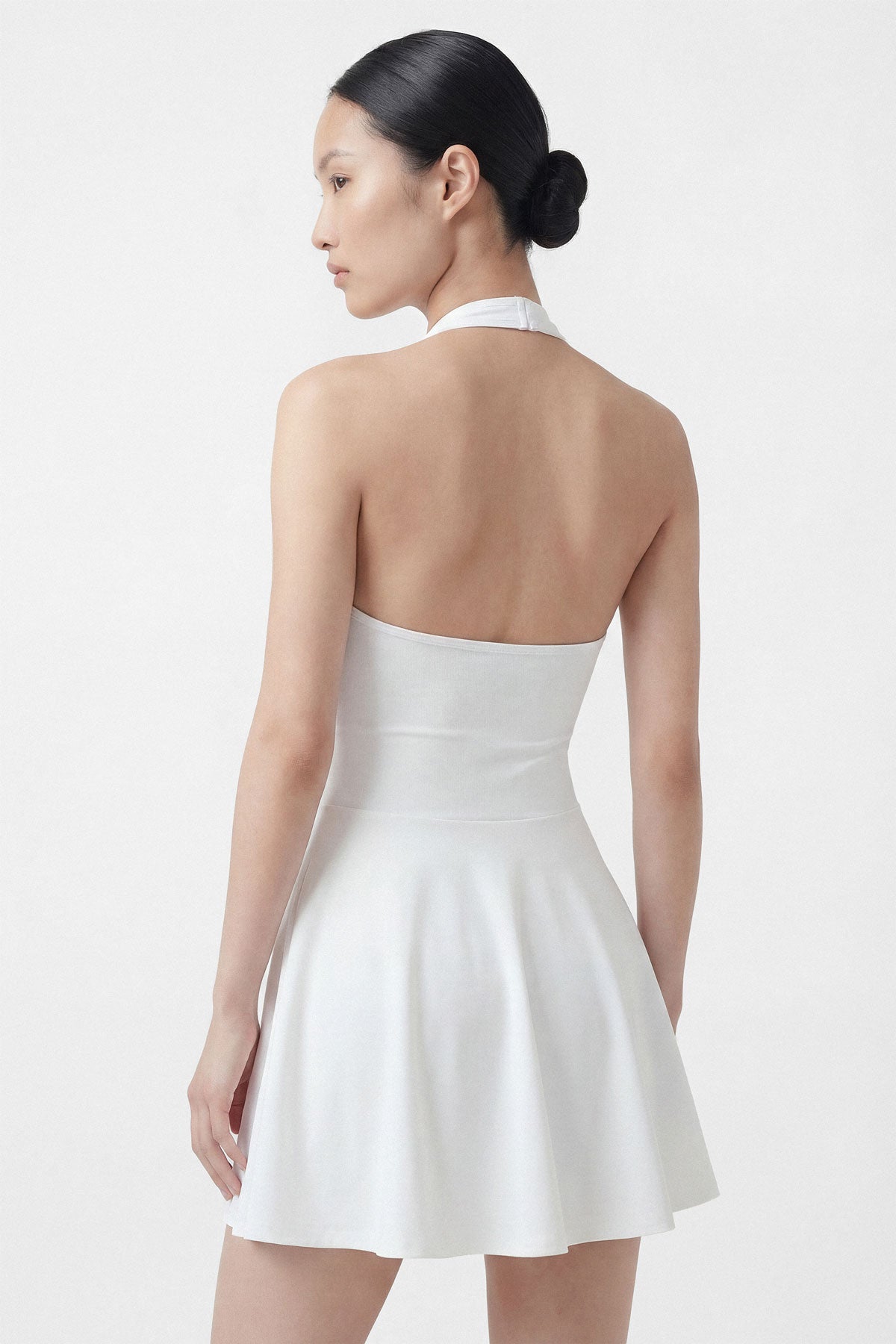
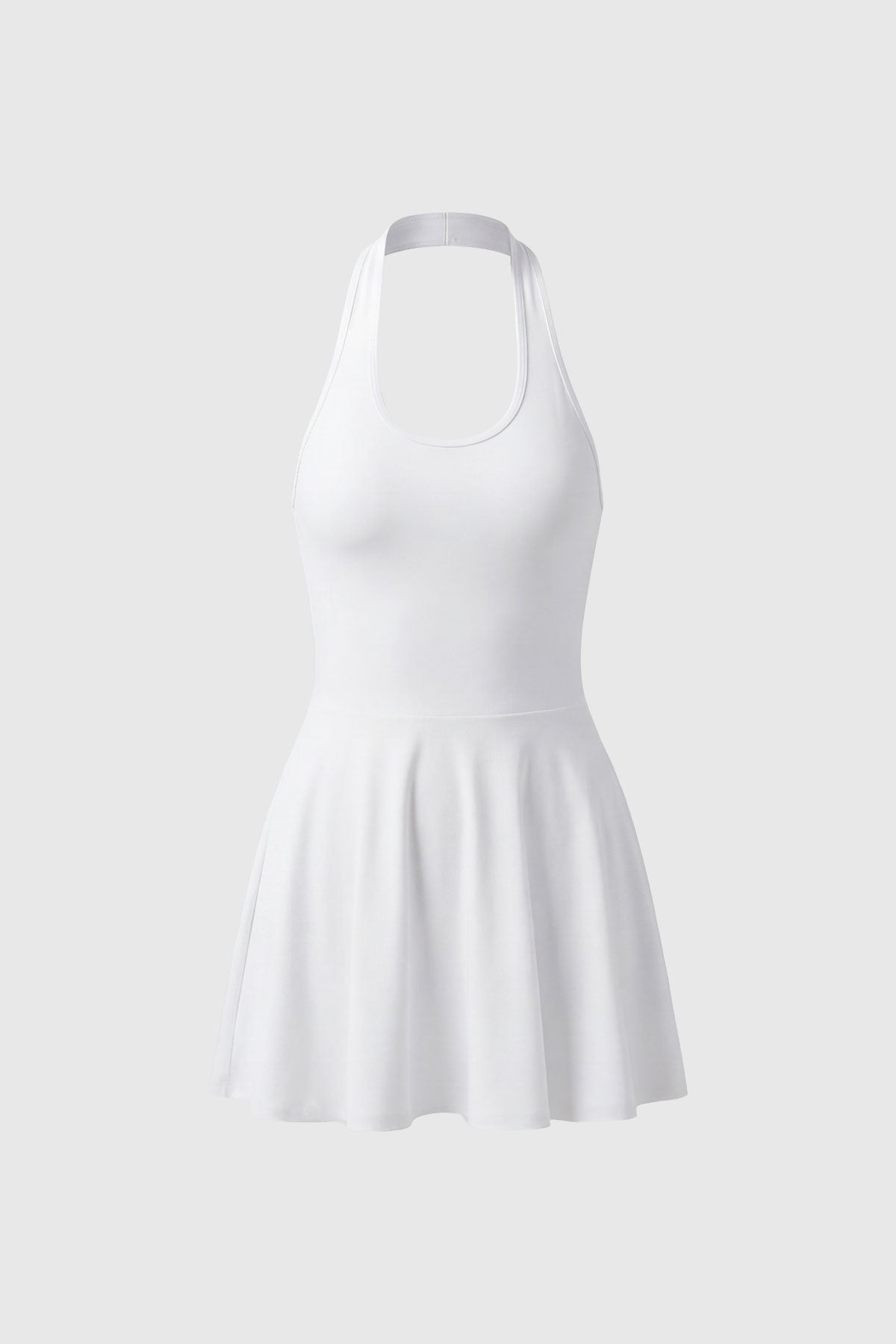
A golf dress creates an immediate, considered look. It is one decision, one clean line, and a silhouette that feels purposefully put together before you have picked up a club. The best styles bring practical details into the design: built-in shorts for coverage, pockets for the essentials, adjustable straps or supportive construction where needed, and breathable fabrics that remain comfortable through a full round.
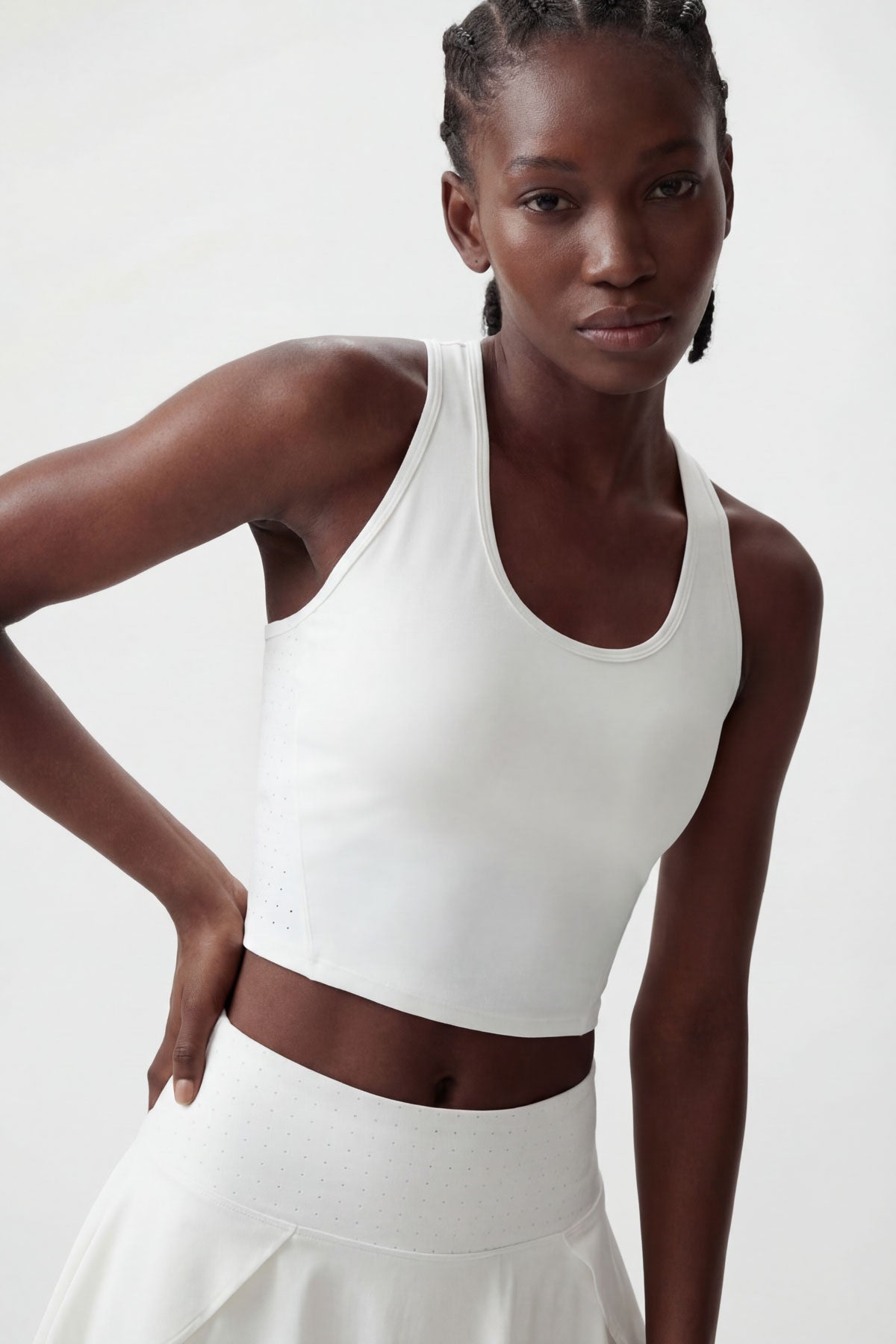
Separates offer a different kind of confidence. A skirt or skort paired with a polo, crop top or fitted layer lets you fine-tune your outfit around the forecast and your schedule. You can build a quieter tonal look, introduce contrast, or change the proportions depending on what feels right that morning.
Neither is inherently more practical. The better option is the one that removes friction from your game and fits naturally into the rest of your day.
Choose a Golf Dress When You Want Ease
There is a reason a well-designed golf dress has become a favourite for warm-weather rounds. Its appeal is not just aesthetic. It simplifies getting dressed while maintaining a refined, elevated look.
A dress is particularly effective when the temperature is settled and your day moves beyond the course. Think of an early tee time followed by lunch at the clubhouse, a casual afternoon meeting, or a drive straight to a long lunch with friends. With a streamlined shape and considered details, it can feel sport-specific without reading as purely technical.
The silhouette also has a visual advantage. A single colour or uninterrupted line can look composed from every angle, whether you are standing over a putt or sitting on the terrace afterwards. For players who prefer a minimal wardrobe, it is an easy way to create impact without overthinking the outfit.
That said, not every dress is made for golf. A style intended for off-course wear may lack the secure shorts, pocket placement and coverage that make a difference when you are bending, walking and swinging. Look for a golf dress designed around movement, rather than one that simply borrows the appearance of activewear.
Details that make a dress course-ready
The finish matters. Built-in shorts should stay comfortably in place and make it easy to move through a full swing. Side pockets are useful for a tee, scorecard pencil or mobile, while a secure pocket can keep a ball marker close without interrupting the line of the dress.
Consider the neckline and straps, too. A cleaner shape can feel elegant, but it still needs to sit securely as you rotate through your swing. Removable bra cups and adjustable straps give more control over the feel of the garment, especially across a longer day on course.
Choose Separates When Conditions May Change
Separates are the answer when flexibility is the priority. Golf often begins in cool air and ends under a bright Australian sun, particularly during spring and autumn. The ability to add a layer at the first tee, remove it after a few holes, or switch your top before heading out afterwards has real value.
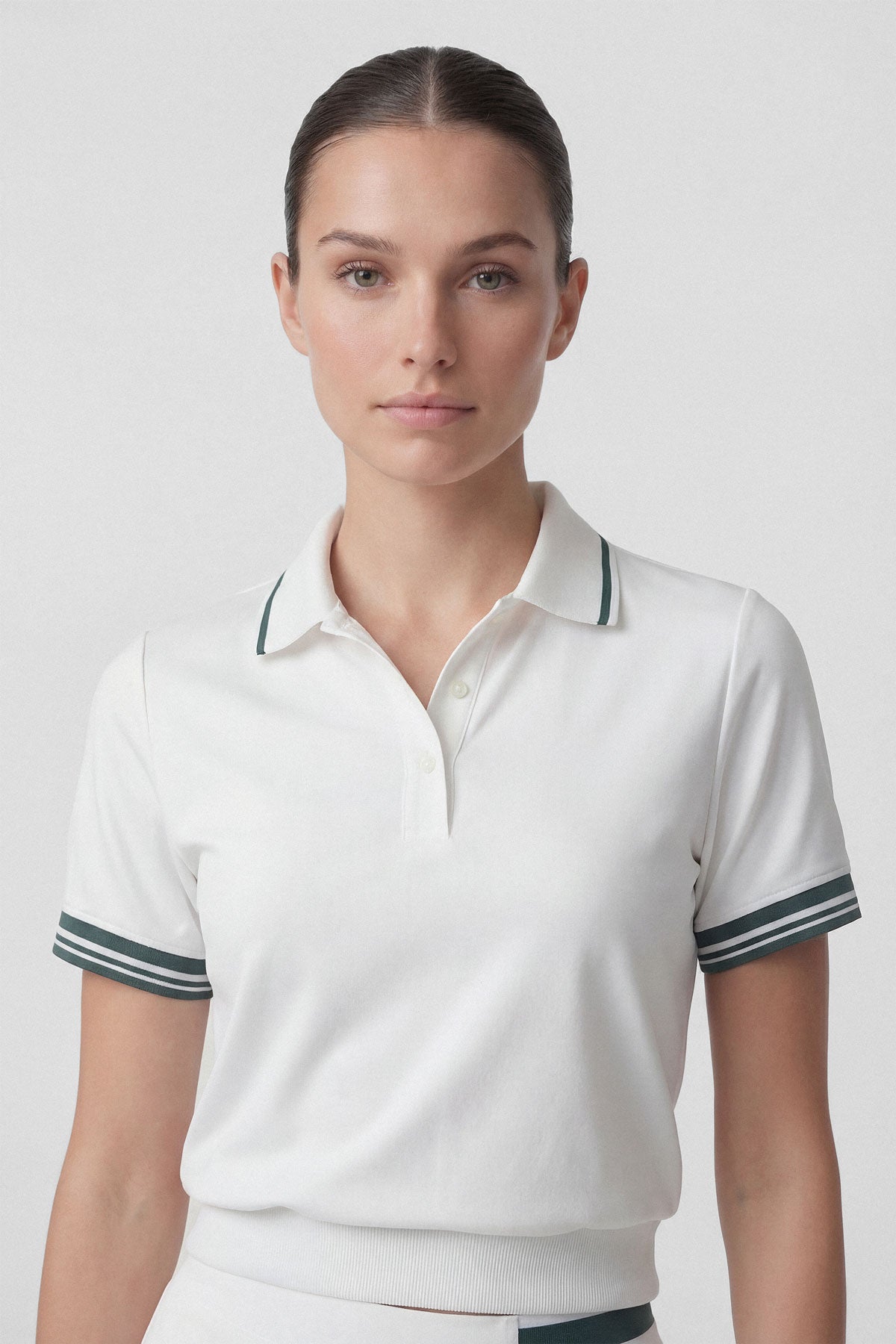
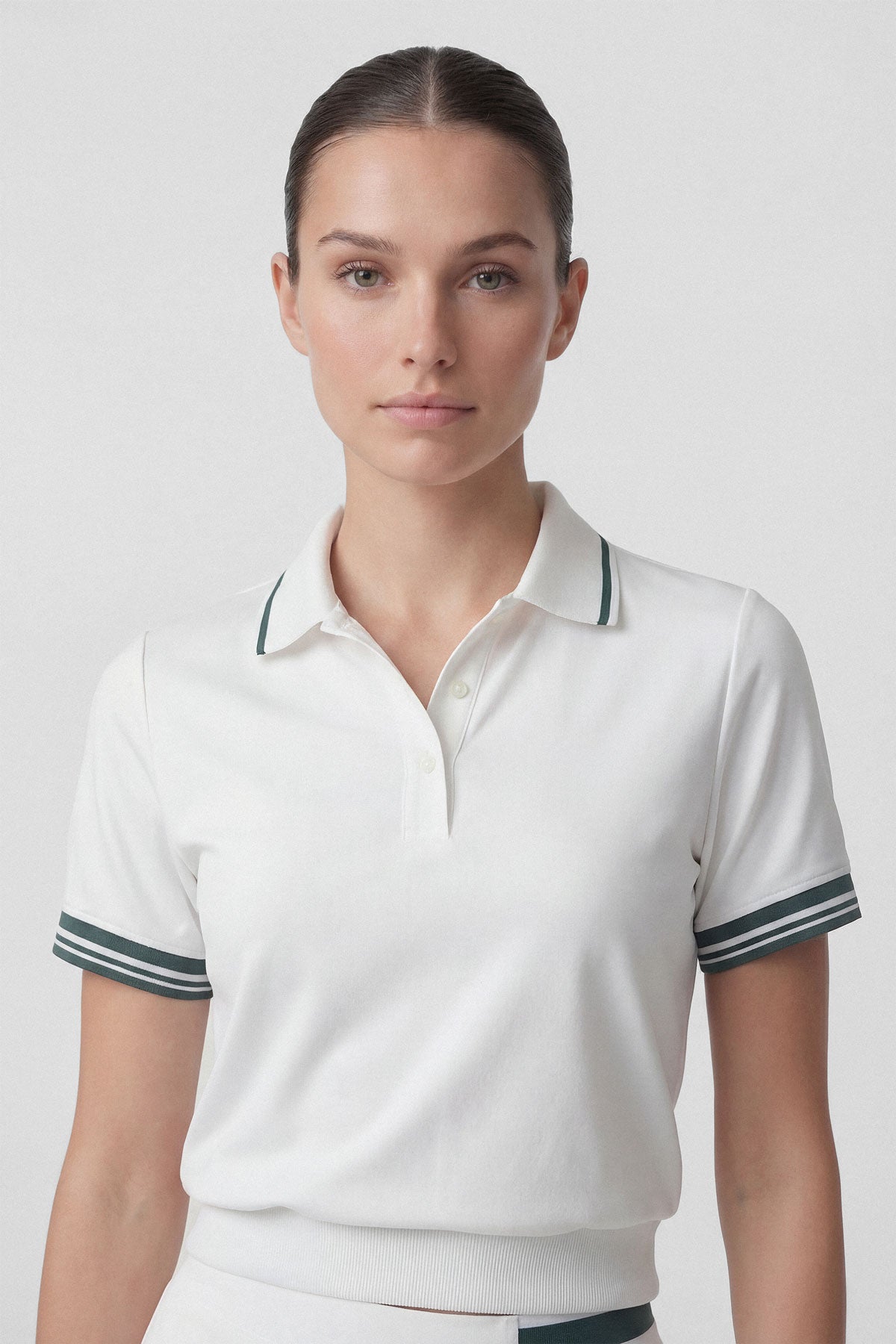
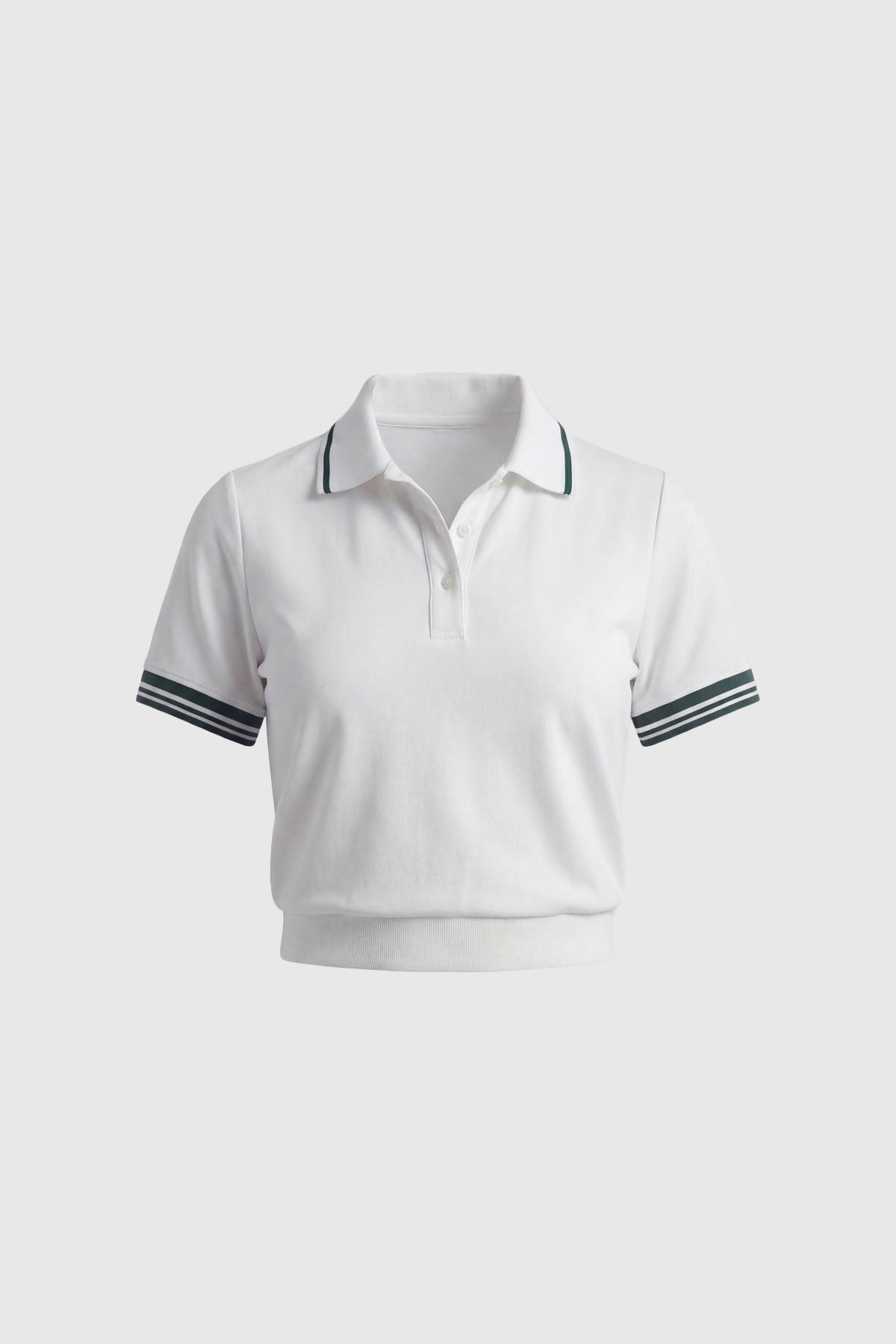
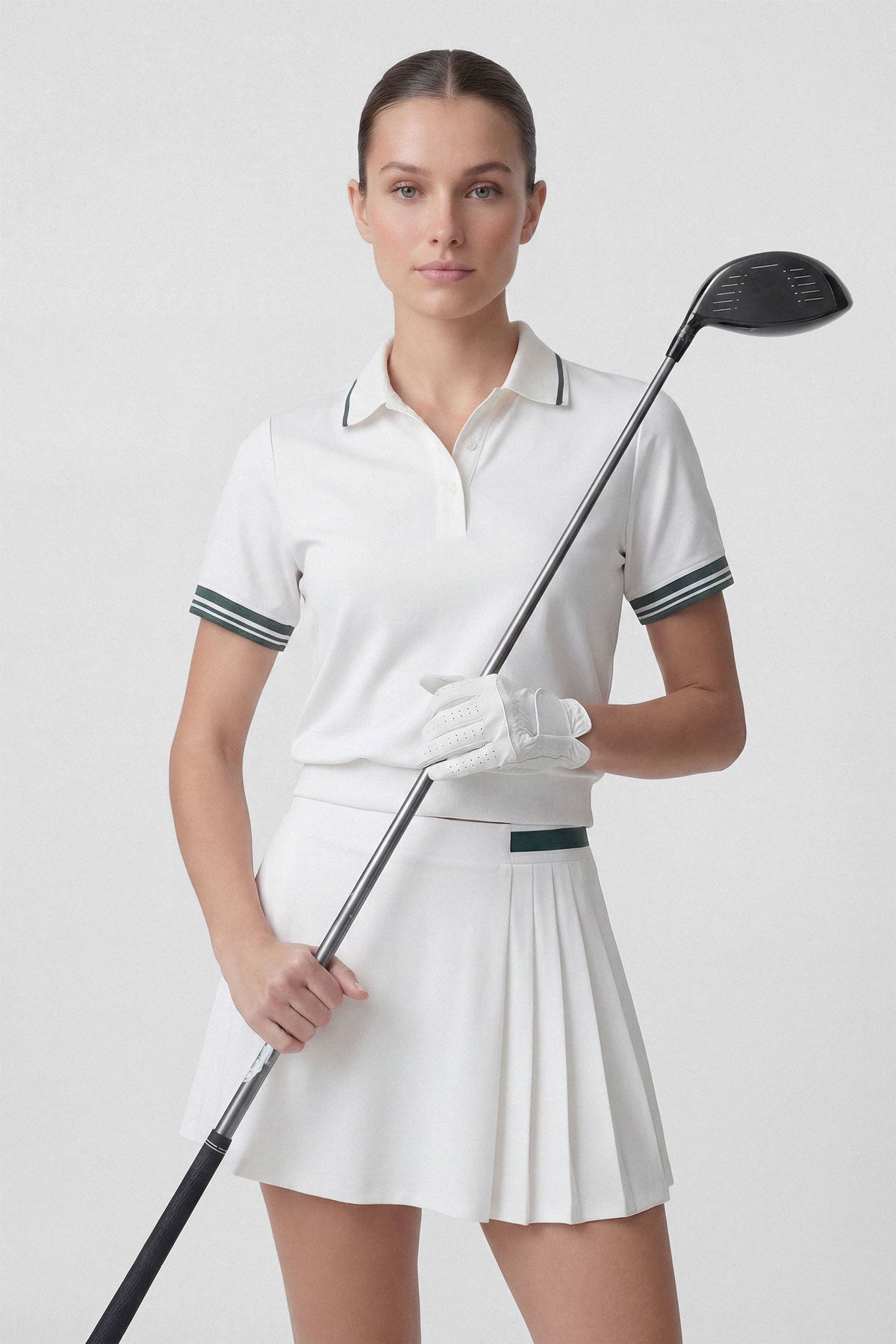
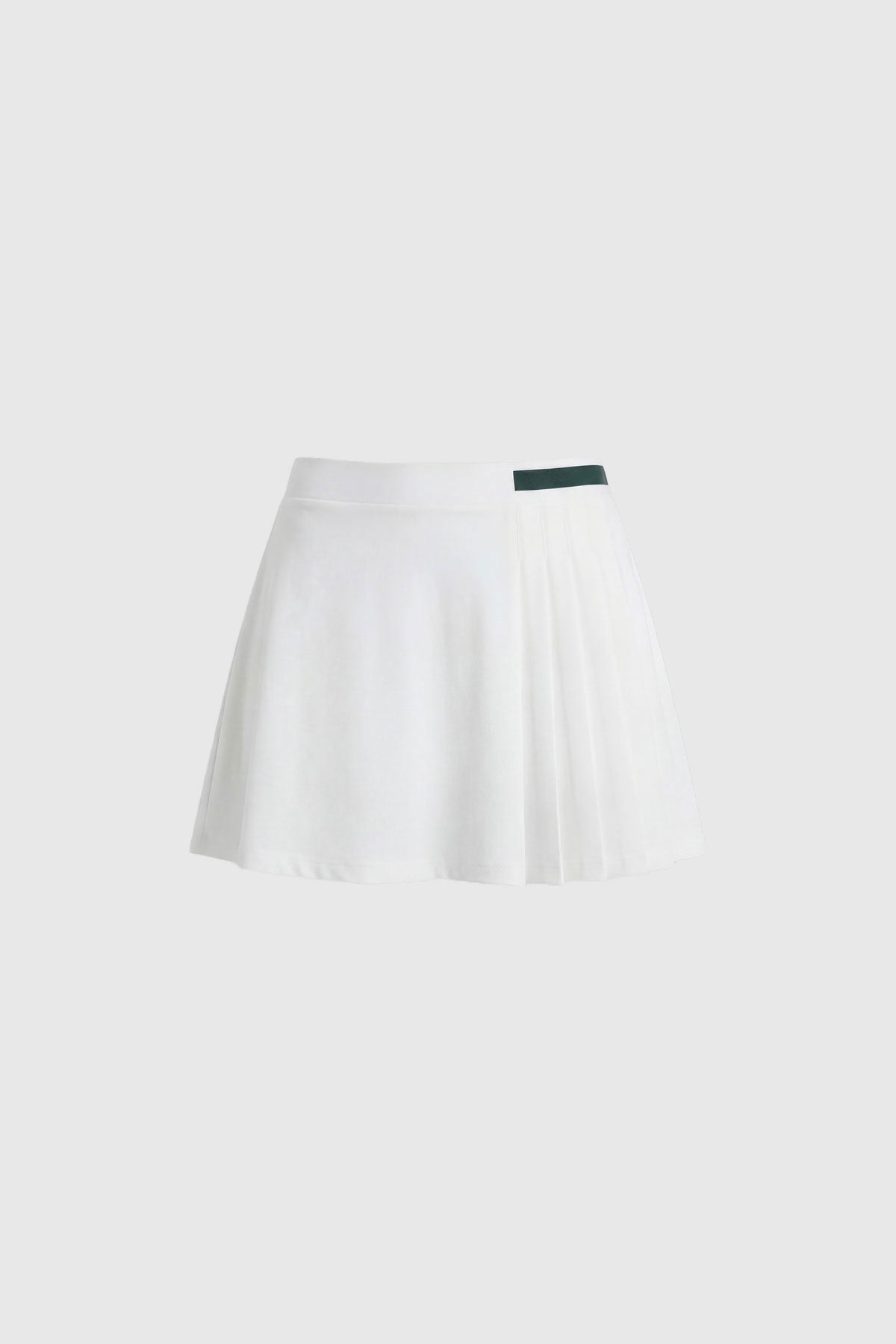
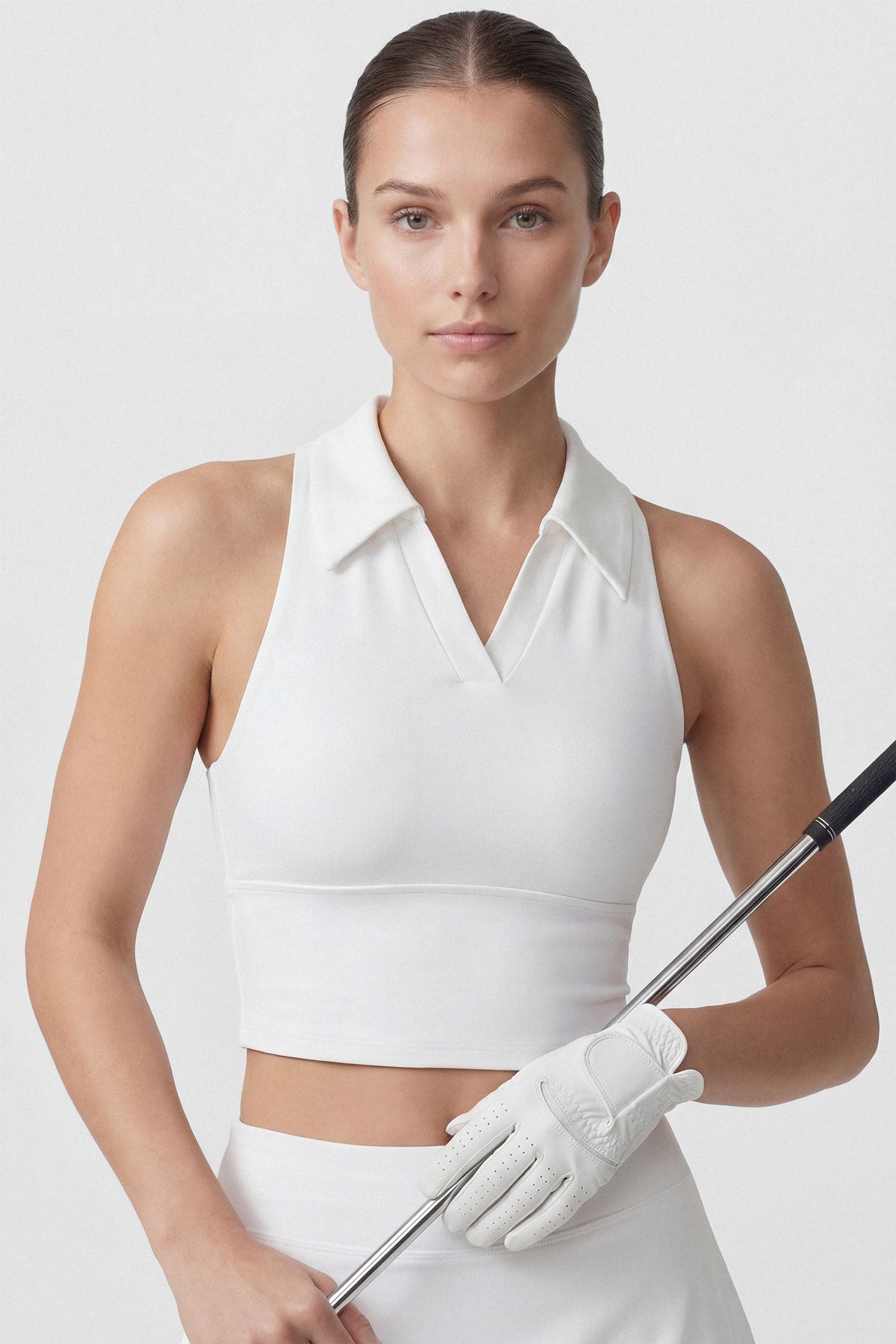
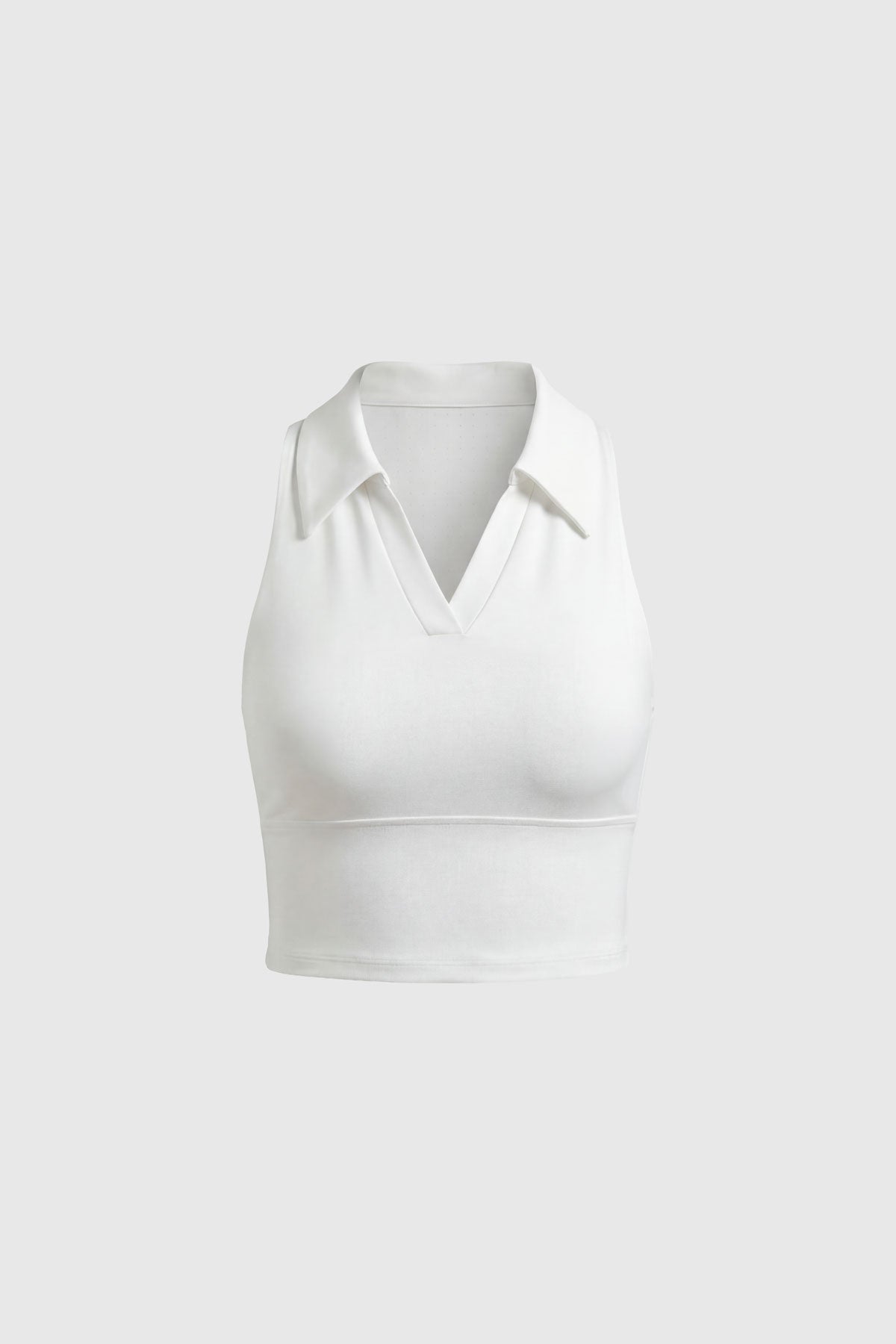
A skort and polo combination remains a classic for good reason. It offers coverage, a defined waist and a familiar course-ready profile, while allowing you to vary the top from round to round. A fitted crop top can create a more modern proportion with a high-waisted skirt, while a breathable polo offers a slightly more traditional finish.
Separates are also useful for players who prefer to change one element without changing the entire outfit. The same black skort can take on a very different character with a crisp white polo, a tonal sleeveless top or a lightweight long-sleeve layer. This makes a smaller wardrobe feel more considered, not repetitive.
For travel, they can be the more efficient choice. A few complementary pieces give you several outfits without filling your golf bag or weekender. If you play regularly, that repeat value is worth considering.
The trade-off: more options, more decisions
The freedom of separates comes with one small drawback: they require some coordination. A top that rides up, a skirt that sits too low, or layers in competing proportions can distract from an otherwise polished look.
The simplest solution is to build around a restrained palette. Choose one or two base colours for skirts, skorts and layers, then select tops that work across them. This keeps getting dressed easy while leaving room for personality in texture, shape and small design details.
Consider How You Play, Not Just How You Look
Style should be part of the decision, but it should not be the only one. Your usual round tells you a lot about which format will serve you best.
If you walk eighteen holes, a dress with lightweight construction and reliable built-in shorts may feel especially effortless. If you play in a regular group where the post-round coffee is part of the ritual, either option can work, though a dress may offer the quickest transition. If you play across changing conditions, or prefer extra coverage early in the morning, separates give you more control.
Your course dress code matters as well. Many clubs welcome contemporary golf apparel, but expectations can vary. A collared polo, an appropriate hem length and a neat finish are generally the safest choices where the guidelines are more traditional. A dress with a collar or a tailored skort-and-polo pairing keeps the look modern while respecting the setting.
It is also worth thinking about pockets before you buy. Golf asks a lot of small things from an outfit: tees, balls, markers, a glove, perhaps a mobile. A silhouette can look beautiful, but if it leaves you carrying essentials between shots, it may not be the piece you reach for most often.
Build a Rotation Rather Than Choosing Sides
The strongest golf wardrobes rarely choose dresses over separates entirely. They make space for both.
A refined dress can be the piece you reach for on clear, warm days when you want a complete look in seconds. A small rotation of skirts or skorts, polished tops and light layers covers cooler starts, varied conditions and the desire to wear something different without starting from scratch.
This approach also lets each piece work harder. A sleeveless golf dress can be worn beneath a lightweight layer in the morning, then on its own once the sun is up. A high-waisted skort can move from a fitted polo to a cropped top depending on the plan. The point is not to have more options for their own sake. It is to have the right options for the way you actually play.
A simple way to decide before your next round
Start with the forecast. If it is consistently warm, a dress offers clean, uncomplicated ease. If the day begins cool, ends hot, or includes uncertain conditions, lean towards separates and bring a layer.
Then consider the social plan. A dress makes a strong choice when you want one polished silhouette that can move from tee box to table. Separates are ideal when you want to adjust your look throughout the day or prefer a more personalised combination.
Finally, trust the piece that makes you feel settled. The best golf outfit does not demand attention once you are on the course. It lets you focus on the next shot, move freely through the round and arrive at the nineteenth hole looking as composed as when you started.


Read more
Cute tennis outfits women can wear from first serve to post-match plans, with polished silhouettes, thoughtful support and court-ready details for play.
Wondering what to wear golf lessons? Choose polished, practical layers, supportive shoes and course-ready details for a confident first session outside.