

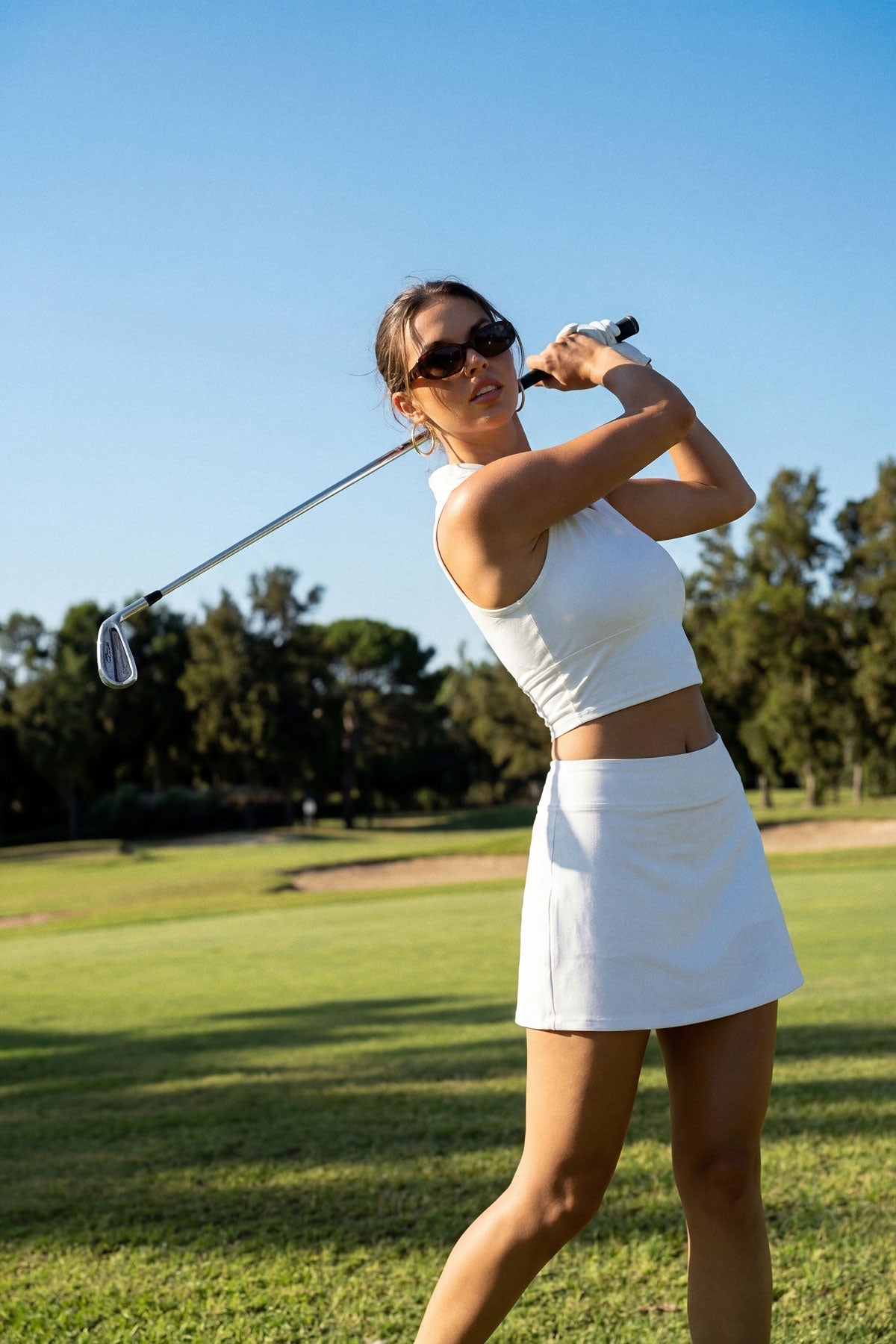
What to Wear Golf Lessons: A Modern Guide
Your first lesson is not the time to discover that your skirt rides up on the follow-through or that your top restricts your shoulder turn. When deciding what to wear golf lessons, think of your outfit as part of your set-up: polished enough for the club, practical enough to move freely, and comfortable enough to keep your attention on the swing.
Golf has a particular visual language, but it need not feel stiff or overly traditional. The best lesson outfit brings a refined, considered look to the range or practice green while allowing for rotation, walking and the occasional change in weather. Start with pieces that feel like you, then make sure the details are made for play.
What to Wear to Golf Lessons
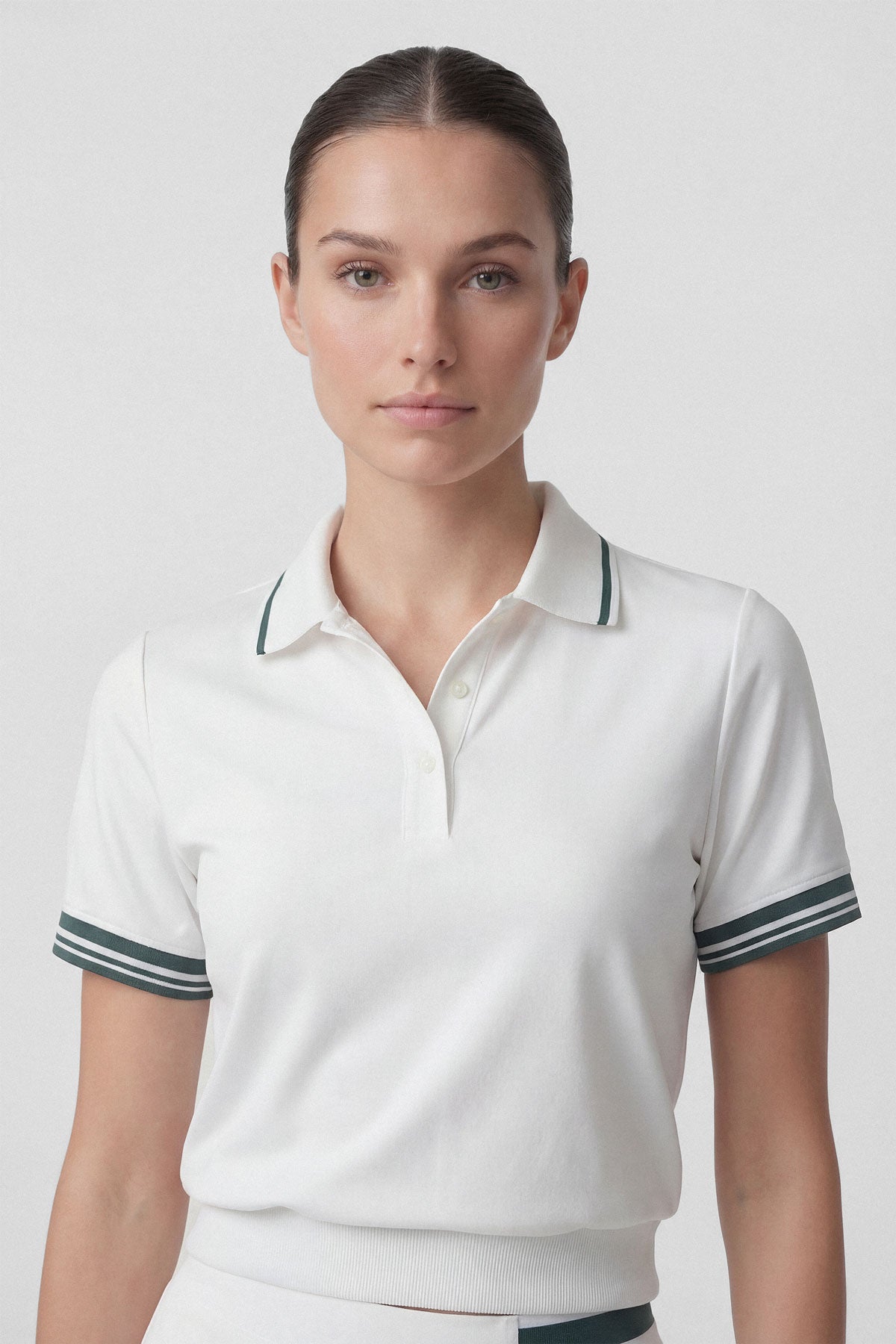
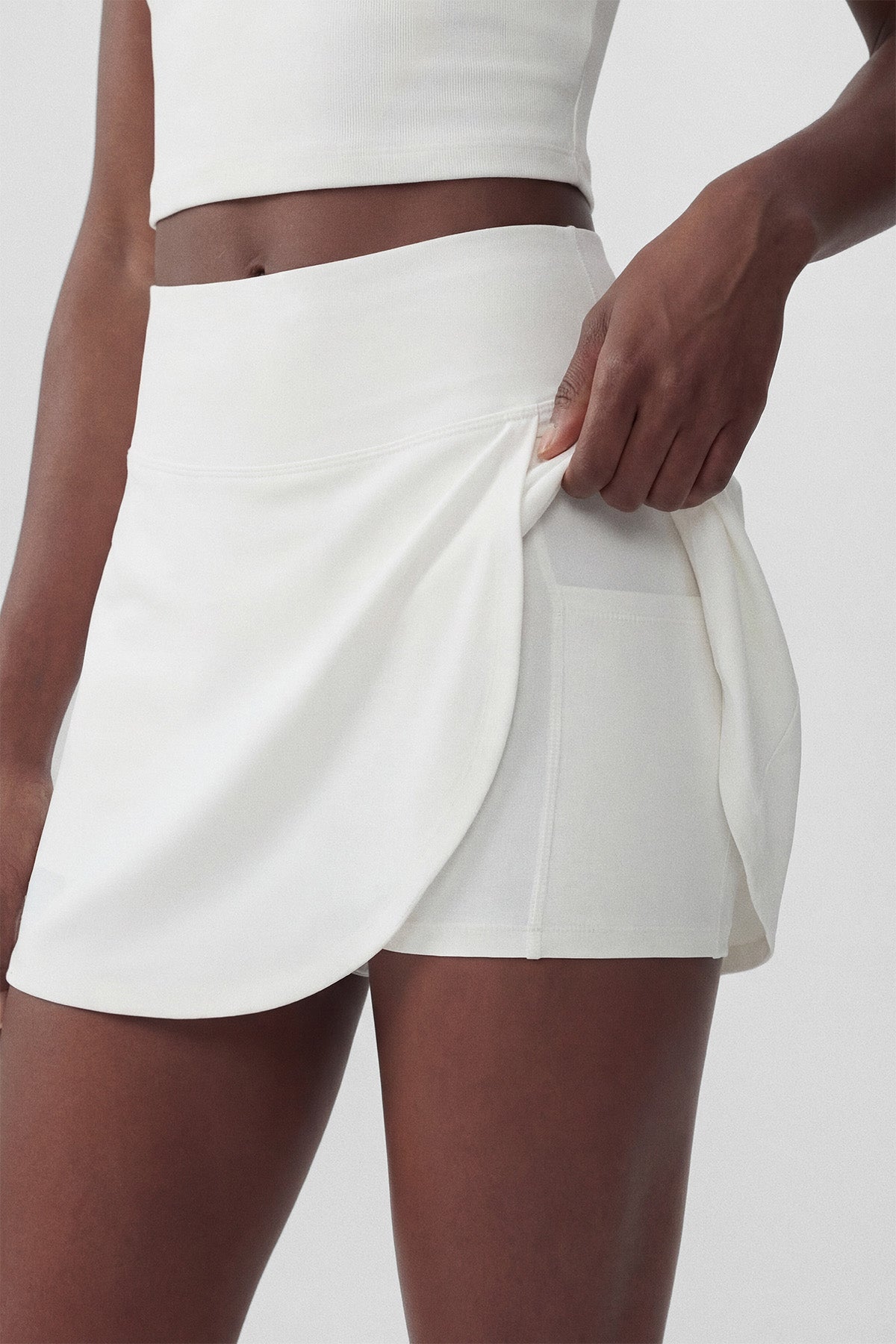
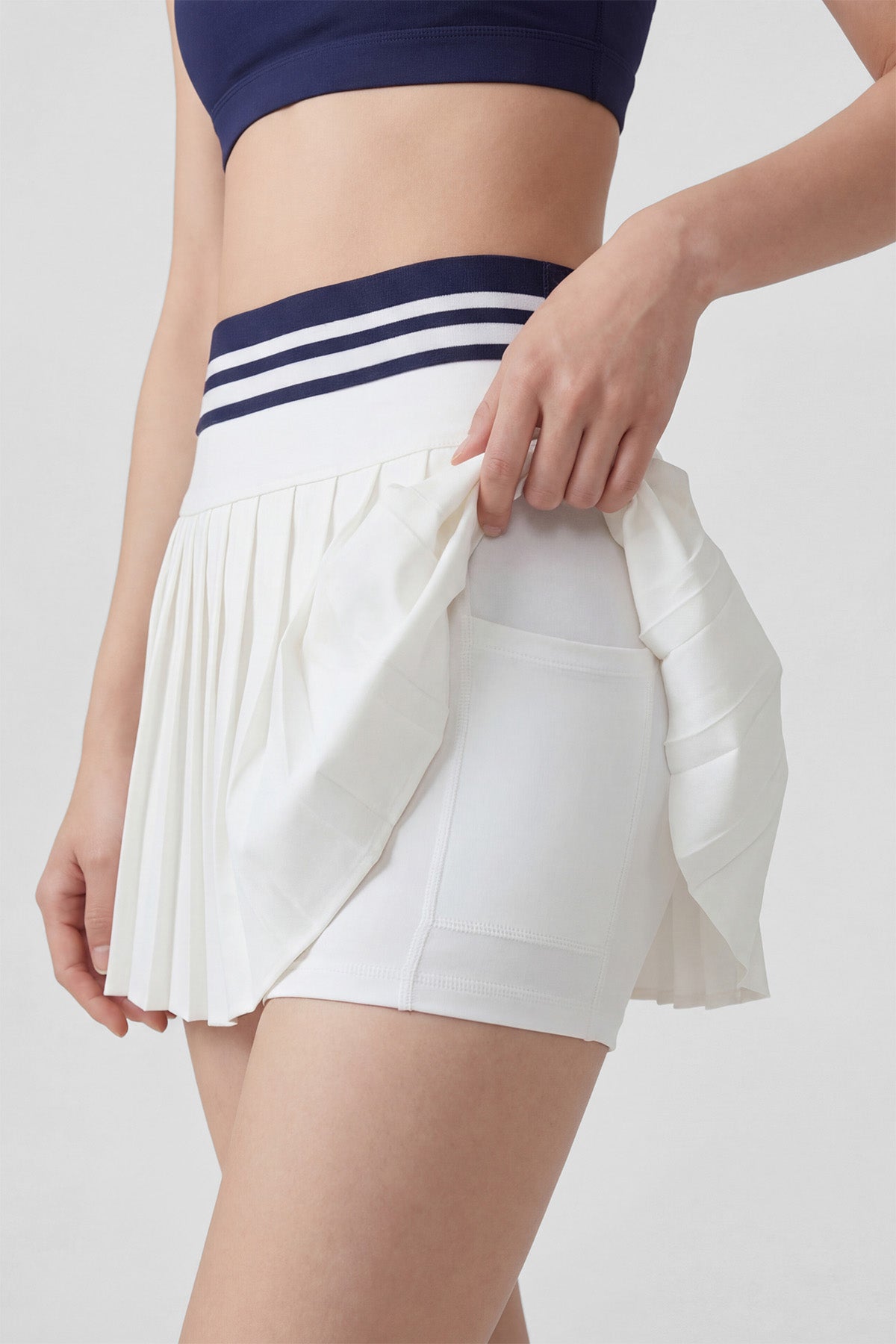
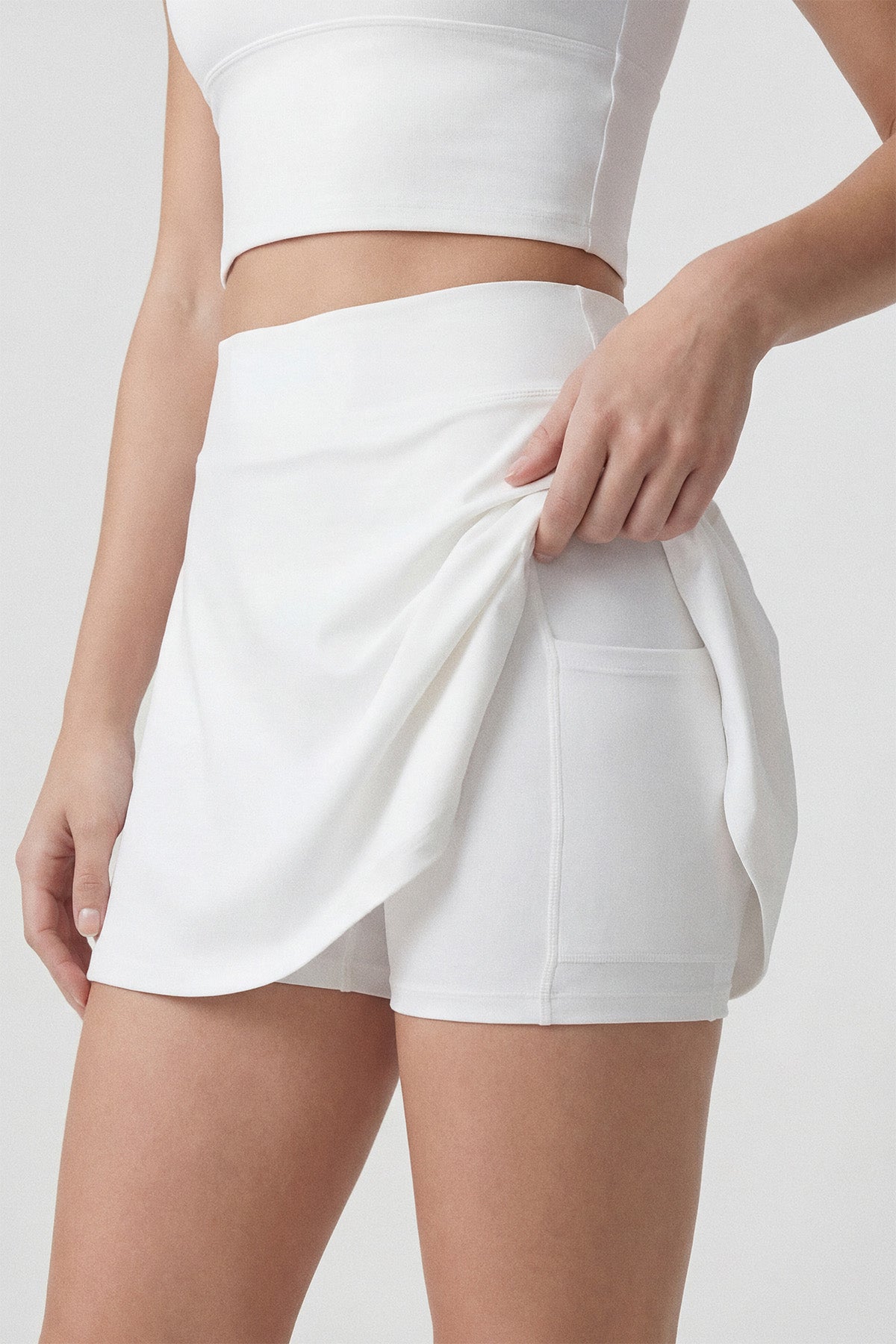
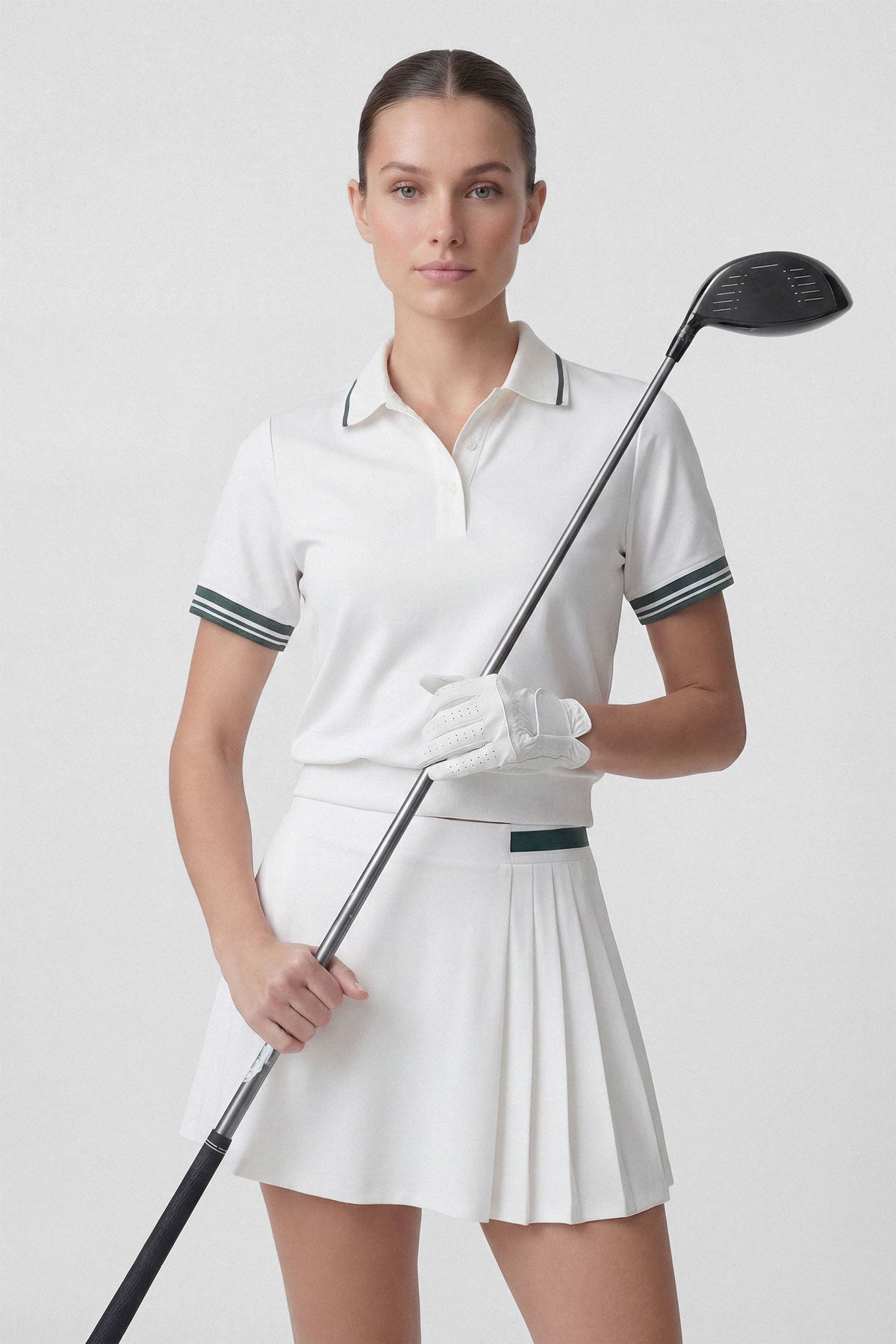
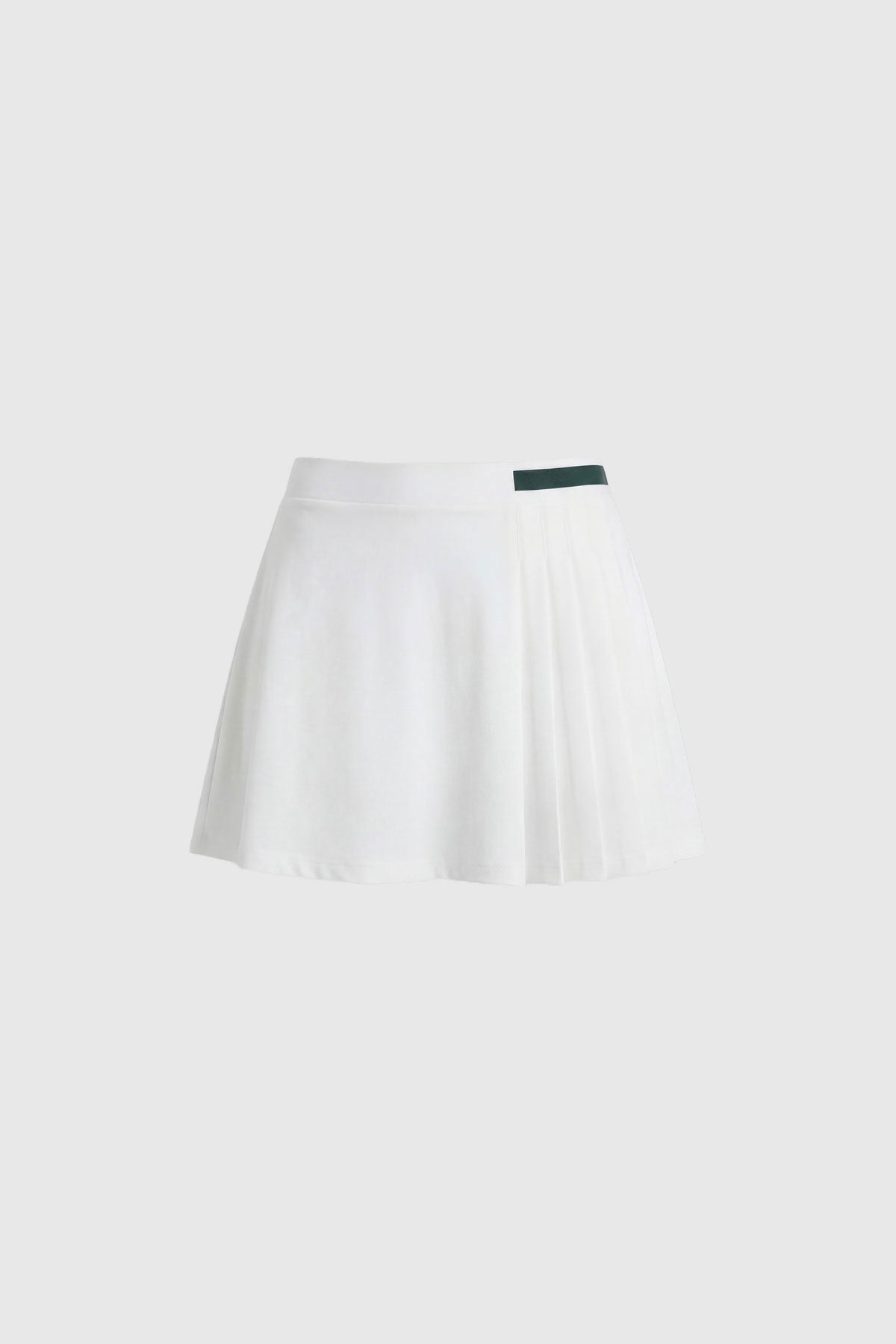
For most women, a polo or fitted performance top paired with a skort, skirt with built-in shorts, tailored shorts or lightweight pants is an easy place to begin. This combination meets the expectations of most golf facilities and gives you the coverage and ease required for a lesson.
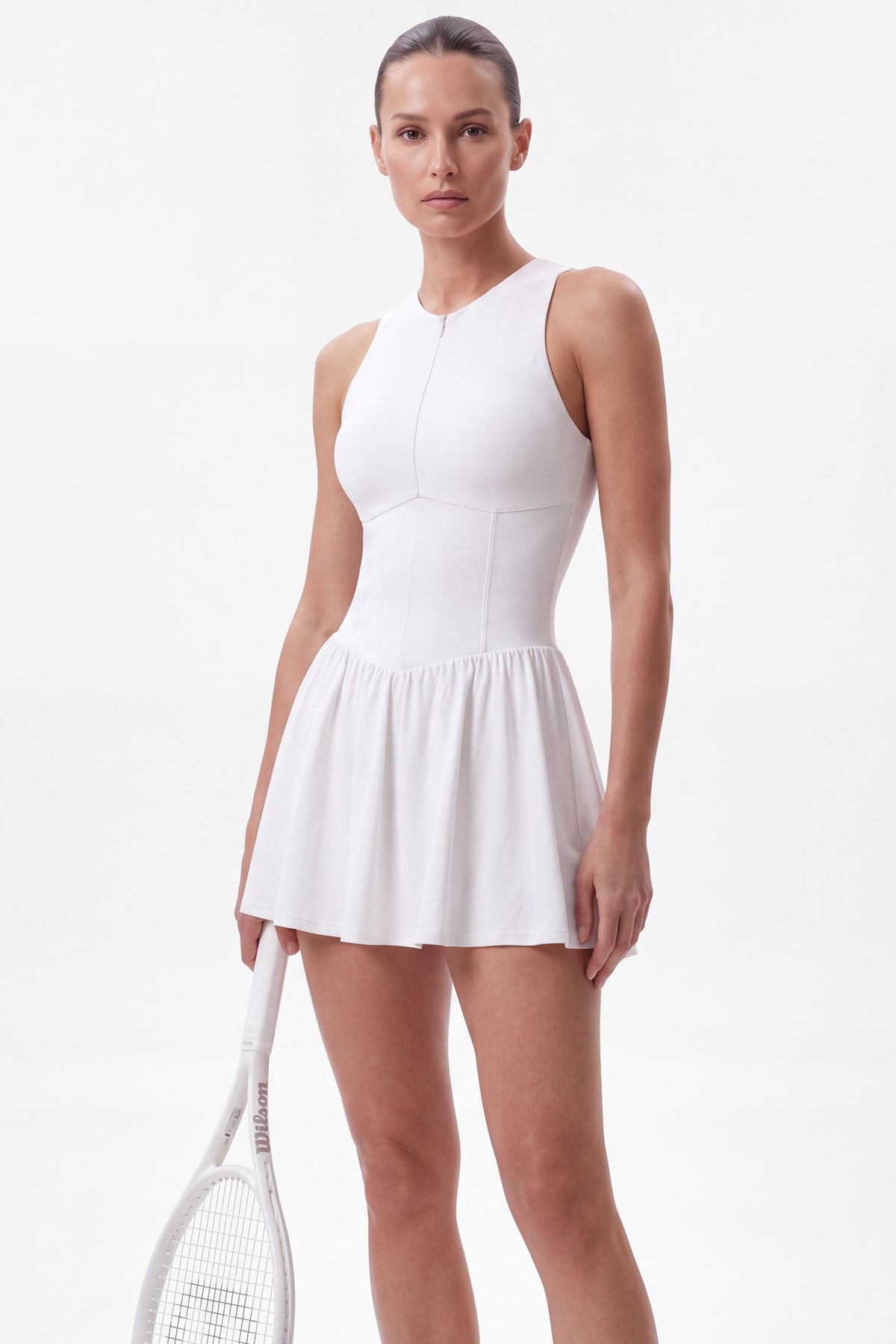
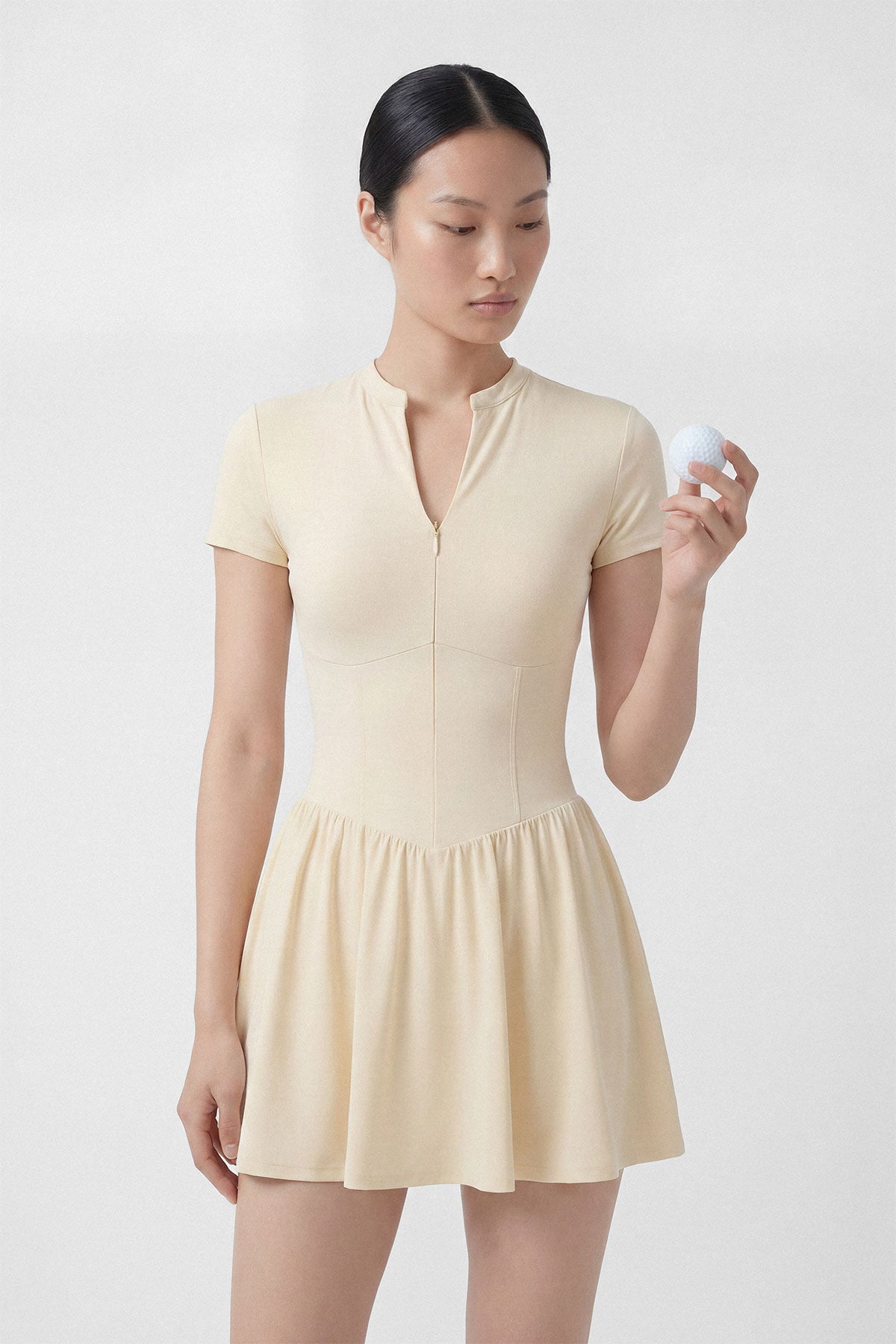
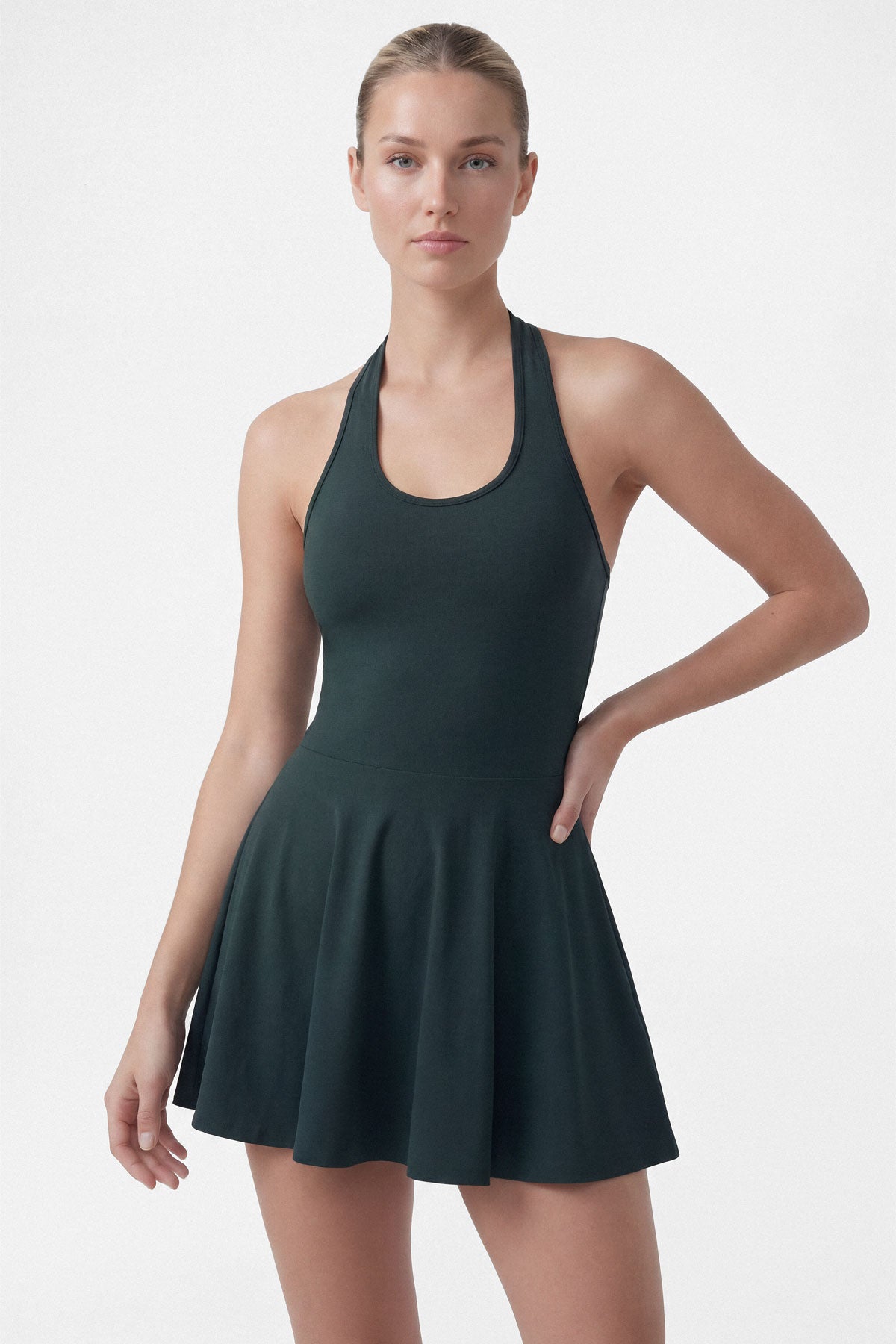
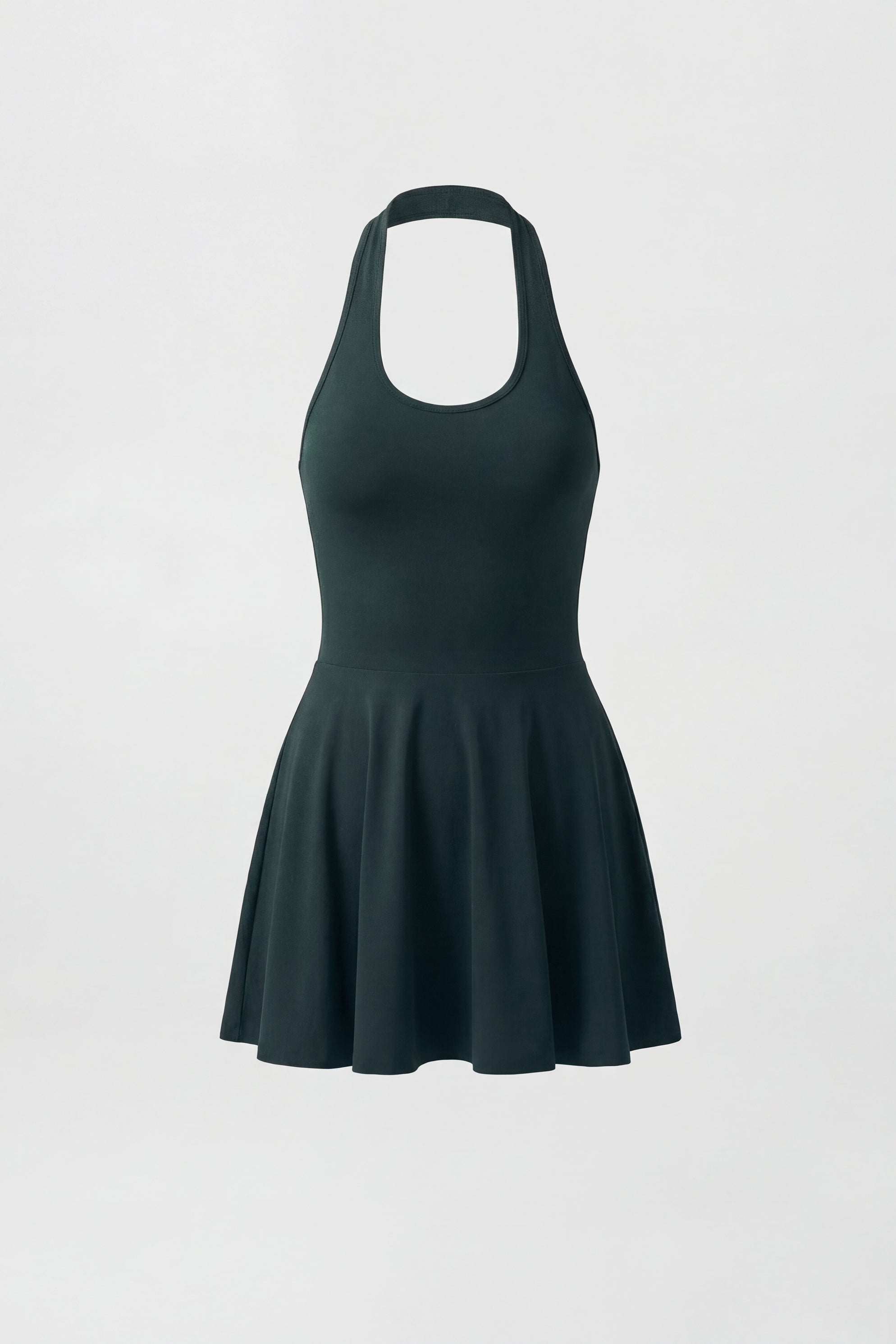
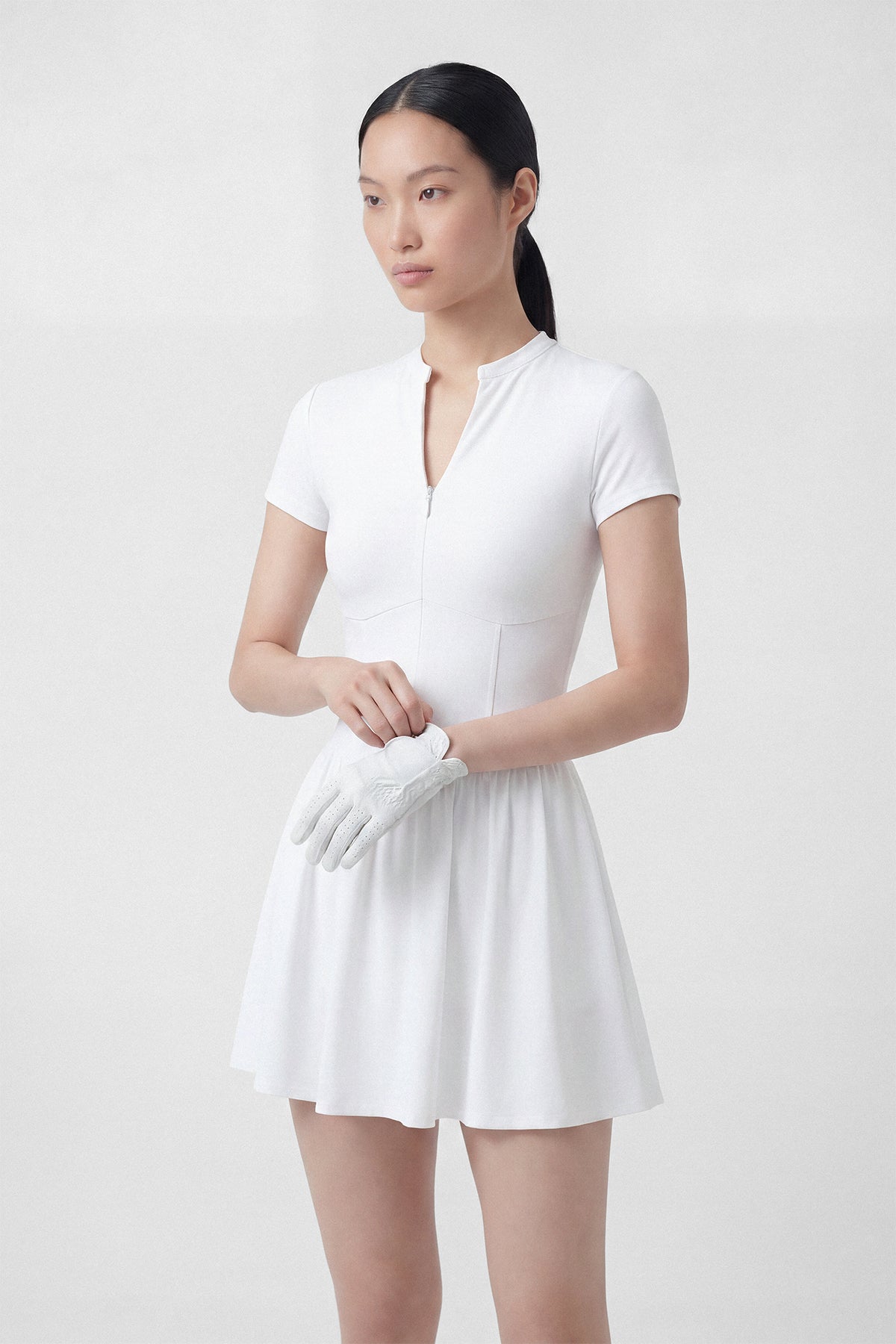
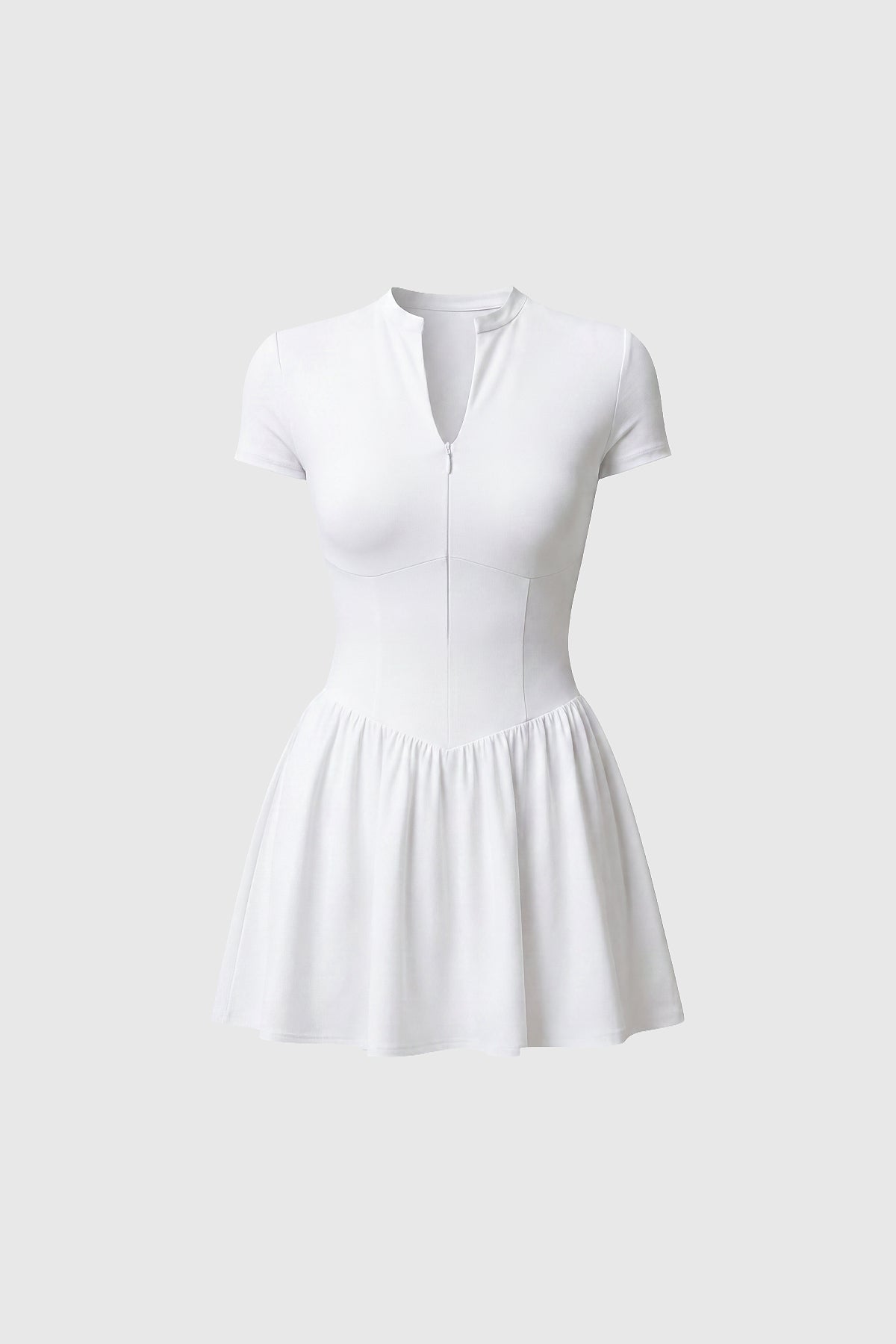
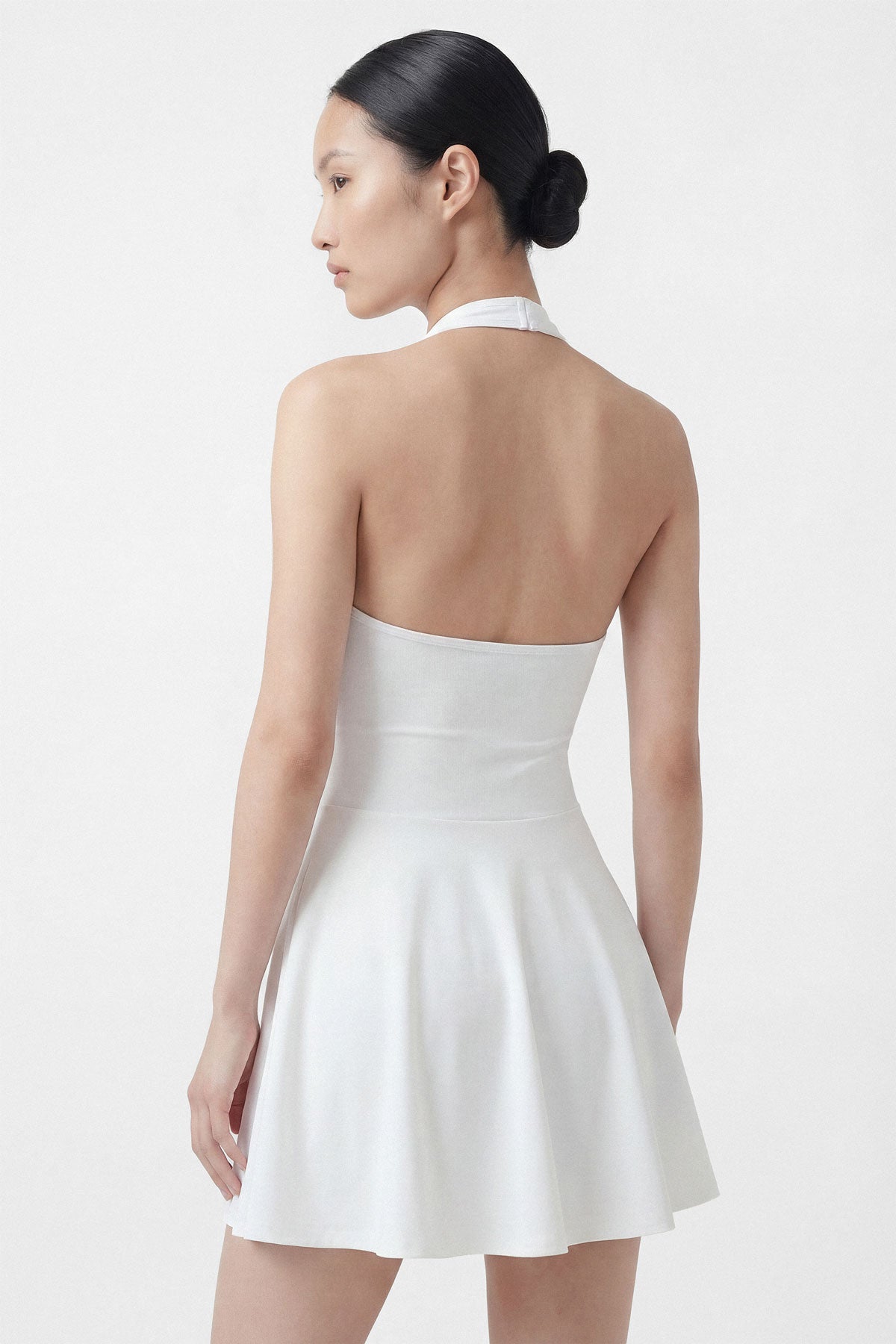
A golf dress can work beautifully, too, particularly one with built-in shorts and practical pockets. It creates a clean, elevated silhouette with very little styling effort. Choose a style that lets your arms move comfortably overhead and through the swing, rather than one that feels more suited to lunch after the round.
The key is avoiding anything too loose, too short or too precious. An oversized sweatshirt may be comfortable on arrival, but excess fabric can make it harder for an instructor to see your posture and movement. A very short fashion skirt can leave you preoccupied with coverage instead of concentrating on your grip. The right outfit should feel composed, not fussy.
Begin with a breathable top
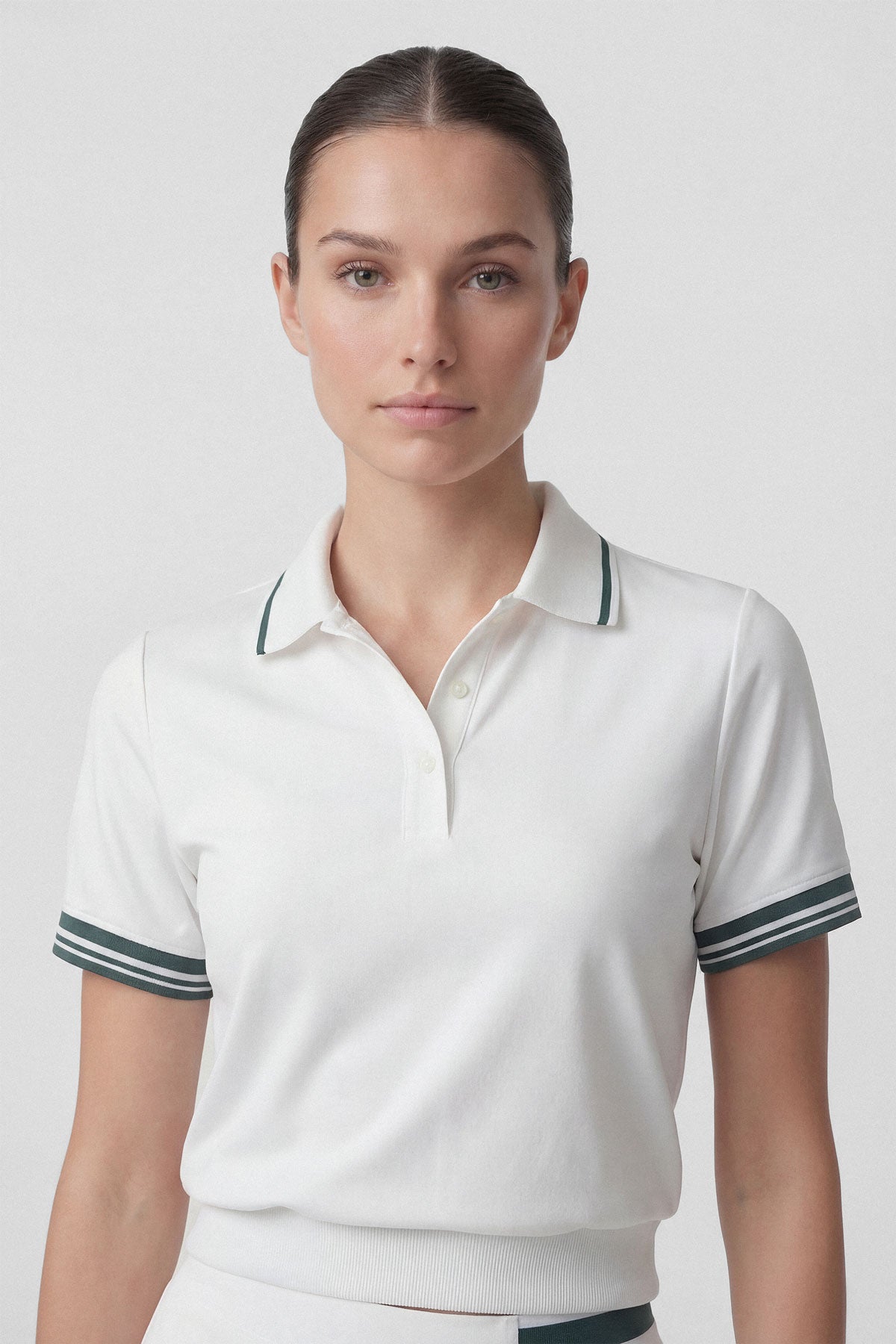
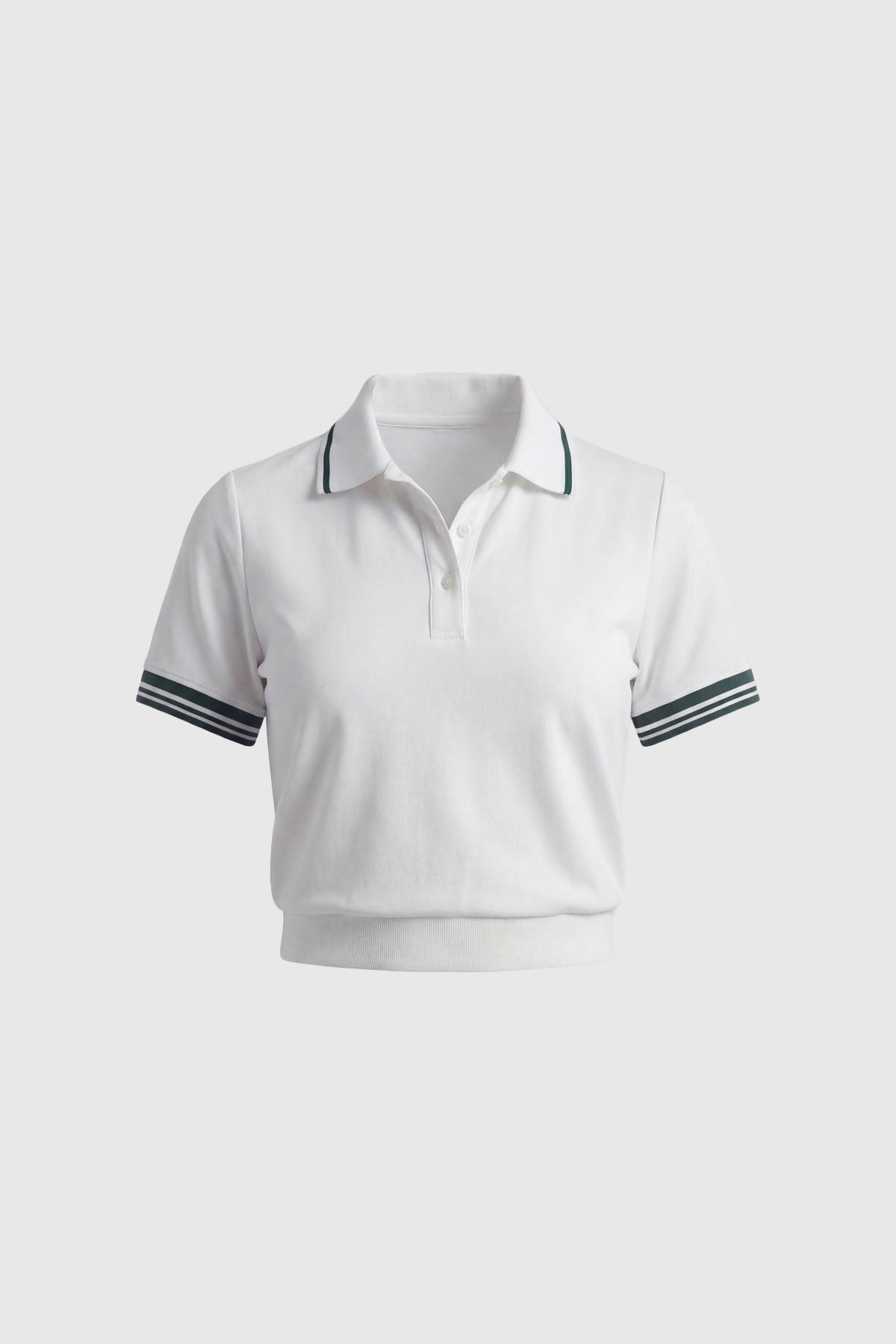
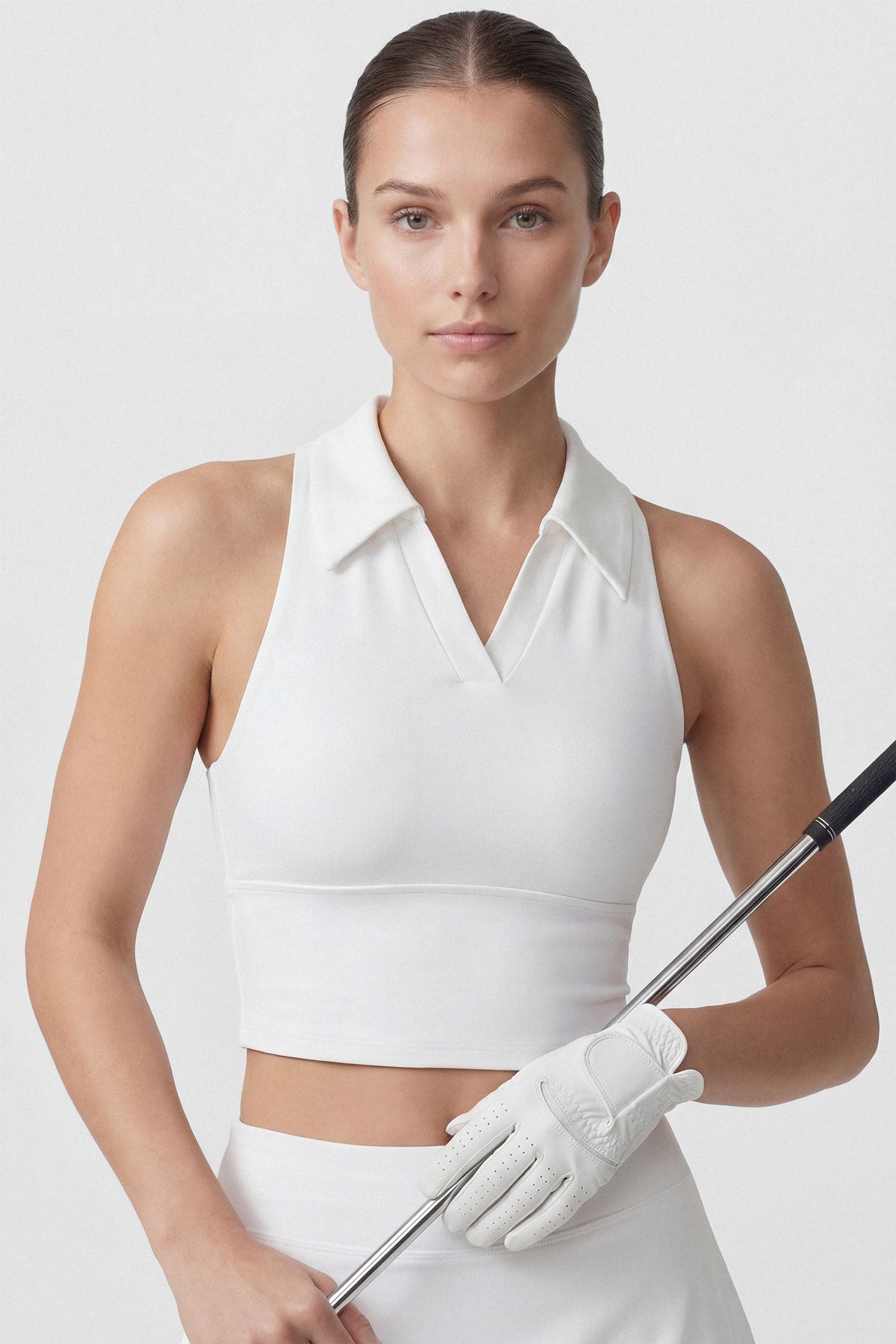
A short-sleeve polo remains a classic for good reason. It looks appropriate across clubs and provides a neat frame through the shoulders, where much of the golf swing begins. Modern versions in lightweight, breathable fabric offer a softer, more contemporary alternative to the traditional boxy polo.
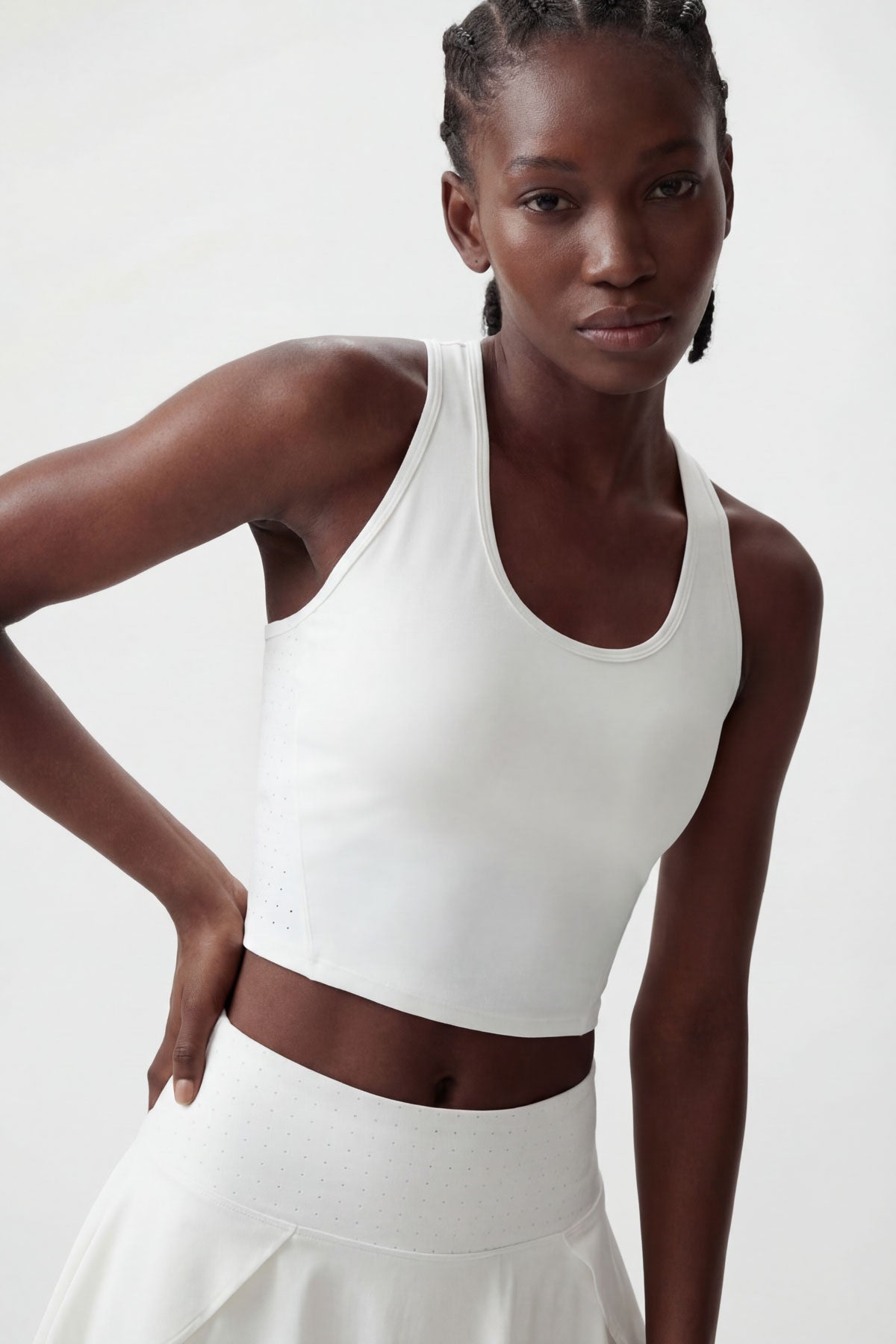
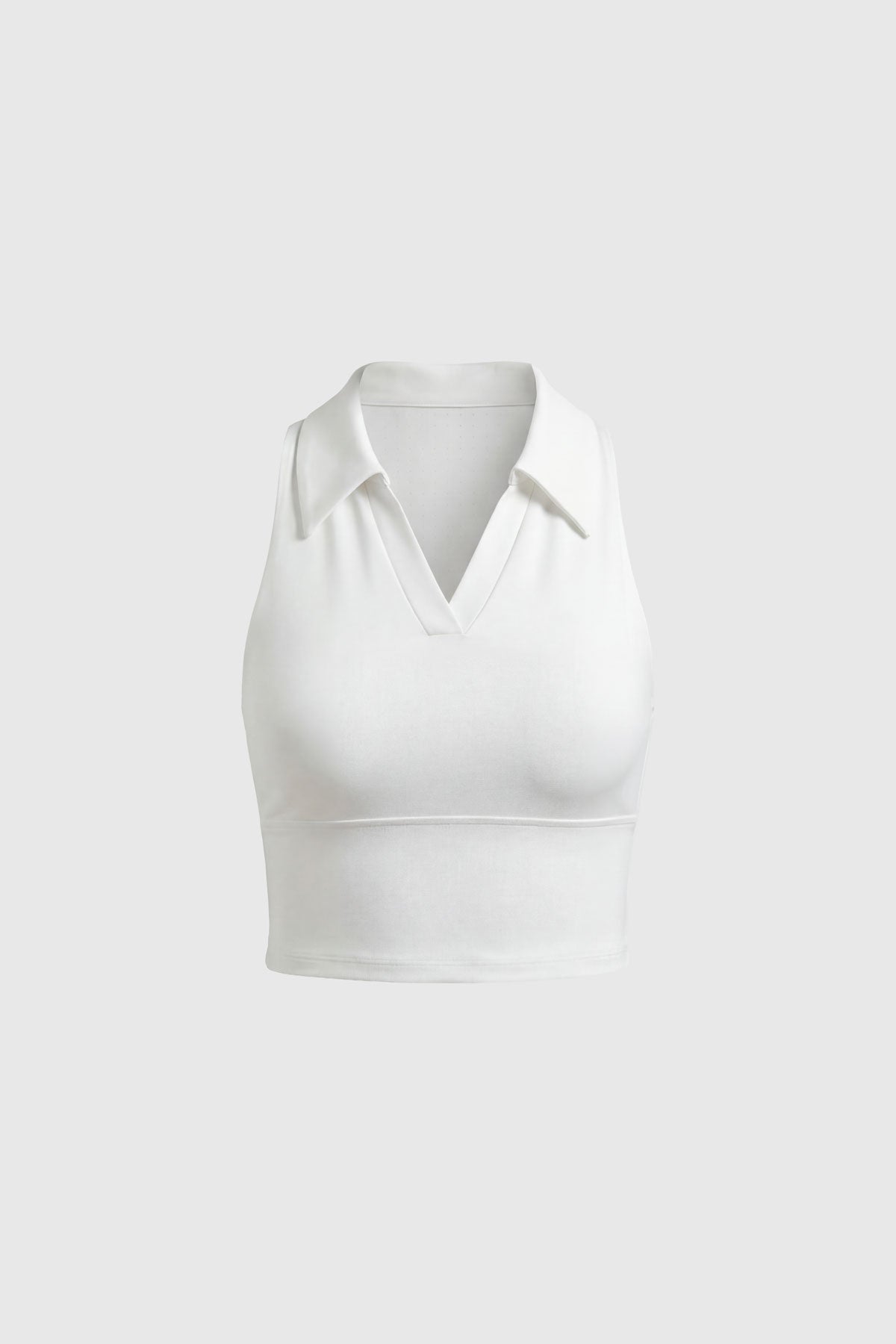
If collars are not your preference, a refined performance tee, sleeveless top or crop top can be equally suitable at many driving ranges and more relaxed clubs. Check the venue before you go, particularly if your lesson is held on a private course. Some clubs still require collared shirts or have guidelines around sleeveless styles.
Fit matters more than formality. Look for a top that stays in place when you reach, rotate and bend to pick up a ball. Removable bra cups, a supportive internal layer and breathable micro-perforation can make a genuine difference to how settled you feel across an hour of instruction.
Choose a bottom made for movement
A high-waisted skort is one of the most versatile choices for a golf lesson. It offers the clean line of a skirt with the confidence of built-in shorts, so you can practise your stance and move between stations without a second thought. Side pockets are especially useful for a tee, ball marker or mobile between drills.
Tailored shorts are another strong option during warmer Australian months. Aim for a length that feels appropriate to the setting and a fabric with enough give for a full turn. Avoid denim, cargo styles and anything with bulky hardware. They can feel restrictive and look out of place at a club.
For a cooler morning, lightweight full-length pants or a streamlined track pant can be the better call. Select a pair that sits neatly at the waist and does not catch at the knees. Golf asks for more rotation than many people expect, so test your outfit at home: take a wide stance, turn your torso and lift your arms. If it pulls, pinches or shifts, leave it for another day.
Golf Lesson Outfits for Every Forecast
An early tee time in Melbourne can feel very different from a late-afternoon lesson in Brisbane. Layers are essential, but they should be light enough that they do not interrupt your swing.
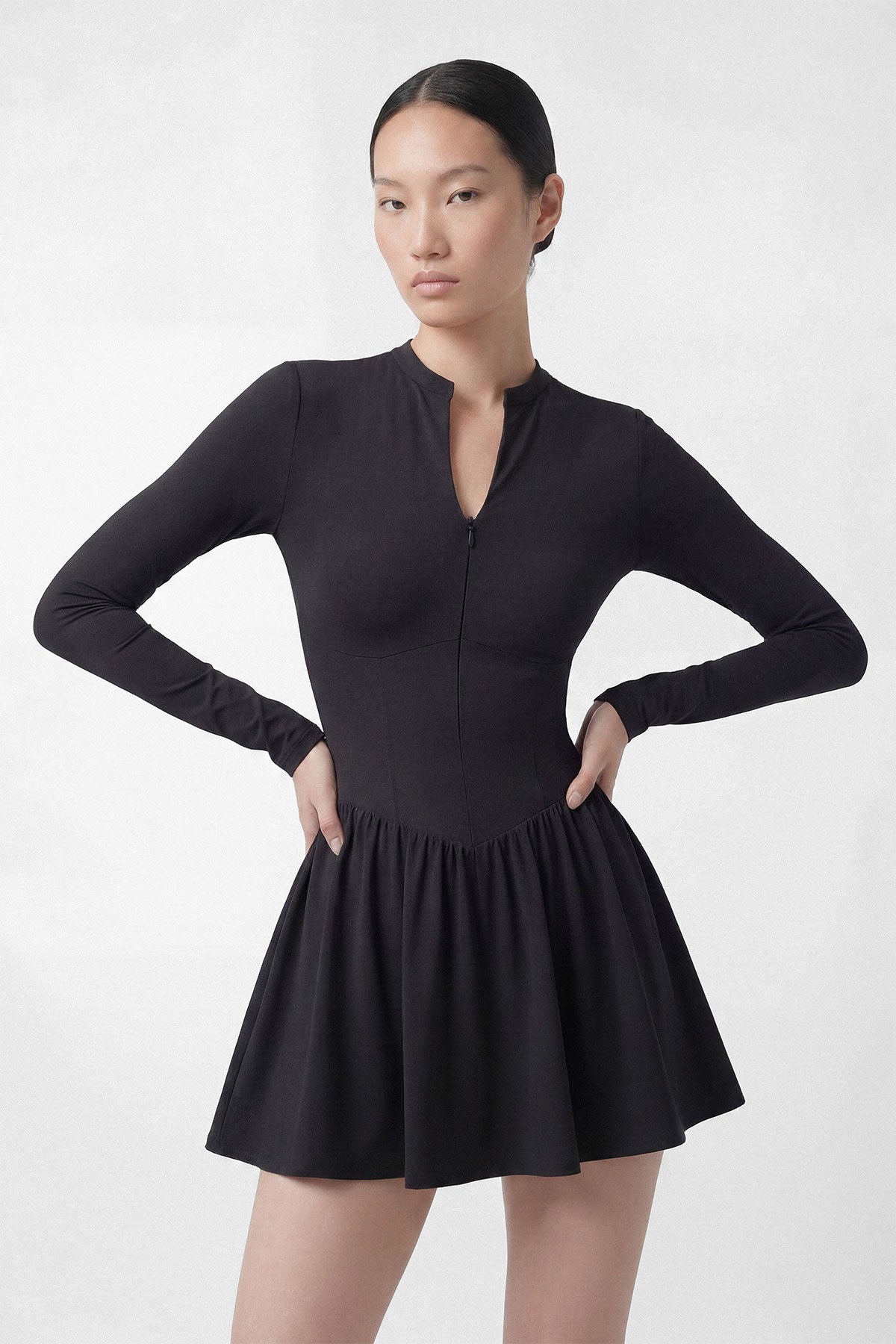
A fitted long-sleeve layer under a polo is a smart option when there is a chill in the air. For extra warmth, add a fine knit, quarter-zip or cropped performance jacket that sits close to the body. The goal is a layer you can remove quickly once you start moving, not a heavy outerwear piece you have to battle through each practice swing.
On bright days, prioritise breathable fabric and sun coverage that feels natural to wear. A cap or visor is useful for keeping glare out of your eyes while you watch the ball flight. A lightweight long sleeve can also be more comfortable than repeatedly adjusting a loose layer. Bring sunglasses if you prefer them, but make sure they stay secure when you look down at the ball.
A compact rain layer is worth packing if the forecast is unsettled. It does not need to be worn from the start. Keep it in your golf bag or car, ready for a passing shower. Golf lessons usually continue through light weather changes, and being prepared means you can stay focused rather than feeling caught out.
Shoes: stable, comfortable, understated
You do not need to buy golf shoes before your first lesson. Clean sneakers with a flat, stable sole are usually acceptable at a driving range or introductory session, provided the venue does not state otherwise. Choose a pair with enough grip and support to feel secure as you turn through the ball.
If you already have golf shoes, wear them. Spikeless styles are a practical choice for lessons because they transition easily from the practice area to the clubhouse. Avoid runners with an aggressively curved sole, slides, sandals or fashion sneakers with little traction. Your feet are part of your swing foundation, and slippery footwear can make a simple drill feel unnecessarily awkward.
Socks deserve a little attention as well. A low-profile performance sock that stays put is preferable to anything that slips into the heel of your shoe halfway through a lesson. Small comfort details are often the ones that protect your concentration.
The Details That Make an Outfit Work
Golf is not an equipment-heavy sport when you are learning, so keep accessories edited. A cap or visor, water bottle and a light layer are generally enough. If you have your own glove, take it along, though many instructors can advise on whether you need one and which hand to wear it on.
Jewellery is a personal choice, but less is often easier. Fine studs, a simple chain and a secure watch can work well. Stacked bangles, large hoops or anything that catches on your grip may become distracting. The same principle applies to bags: bring a small tote or golf bag with room for water, sunscreen and a layer, rather than carrying multiple loose items.
Colour can be understated without being predictable. Navy, black, white and soft neutrals always look considered, while a considered green, blue or warm seasonal shade can add personality. A coordinated set gives a more intentional finish, particularly when you are new to the game and want to arrive feeling assured. At Common Player, that balance of modern function and refined shape is the point: sport-specific pieces should still feel like your wardrobe.
What not to wear to a golf lesson
There is no need to overthink the rules, but a few choices can make the experience less comfortable. Jeans restrict movement, while very loose trousers can interfere with your stance. Mini dresses without built-in shorts, heavy hoodies and slippery shoes all create practical distractions.
It is also wise to avoid anything you would be worried about getting grass marks, sunscreen or a little dust on. Lessons are active. You may be kneeling to check ball position, walking across the range or practising from different lies. Wear pieces that look elevated but are ready for the course.
Dress Codes Vary, So Check Before You Go
A lesson at a public driving range is usually more relaxed than a lesson at a private golf club. Some venues permit athletic tees and leggings, while others ask for a collared top and tailored bottoms. If your booking confirmation does not explain the dress code, a quick call to the pro shop removes any uncertainty.
This is not about dressing formally for the sake of it. It is about arriving in something that respects the setting and lets you participate comfortably. When in doubt, a neat polo, skort and clean sneakers or golf shoes is the reliable middle ground.
Your first golf lesson is a chance to learn the game, not disappear into a uniform that does not feel like you. Choose pieces that stay with you through the swing, suit the conditions and hold their shape beyond the range. When your outfit feels considered, there is more room to enjoy the satisfying sound of a well-struck shot.


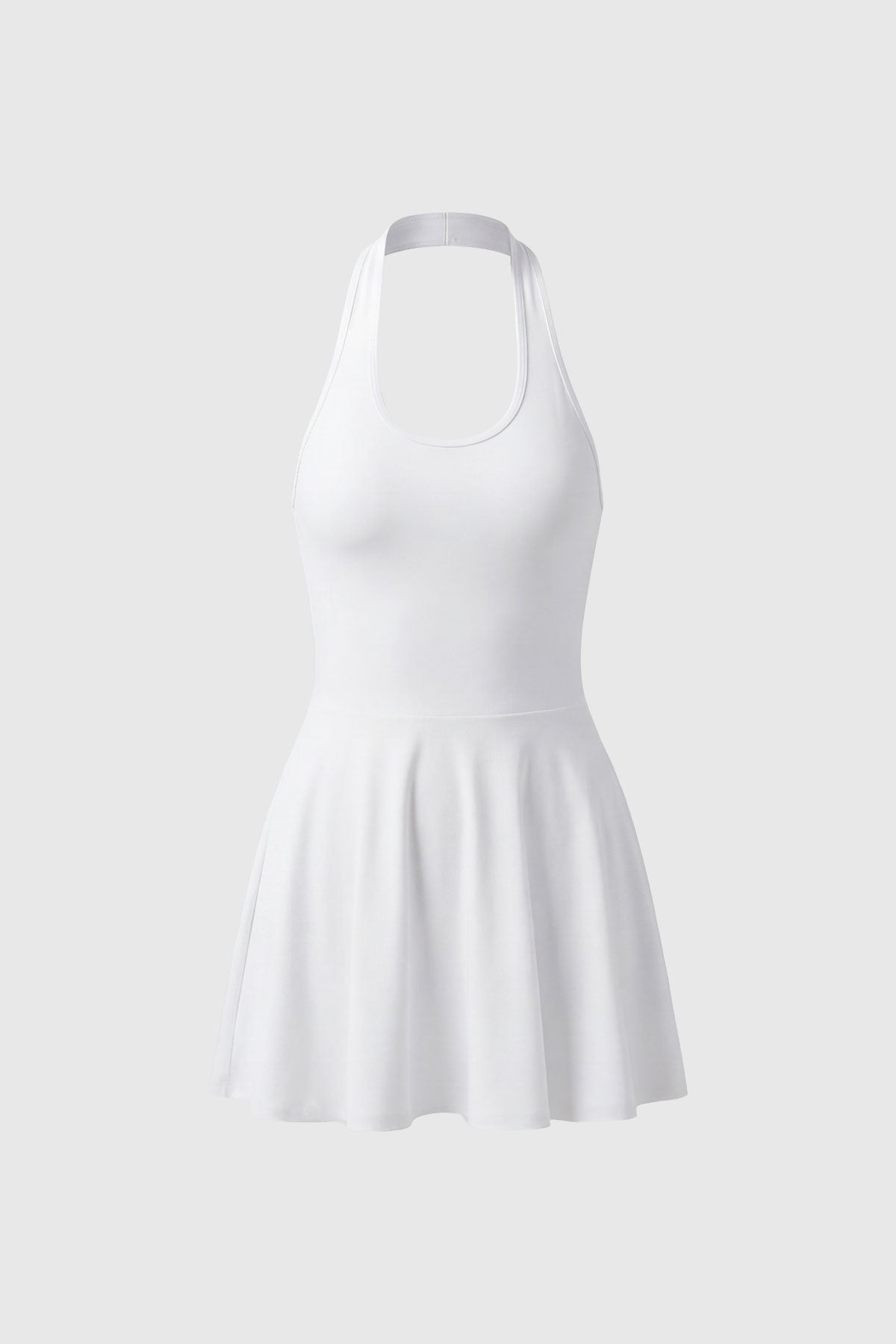
Read more
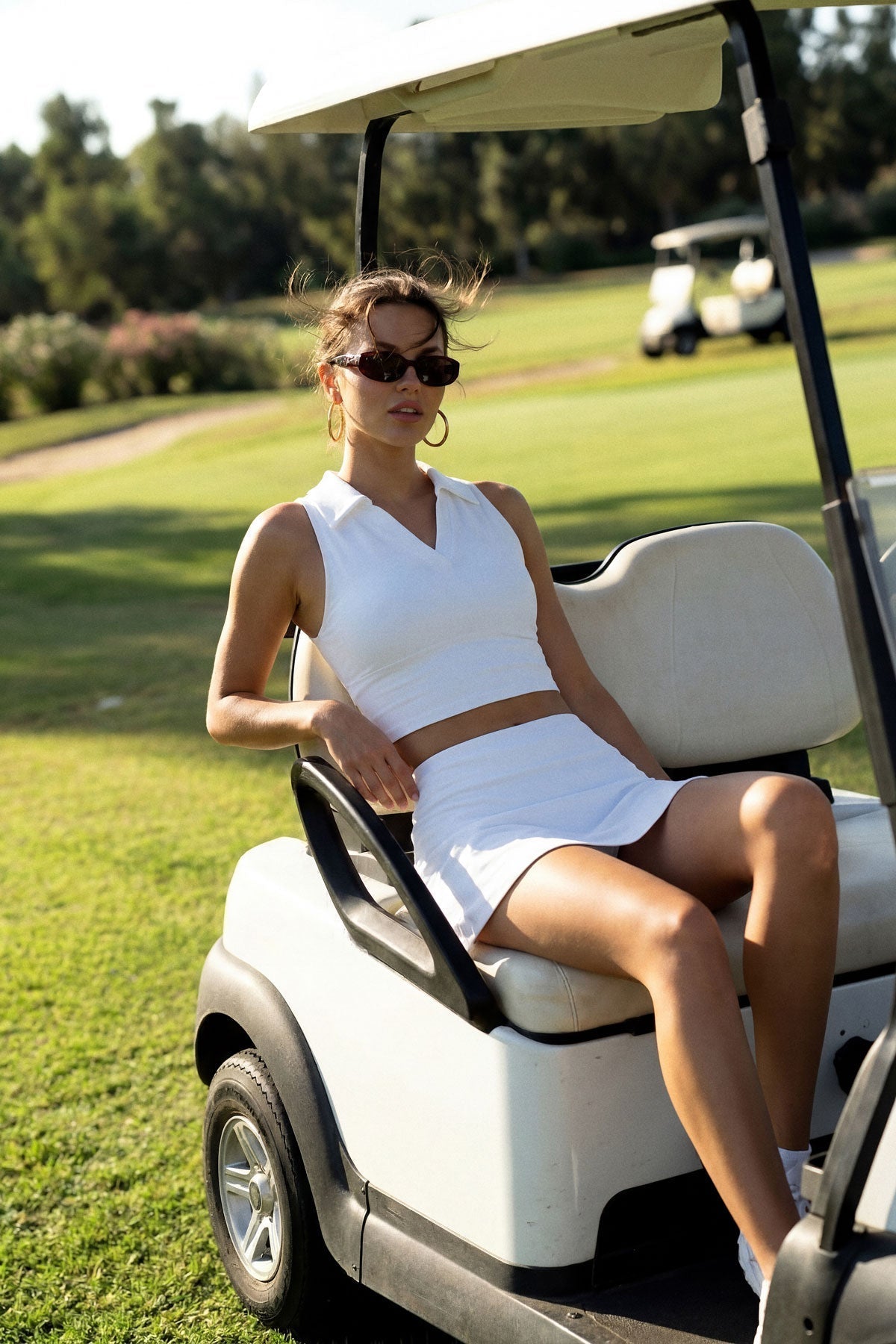
Golf dress vs separates comes down to movement, weather and your plans after the round. Find the polished option that suits your game and style.
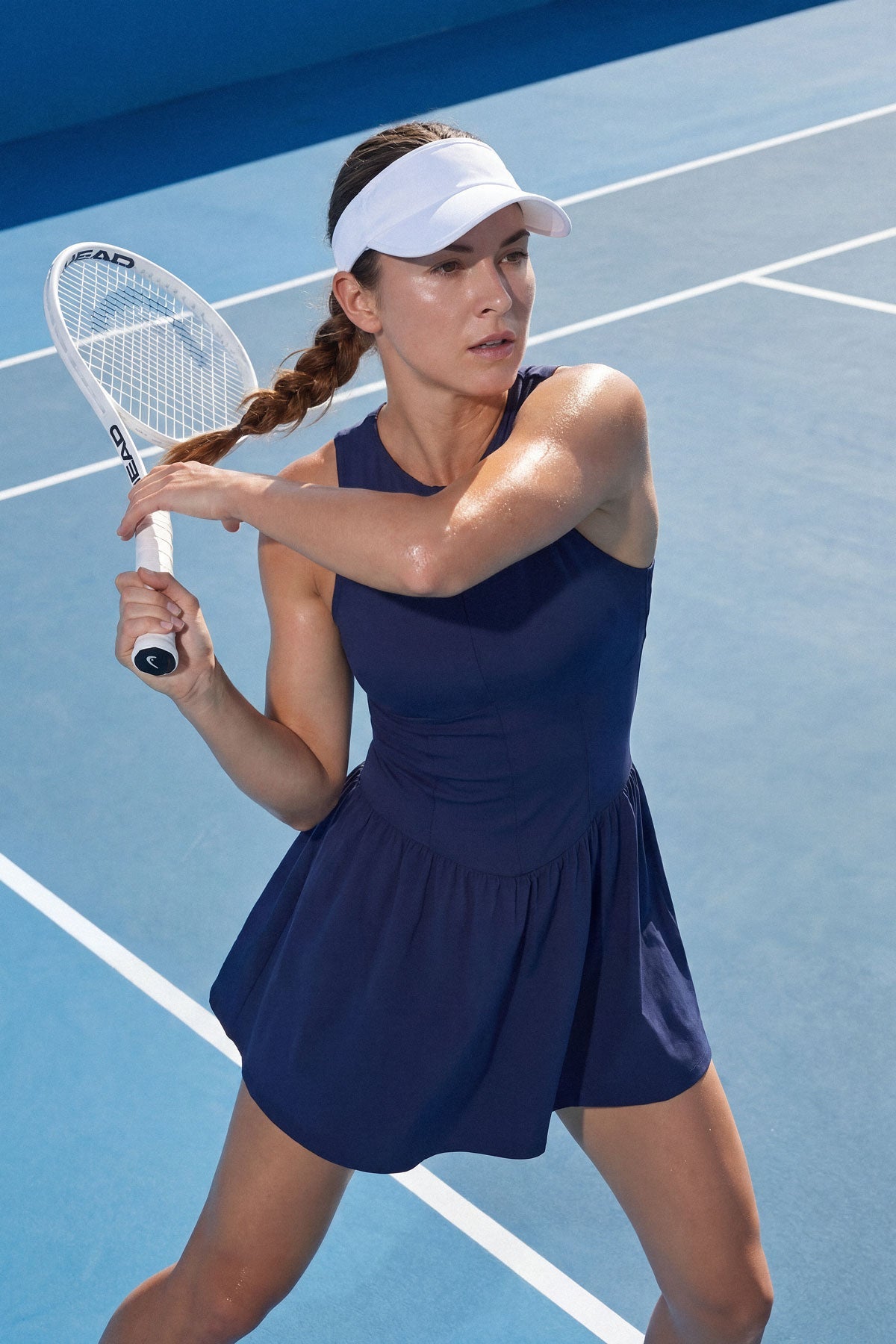
Find tennis outfits for beginners with polished comfort, practical pockets and easy movement - from first lesson to post-match coffee on a warm weekend.