

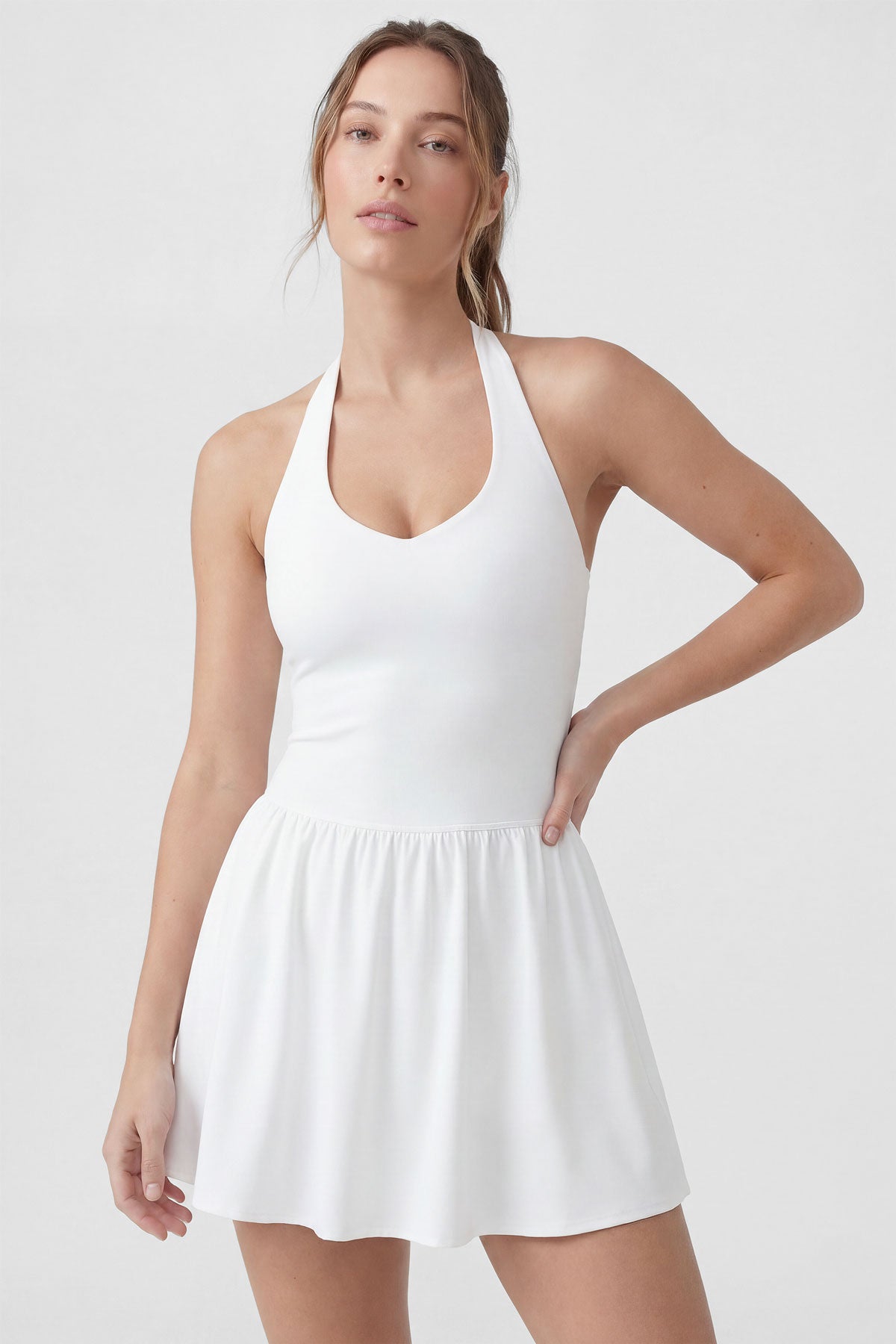
How to Choose Tennis Dresses That Perform
The difference between a tennis dress that looks good and one you actually want to play in usually shows up by the third game. If the straps slide, the fabric clings, or the shorts ride up the moment you serve, it stops feeling polished very quickly. Knowing how to choose tennis dresses is really about finding that rare balance - performance, comfort and a refined silhouette that still feels like you.
For modern players, that balance matters. You want a dress that moves through long rallies, sits smoothly under pressure, and still looks considered when you leave the court. That means paying attention to more than colour or cut. Fabric, support, length, built-in features and overall fit all shape how a dress performs on match day.
How to choose tennis dresses for real play
A tennis dress should work with your movement, not ask you to adjust your game around it. That sounds obvious, but plenty of styles are designed to be seen rather than played in. The best choice starts with an honest read on how often you play, how intensely you move, and what tends to bother you most in activewear.
If you play socially once a week, you may prioritise comfort and an easy, flattering fit. If you train regularly or compete, support and fabric recovery become much more important. Neither approach is wrong. The point is to buy for your actual game, not an idealised version of it.
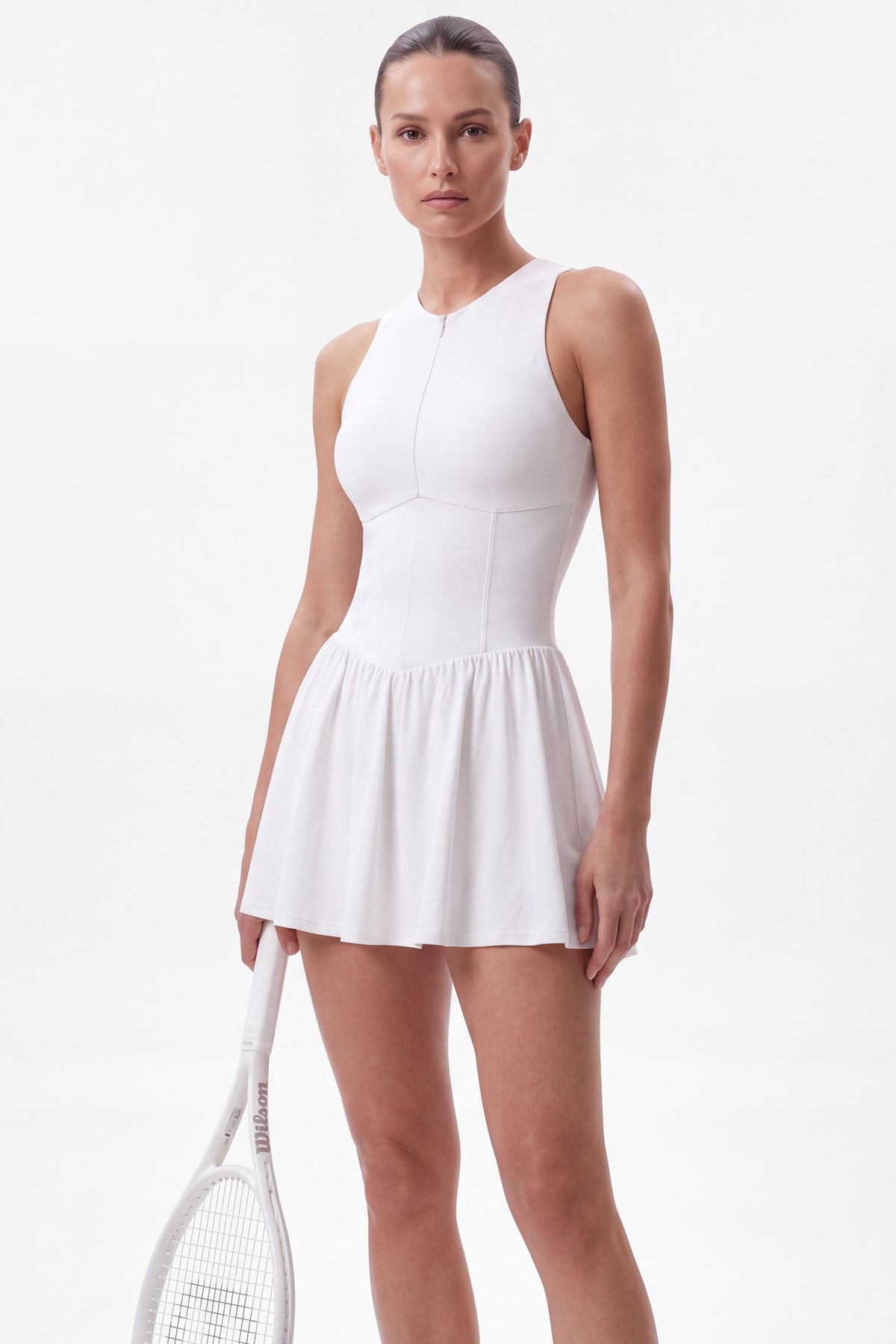
A good tennis dress should let you sprint, rotate, serve and recover without distraction. That usually means a close but not restrictive fit through the torso, enough room through the hips, and a fabric with shape retention so it doesn't lose structure after a set. If you constantly pull at the hem or adjust the neckline in the change of ends, the fit is not right, no matter how strong the first impression was.
Start with fabric before silhouette
The silhouette gets attention, but fabric does most of the work. A sleek line can still fail if the material traps heat, goes sheer when stretched, or feels heavy once you start sweating. For tennis, breathable technical fabric is worth prioritising over almost anything else.
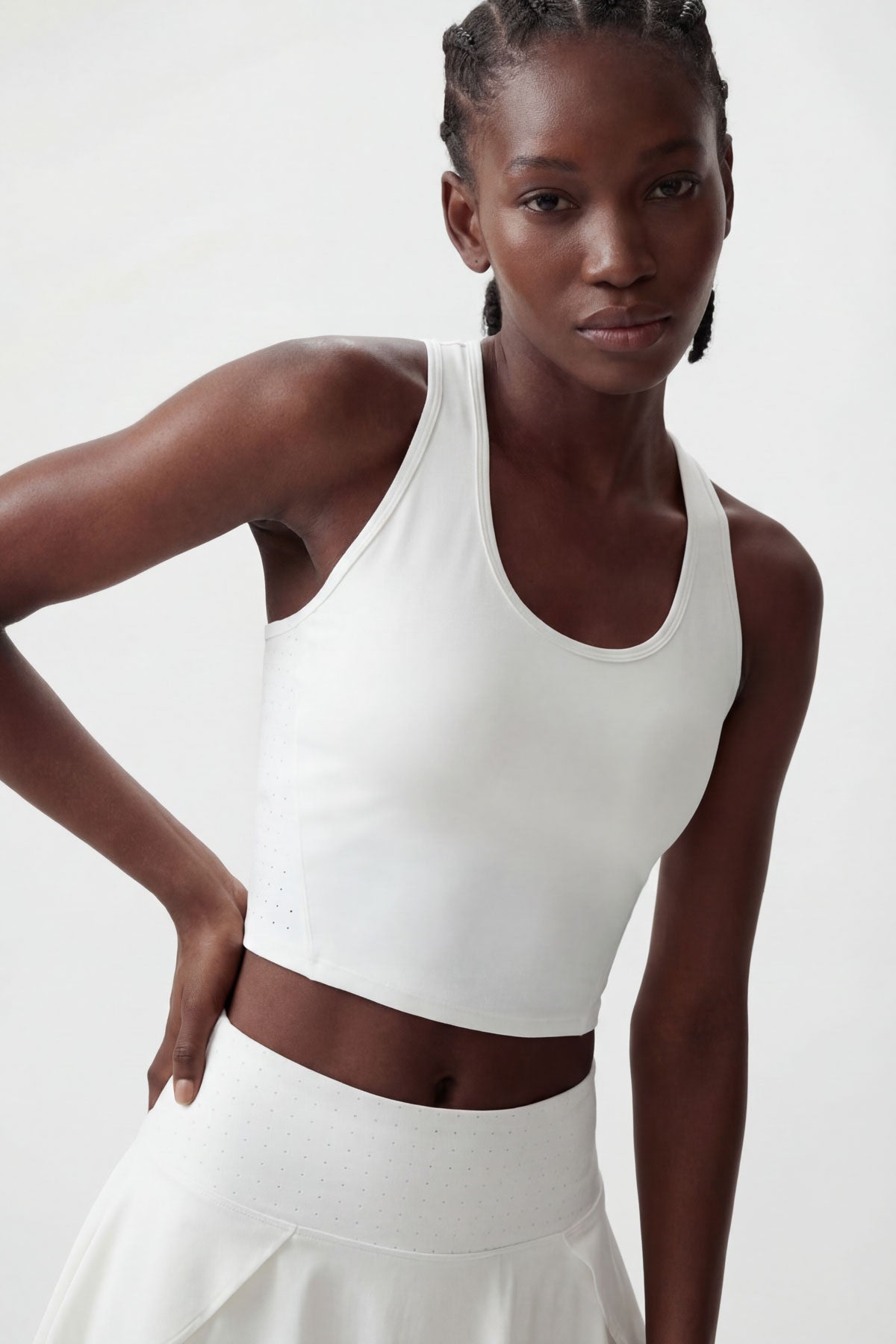
Look for materials with a soft hand feel and enough compression to create a clean shape without feeling rigid. A slight sculpting effect can be helpful, particularly through the bodice, but too much compression can make a dress feel restrictive over a long match. Breathability matters just as much. Details like micro-perforation or lightweight stretch panels can make a noticeable difference in warm Australian conditions.
Recovery is another point often missed. A dress should bounce back after movement and washing, rather than bagging at the waist or loosening at the straps. Premium fabrics tend to hold their line better, which is one reason they also tend to look more elevated off court.
Fit should flatter, but it also needs to stay put
A flattering fit is not only about shape. In tennis, it is also about security. You want the dress to skim the body cleanly while staying anchored through every serve and sidestep.
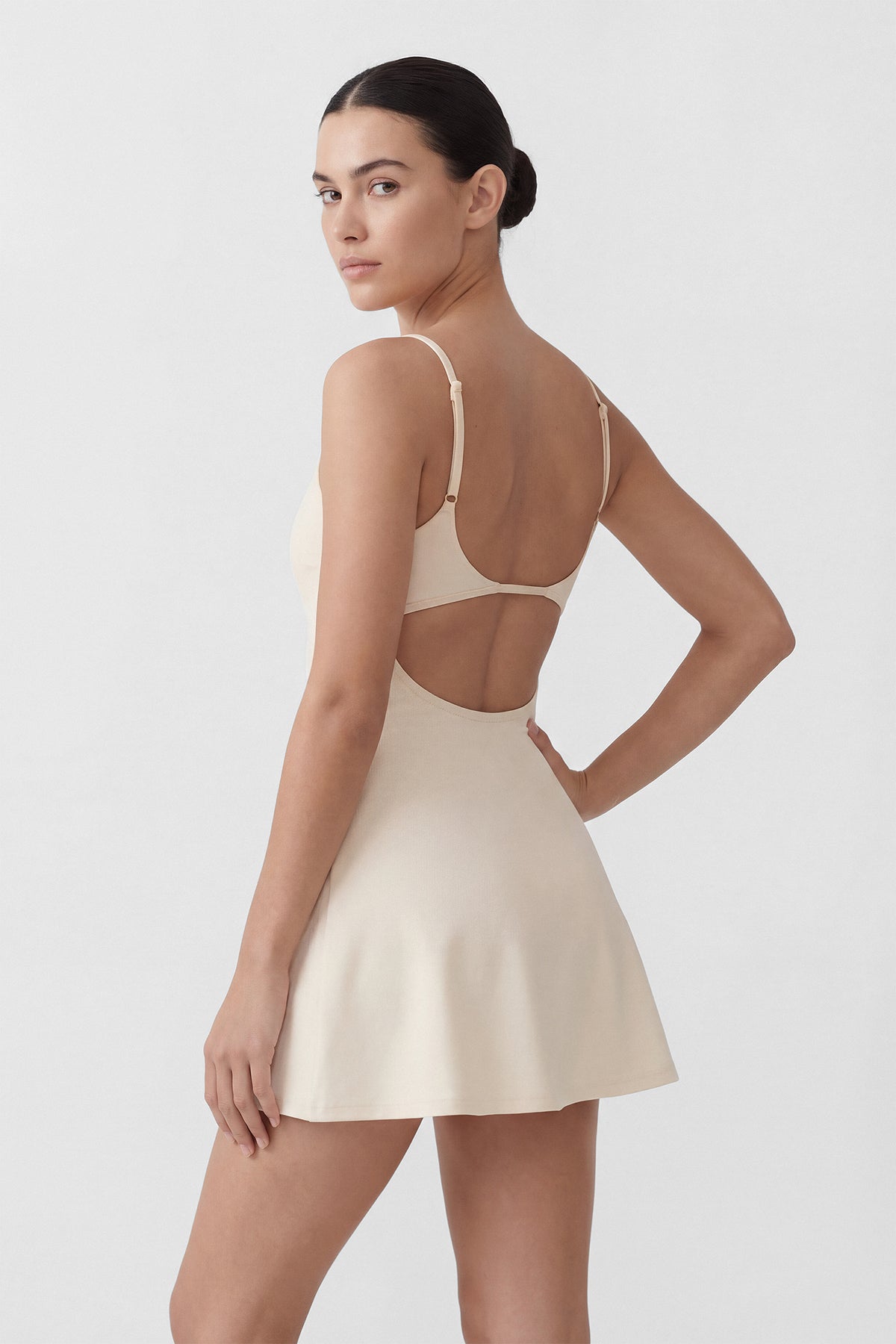
The bust area is usually where problems start. If you need support, look for styles with an internal shelf bra, removable bra cups, or enough structure to wear confidently without layering too much underneath. Adjustable straps can also help create a more precise fit, especially if standard proportions rarely sit quite right on you.
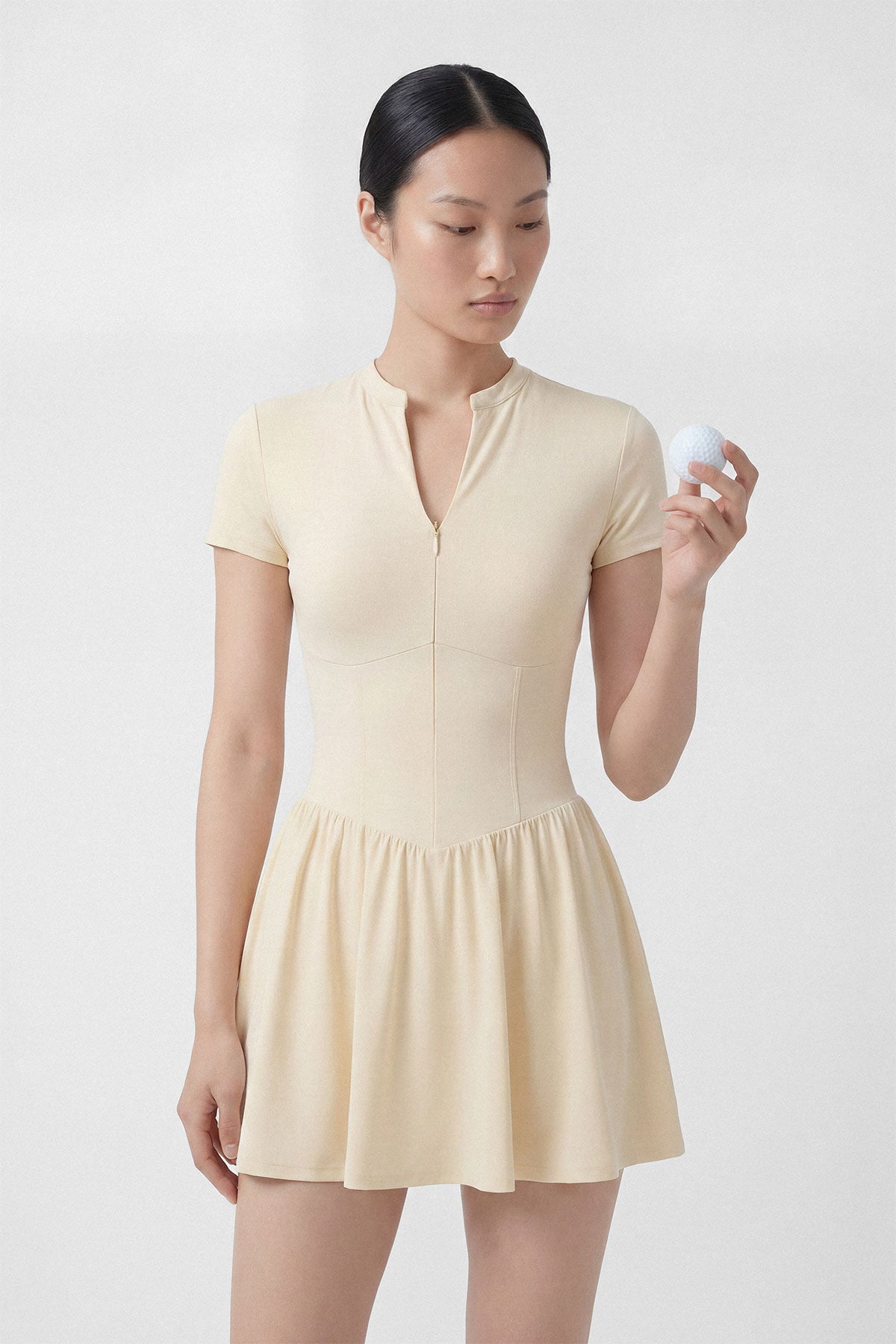
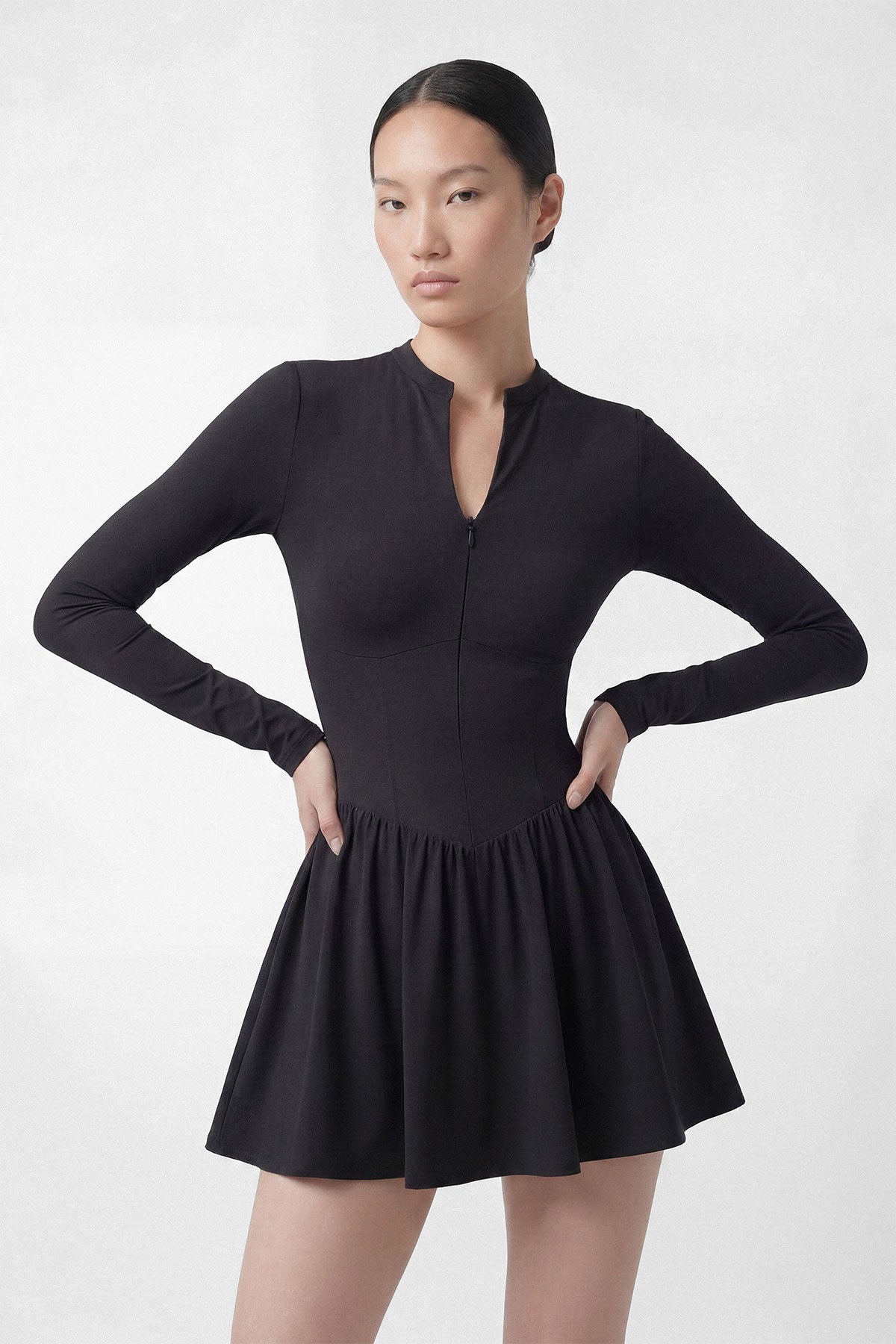
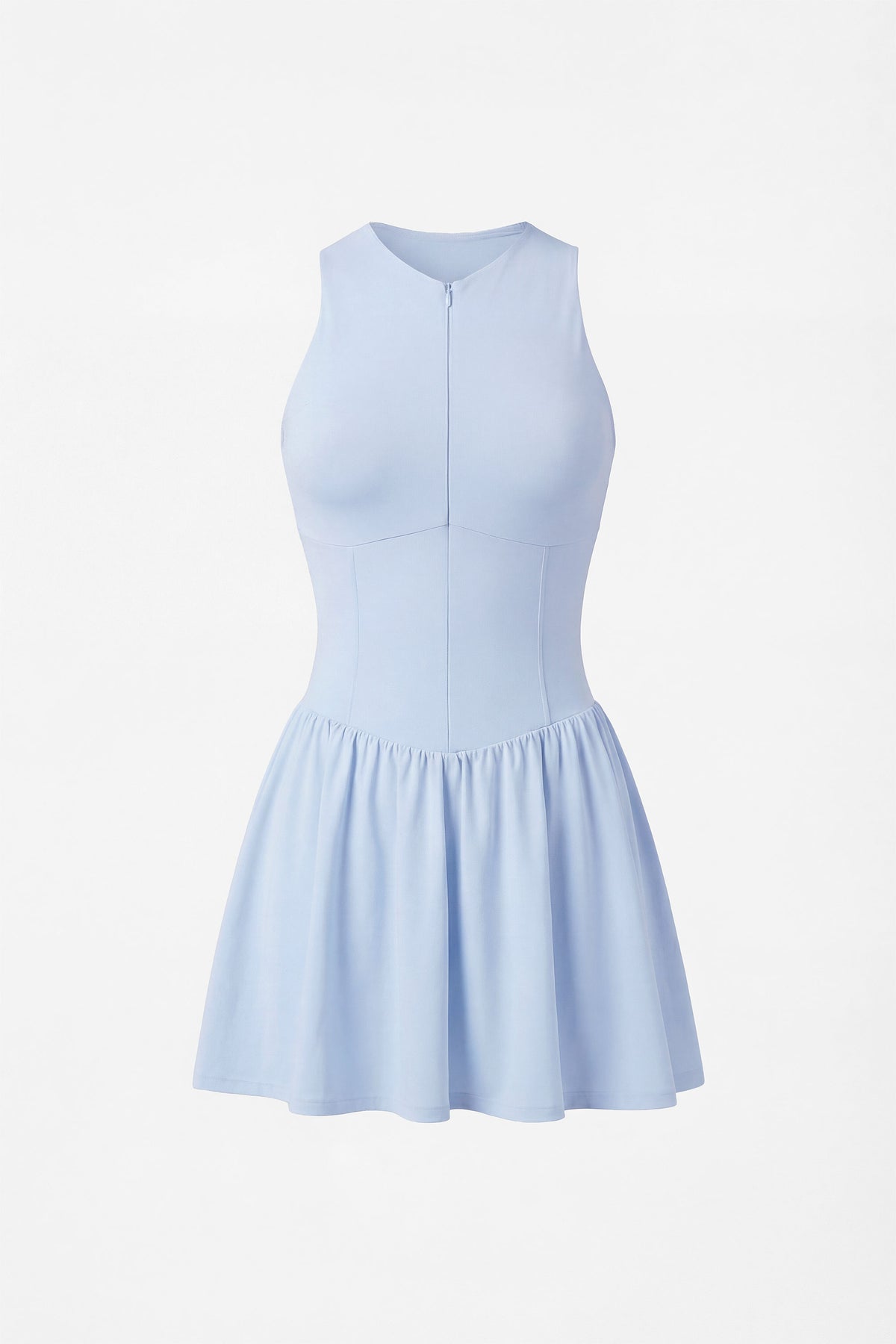
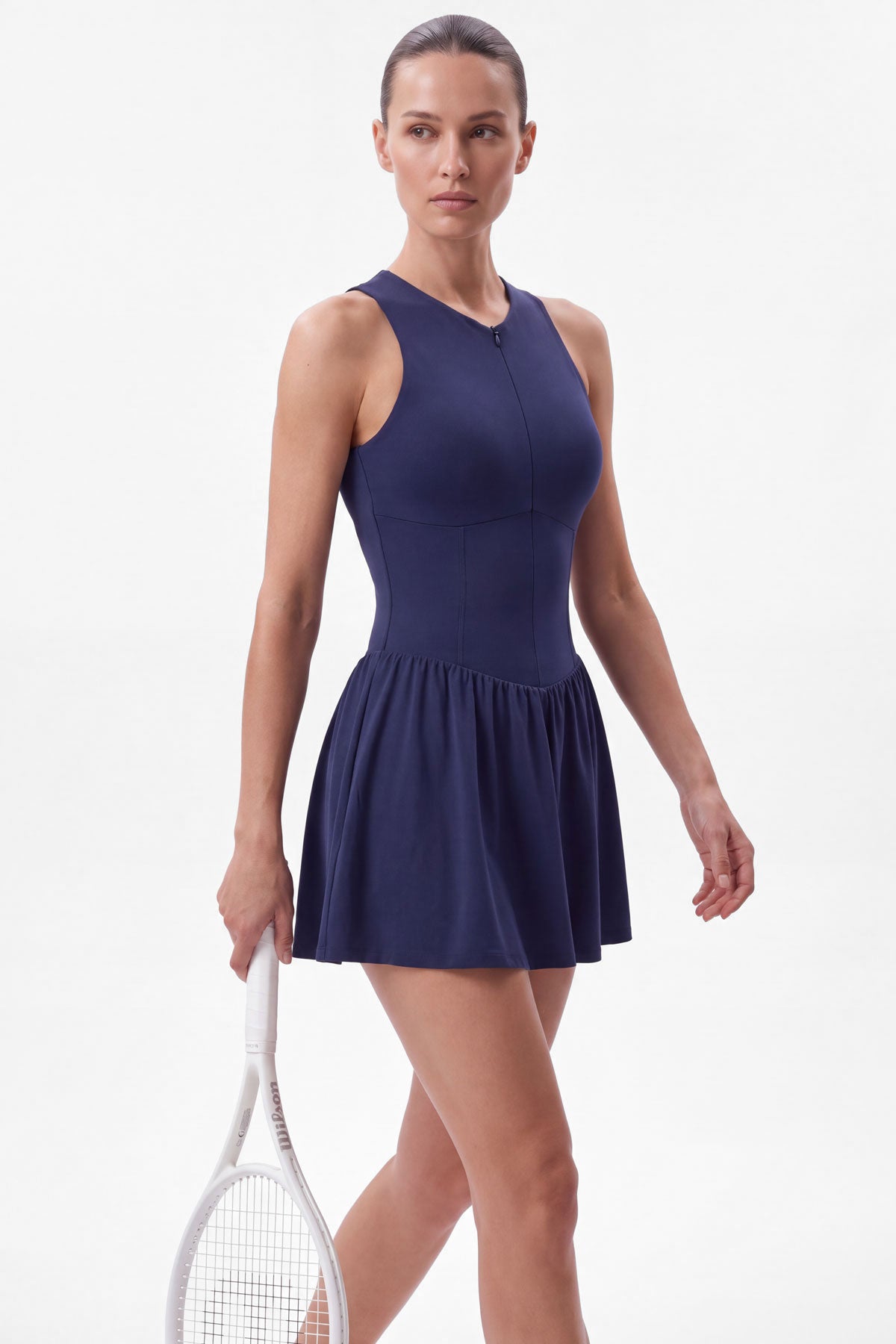
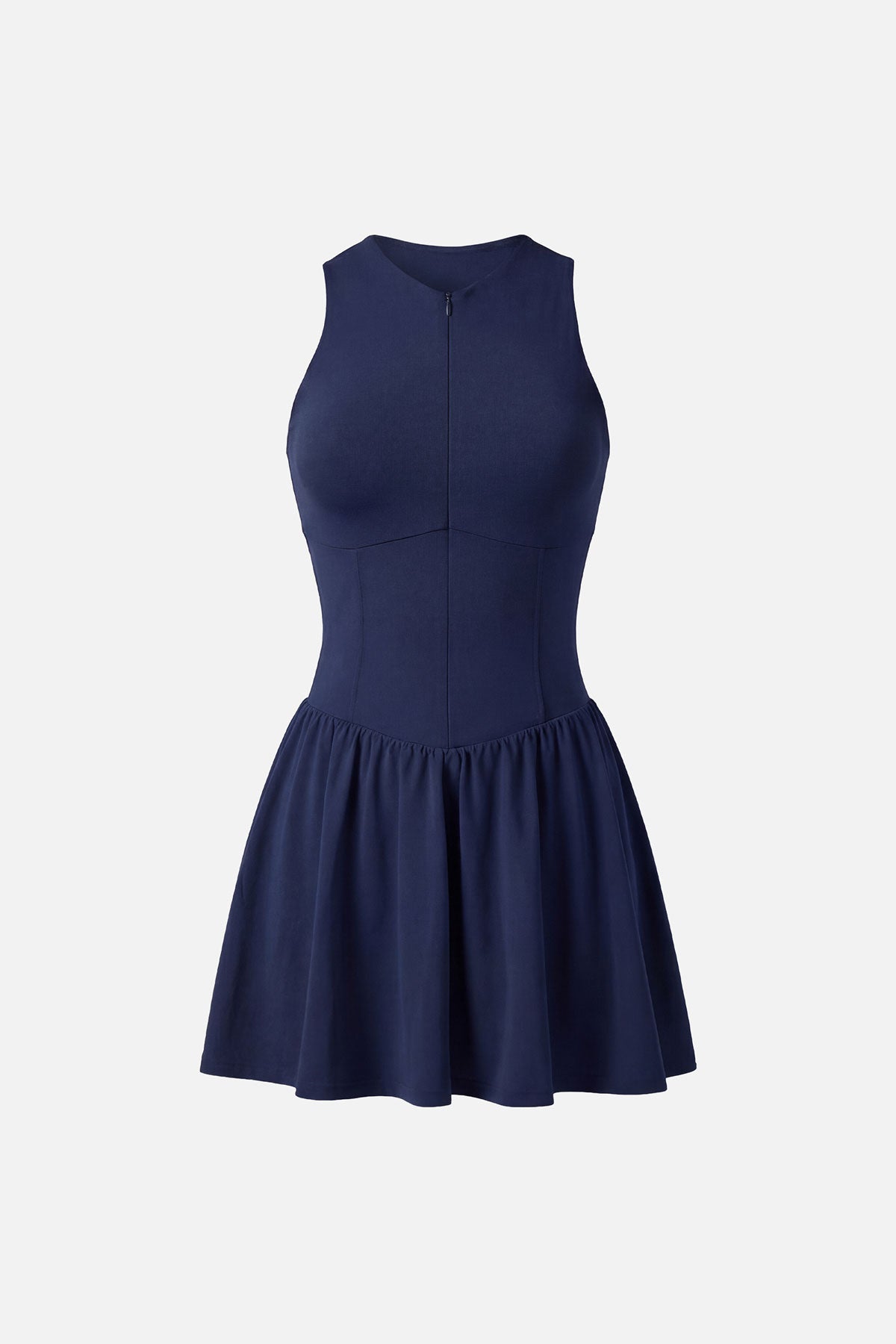
Through the waist, a gently defined shape often feels more polished than something overly tight. It creates form without limiting rotation. Skirt shape matters too. A-line cuts usually offer easy movement and broad appeal, while more fitted styles can look sharper but may be less forgiving during fast directional changes. It depends on your preference and how you play.
Length is a personal decision, but it should still pass a movement test. A shorter hem can feel lighter and sportier, though it may need better shorts coverage underneath. A slightly longer line can feel more elegant and secure, particularly for players who want less to think about mid-match.
Built-in shorts are not optional for most players
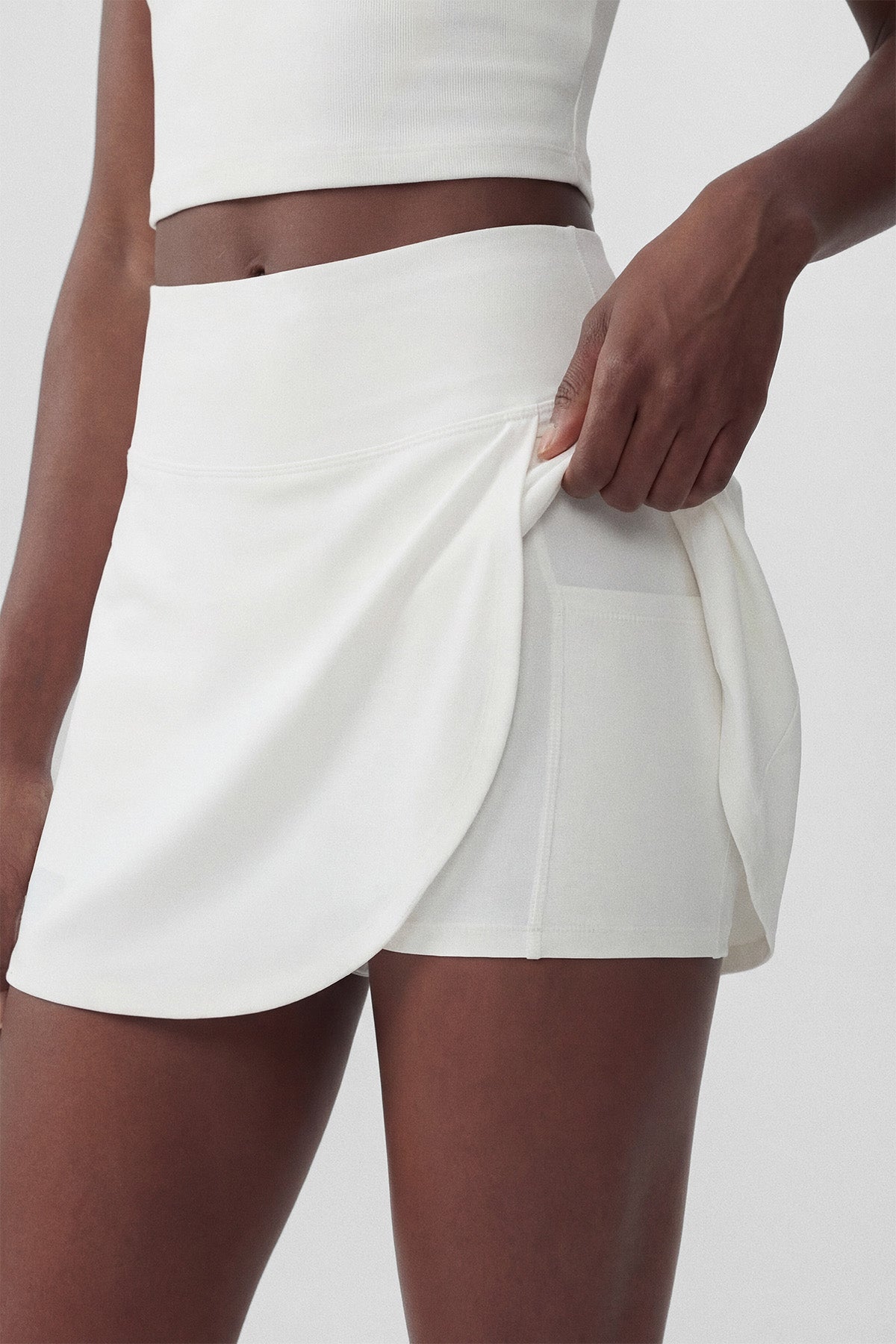
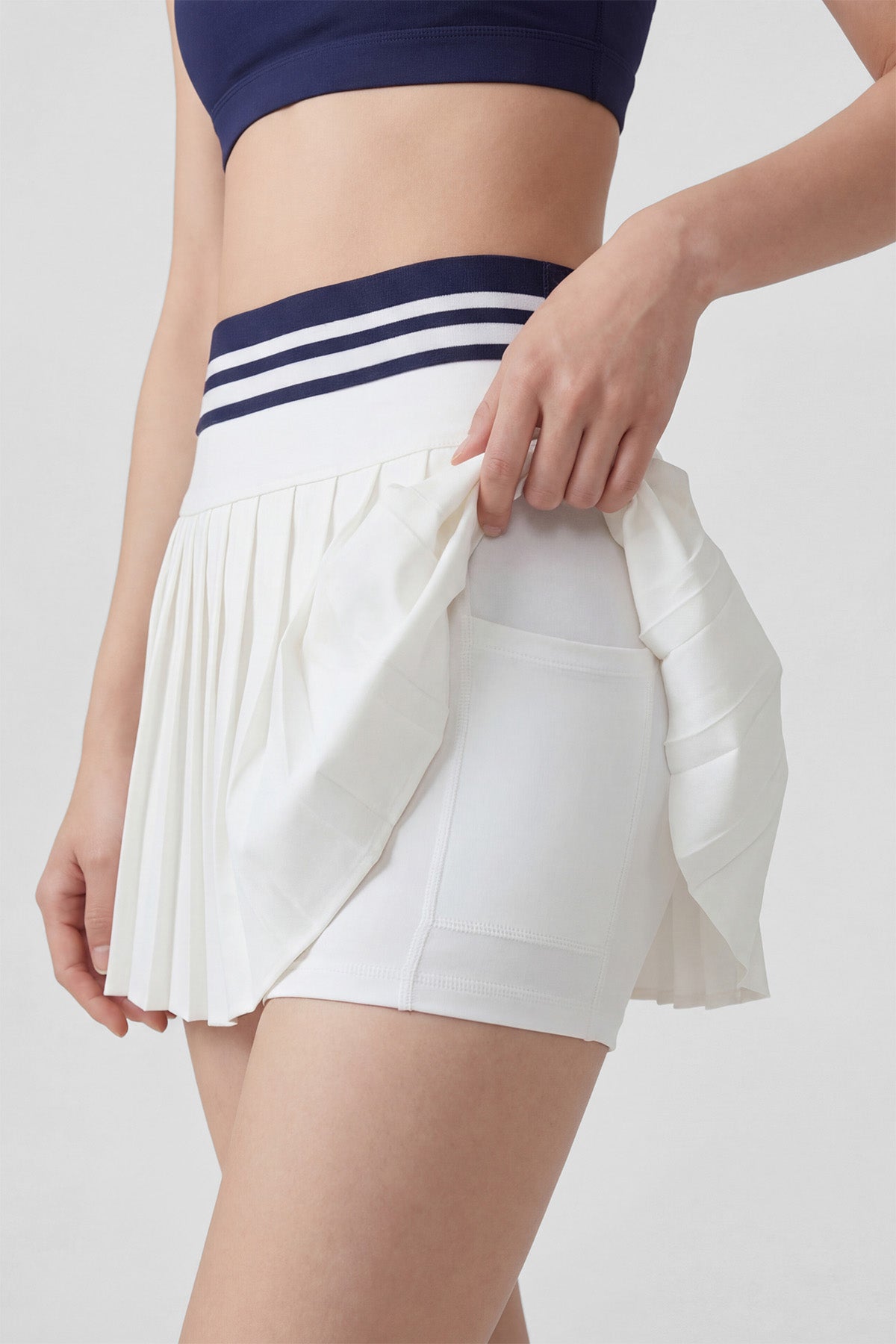
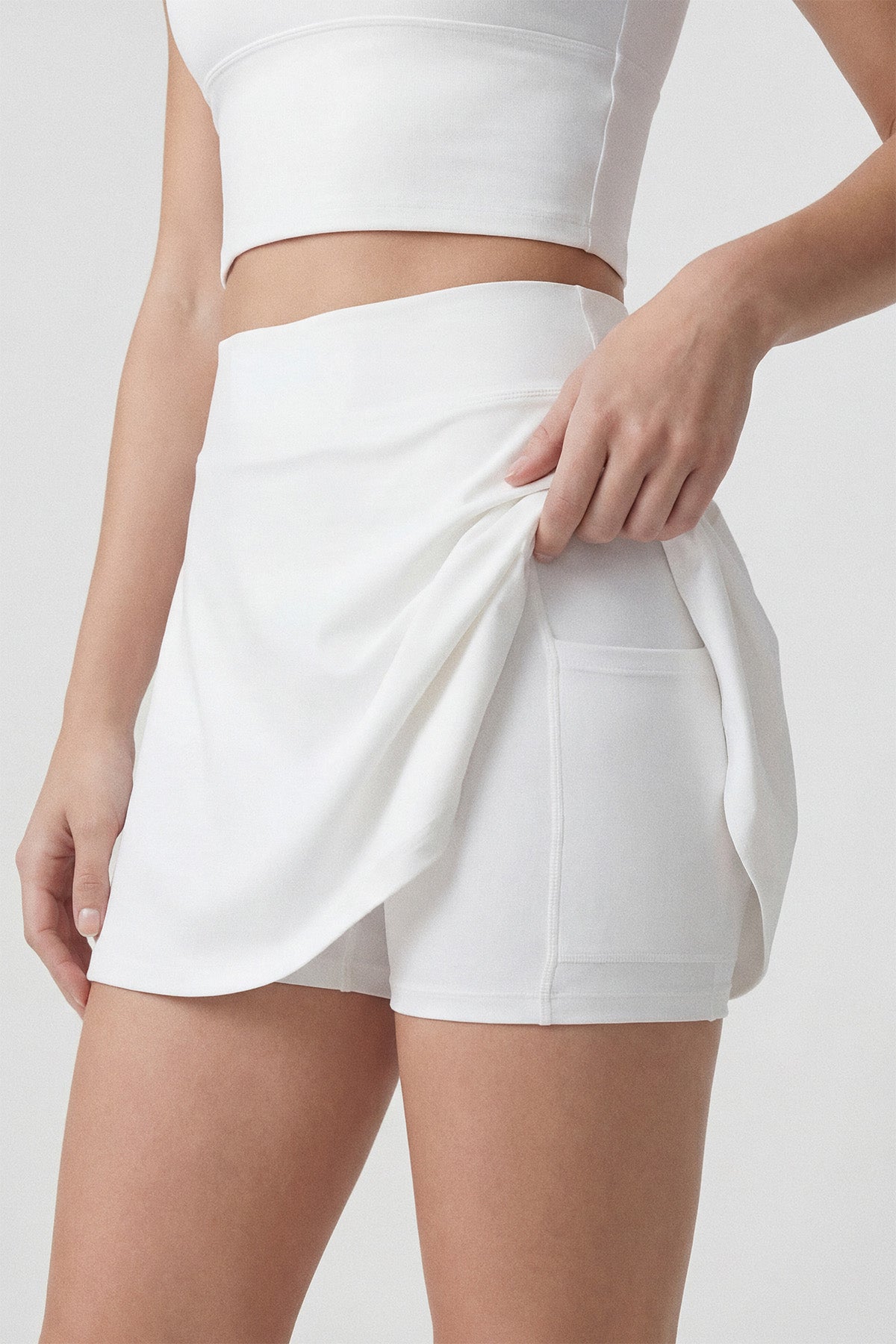
For genuine court performance, built-in shorts are less a bonus and more a baseline. They create coverage, hold you comfortably in place and make the dress feel practical rather than precious.
The details matter here. Shorts should sit flat against the leg without digging in or rolling up. If they feel too tight at the thigh, they will become irritating quickly. If they are too loose, they lose the clean, supportive feel that makes a tennis dress so easy to wear.
Pockets are worth considering too. A discreet side pocket in the shorts can make a big difference when you need to carry a spare ball during practice or a casual set. It is a small detail, but one that signals whether a piece was designed with the rhythm of real play in mind.
Some players prefer separate shorts for flexibility, especially if they like mixing sizes. That can work, but an integrated solution usually gives a smoother line and a more complete uniform feel.
Support changes everything
One of the biggest mistakes when choosing a tennis dress is assuming all support works the same way. It does not. What feels perfect for a relaxed doubles session may not feel adequate during a higher-intensity match.
If you prefer a lighter feel, a dress with removable cups and a softly supportive internal layer may be enough. If you need more hold, look for a design with stronger built-in structure or one that accommodates a sports bra without distorting the neckline or armholes. The goal is confidence, not overengineering.
This is where trying to force a fashion dress into a performance role usually falls apart. It may photograph well, but if you need to compromise on support, you will likely notice every minute you are wearing it.
Style still matters - probably more than you think
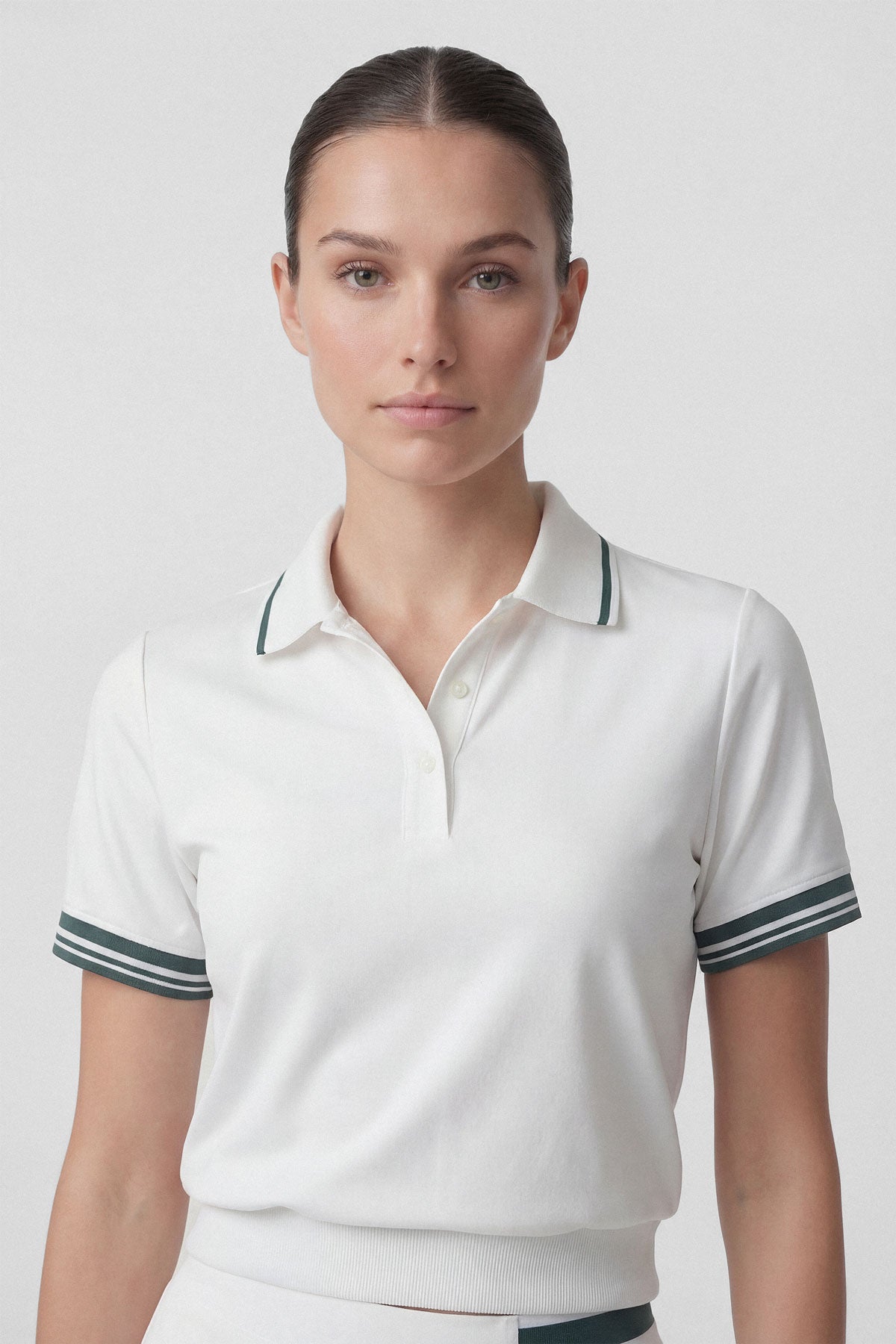
Performance is essential, but so is aesthetics. A tennis dress should feel like part of your identity, not just your kit. The right style tends to make you stand taller, move more freely and feel more composed before the first point is even played.
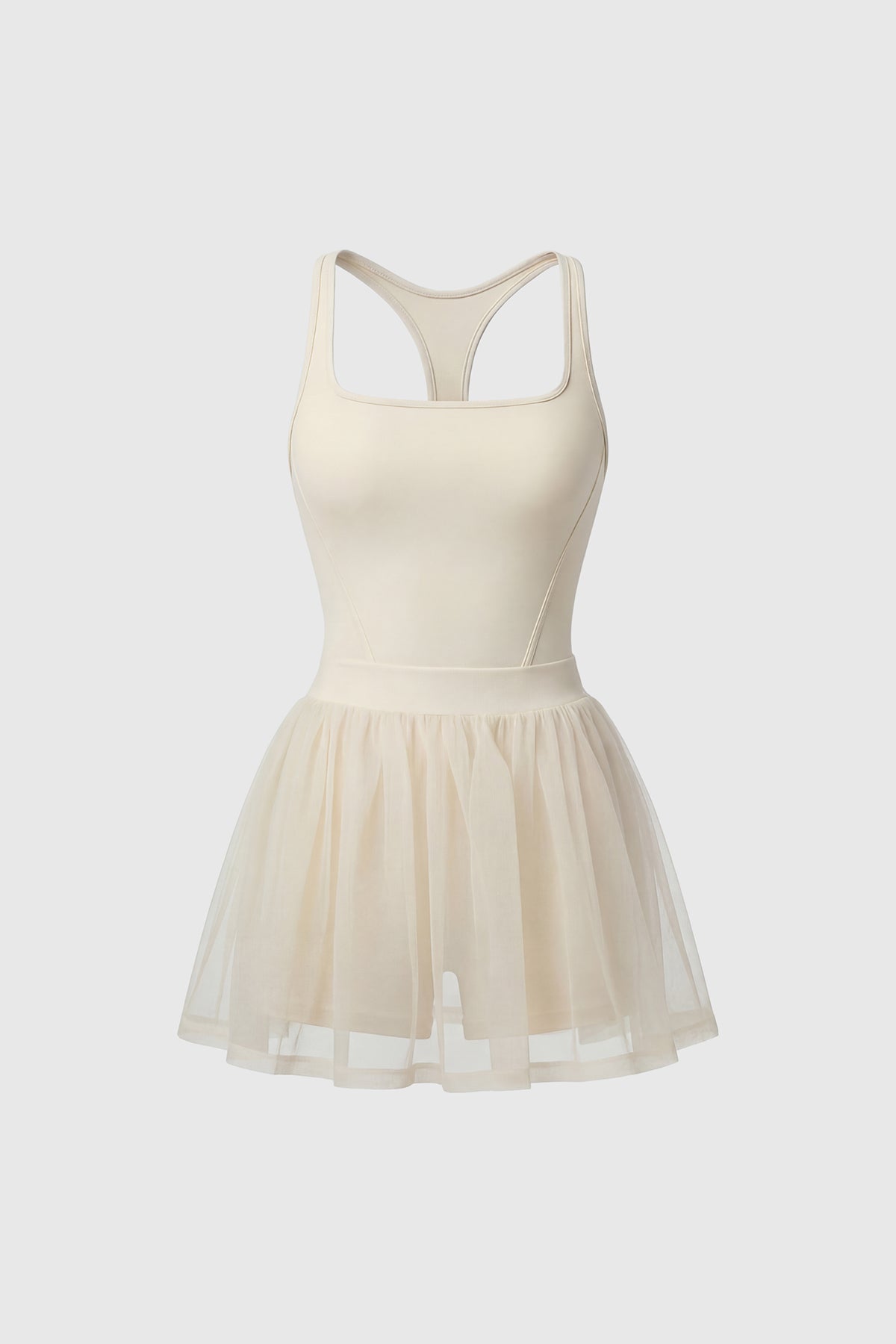
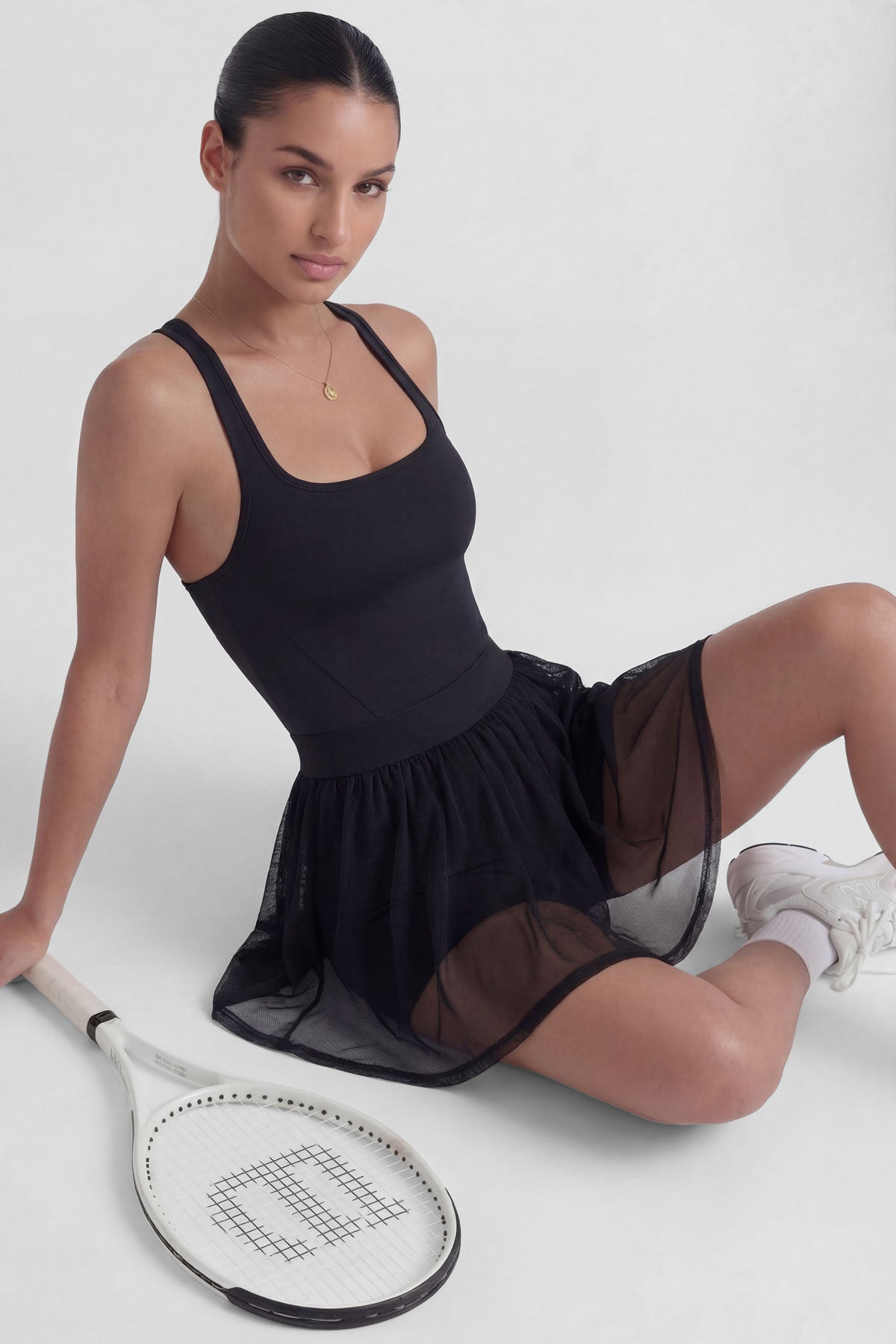
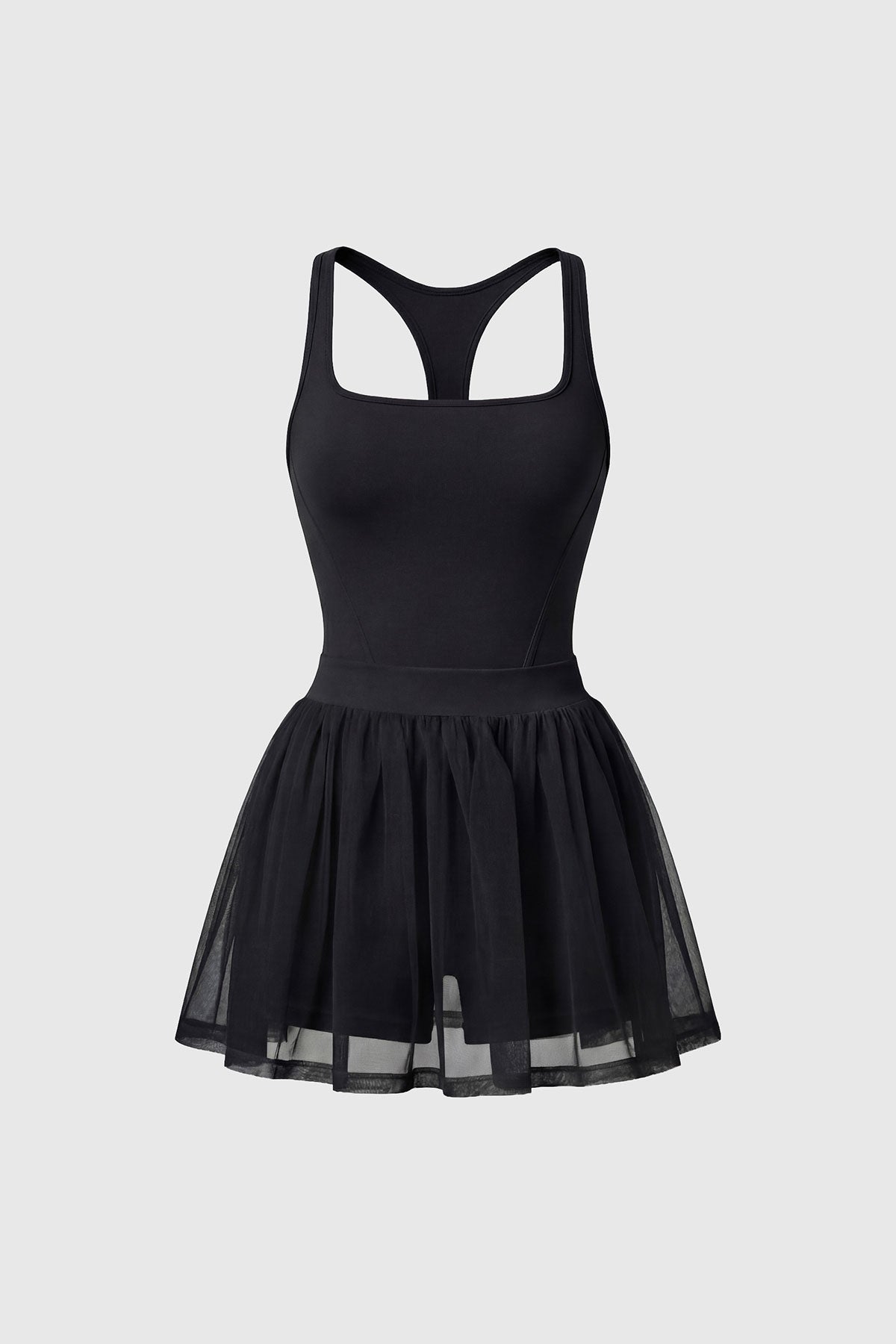
For some women, that means a clean minimalist silhouette in a neutral tone. For others, it is a sharper neckline, a more sculpted waist, or a slightly more fashion-forward strap detail. The strongest tennis dresses do not choose between technical function and style. They bring both together in a way that feels considered.
This is especially relevant if you want your dress to move beyond the court. A refined piece can carry you to coffee, errands or lunch without looking like you came straight from training. That versatility is part of the appeal of a modern court wardrobe, and part of what brands like Common Player understand so well.
How to choose tennis dresses for Australian conditions
Climate should shape your choice more than many shoppers realise. In Australia, heat, sun and long outdoor sessions can expose every weakness in a garment.
Lighter fabrics with genuine breathability tend to feel better in summer, especially for daytime play. If you play in strong sun, you may prefer a higher neckline or wider straps for a little more coverage. Darker shades can look beautifully crisp, but in peak heat they may feel warmer than pale neutrals or soft whites.
In cooler months, you may be able to wear slightly denser fabric or layer with a knit or light jacket off court. The point is not to own a completely different wardrobe for every season, but to choose dresses with enough technical intelligence to handle the conditions you actually play in.
A quick fitting test before you commit
When you try on a tennis dress, do more than stand in front of the mirror. Raise your arms into a serve position. Twist through the torso. Drop into a low volley stance. Walk briskly. If anything shifts, pulls or pinches, it will not improve once you are on court.
Also check the less obvious details. Are the straps stable? Does the neckline stay flat? Do the shorts feel secure without cutting in? Can you imagine wearing it for two hours, not twenty minutes? A polished look only works when comfort is built in.
The best tennis dress is usually the one you stop thinking about while you're playing. It supports, flatters and performs without making itself the centre of attention. Choose that, and getting dressed for match day becomes much simpler - and far more satisfying.
Read more
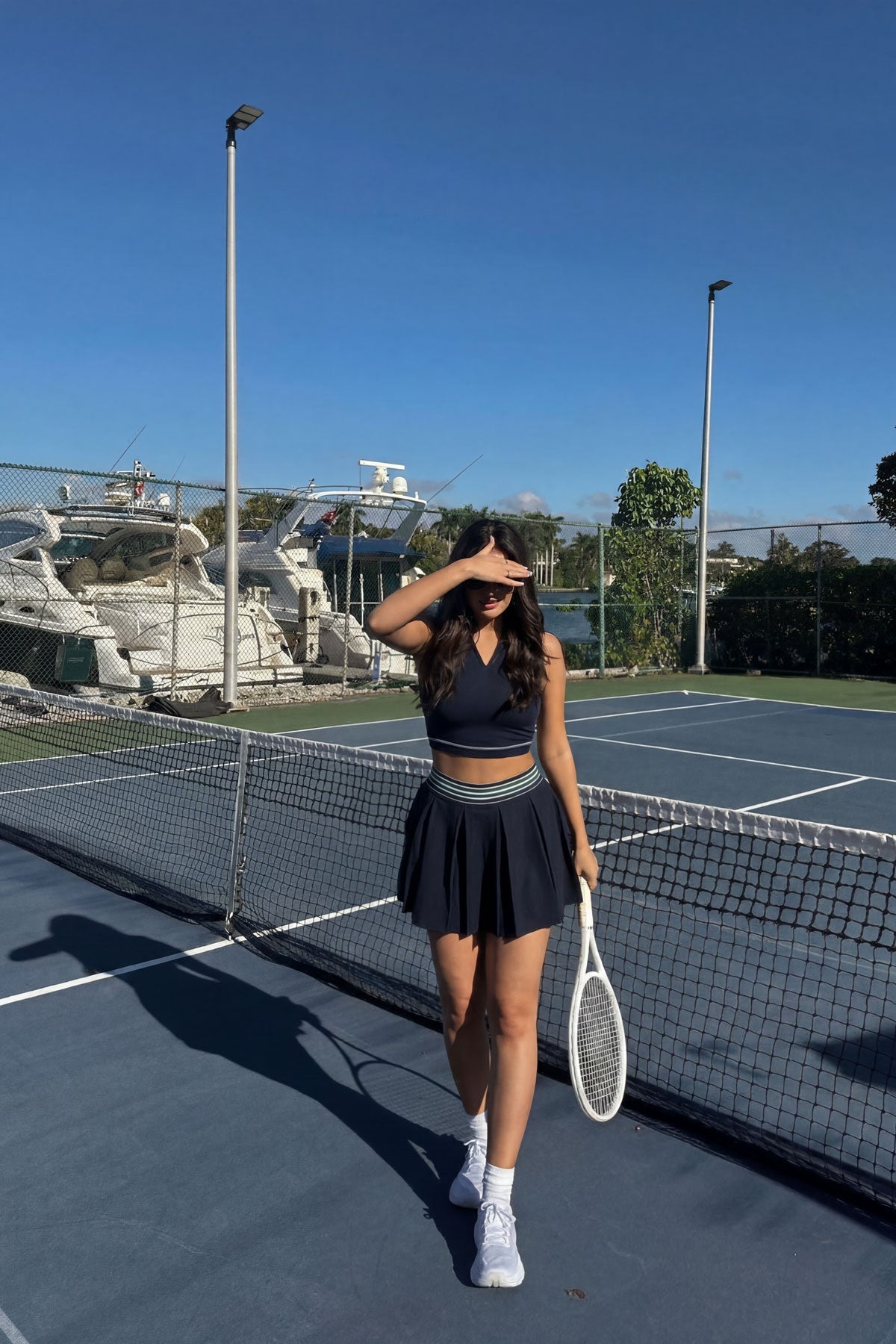
Women tennis outfits 2026 favour refined silhouettes, technical comfort and court-to-club polish. Here’s what modern players will actually wear.
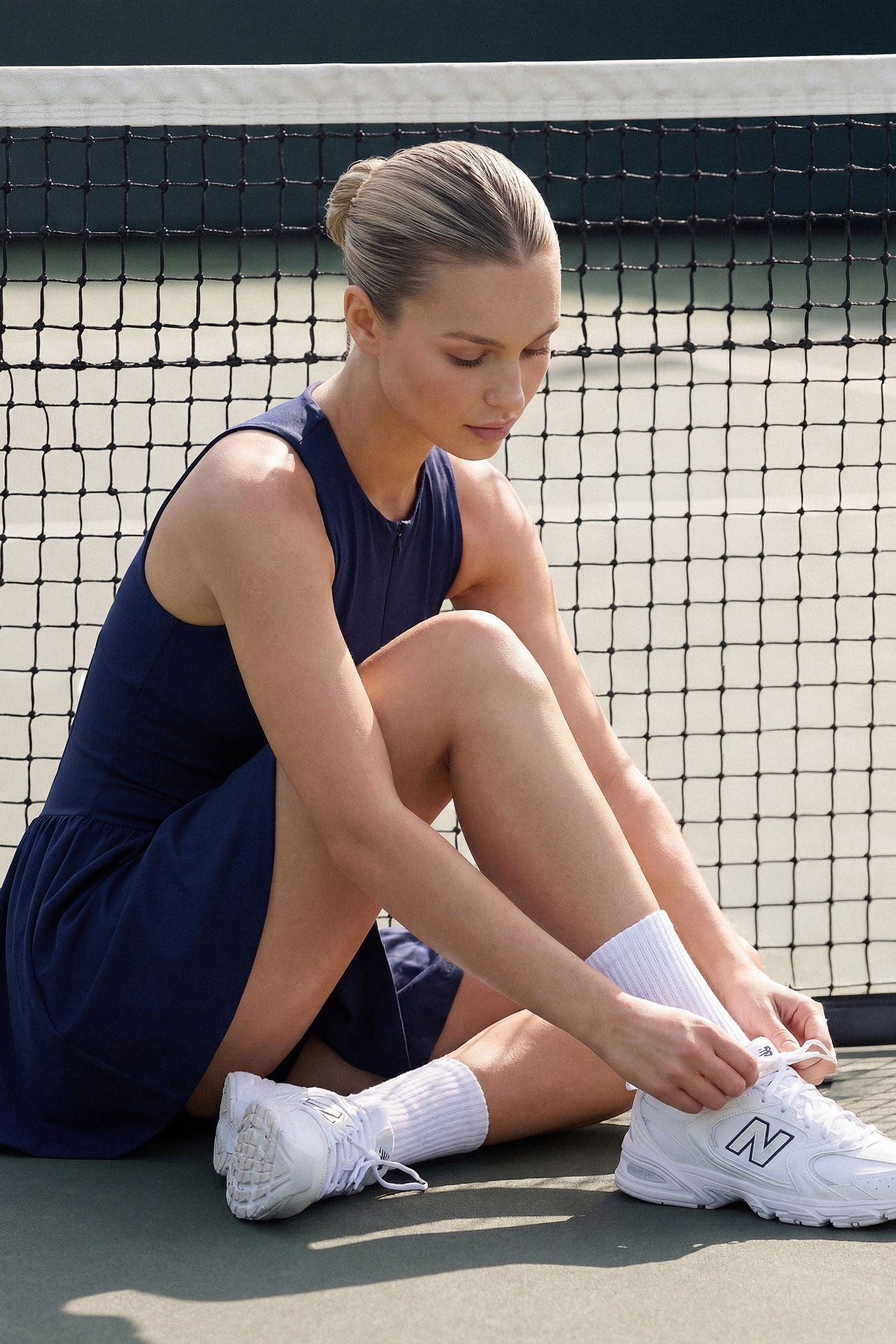
A women’s tennis apparel guide to fit, fabric and function - refined pieces that move well, feel polished and work beyond the court.