


Tennis Dress With Longer Shorts, Considered
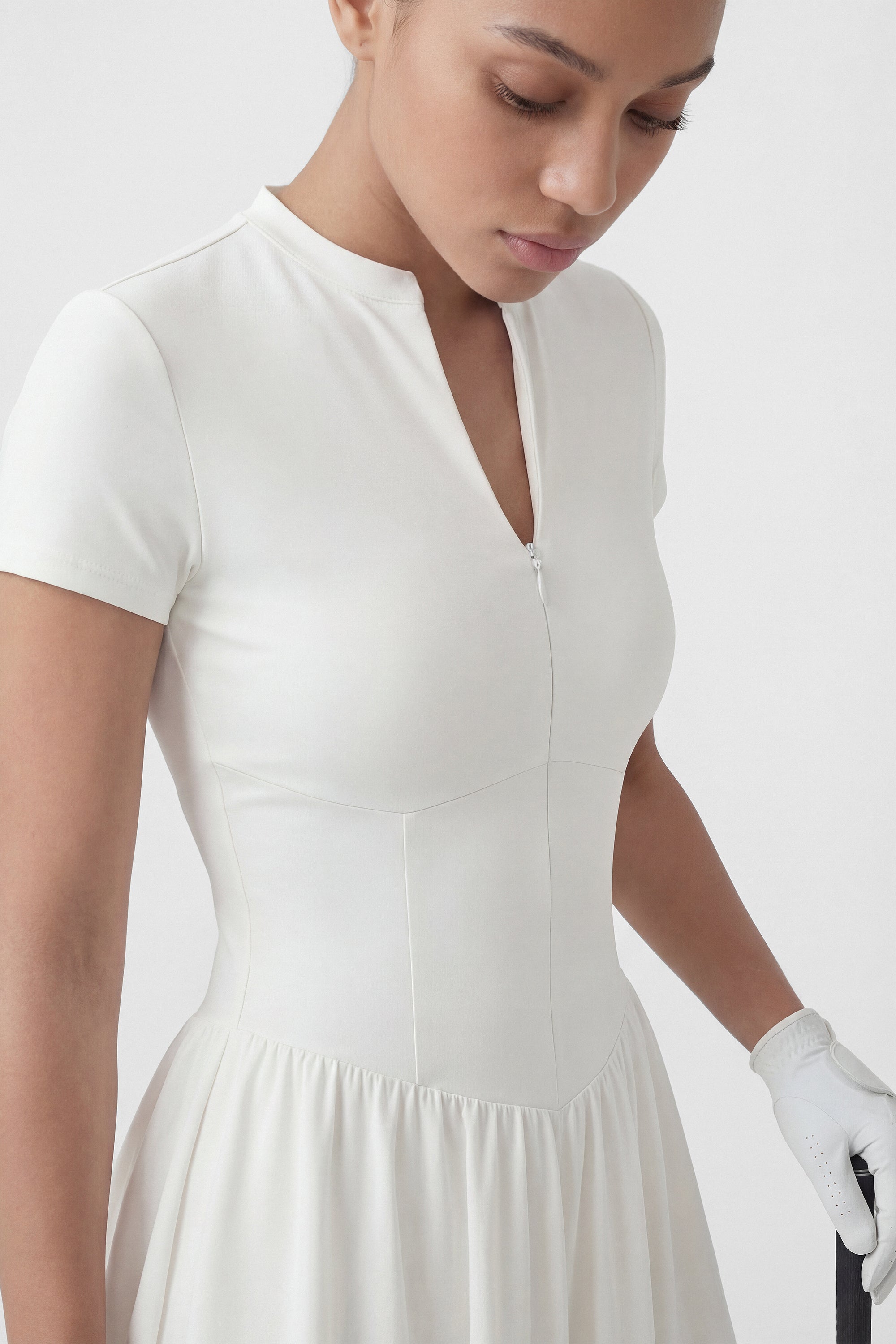
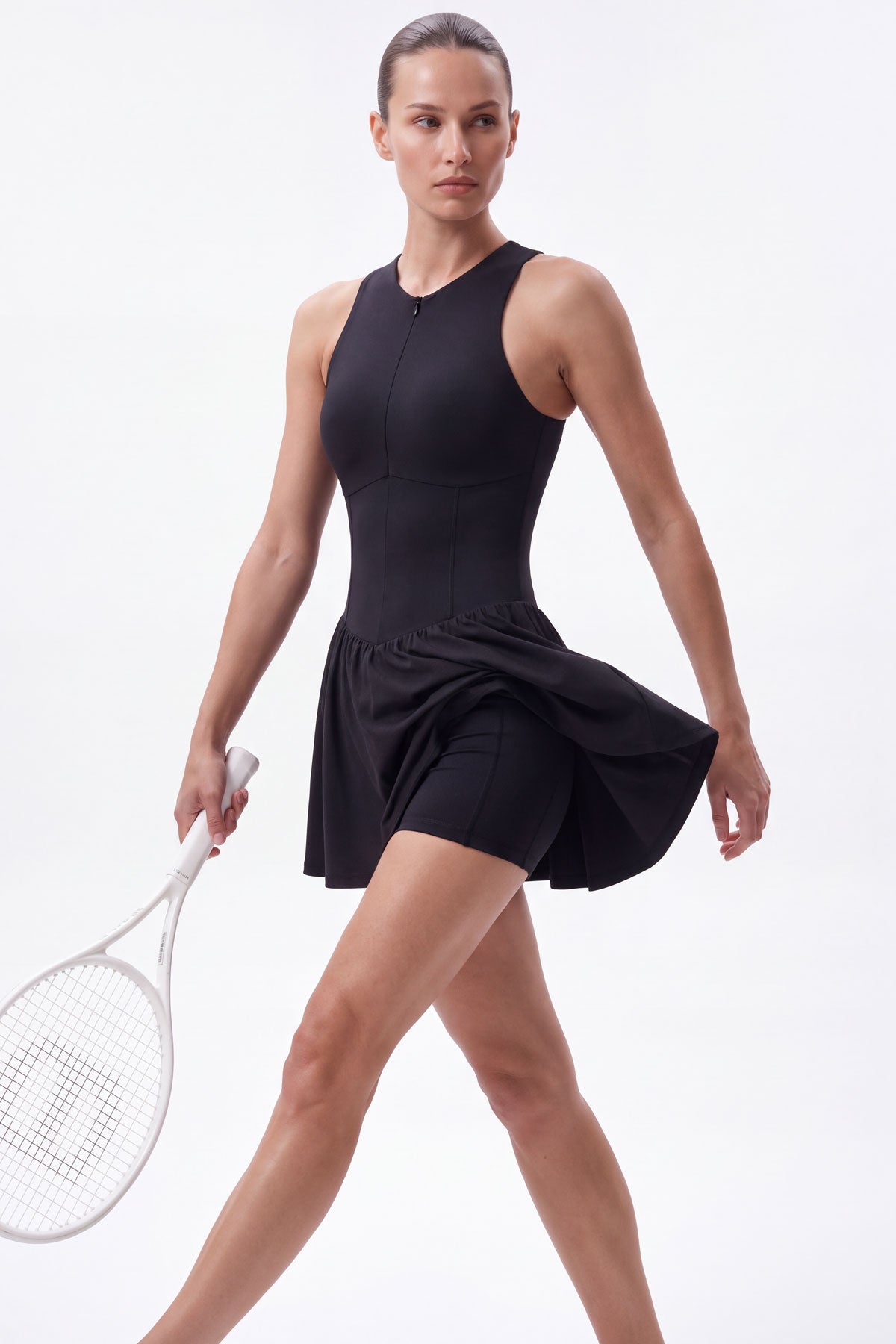
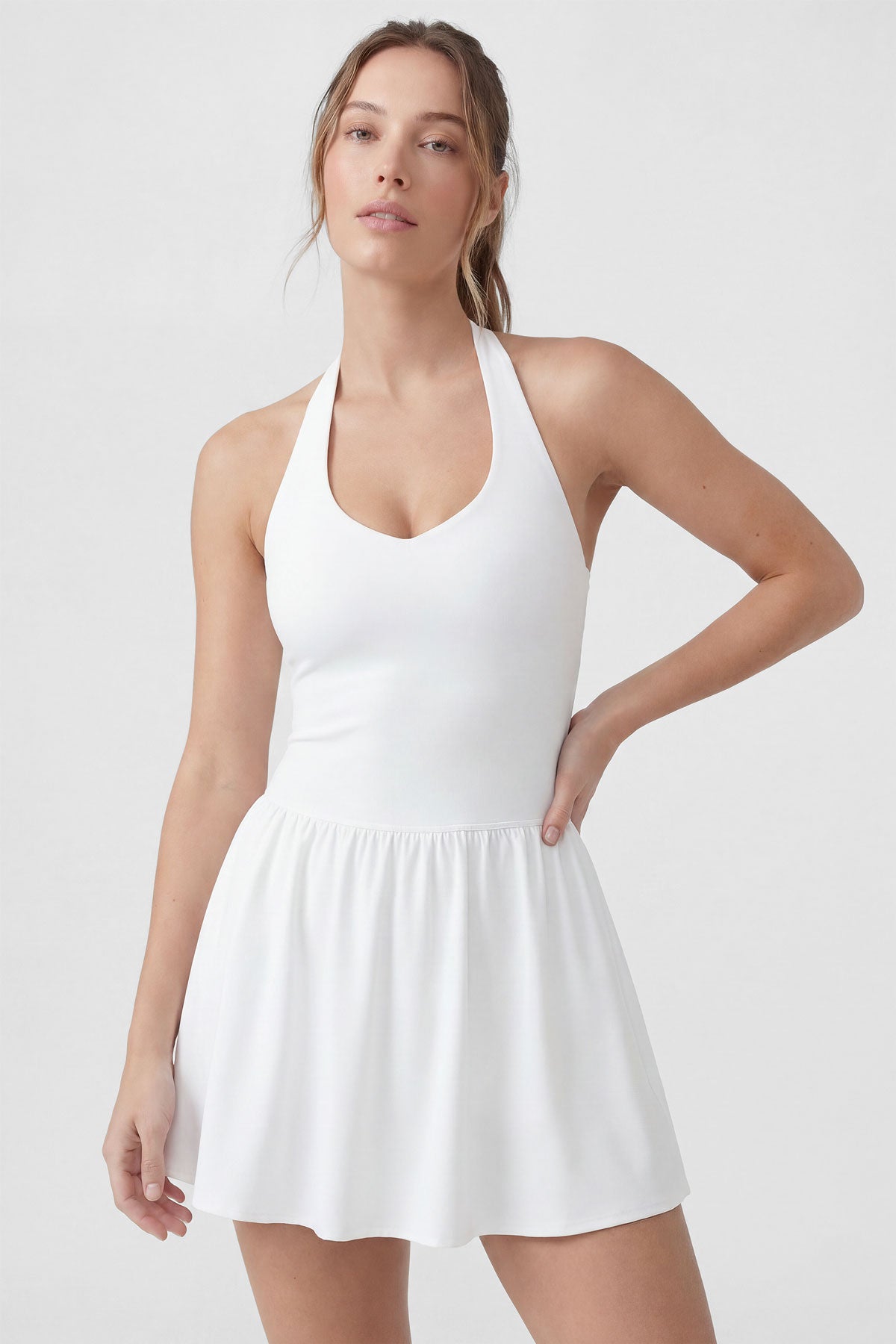
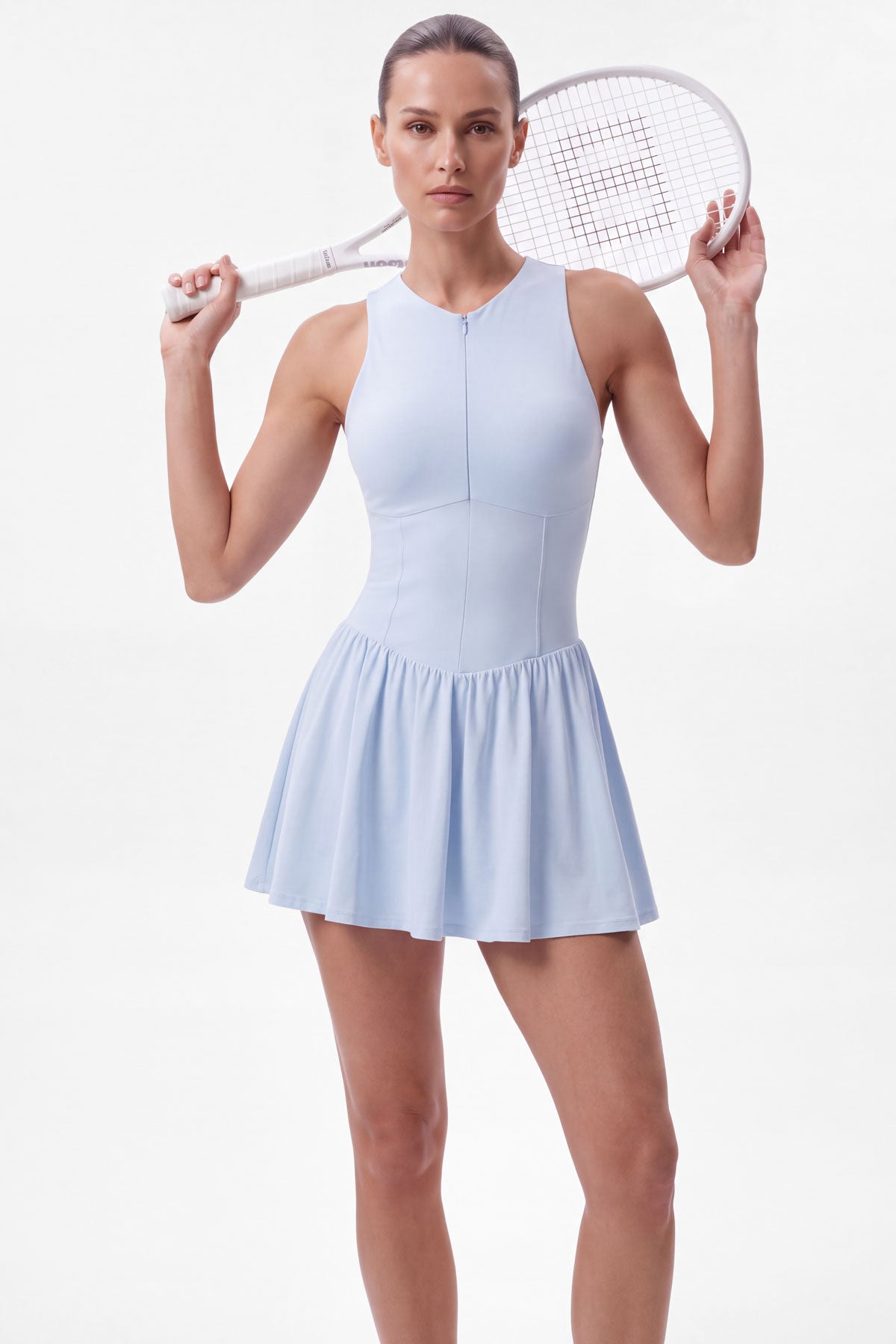
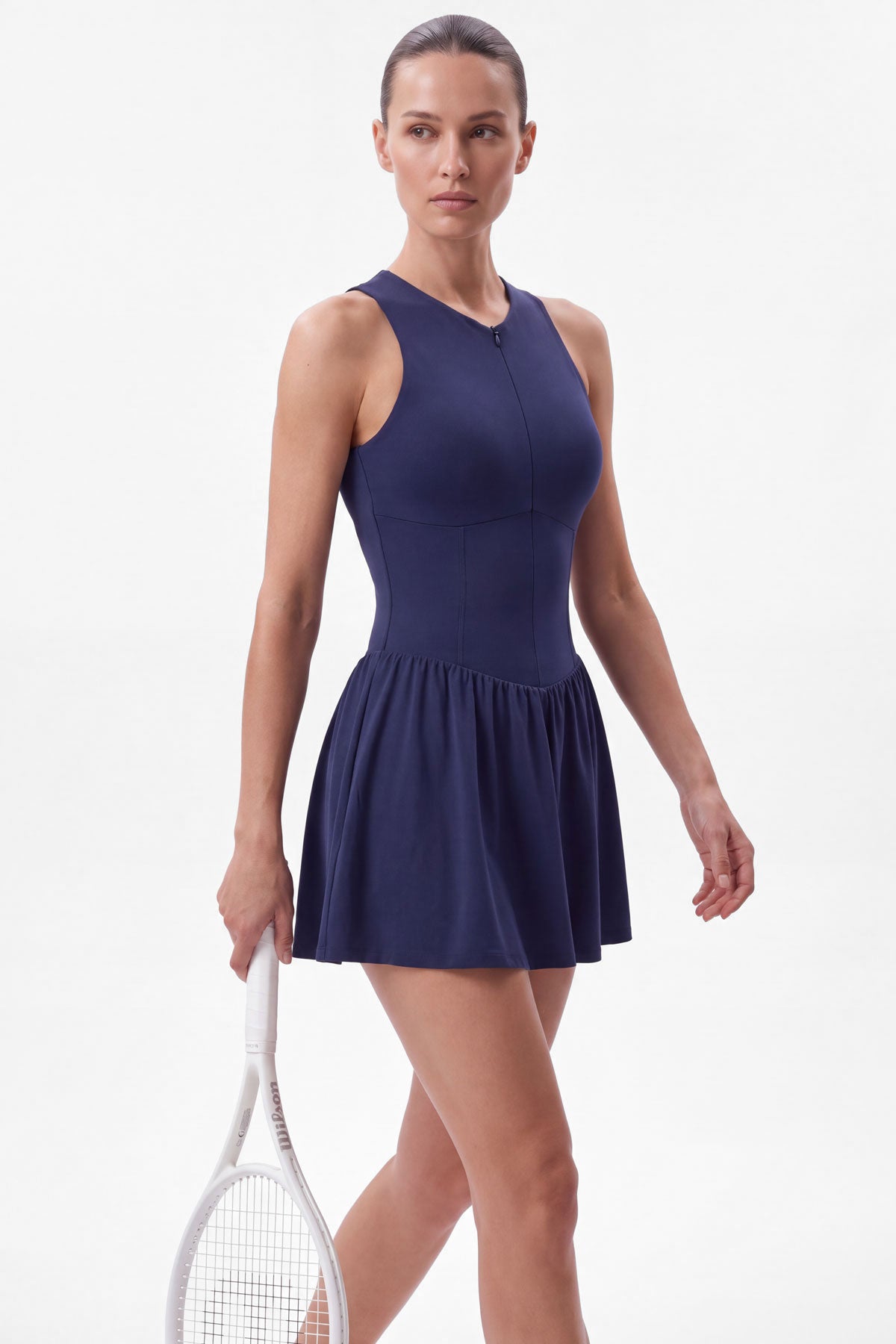
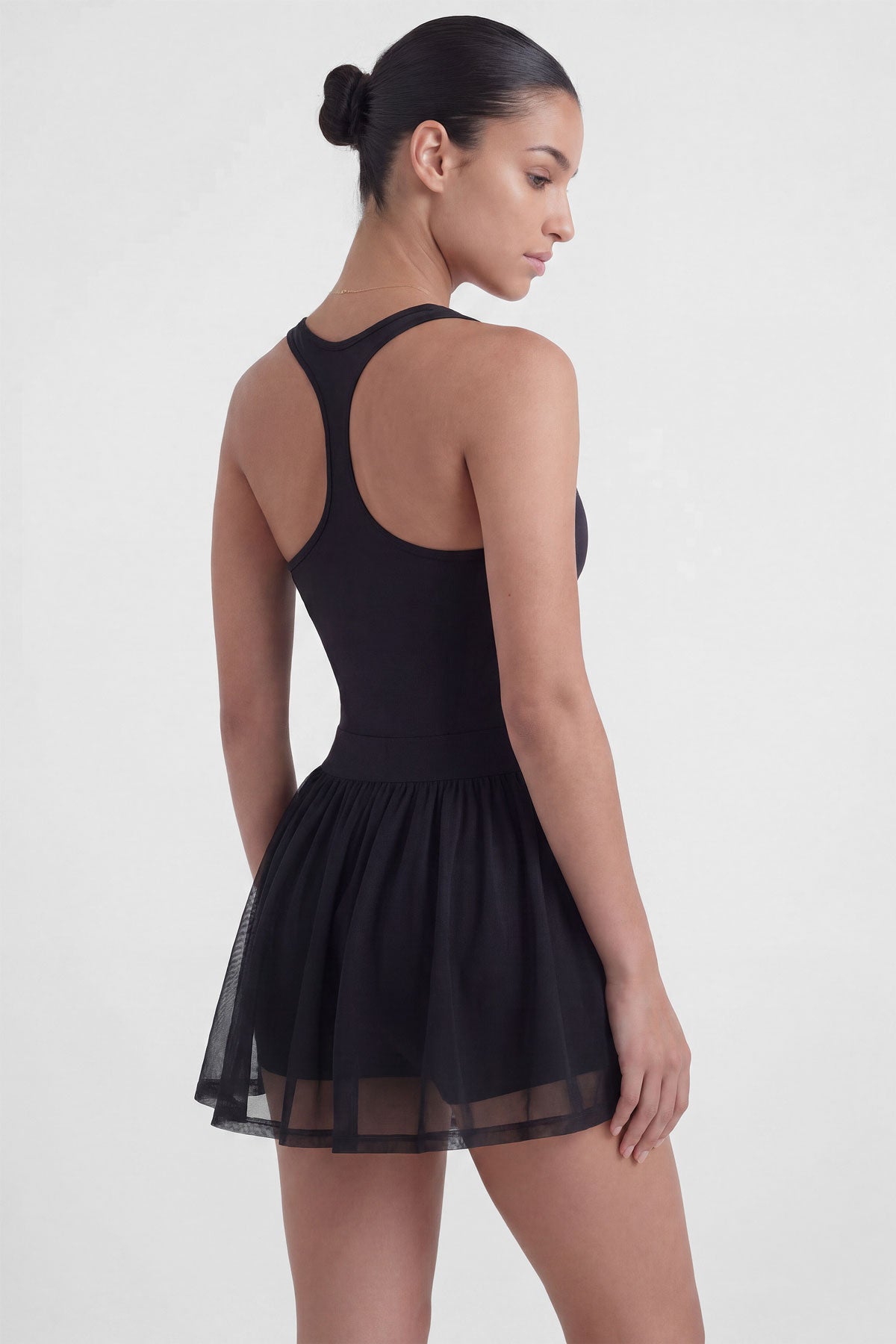
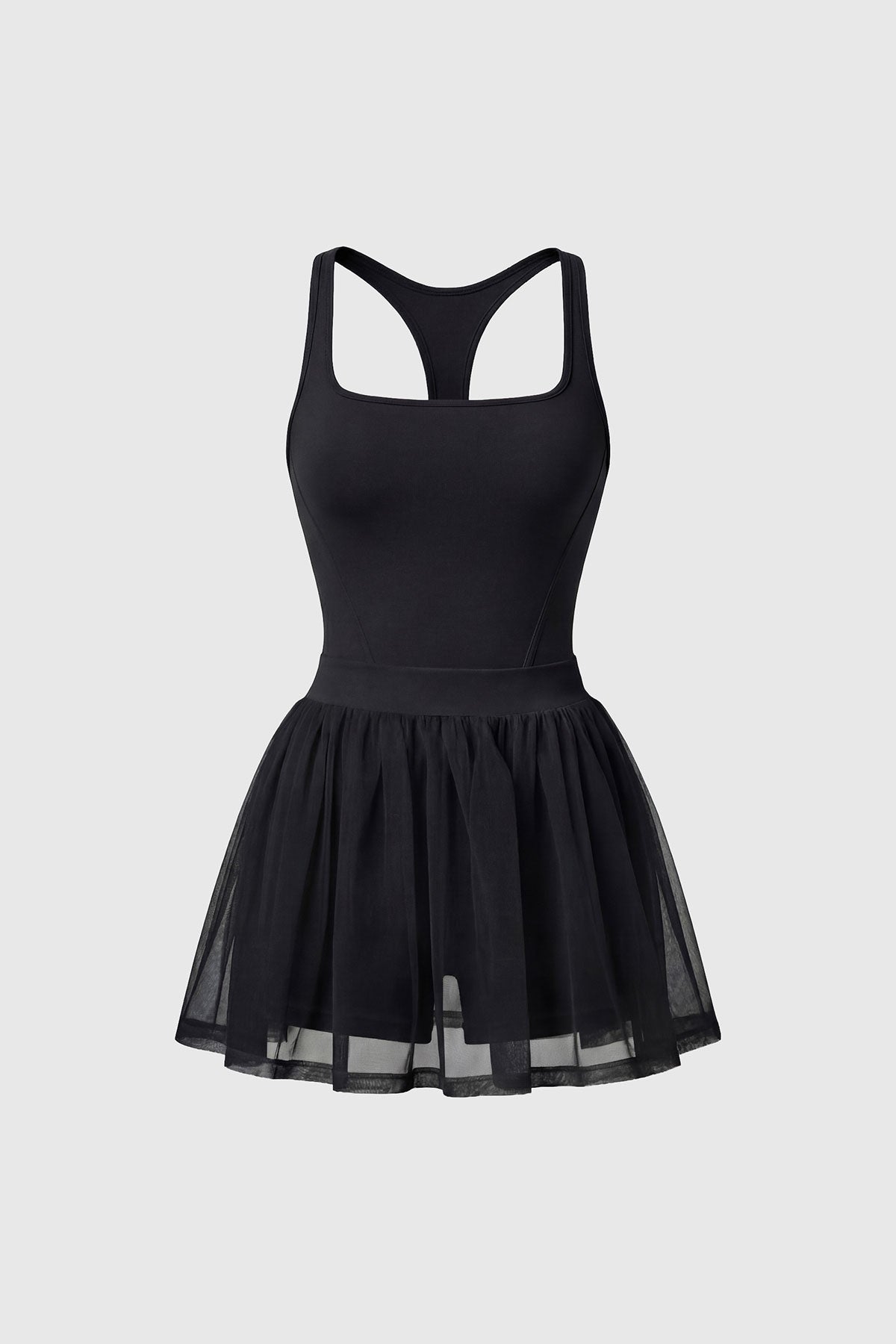
The point that decides a tennis outfit is rarely the first serve. It is the second set, when you are reaching wide, collecting balls at the fence and moving without time to adjust your hem. A tennis dress with longer shorts is designed for exactly that kind of match day: composed from the first warm-up to the post-court coffee.
It is not about covering up for the sake of it. It is about choosing a silhouette that lets you focus on play, with a little more assurance through every sprint, split step and low ball. The best versions retain the clean, feminine line of a tennis dress while making the underlayer feel considered rather than incidental.
Why longer shorts change the tennis dress
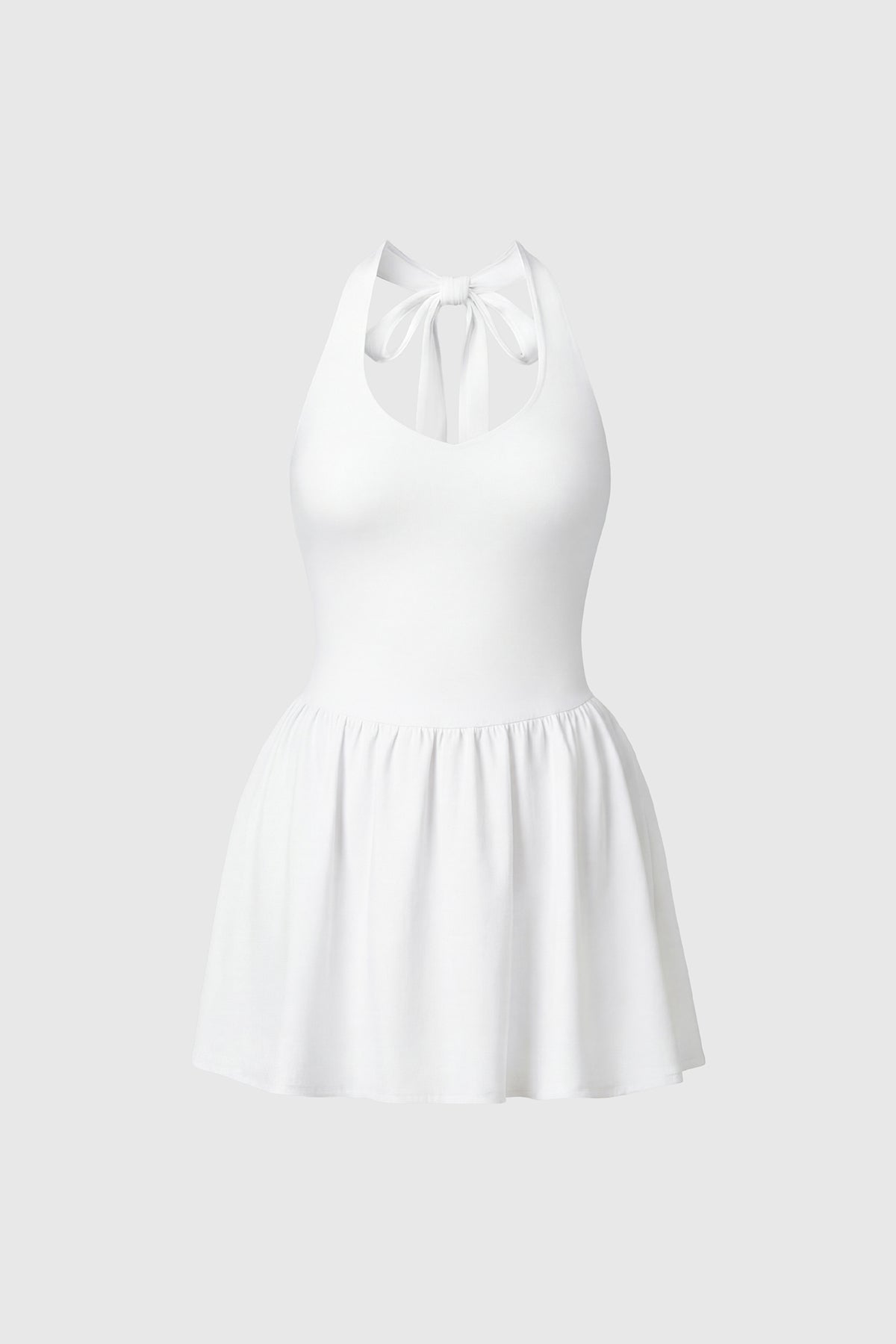
A dress can be one of the easiest pieces to wear on court. There is no waistband to pair with a separate top, no need to coordinate layers, and the overall look feels immediately polished. But the shorts underneath determine how confidently the piece performs when the pace picks up.
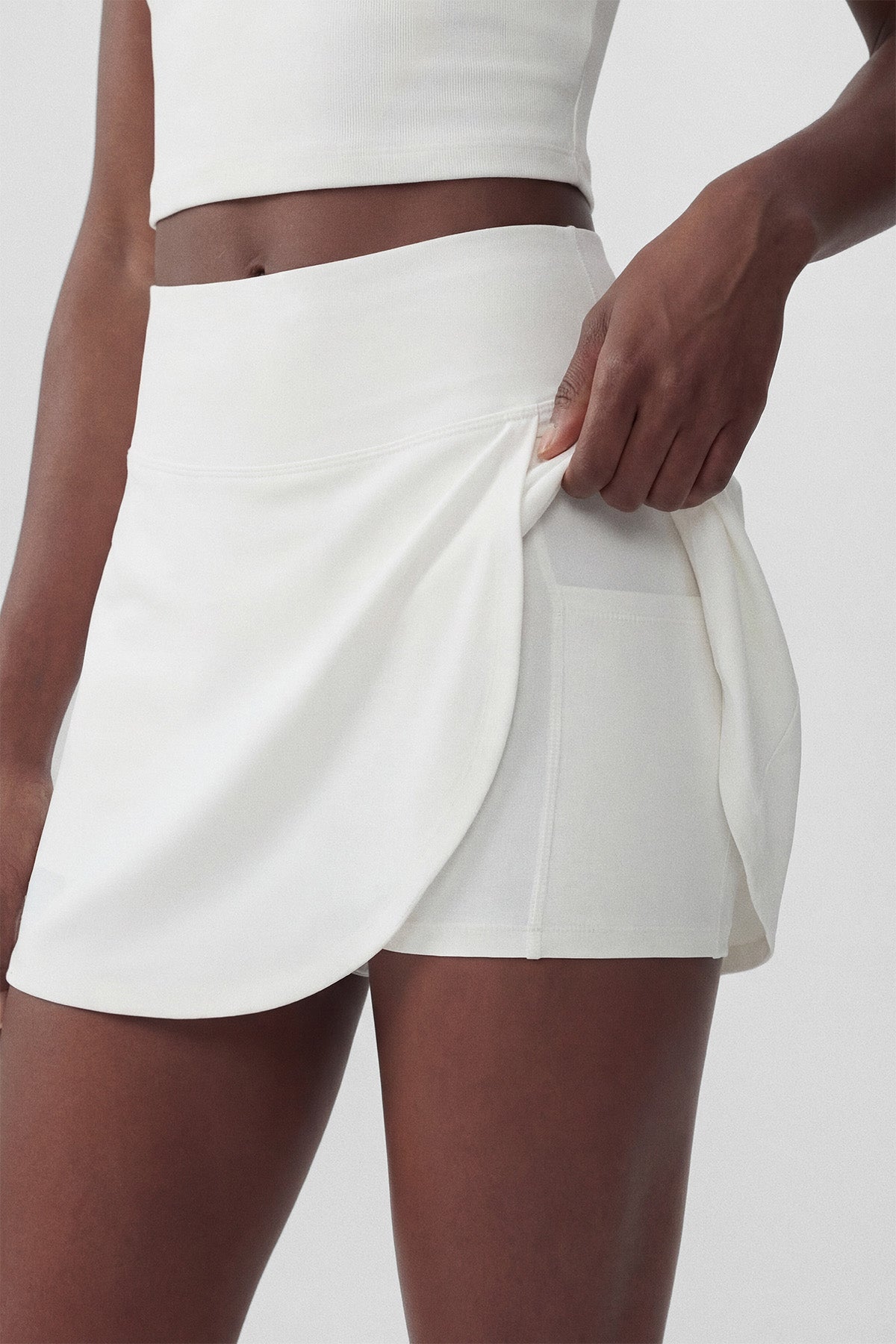
A longer inseam offers extra coverage through the upper leg, which many players prefer during lateral movement and when sitting between games. It can also reduce the tendency for the short to ride up, though construction and fabric recovery matter as much as length. A poorly designed long short may still shift. A well-cut one stays close to the body without feeling restrictive.
For tennis, the sweet spot is usually an under-short that provides enough length to feel secure while keeping the dress light and easy. Too short, and you may spend the match making small adjustments. Too long, and the proportions can begin to feel heavy, particularly under a shorter skirt line. The goal is balance: coverage that supports the movement, not coverage that takes over the design.
That same balance suits padel beautifully. The quick changes of direction and compact court can make a stable underlayer especially appealing, while the streamlined finish still works for the social rhythm around the game.
What to look for in a tennis dress with longer shorts
Start with the short, not the skirt
When trying a dress, test the shorts first. Walk, lunge, squat slightly and take a few wide steps. The fabric should move with you and return neatly, without pulling at the inner thigh or rolling at the waistband. Look for a fit that feels secure, not compressed.
High-waisted shorts can create a smooth, held-in feel beneath the dress, especially when the waistband is designed to sit flat rather than dig in. A soft but stable waistband is usually more useful than one that feels aggressively tight. You are looking for comfort that lasts beyond the first five minutes in the change room.
The hem placement is personal. Some players prefer shorts that sit higher on the thigh for a lighter feel; others want a little more length for rallies, drills and days when they simply want more coverage. Neither is more correct. The right choice is the one you do not think about once the match begins.
Consider ball storage early
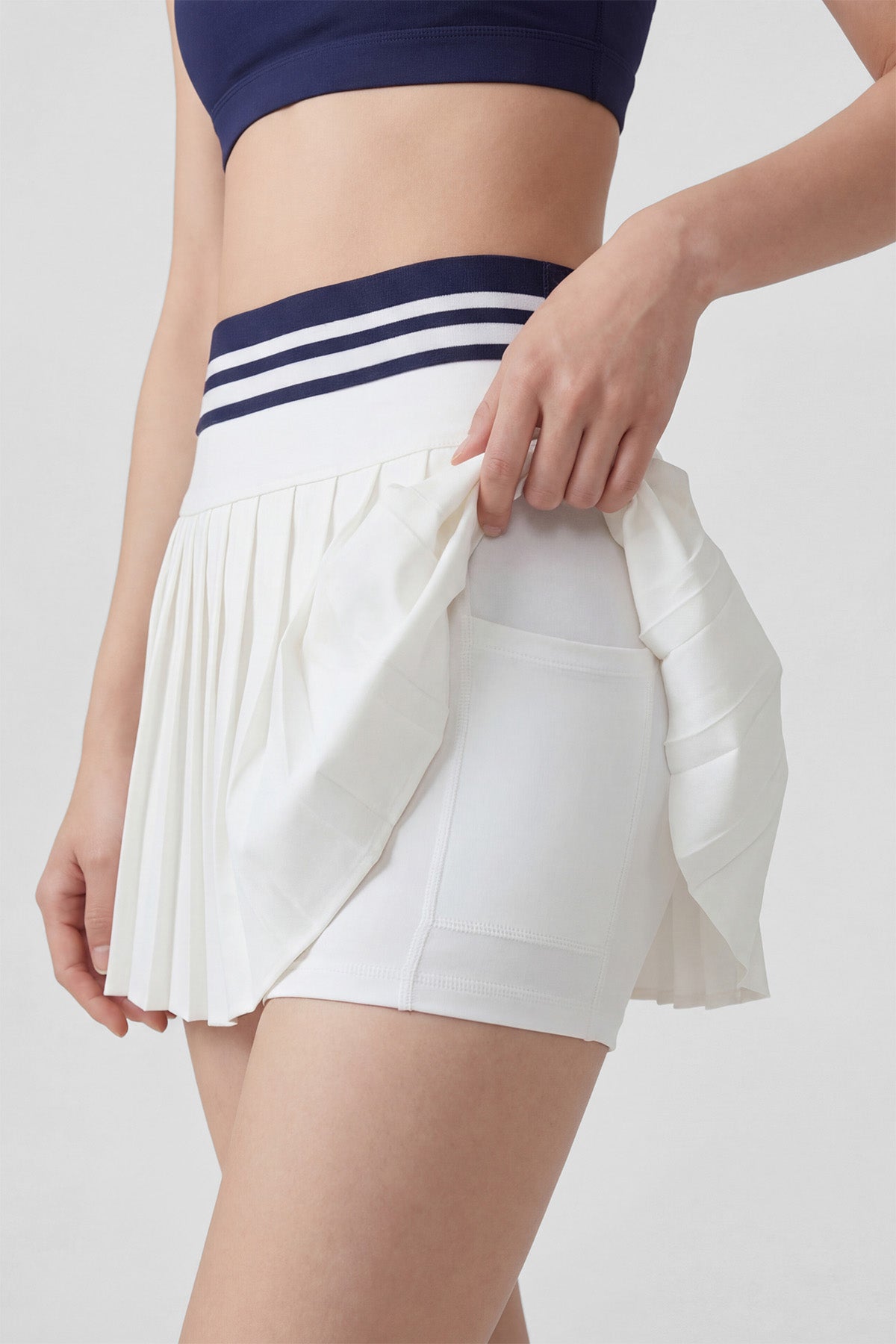
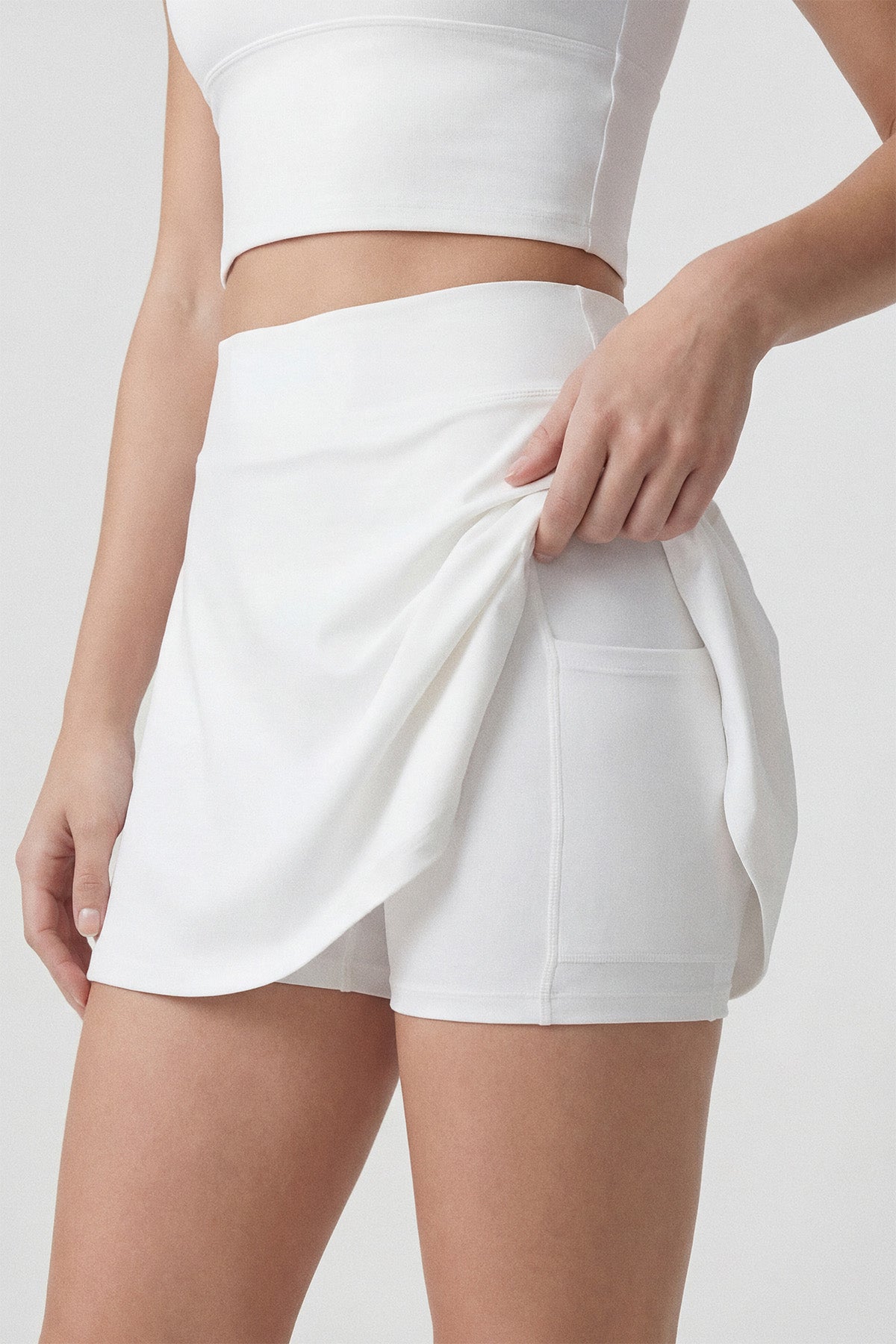
A tennis dress needs a practical answer to the question of where the second ball goes. Pockets built into the under-short are often the cleanest solution, provided they are positioned and finished thoughtfully. A side pocket can keep a ball accessible without interrupting the line of the dress or adding unnecessary bulk.
Not every player uses a pocket in the same way. If you serve with a spare ball tucked into your shorts, test whether the pocket sits comfortably during the motion. If you prefer to hold the ball or collect one from the court as needed, a pocket may be more useful for a mobile, card or key after play. What matters is that the feature earns its place.
Choose fabric for the session ahead
The fabric of a tennis dress should feel refined, but refinement is not the same as delicacy. Court clothing has to handle repeated movement, warm conditions and a full afternoon of activity. Seek out a smooth, breathable fabrication with enough stretch for a full range of motion and enough recovery to maintain its shape.
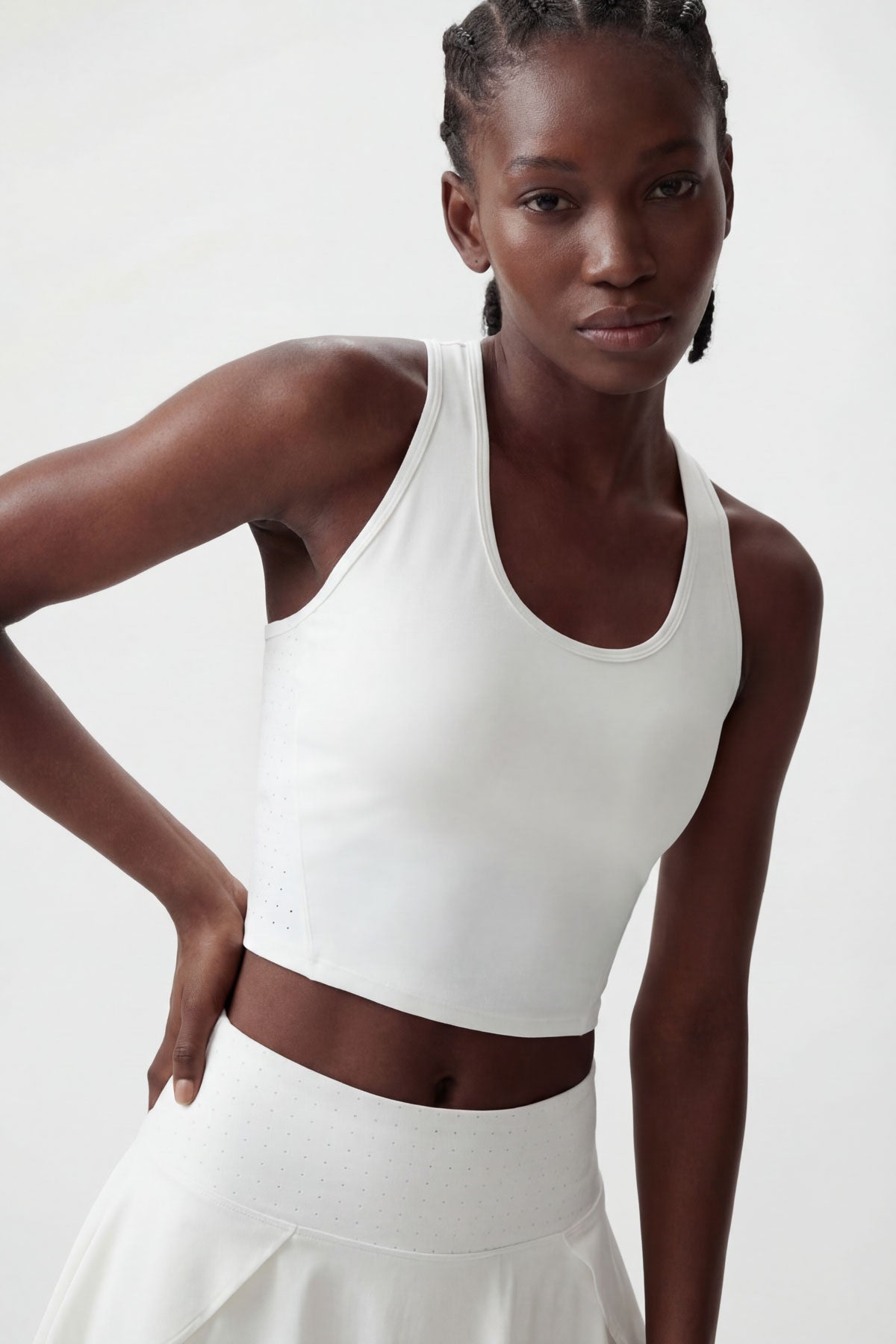
Micro-perforated panels can be a considered detail in warmer weather, particularly where the body generates heat during play. They should look integrated into the garment rather than overly technical. A minimal dress with discreet ventilation has a much longer life in a court wardrobe than one crowded with visible features.
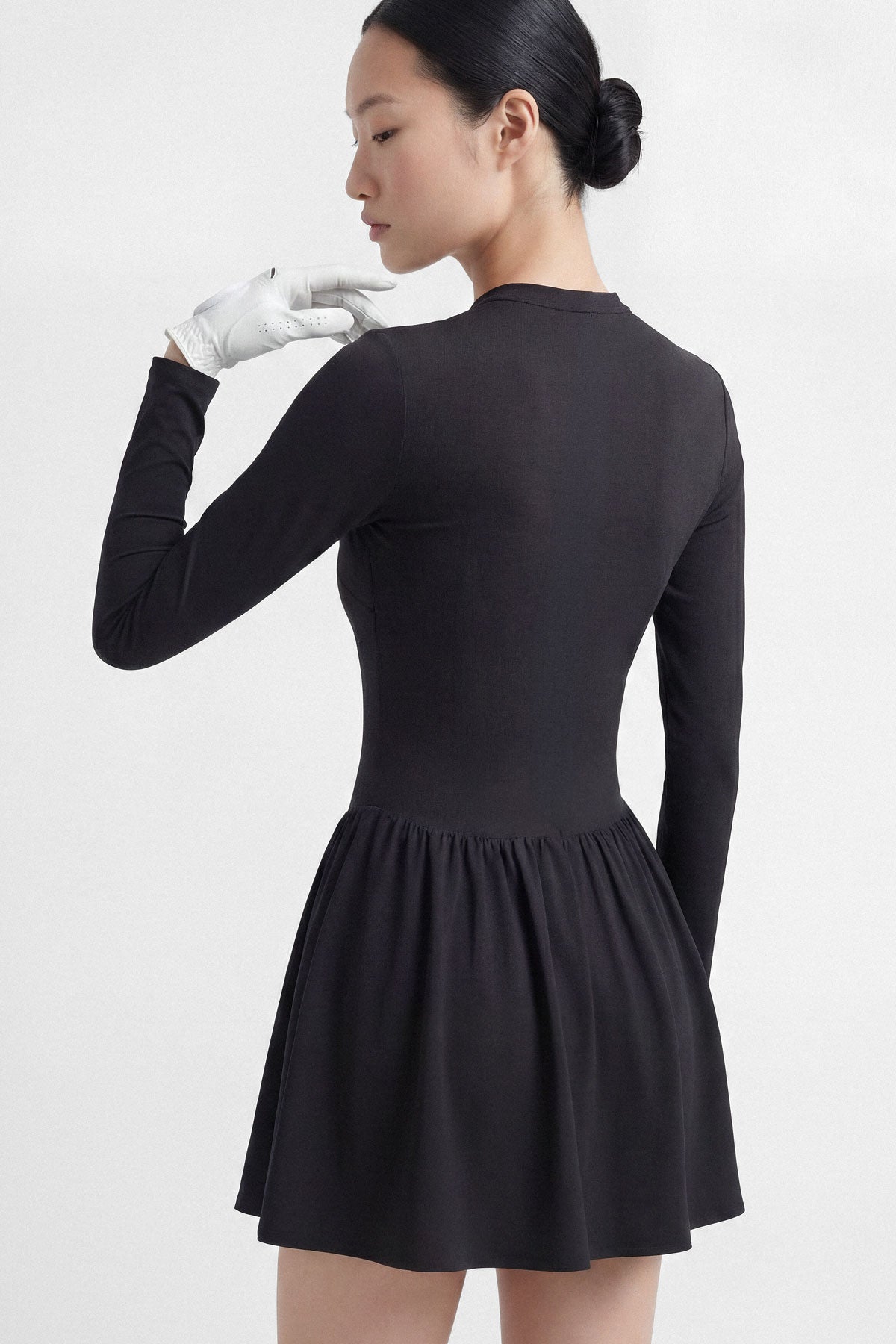
Lighter colours feel crisp in the summer sun, while black, navy and deep green offer an assured option for frequent wear. If you play at different clubs or move from tennis to padel during the week, a restrained colour palette also makes the piece easier to repeat without feeling uniform in the ordinary sense.
Do not overlook the top half
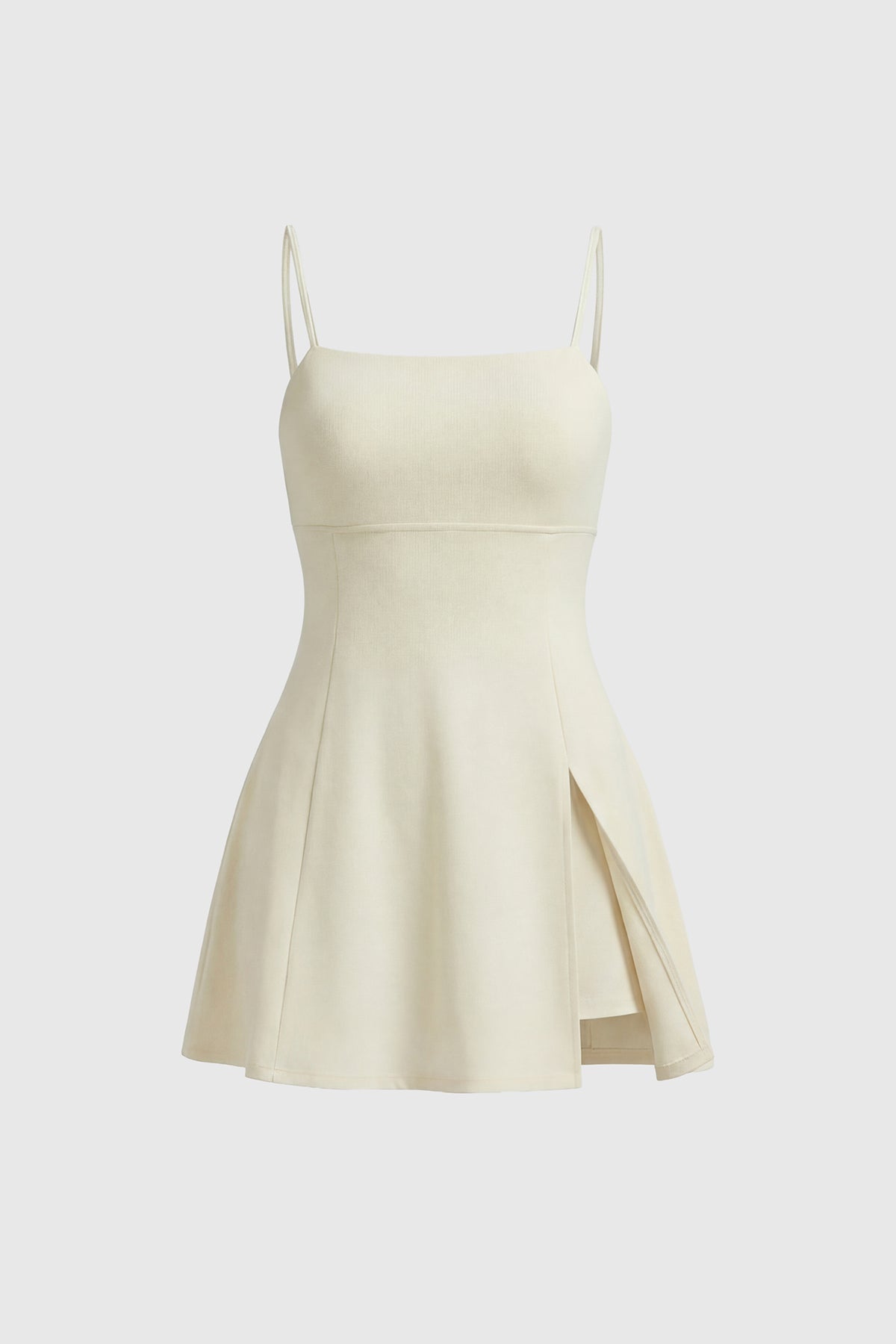
Longer shorts may be the feature you are searching for, but the dress still needs to work from shoulder to hem. Adjustable straps can help you fine-tune the fit through the torso. A supportive built-in layer and removable bra cups can offer flexibility in how you wear the piece, depending on your preference and the intensity of the session.
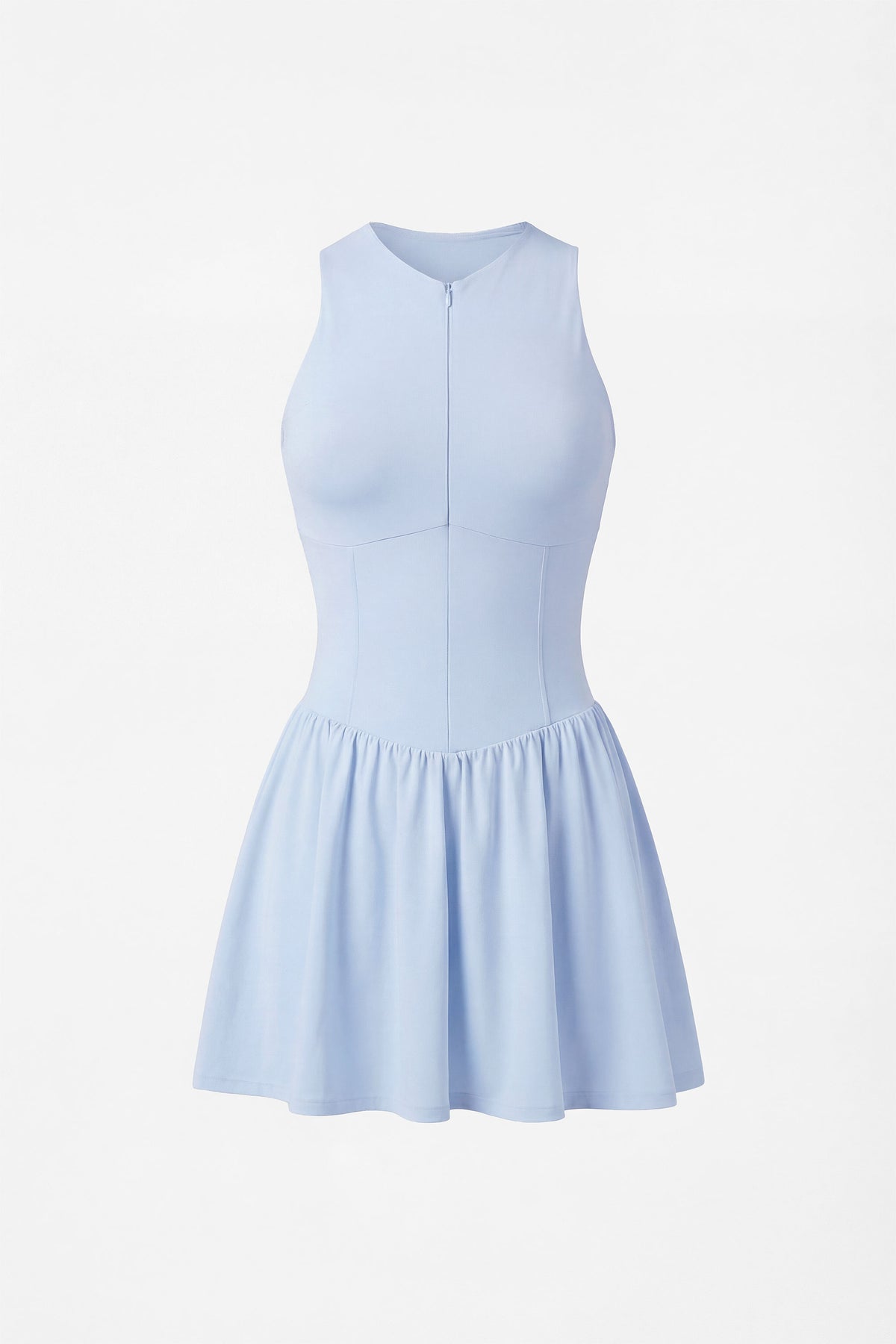
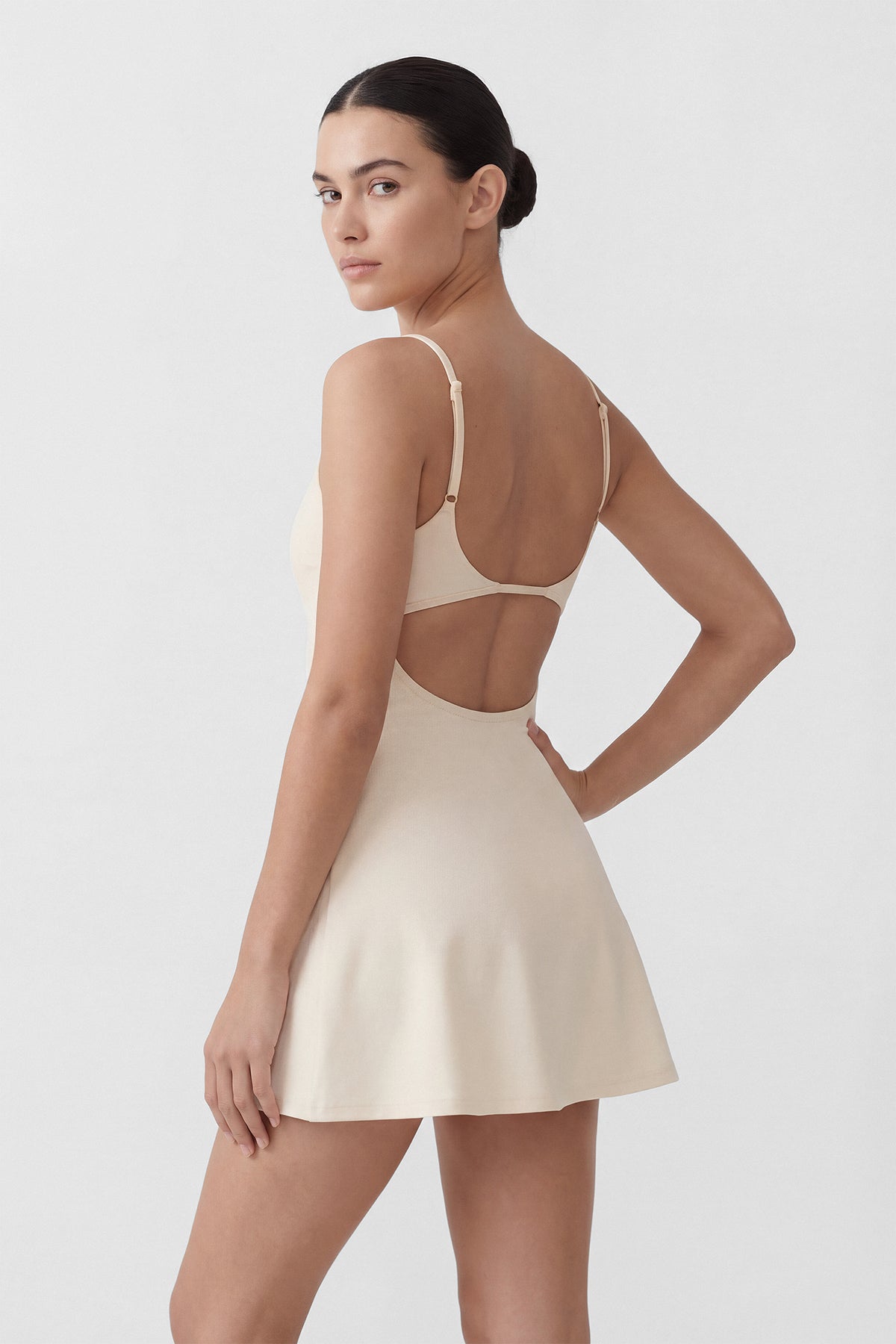
Neckline and back shape deserve the same attention. A high neckline can feel sleek and contained, while a more open back gives the silhouette a lighter, sportier finish. If you regularly serve or play overhead shots, raise your arms when trying it on. The dress should stay settled through the chest and shoulders, not pull you out of position.
Finding proportions that feel right
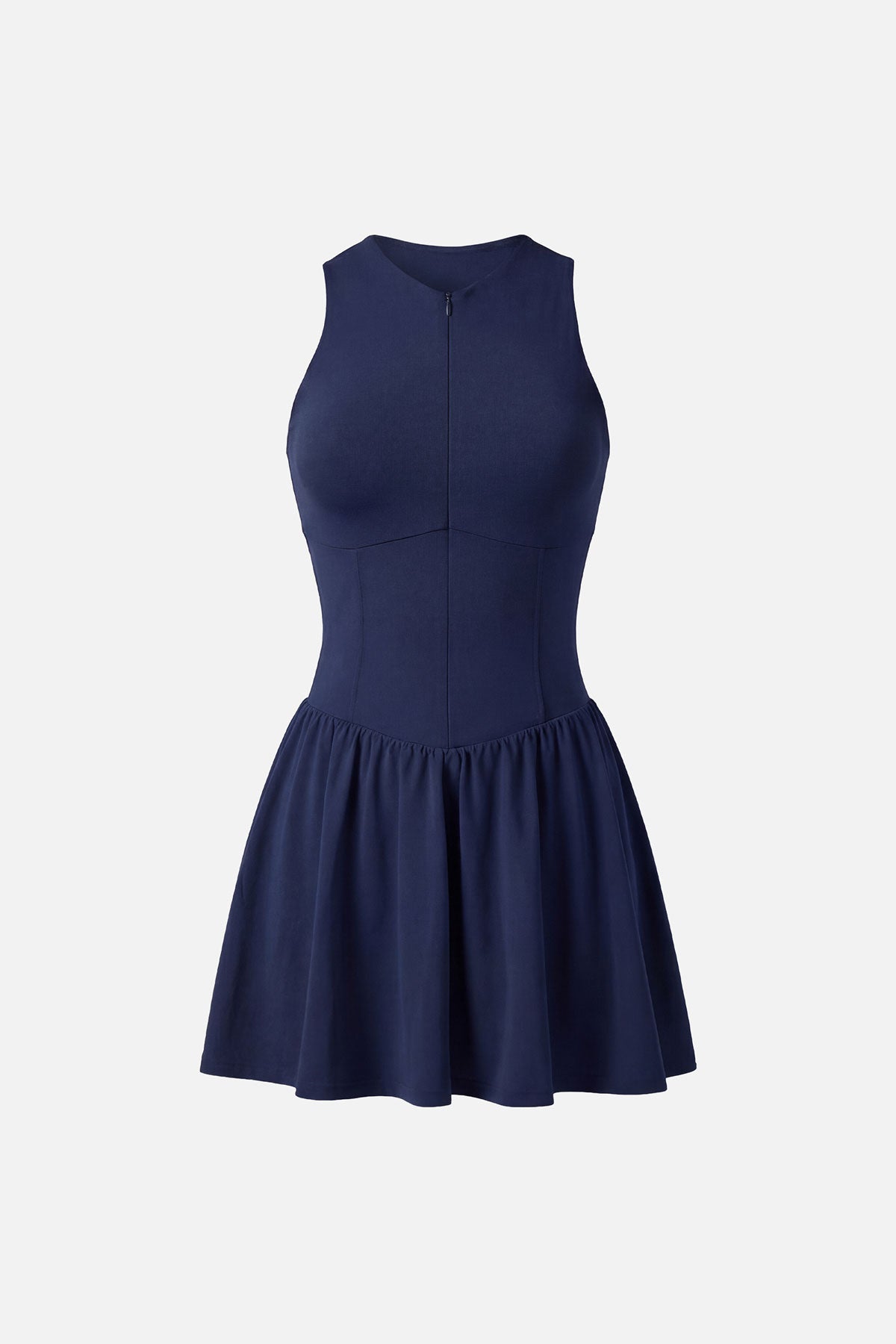
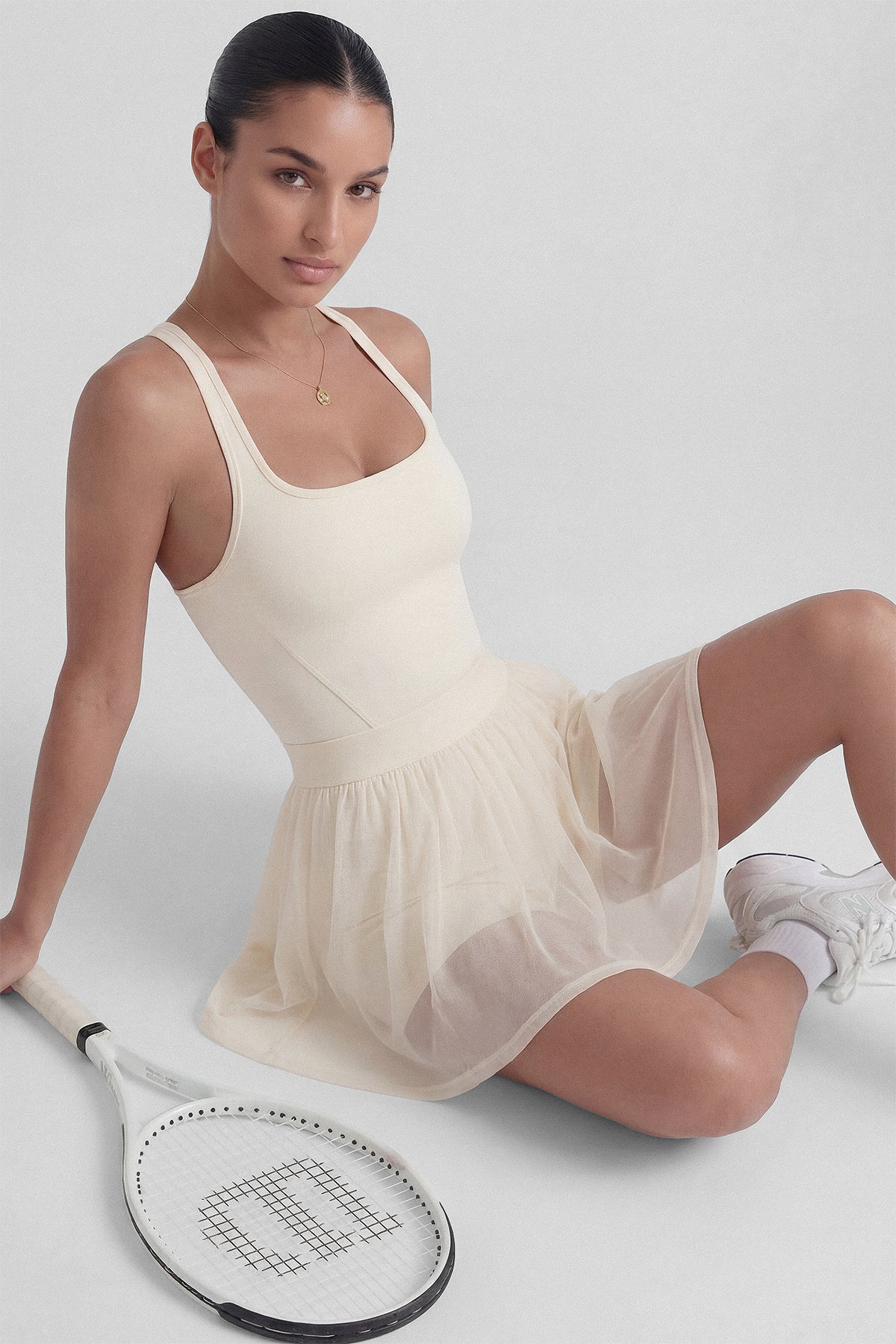
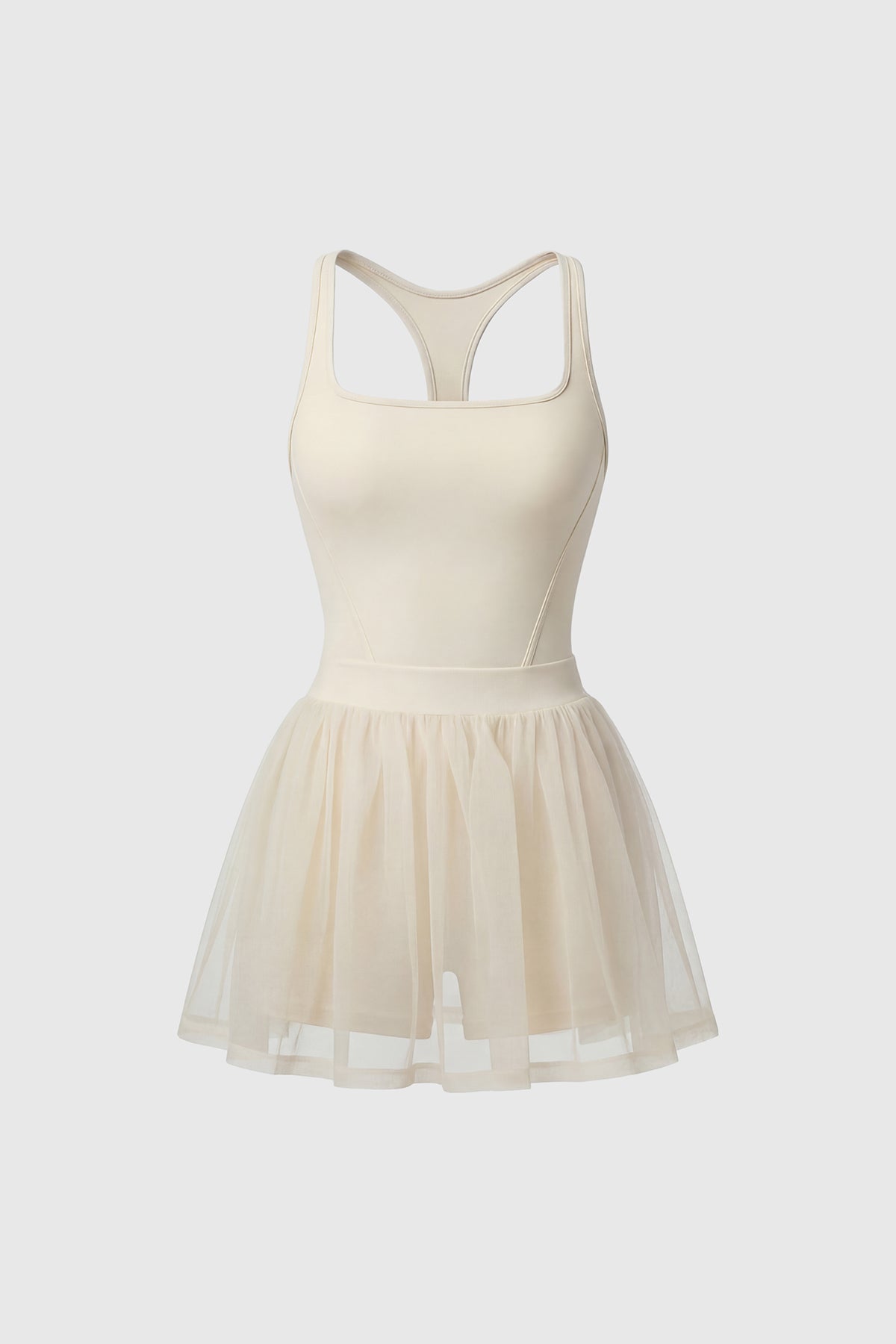
The relationship between the dress skirt and its under-short is where a polished design becomes apparent. Longer shorts do not need to disappear completely, but they should look intentional if they are visible. A clean contrast at the hem can feel modern; an awkward overhang can make the dress appear unfinished.
Skirt length changes the equation. A slightly longer dress may allow the shorts to sit discreetly beneath it, creating a classic court silhouette. A shorter, more athletic skirt can pair well with a visible under-short, especially if the colours and finishes are matched. Think of the two layers as one garment, not a dress with an afterthought underneath.
Your height and preferred fit will influence the result, but so will the occasion. For a regular competition, you may want a more contained shape with a simple neckline and shorts that feel reliably secure. For a casual hit followed by lunch, a softer A-line skirt or finer strap detail can bring a more lifestyle-ready mood without losing the point of the piece.
Style it beyond the baseline
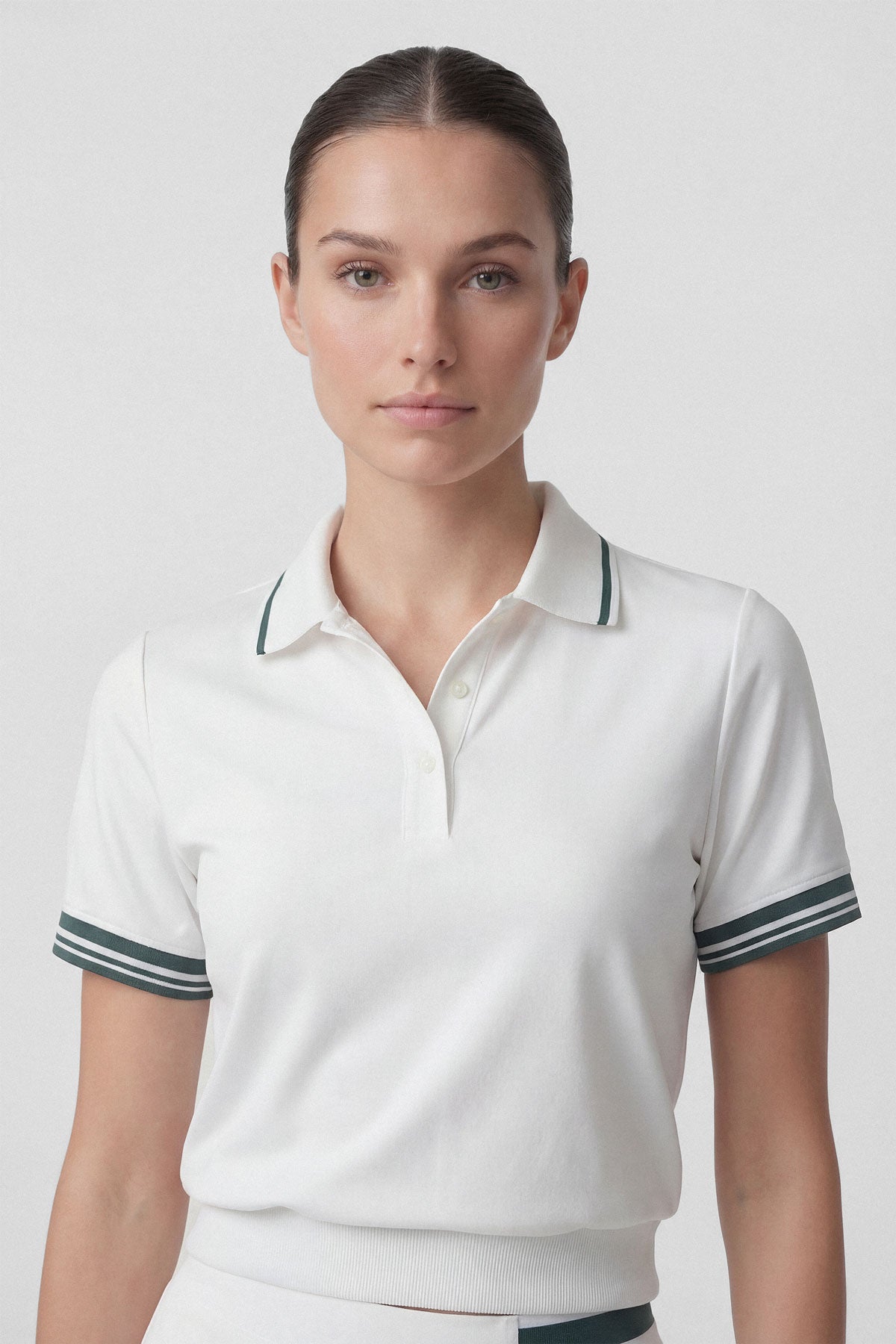
A well-designed tennis dress should not require a complete outfit change the moment you leave the court. That does not mean it needs to behave like everyday clothing at the expense of function. It means the design should feel clean enough to carry into the rest of your day.
Keep the styling simple. A structured cap, low-profile court shoes and a lightweight layer are usually enough. On cooler mornings, a refined zip jacket or knit can sit over the dress without obscuring its line. Let the dress do the work rather than adding too many sporty accessories.
This is the appeal of a new court uniform: pieces with a clear purpose, edited carefully enough to feel like your own style. Common Player approaches that idea with dresses made for modern performance and a polished finish beyond the court.
Care that keeps the fit considered
The features that make a dress feel good in play also deserve sensible care. Turn it inside out before washing, avoid overloading the machine and let it air dry away from harsh sun where possible. High heat can be unkind to stretch fibres and may affect the recovery you rely on in the under-short.
It is worth rinsing or washing the dress after a session rather than leaving it in the bottom of a tennis bag. Fresh fabric feels better next time, but more importantly, it helps preserve the clean finish that makes a dress feel elevated rather than merely functional.
The right tennis dress is not the one with the most details. It is the one that lets you move decisively, look considered and stay present for the point in front of you.
Read more
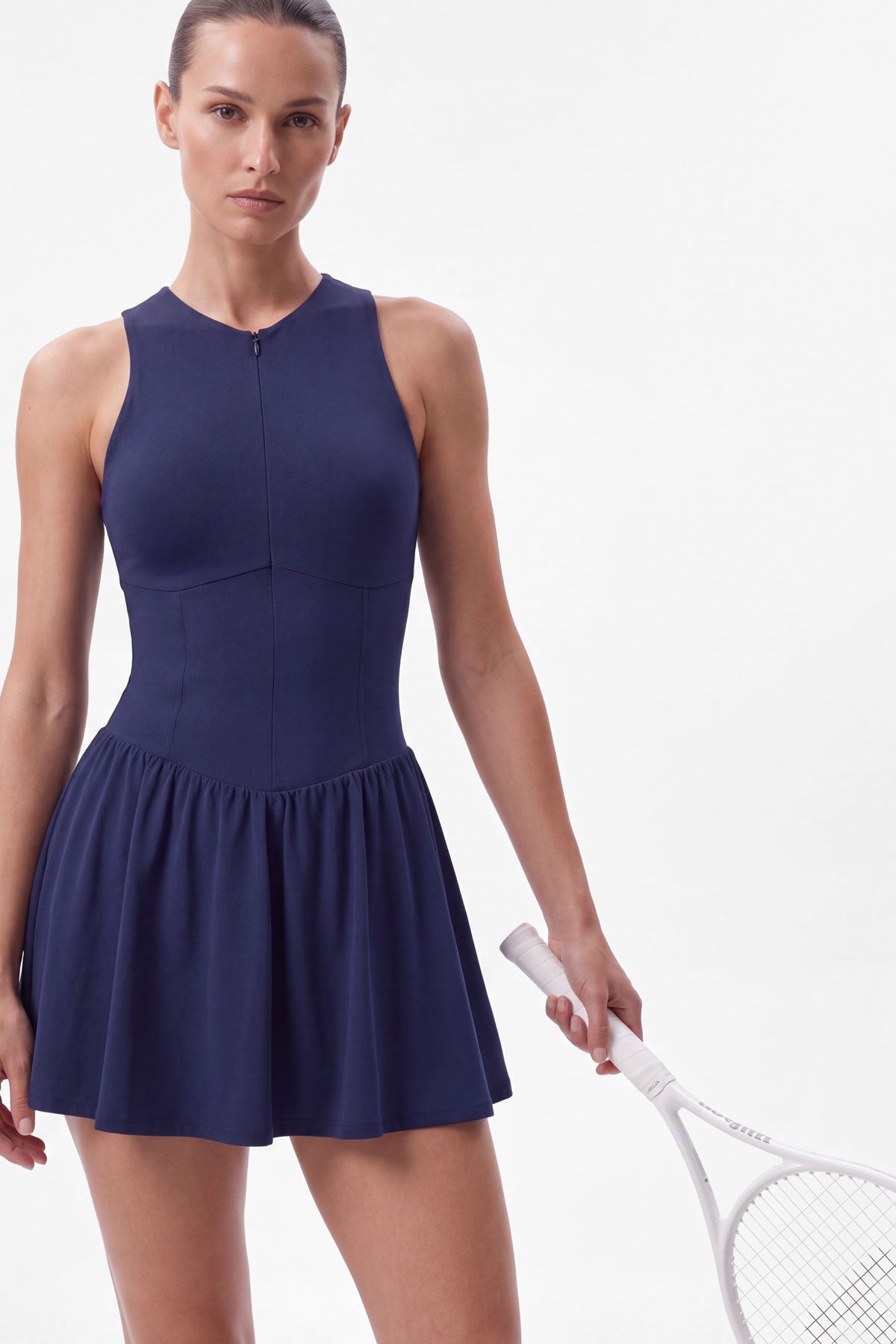
Minimalist women's sportswear brands pair clean design with court-ready details. Learn what to look for in refined pieces made to move with you.
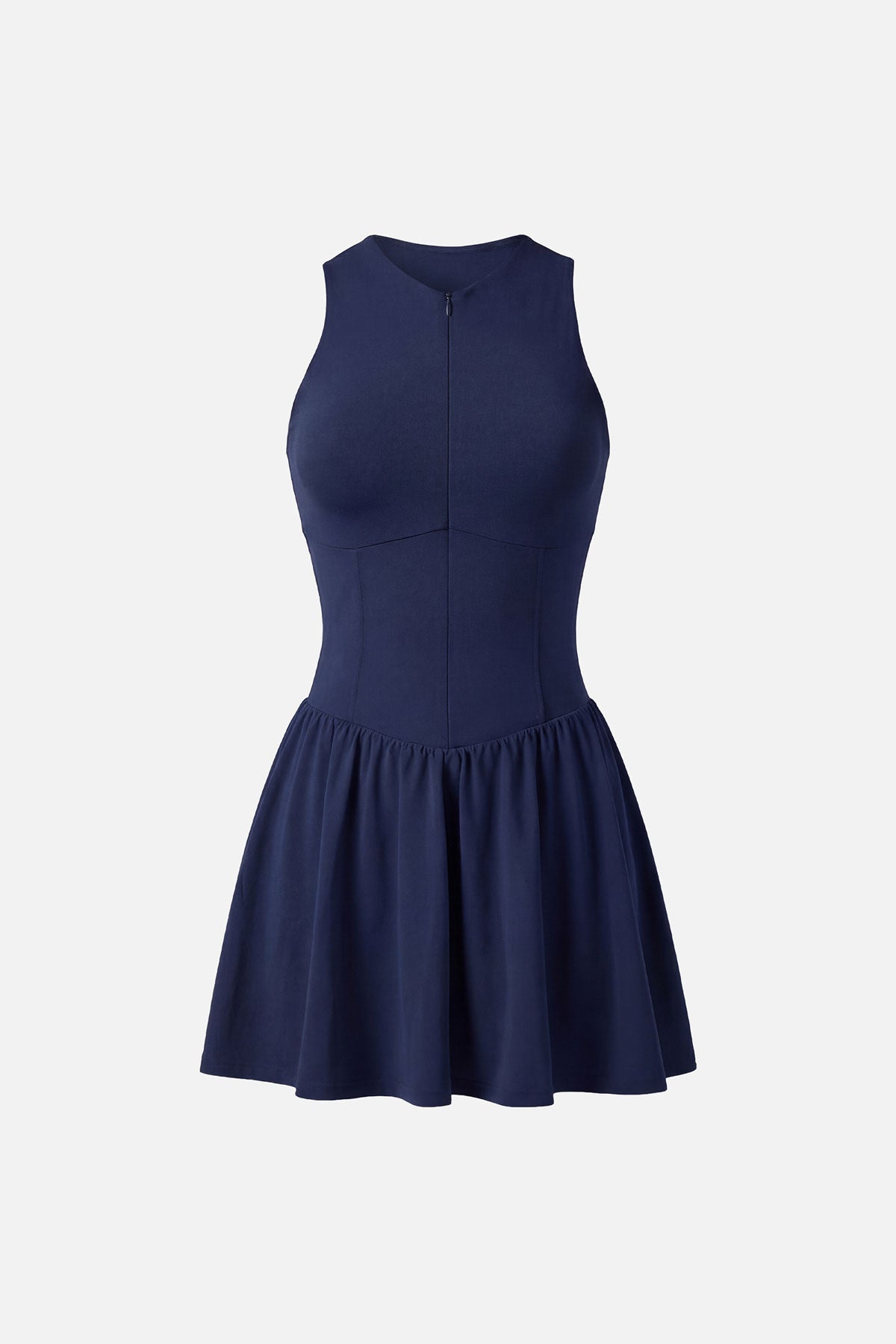
Padel dress vs separates comes down to movement, coverage and your schedule. Find the refined match-day silhouette that works hardest for you on court.