

The Rise of Padel: Why Everyone’s Suddenly Playing
You can feel it before you can quite explain it. A once-niche racquet sport is suddenly turning up in conversations, group chats and club calendars, with courts booking out faster than expected. The rise of padel: why everyone’s suddenly playing is not just about novelty - it reflects a broader shift in how people want to move, compete and spend time together.
Padel has arrived at exactly the right moment. It offers enough skill to keep things interesting, enough pace to feel athletic, and enough ease to welcome people in quickly. For women balancing work, social plans, training and everything in between, that mix matters. It is sport without the usual barriers, but it still feels sharp, stylish and worth committing to.
Why the rise of padel is happening now
Some sports ask for years of repetition before they feel enjoyable. Padel is more generous. You can be relatively new and still have rallies, read points and leave the court feeling like you actually played. That immediate satisfaction is a big part of its appeal.
There is also the social format. Because padel is typically played in doubles, it naturally feels more connected and less isolating than many individual sports. The court is compact, the pace is lively, and there is constant interaction. It creates a kind of energy that sits somewhere between competition and catch-up, which suits the way many people want to exercise now.
Then there is the visual culture around it. Padel has grown with a modern identity - clean courts, considered club spaces, and a look that feels contemporary rather than overly traditional. That matters more than some people admit. Sport is never only about performance. It is also about how it fits into your life, your schedule and your sense of self.
It is easier to start than tennis, but not simpler
One reason padel is spreading so quickly is that it solves a common frustration: the steep entry point of some racquet sports. The racquet is solid rather than strung, the court is smaller, and the underarm serve makes the first phase of the point more accessible. For beginners, that means less time struggling to get the ball in play and more time actually building rhythm.
But easy to start does not mean shallow. Once players settle in, padel becomes highly tactical. Angles matter. Positioning matters. Patience matters. The use of the glass walls adds a layer of timing and anticipation that can be surprisingly addictive.
That balance is rare. Tennis can feel technically demanding from the outset, while some fitness trends lose their appeal once the initial excitement passes. Padel lands in a more durable space. It gives you enough early reward to keep showing up, then enough complexity to make improvement satisfying.
The social factor is not a side benefit
Much of padel’s growth comes back to one simple truth: people are looking for sport that feels good to join. Not everyone wants solo training, intense club politics or a full weekend consumed by competition. Padel is structured in a way that feels open.
Doubles changes the mood immediately. There is less pressure on any one player, more room for conversation, and a stronger sense of shared momentum. You can play hard without the atmosphere becoming too serious. For many women, especially those returning to sport or trying something new, that tone makes a real difference.
It also fits neatly into modern schedules. A match can feel like a genuine workout without demanding half a day. You can play before work, after work or between other commitments and still feel like you have done something energising and social. That practicality should not be underestimated. Often, the sports that last are the ones people can realistically keep in their week.
Why it appeals to women in particular
Padel is not only growing among women because it is accessible. It is growing because it offers a version of sport that feels both competitive and inviting. The learning curve is manageable, the social setting is strong, and the game itself rewards intelligence as much as power.
That creates space for a wider range of players to enjoy it. You do not need an elite sporting background to feel capable, but if you are competitive, there is plenty to work on. The best points in padel often come from control, movement and smart decision-making rather than brute force.
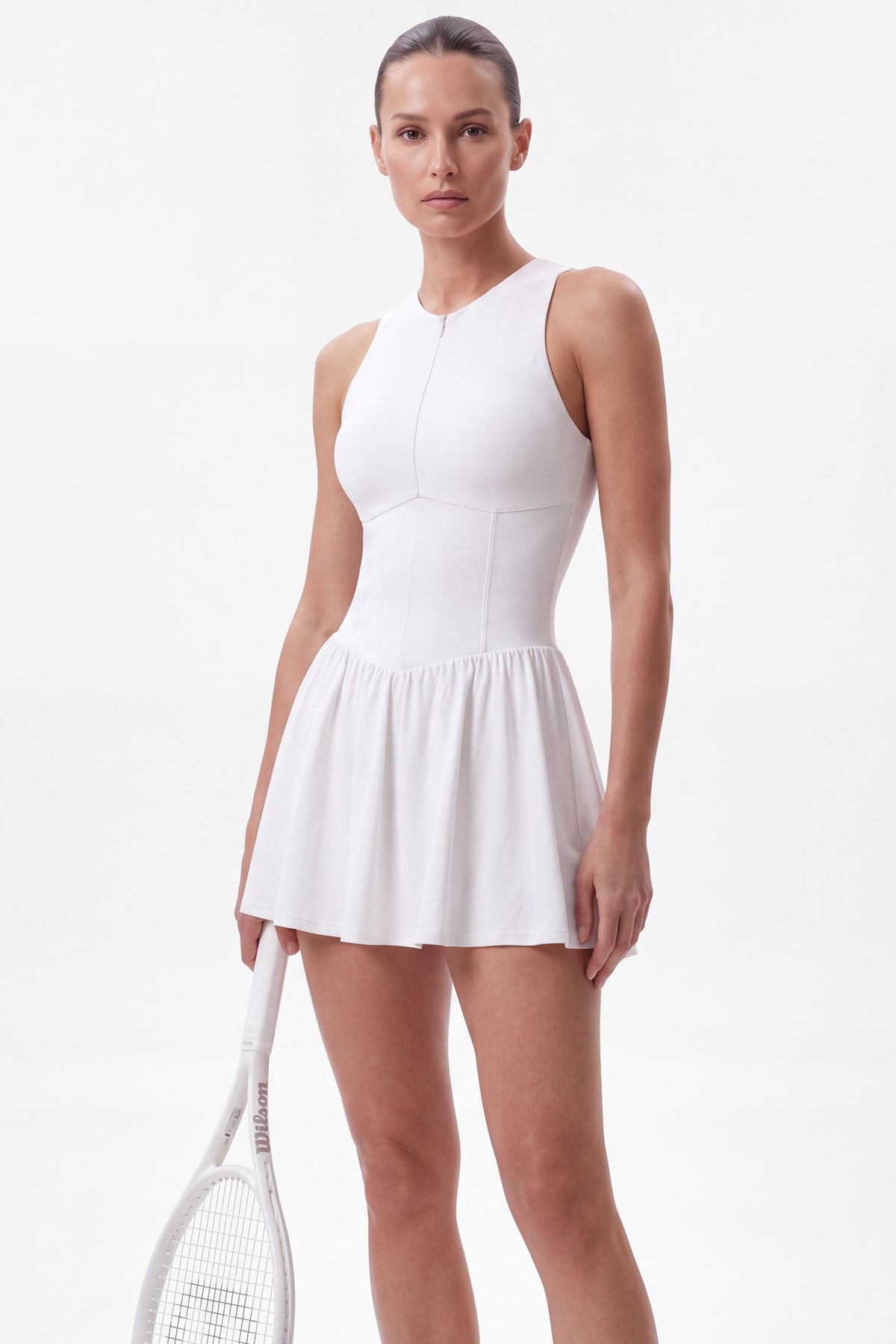
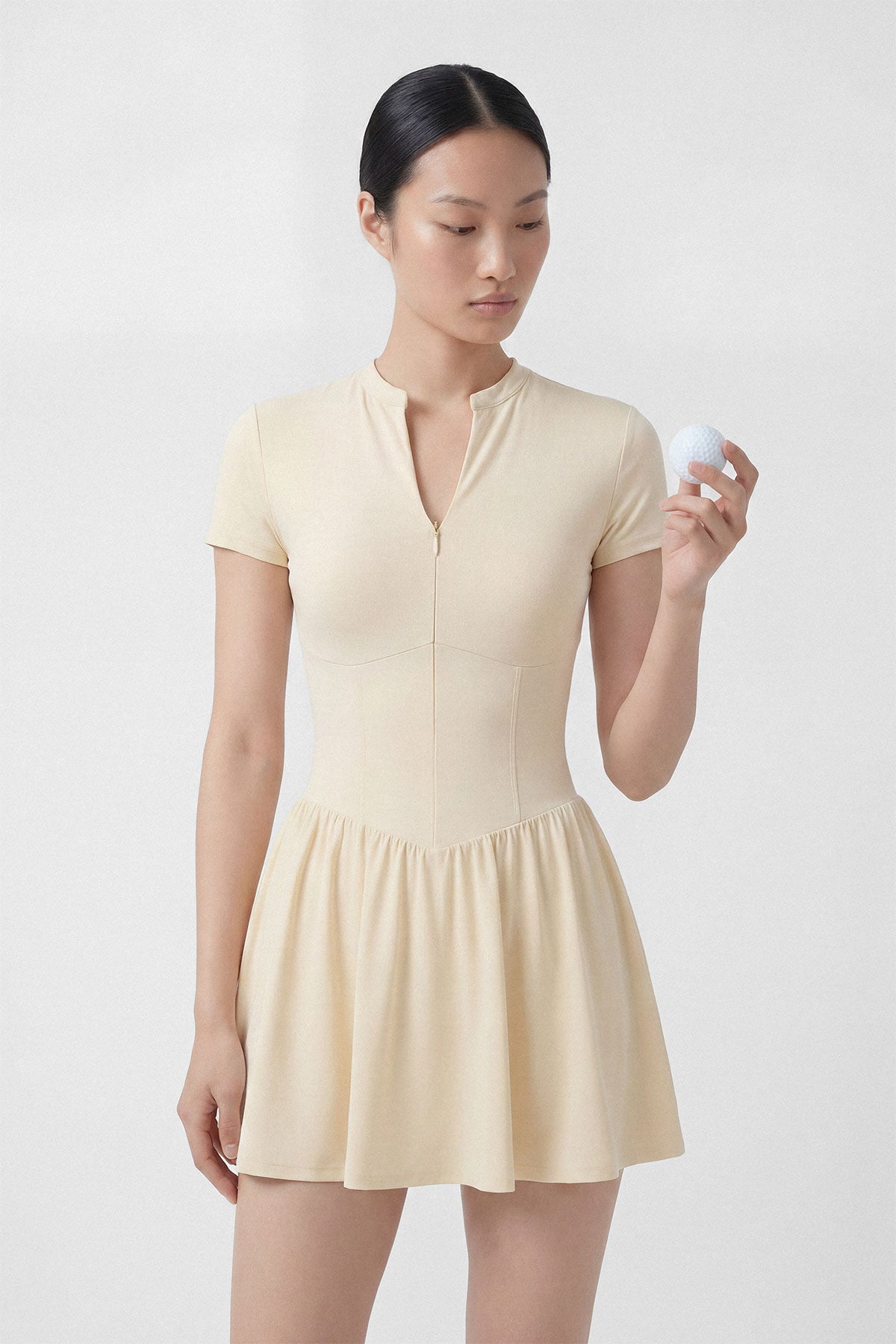
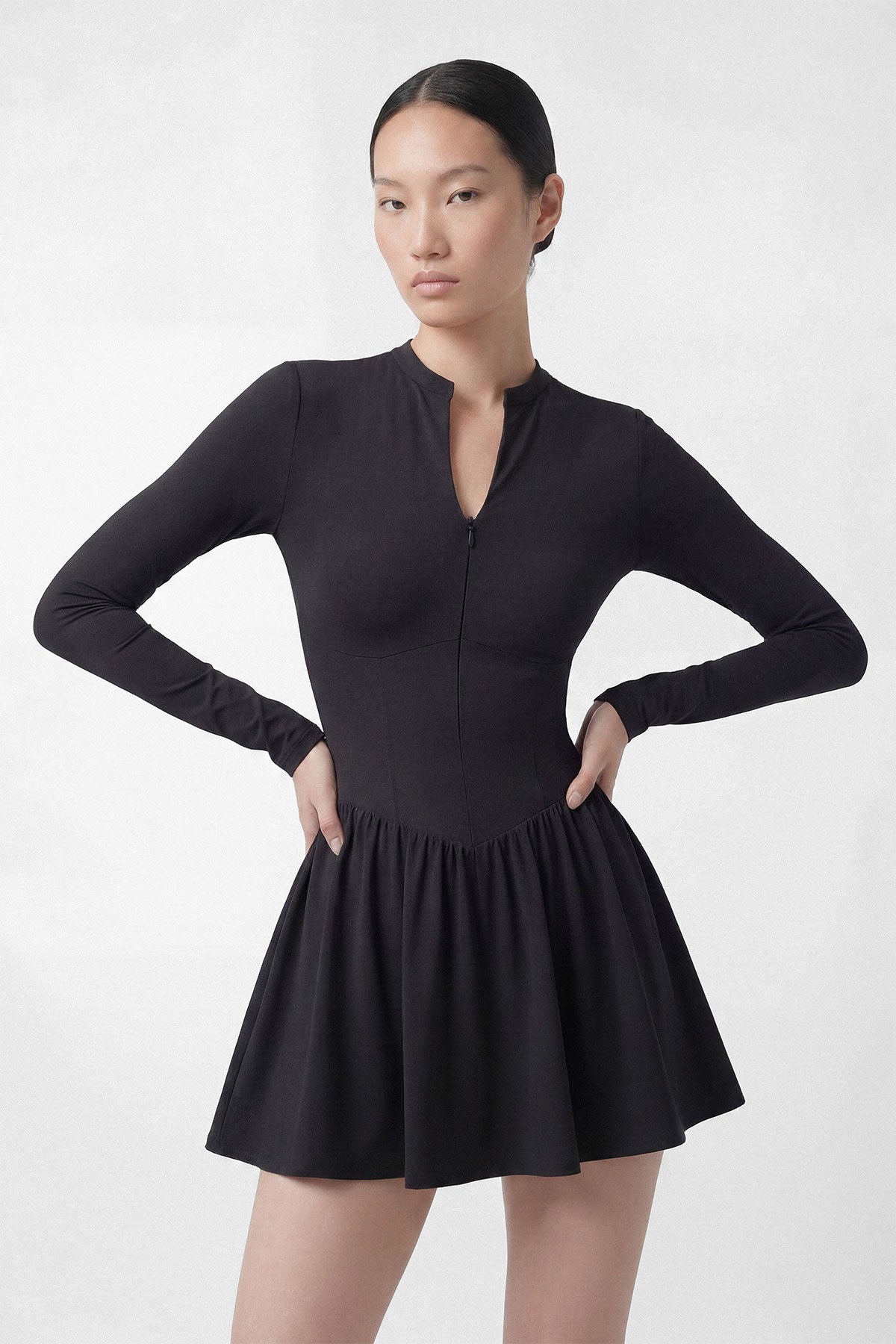
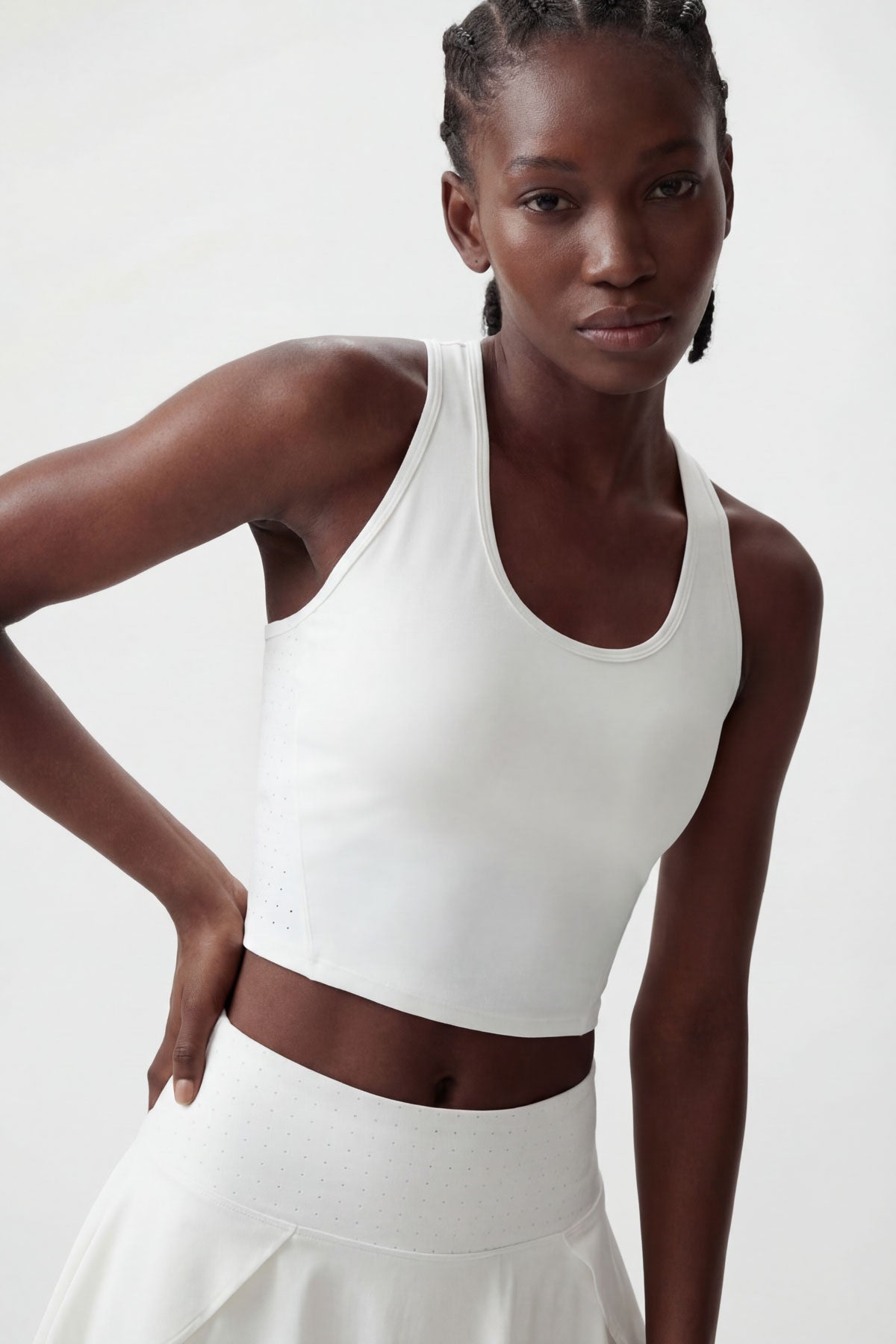
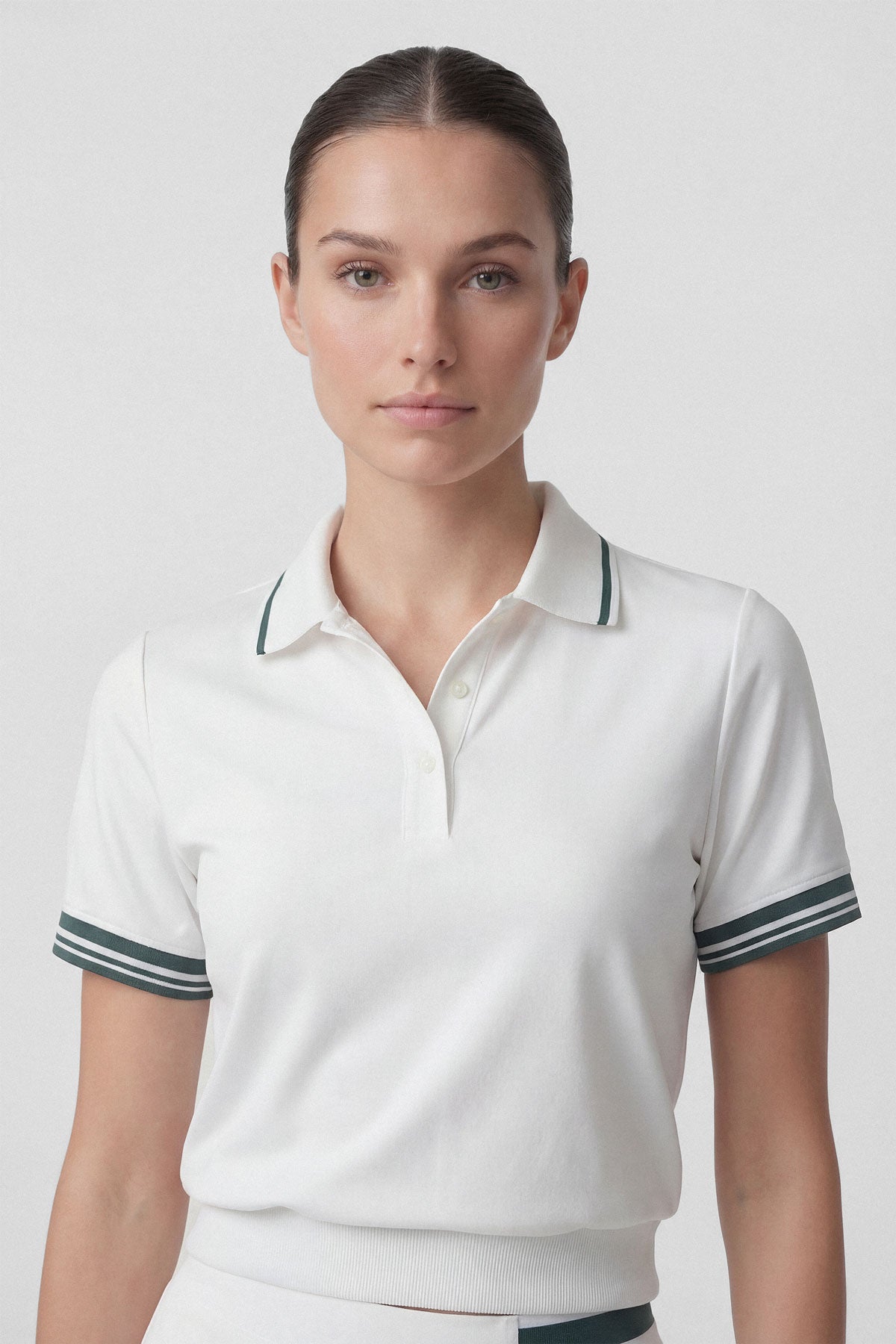
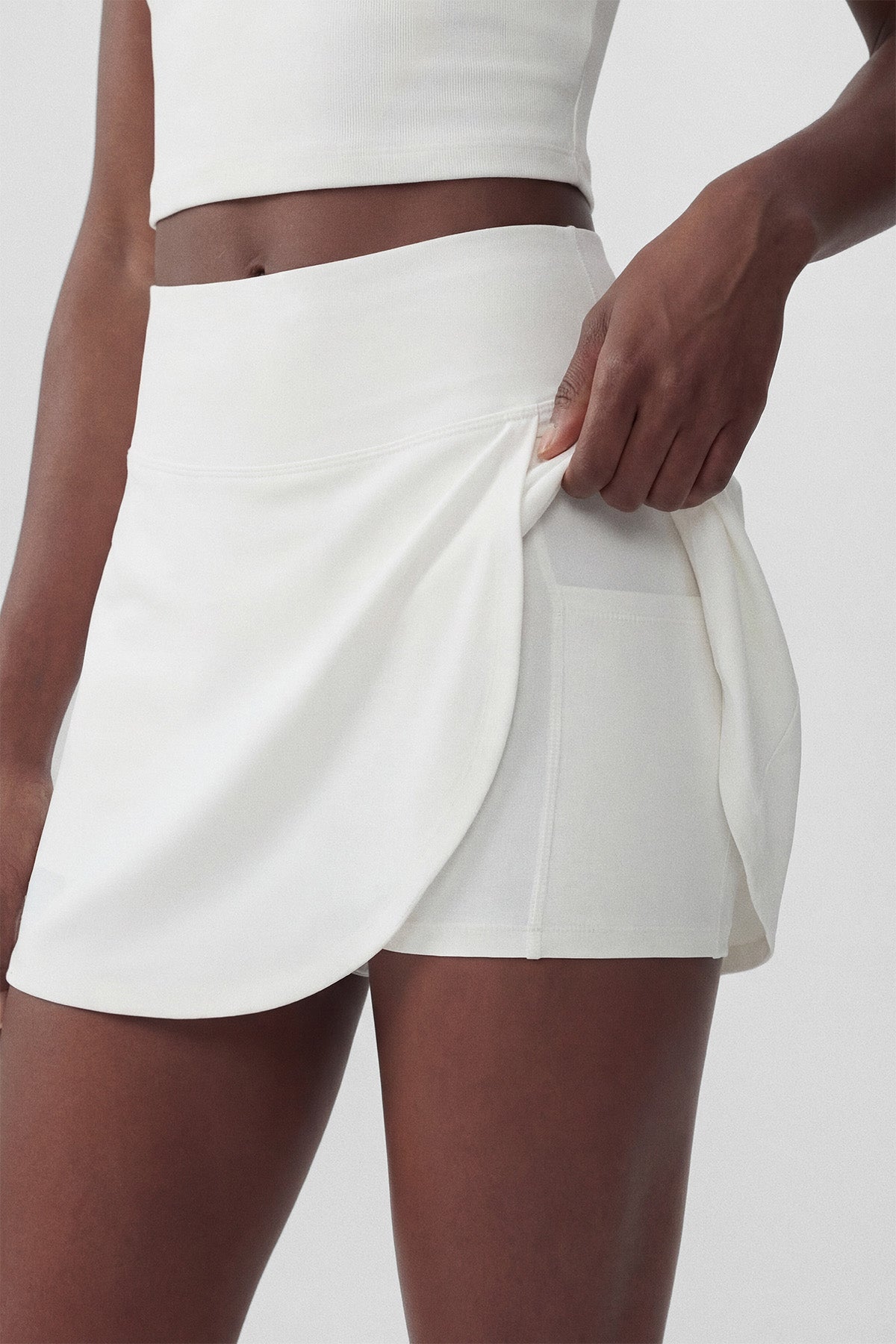
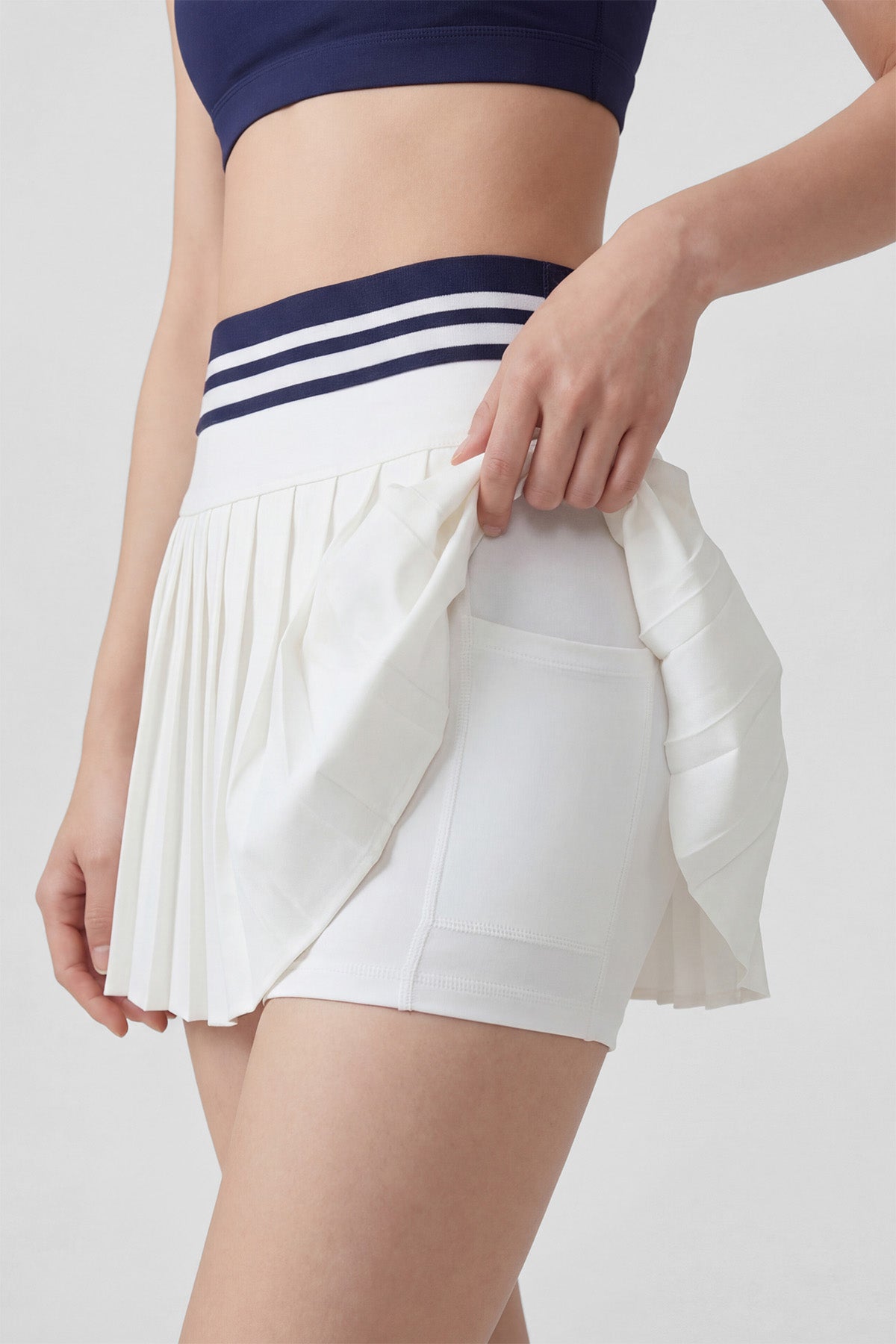
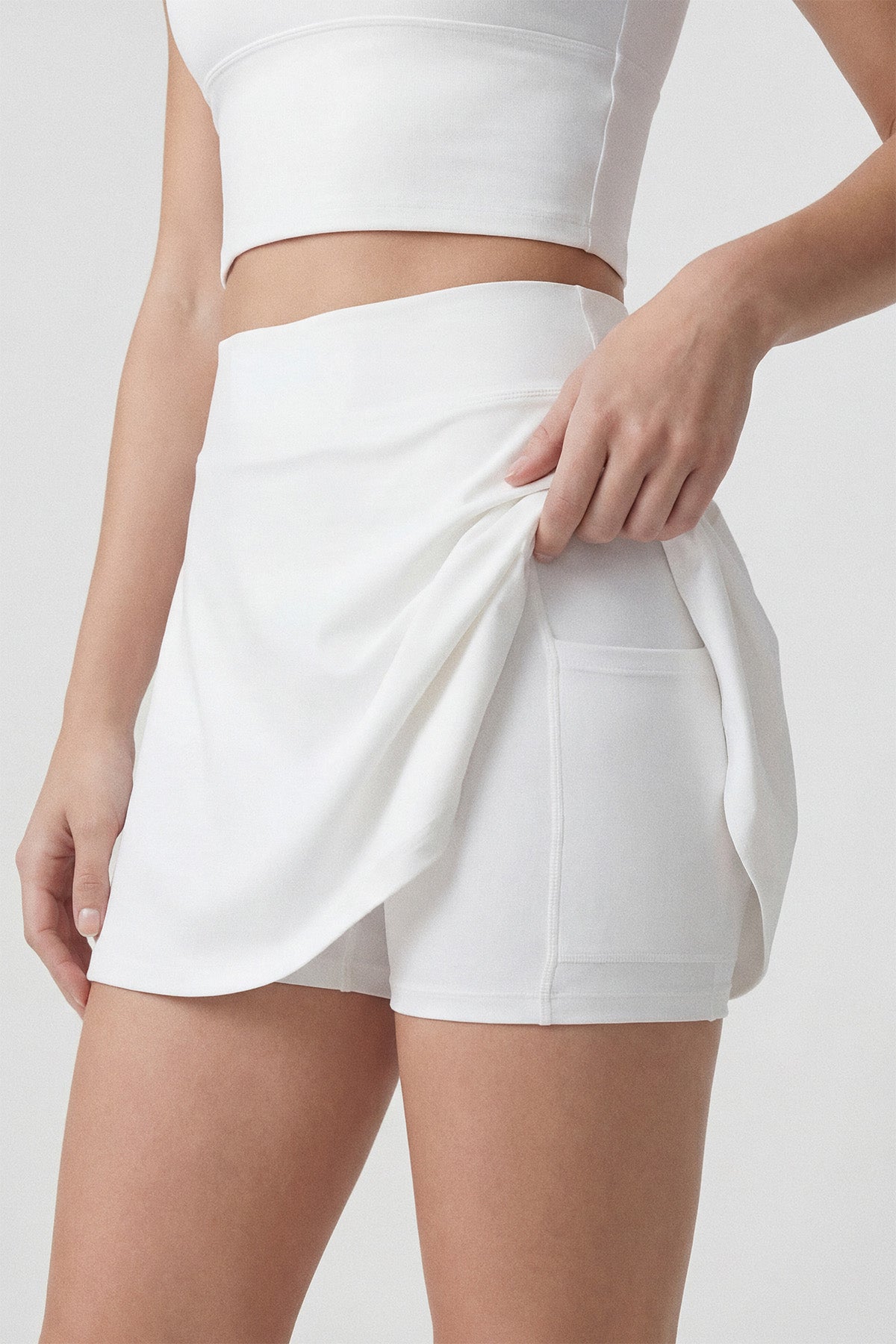
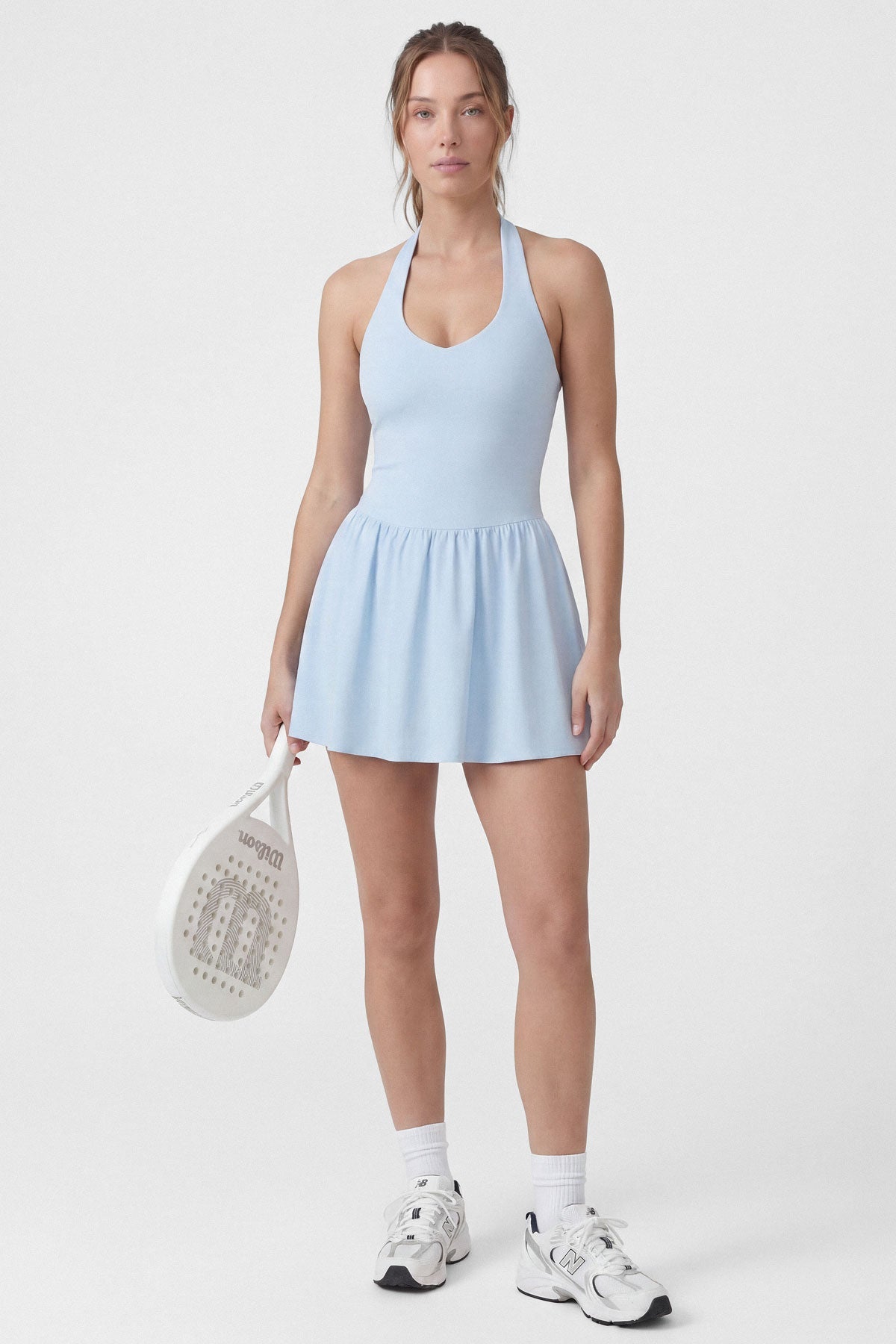
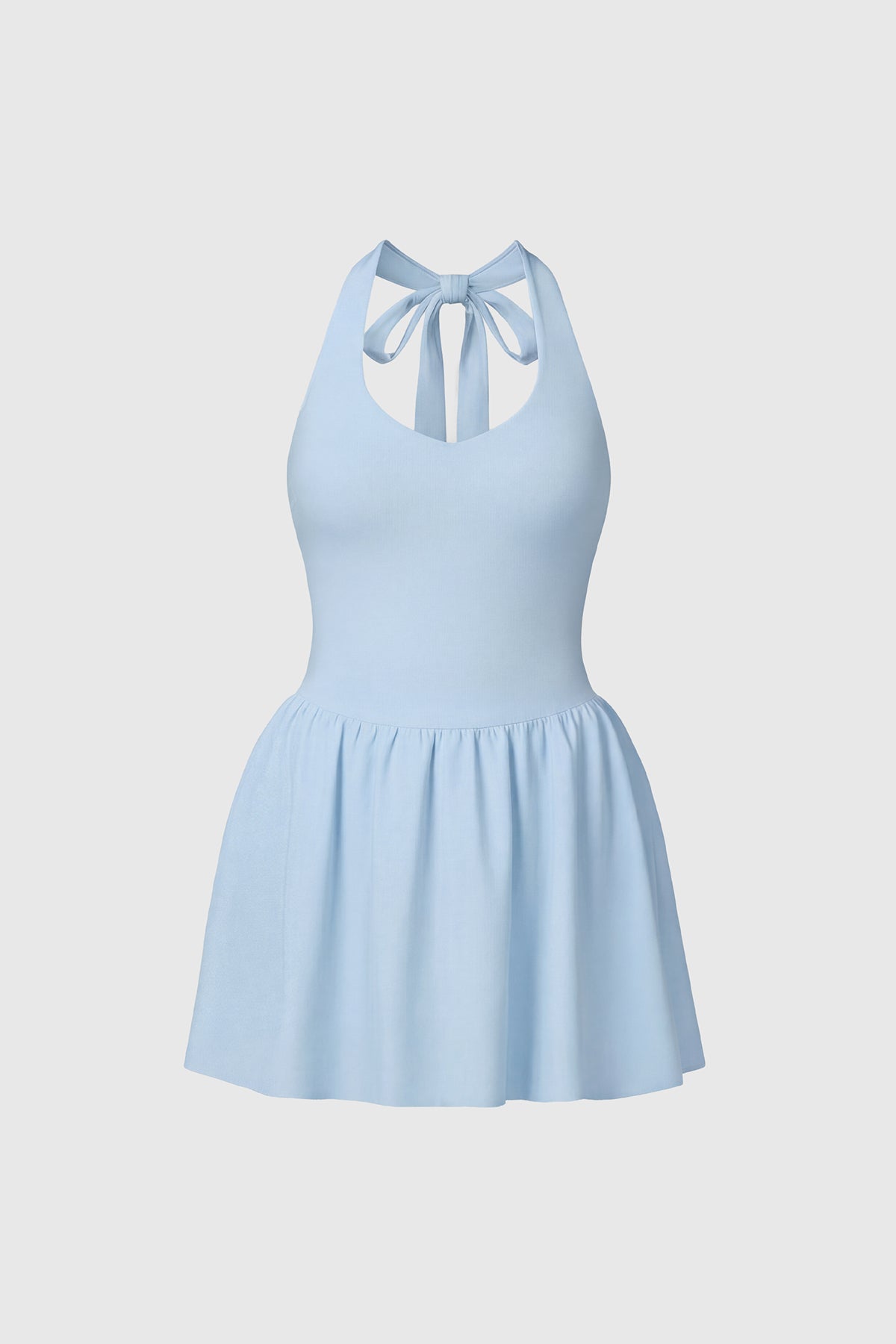
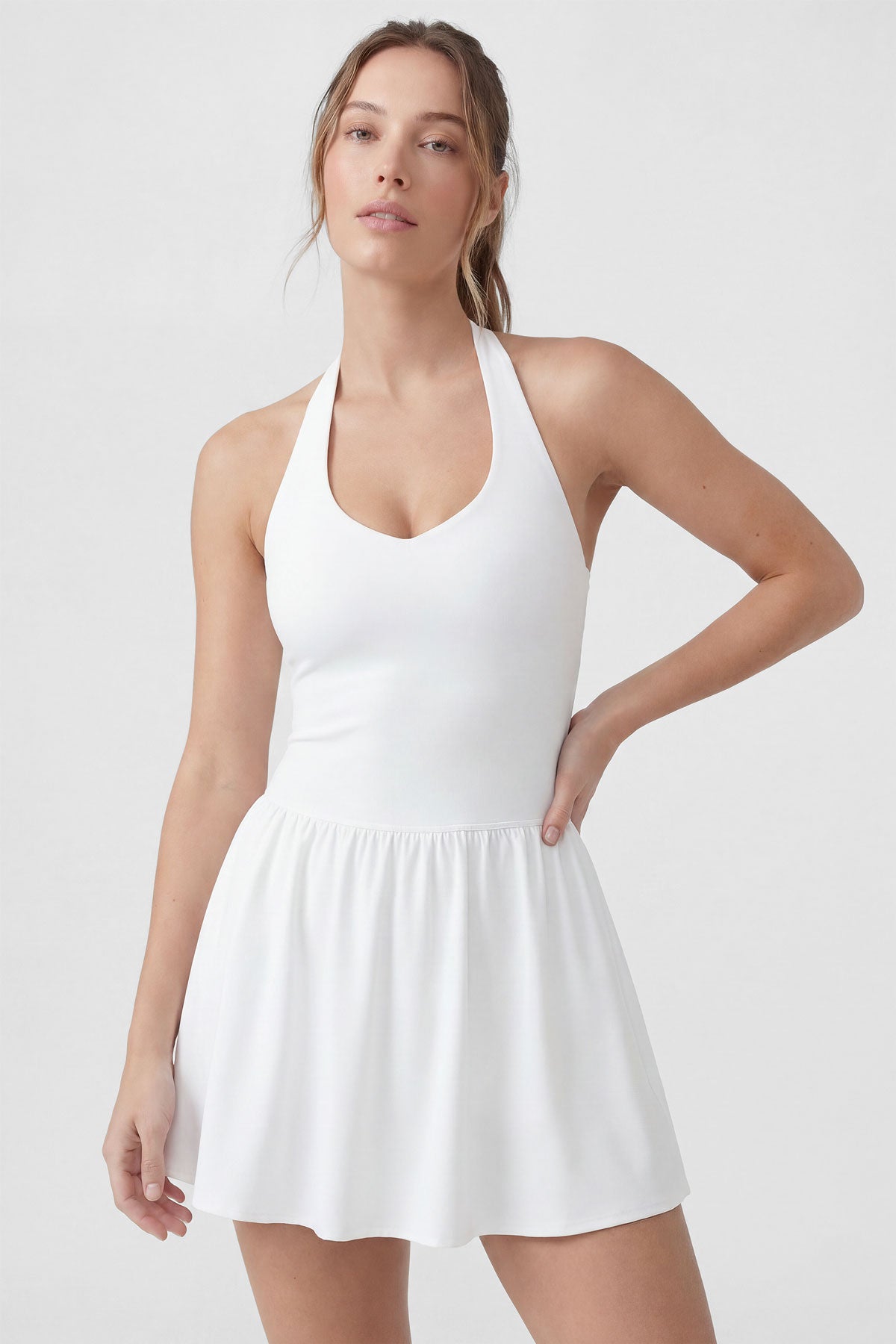
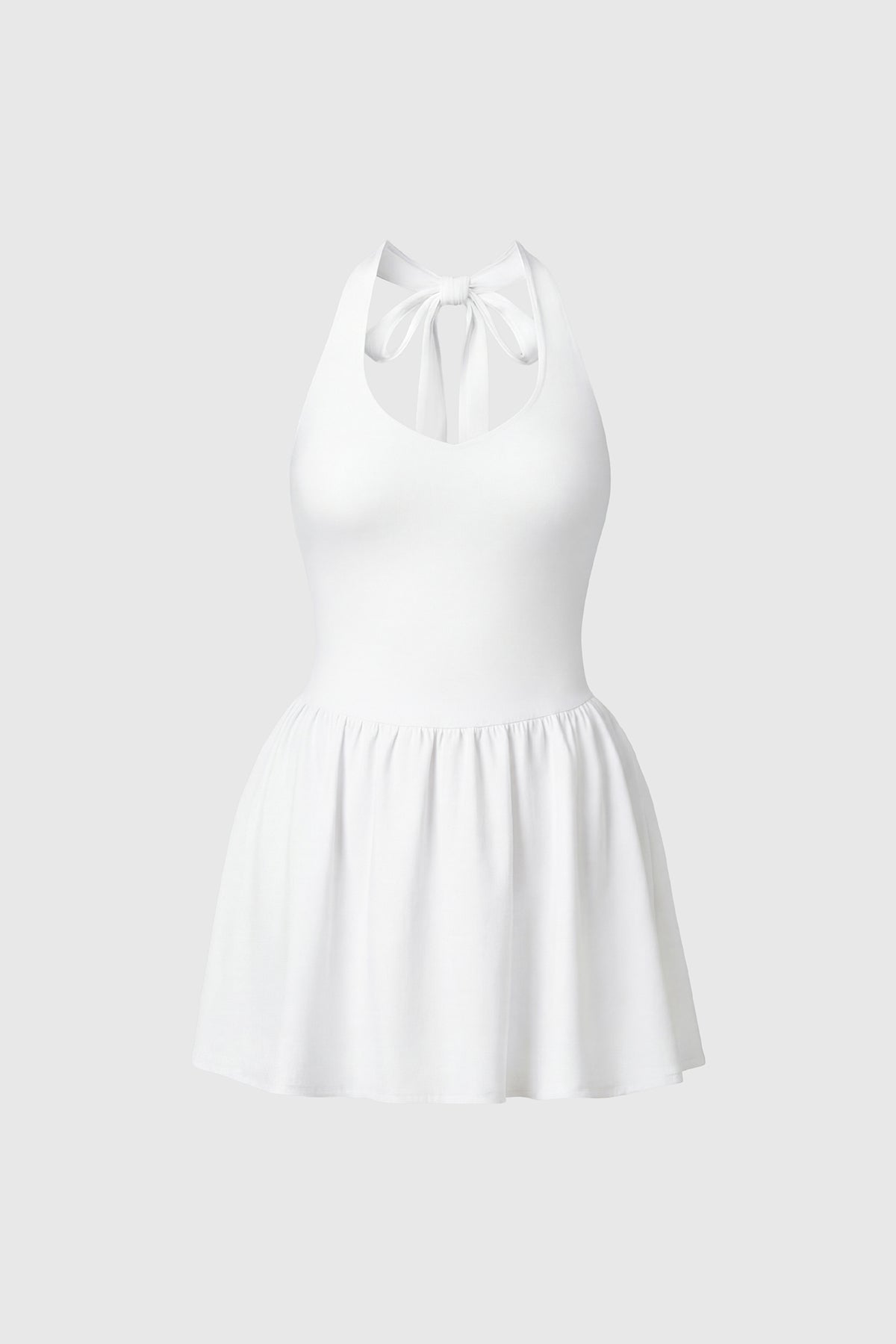
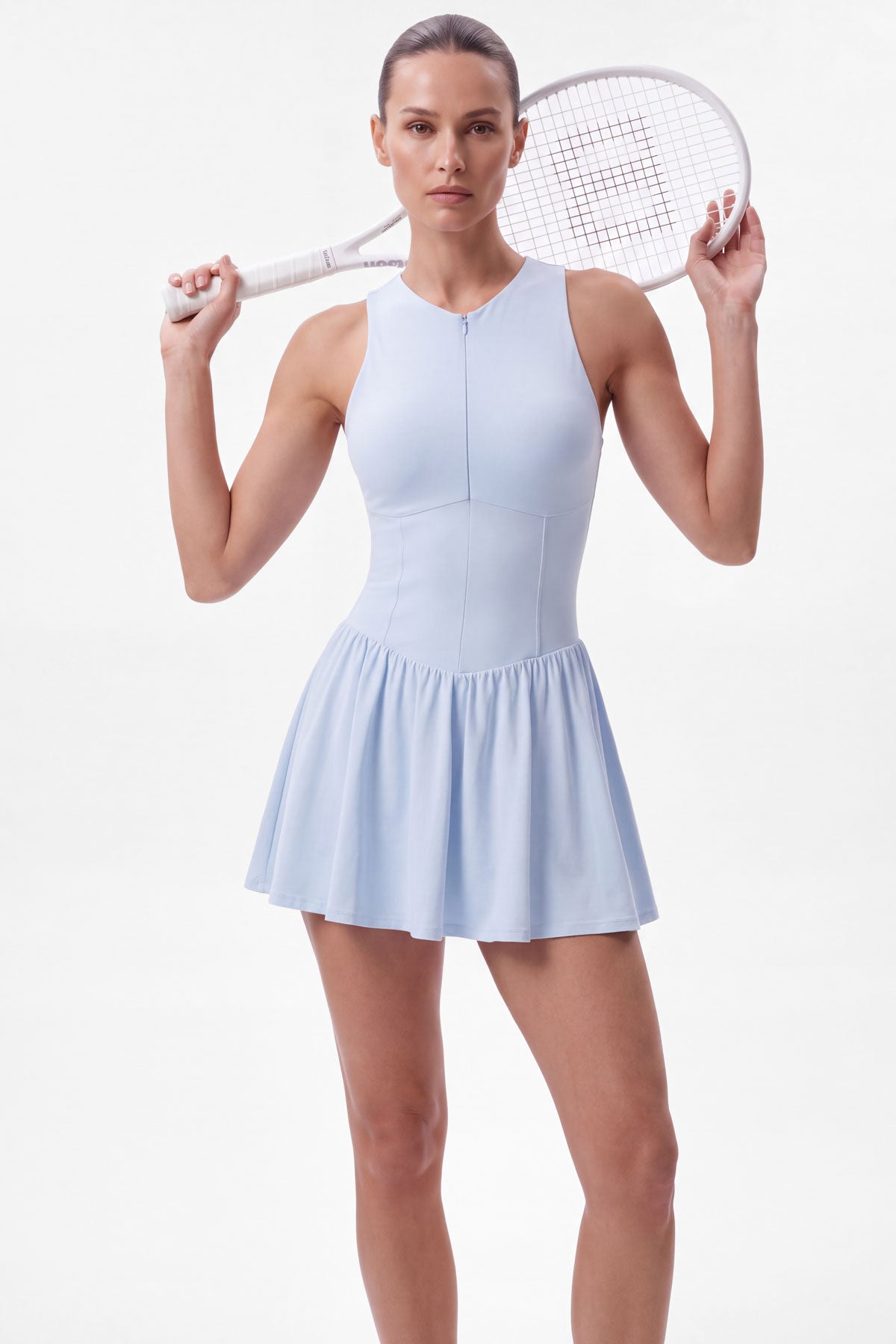
There is also a lifestyle element that makes sense. Many women want sport to fit into the rest of the day without needing a complete wardrobe change in mindset. Padel sits comfortably in that in-between space - active, polished, social, and increasingly part of a broader club culture. It makes sense that apparel is evolving alongside it, with more interest in pieces that are performance-ready but still refined enough to wear beyond the court.
The rise of padel and the shift in sports culture
The popularity of padel says something bigger about where sport is heading. For a long time, performance was framed in fairly narrow terms - harder, faster, more technical, more extreme. That model still has its place, but it is not the only one people want.
There is growing value in sports that offer rhythm rather than grind. Sports that are challenging but not punishing. Sports that build community instead of gatekeeping it. Padel fits that shift beautifully.
It also reflects a more modern understanding of athletic identity. Being serious about sport does not have to mean dressing in purely utilitarian pieces or separating performance from personal style. More women are expecting both. They want clothing that supports movement, coverage and comfort, but also feels considered. That is part of the broader appeal around racquet and club sports right now - the experience extends beyond the scoreboard.
What keeps players coming back
Plenty of activities have a good first impression. Fewer build real loyalty. Padel tends to do both.
Part of that is the game itself. Rallies are dynamic, progress is visible, and there is always another detail to refine. You can feel improvement in small but motivating ways - better positioning at the net, cleaner contact off the wall, sharper communication with your partner.
Part of it is the setting. Padel clubs often feel newer, lighter and more curated than older sporting environments. That does not make them better by default, but it does make them more appealing to people who want exercise to feel integrated into a modern lifestyle.
And part of it is simply that padel is fun. Not performatively fun, not marketed fun - actually fun. The kind that leaves you flushed, competitive and already planning the next match.
There are trade-offs, of course
For all its appeal, padel is not universally perfect. If you love the tradition and technical range of tennis, padel may feel more contained. If you prefer solo competition, doubles may not always suit you. And in some areas, court access is still limited, which can make regular play harder than the hype suggests.
There is also the question of overexposure. Fast-growing sports often go through a phase where demand outruns infrastructure, and where the image can become slightly louder than the substance. The strongest clubs and communities will be the ones that build something lasting around the sport, not just around the trend.
Still, those are signs of growth rather than weakness. Most of the trade-offs around padel are manageable, especially when the core experience is so compelling.
What padel gets right
At its best, padel feels current without trying too hard. It offers competition without coldness, movement without intimidation, and style without sacrificing function. That combination is difficult to manufacture, which is why so many people are responding to it so quickly.
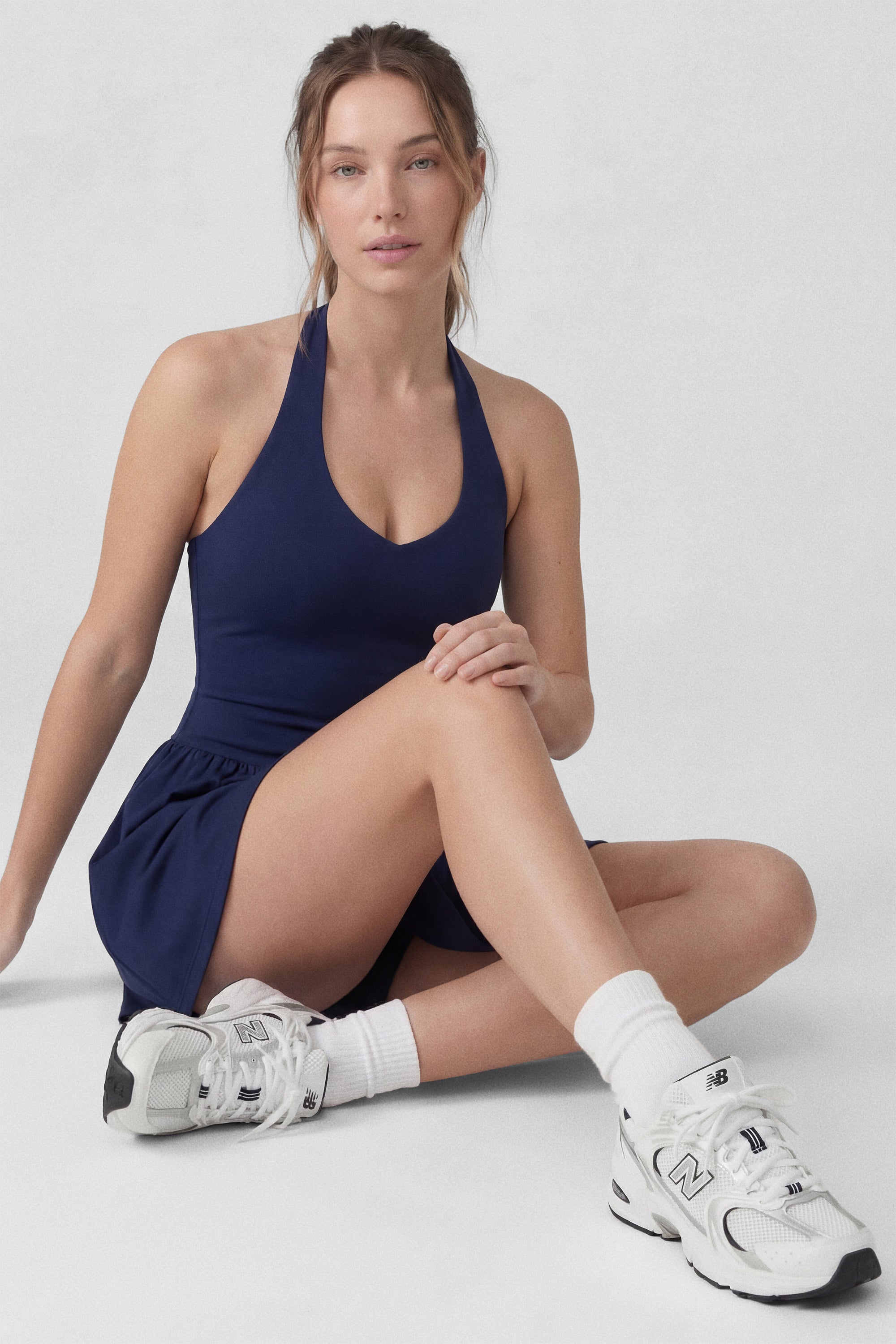
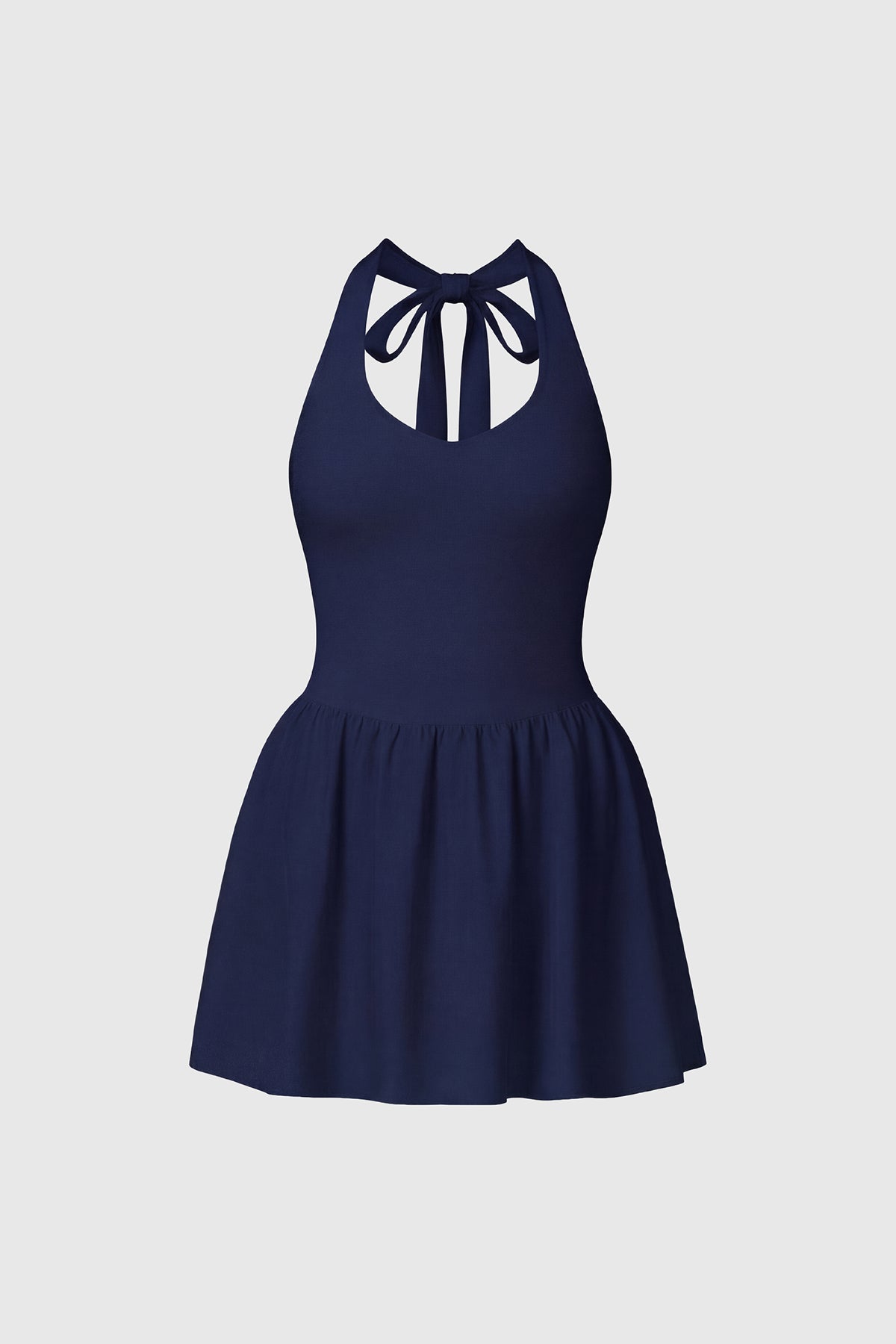
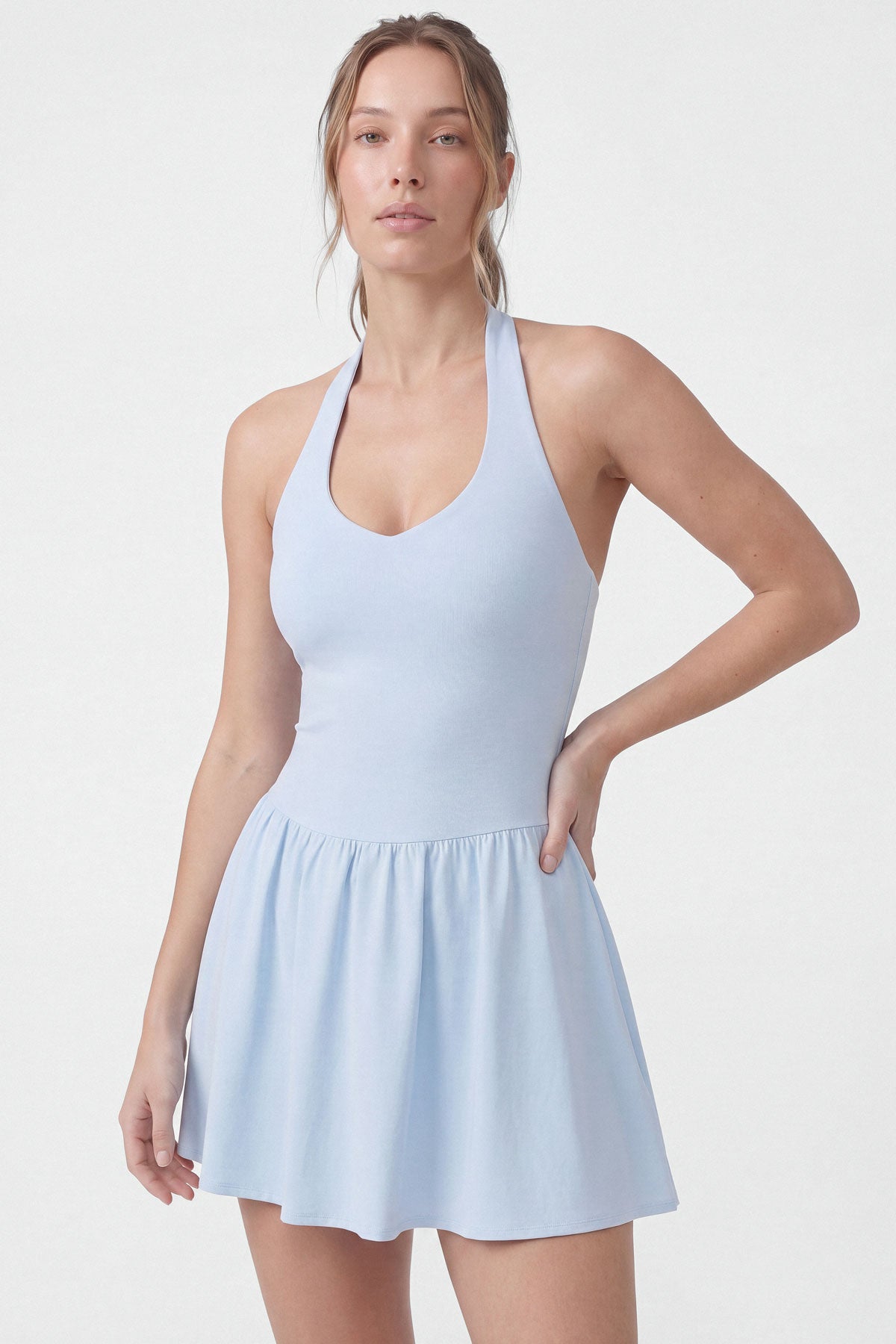
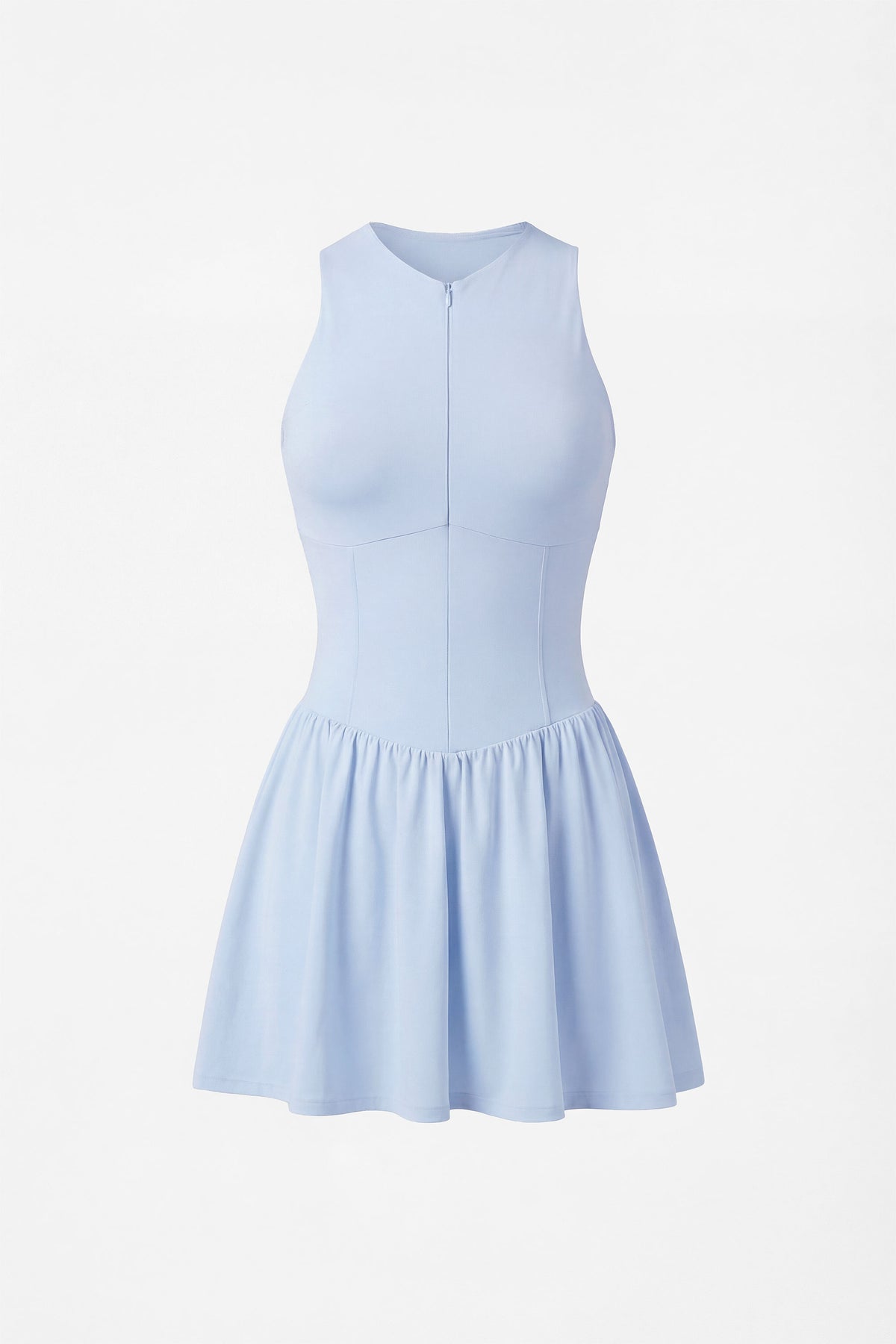
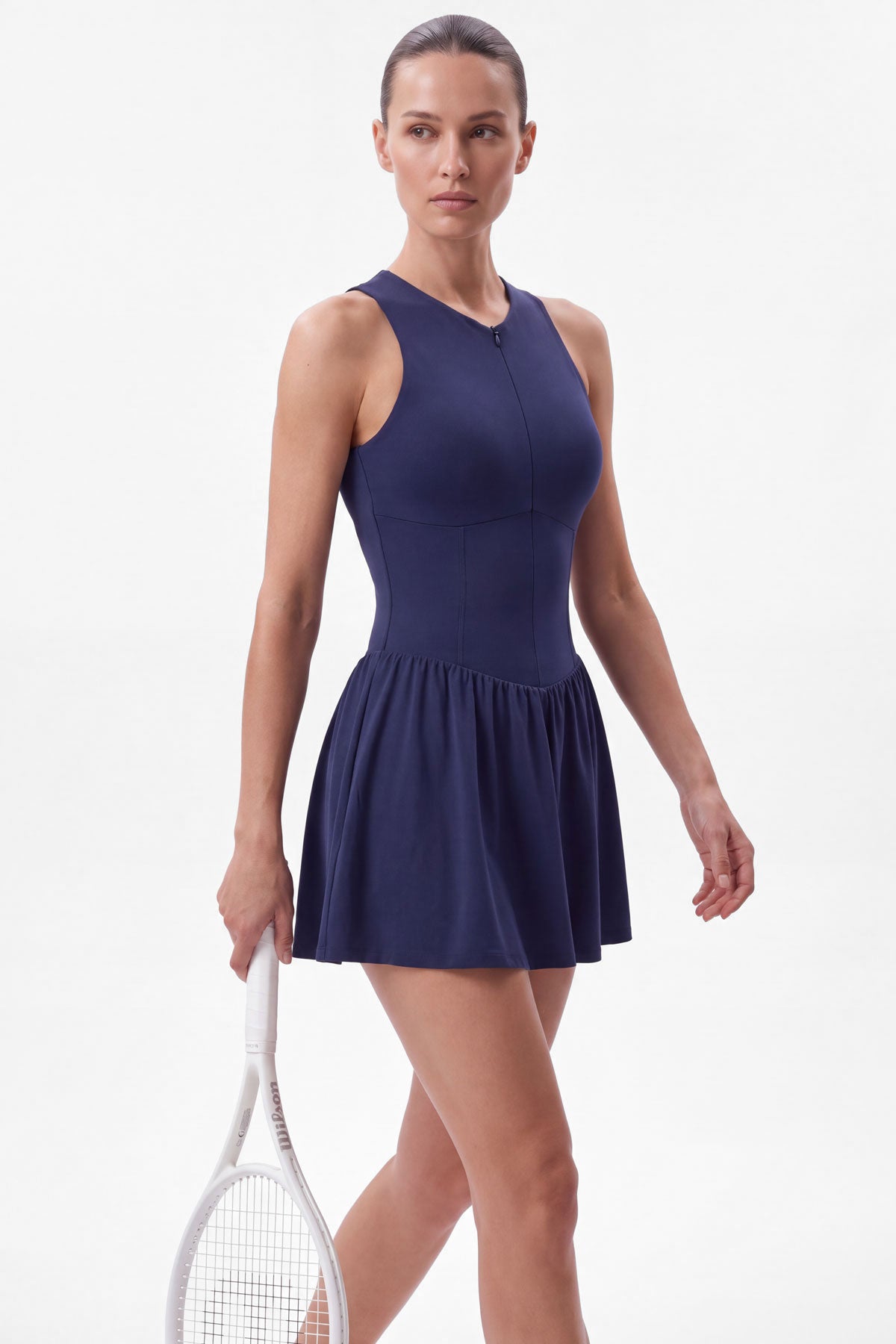
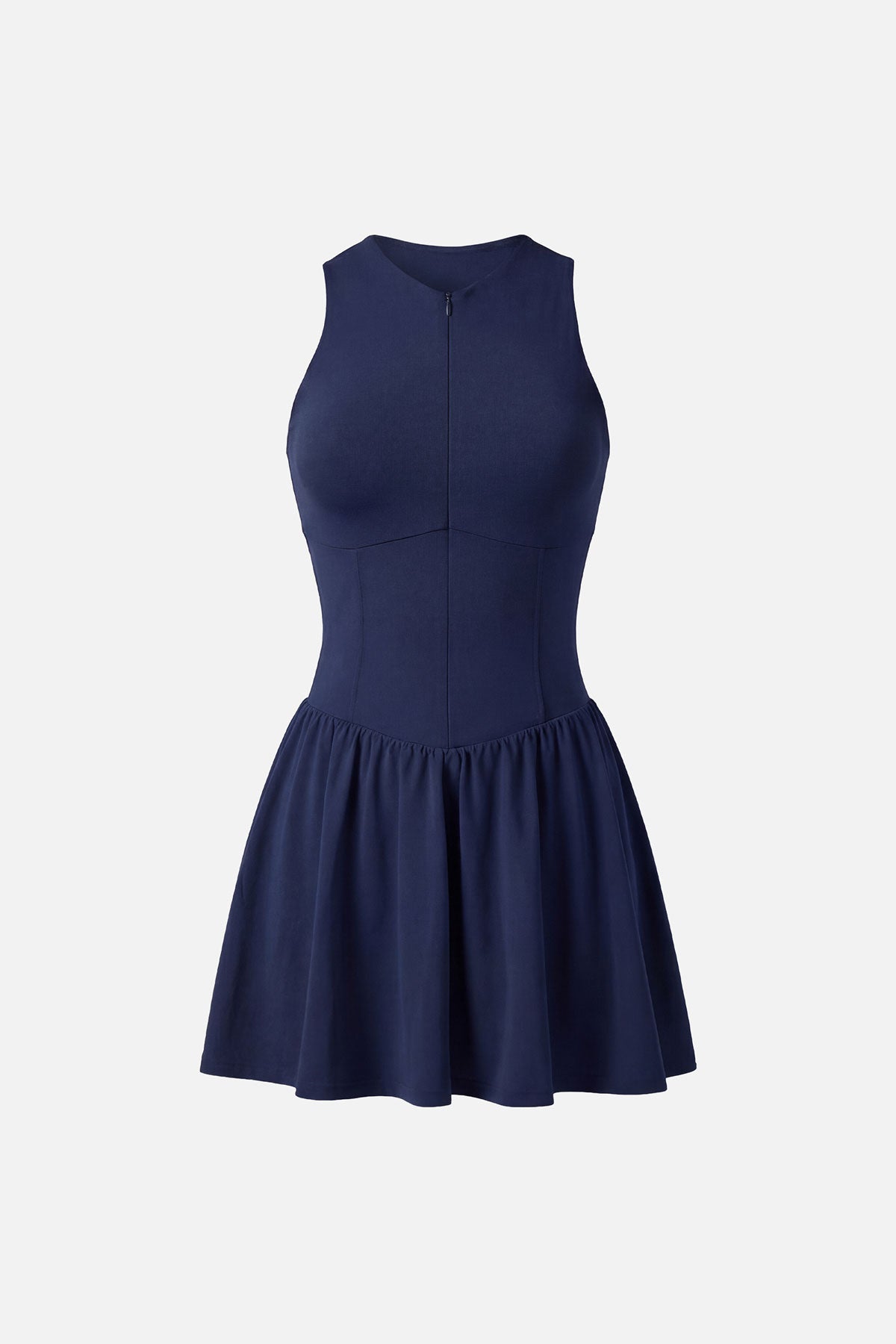
For women who have been waiting for a sport that feels both athletic and socially natural, the appeal is obvious. For brands shaping the new court uniform, including Common Player, it also marks a clear shift in what modern players expect: clothing designed for performance, yes, but with a cleaner silhouette, smarter details and a more elevated point of view.
Padel may be having a moment, but it does not feel fleeting. It feels like the sport has finally caught up with the way many people want to play now - competitively, socially and with a sense of style that belongs on and off court.
Read more
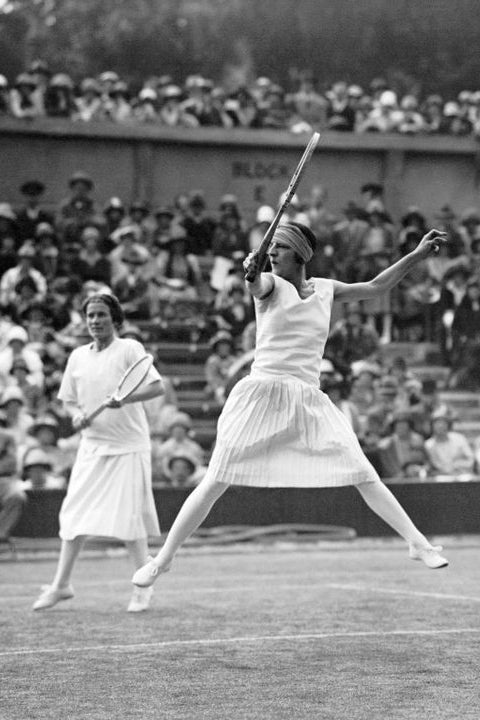
Why women tennis players wear skirts comes down to history, movement, comfort and style - and today’s skorts are built for modern match play.
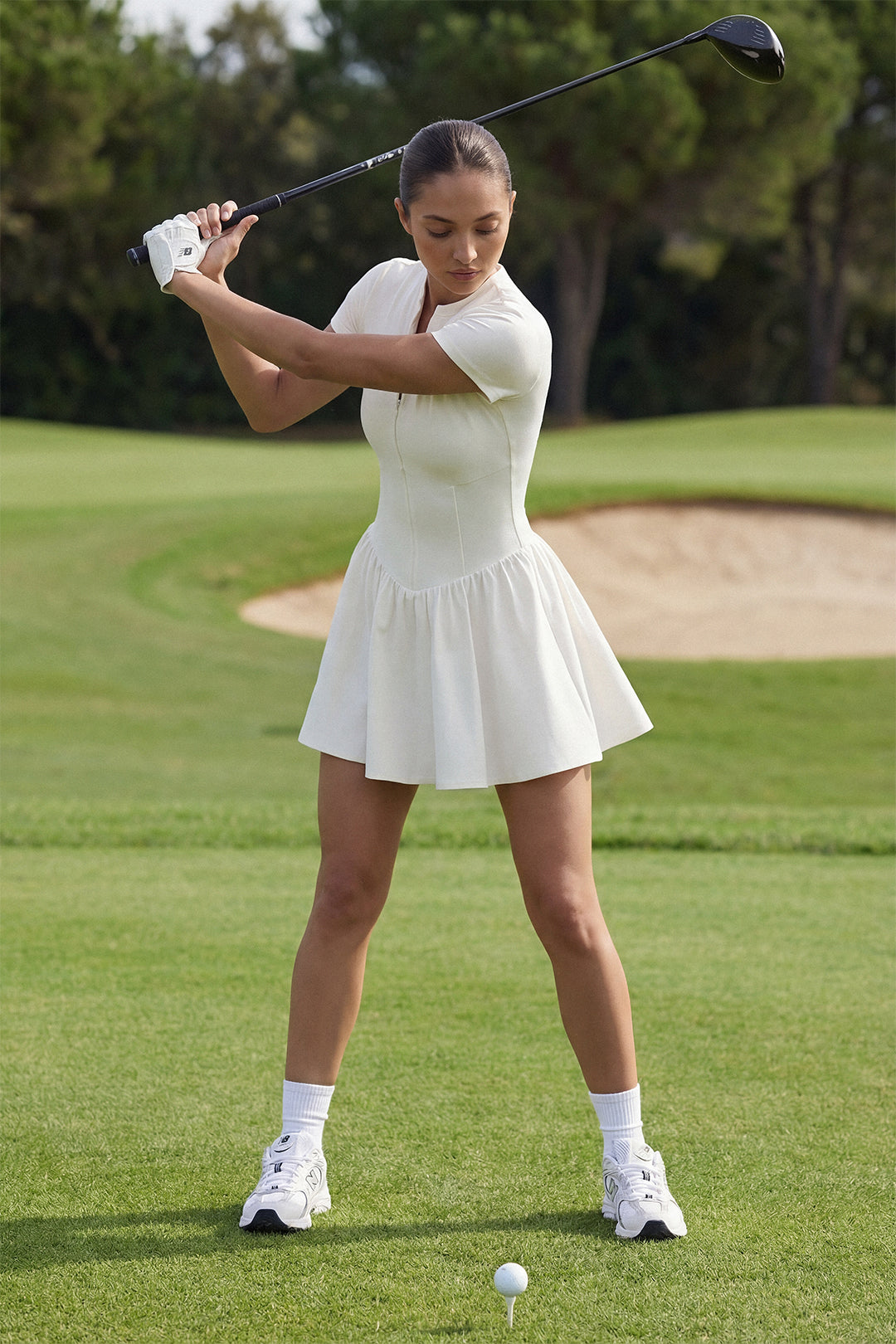
Women’s golf apparel should move well, feel polished and hold its shape. Here’s what to look for in pieces that perform on and off course.