

Why Women Tennis Players Wear Skirts
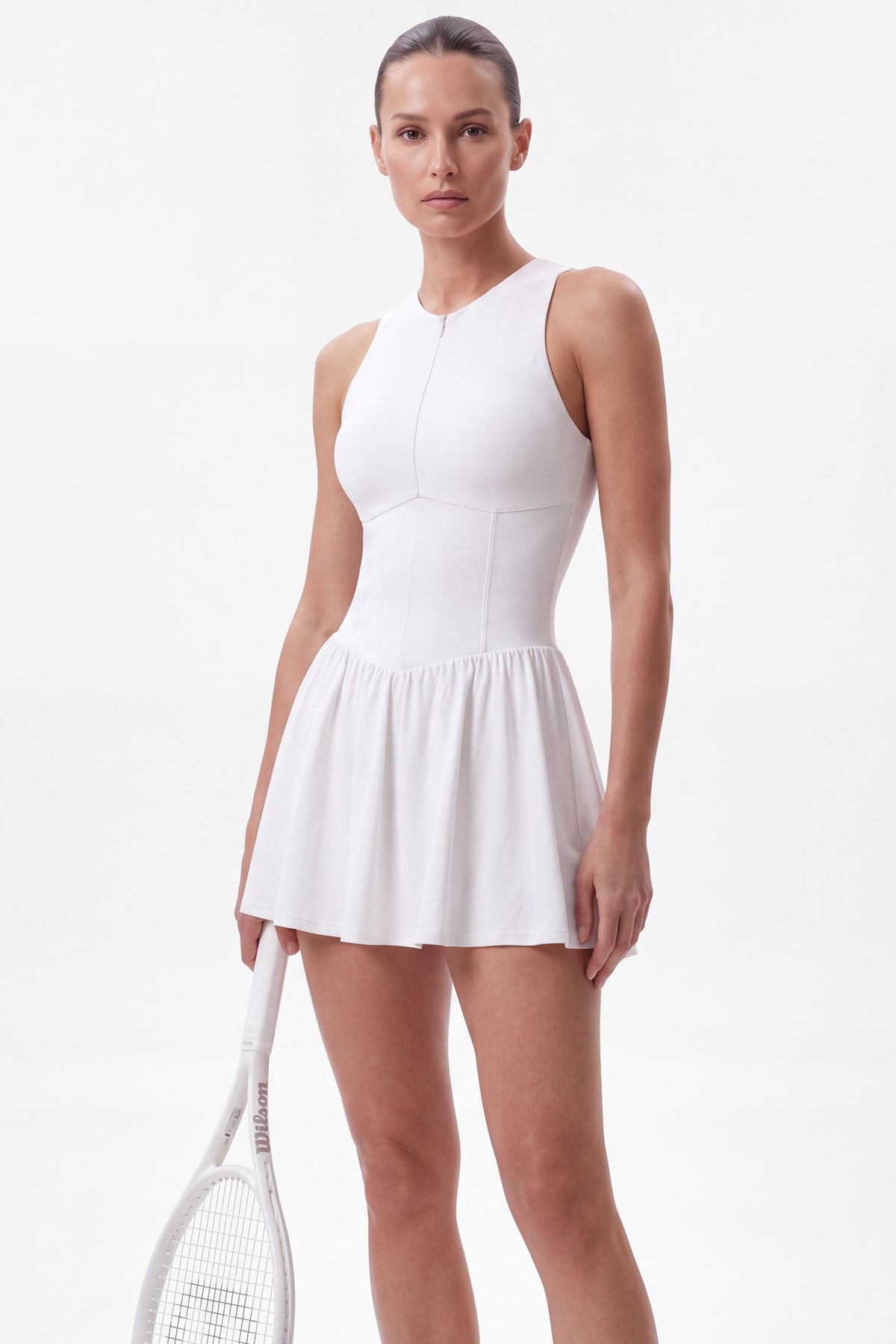
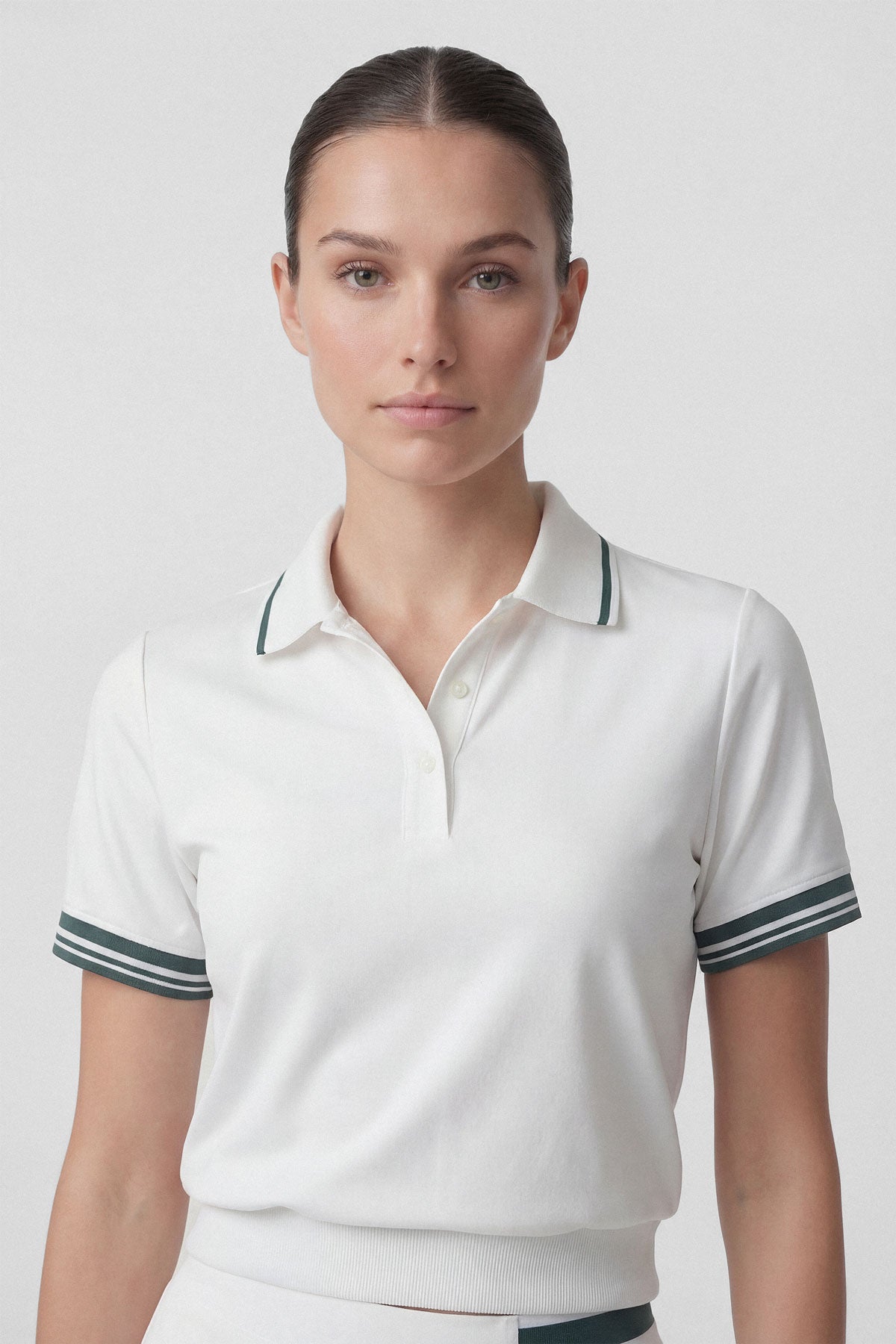
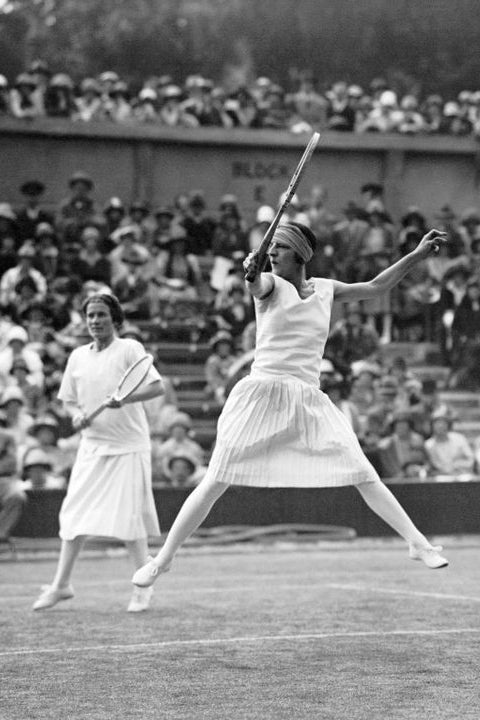
Centre court offers a very clear answer to why women tennis players wear skirts - and it is not simply tradition. What looks like a classic uniform is really the result of sport, style and practicality meeting in one garment. For modern players, the skirt has evolved far beyond appearance. It is now a performance piece, designed to move cleanly, feel light and still present a polished silhouette.
That matters because tennis asks a lot of clothing. The game is explosive, repetitive and highly visible. Players sprint, rotate, lunge, serve overhead and recover in seconds. What they wear has to support all of that without distraction. So while the tennis skirt carries a strong visual identity, its staying power comes from how well it fits the demands of the court.
Why women tennis players wear skirts in the first place
The short answer is that skirts became part of women’s tennis through convention, then stayed because the design adapted with the sport. Early women players competed in long, restrictive dresses shaped more by social expectations than by athletic function. As tennis became faster and women’s sport became more independent of those rules, hemlines lifted, fabrics improved and the silhouette changed.
What remained was the basic idea of a lighter, more flexible lower half. Over time, that developed into the tennis skirt and, more importantly, the skort - a design that combines the clean line of a skirt with the security of shorts underneath. That shift explains a lot. Women did not keep wearing skirts because the sport stood still. They kept wearing them because the garment changed with the way they play.
It is about movement as much as image
A well-cut tennis skirt works with the body rather than against it. The shape allows for easy lateral movement, quick changes of direction and unrestricted leg drive on serves and groundstrokes. Compared with heavier or more compressive options, a skirt can feel freer through the hips and thighs, especially in warm conditions.
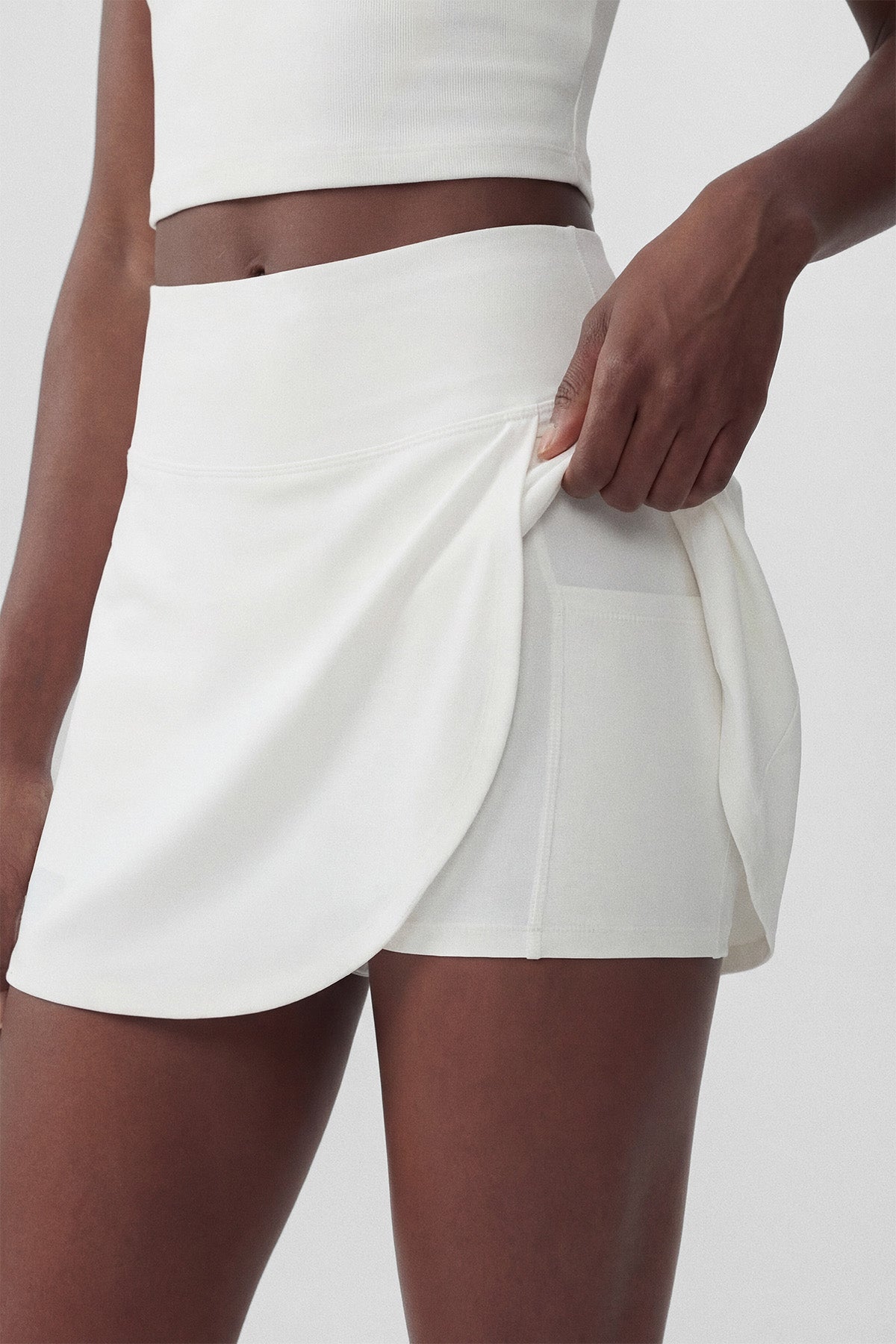
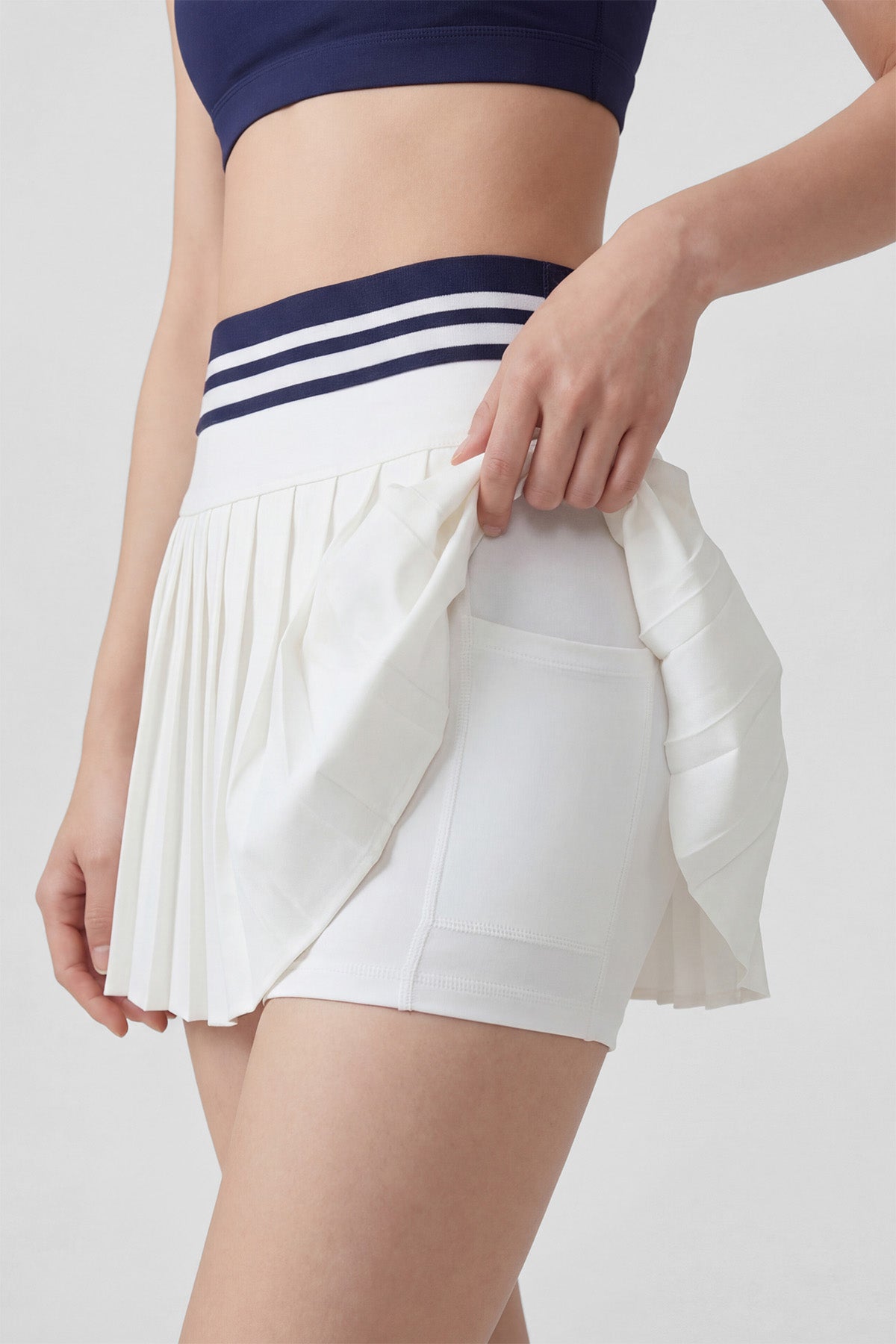
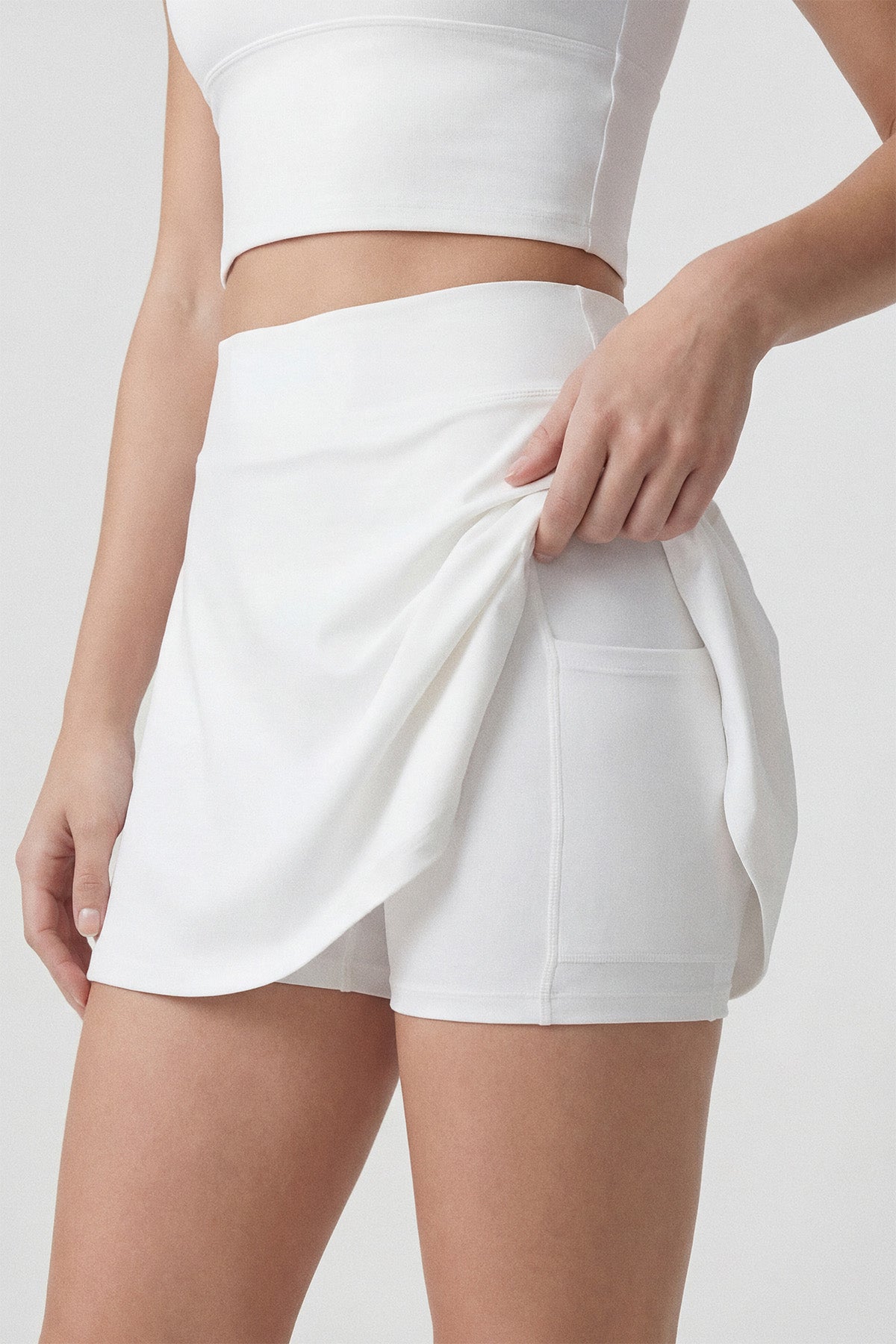
That said, not every skirt performs equally. The difference is in the construction. Built-in shorts, secure waistbands and lightweight technical fabrics are what make the modern version court-ready. Without those details, a skirt is simply a style choice. With them, it becomes a sport-specific layer made for match day.
There is also a psychological side to movement. Players often perform better when they feel comfortable and composed in what they are wearing. Tennis is a game of rhythm and focus. If a hem rides up, a waistband shifts or a fabric holds heat, it interrupts concentration. The best tennis skirts reduce that mental noise.
Why women tennis players wear skirts instead of shorts
This is where the answer becomes more personal. Some players prefer shorts, particularly for training or cooler weather. Others find skirts lighter, sharper and easier to wear over a long session. There is no single rule beyond what helps a player move well and feel confident.
Skirts often win because they offer a particular balance. They can look refined without feeling formal. They flatter without compromising function. And when they are designed properly, they solve practical needs in a way many people do not notice at first glance. Built-in shorts provide coverage. Side pockets hold a spare ball. A high-rise fit keeps the waistband stable through serves and sprints.
In other words, women tennis players do not necessarily choose skirts instead of performance. They choose skirts because, in many cases, the right skirt is performance.
The role of style in tennis has always been real
Tennis has long held a different relationship with dress than many other sports. It is competitive, but it is also visual. Uniform matters. Line, proportion and presentation have always been part of the culture of the game, from traditional whites to modern tournament looks.
That does not mean style sits above substance. It means the two have grown together. A tennis skirt became iconic because it suited the atmosphere of the sport while still adapting to the athlete’s needs. For many women, that remains part of the appeal. The look feels clean, athletic and intentional.
There is value in that. Clothing can shape how a player carries herself before the first point is played. A refined silhouette can create a sense of readiness. It can help bridge the space between performance and personal style, especially for players who want their wardrobe to feel considered both on and off court.
This is partly why the category has expanded beyond basic whites and standard pleats. Today’s player expects more. She wants movement, support and a polished finish. She does not want to choose between technical design and a more elevated look.
Modern skirts are really engineered skorts
The phrase tennis skirt is still widely used, but in practice many of the best options are skorts. That distinction matters because it explains why the garment remains so relevant.
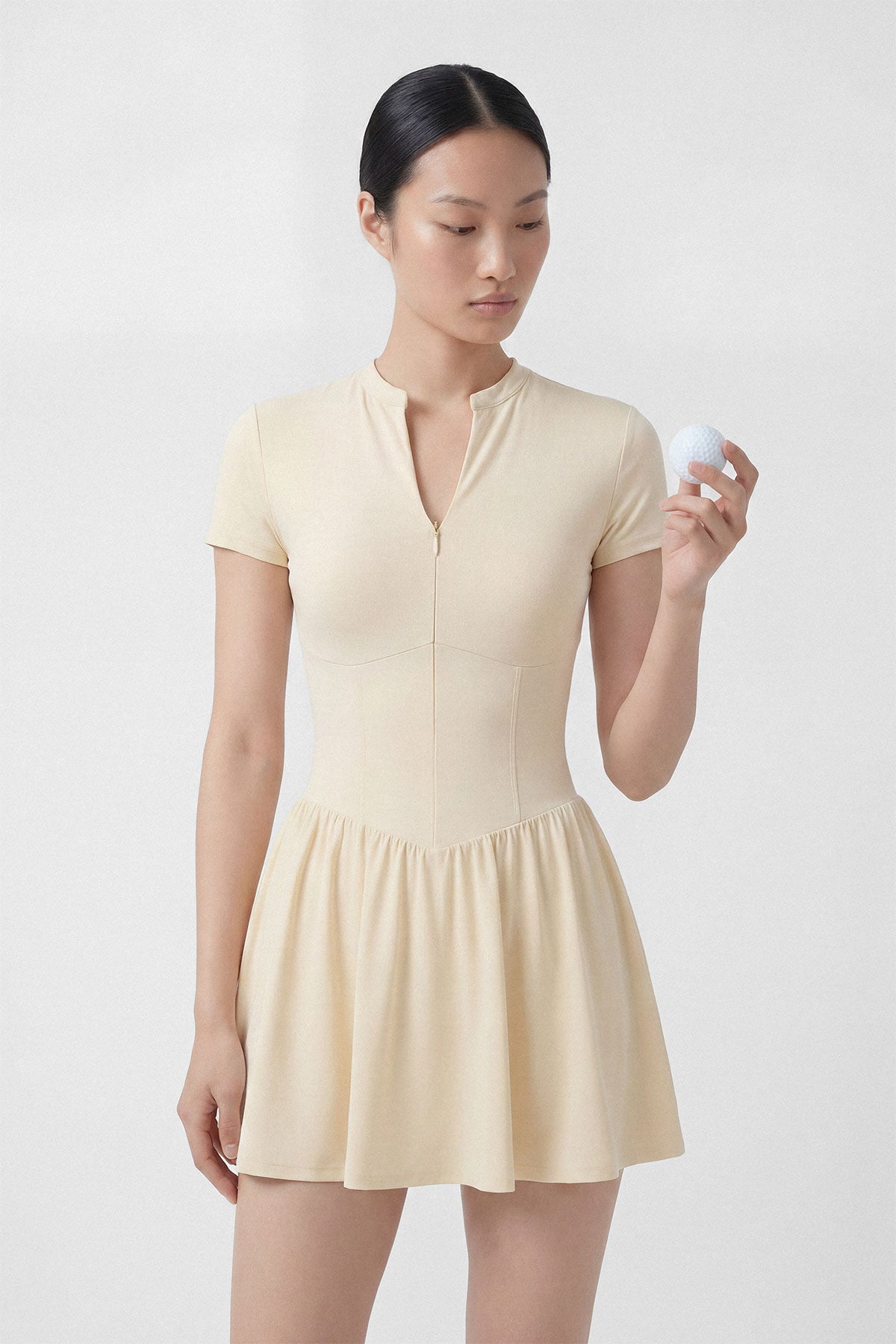
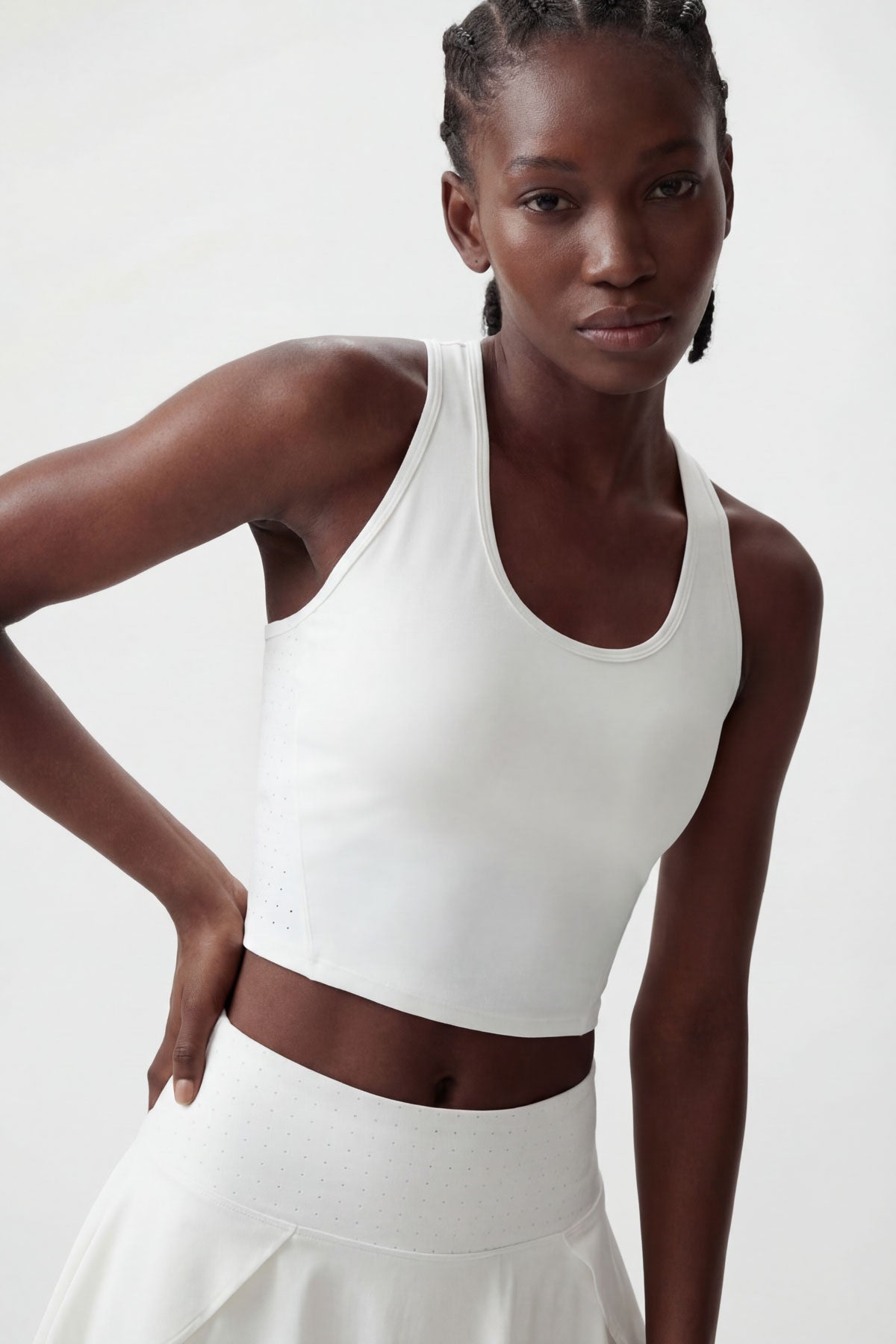
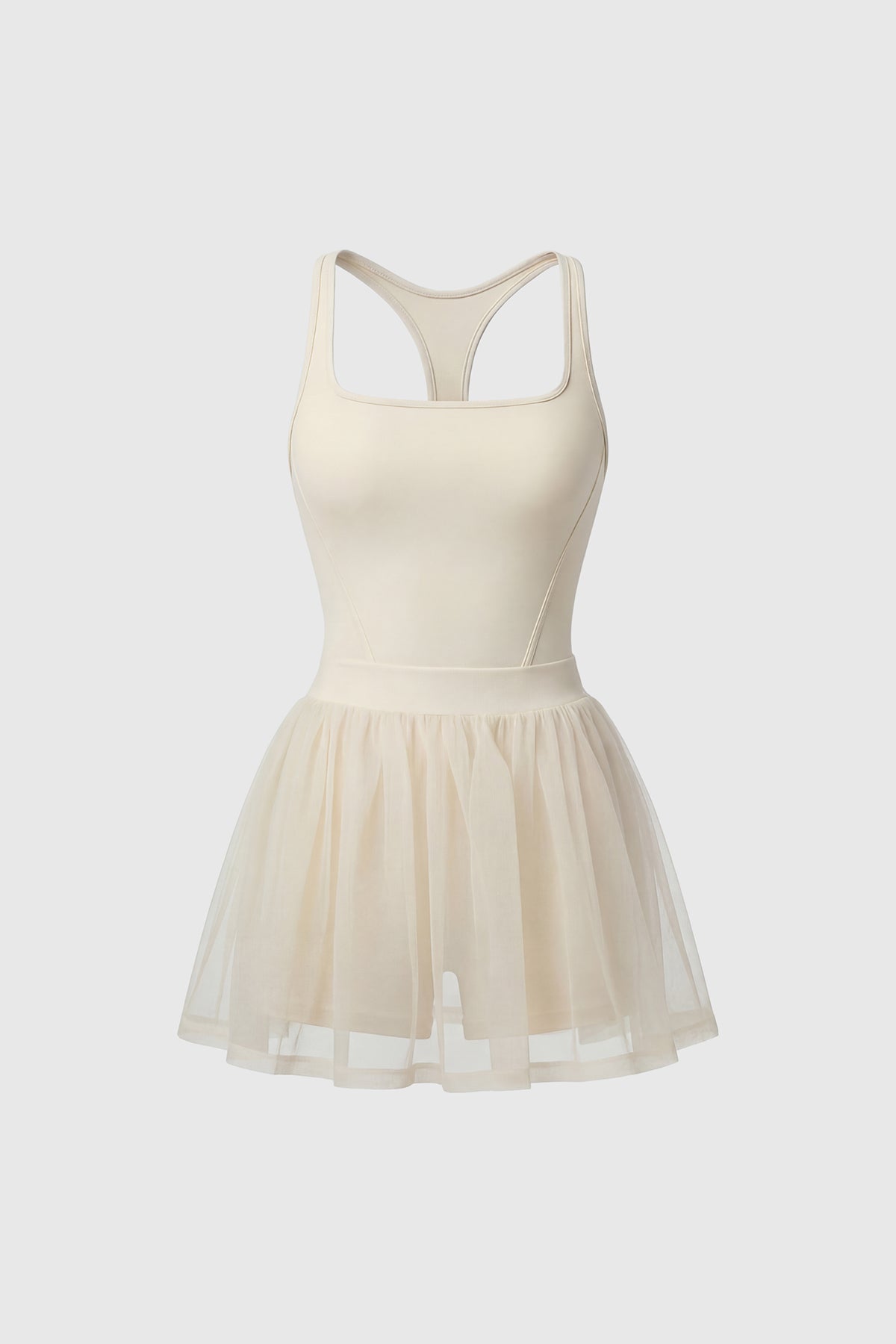
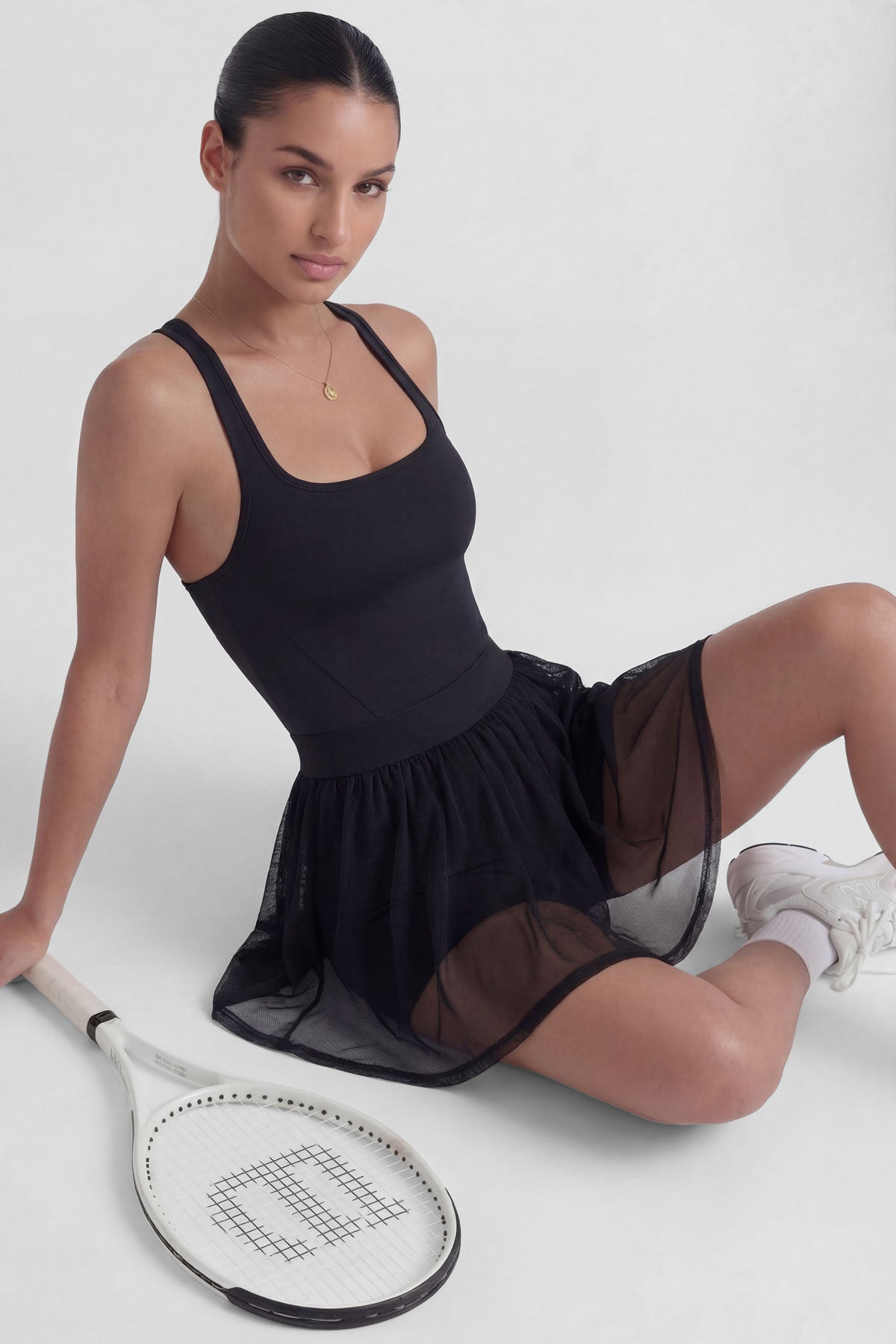
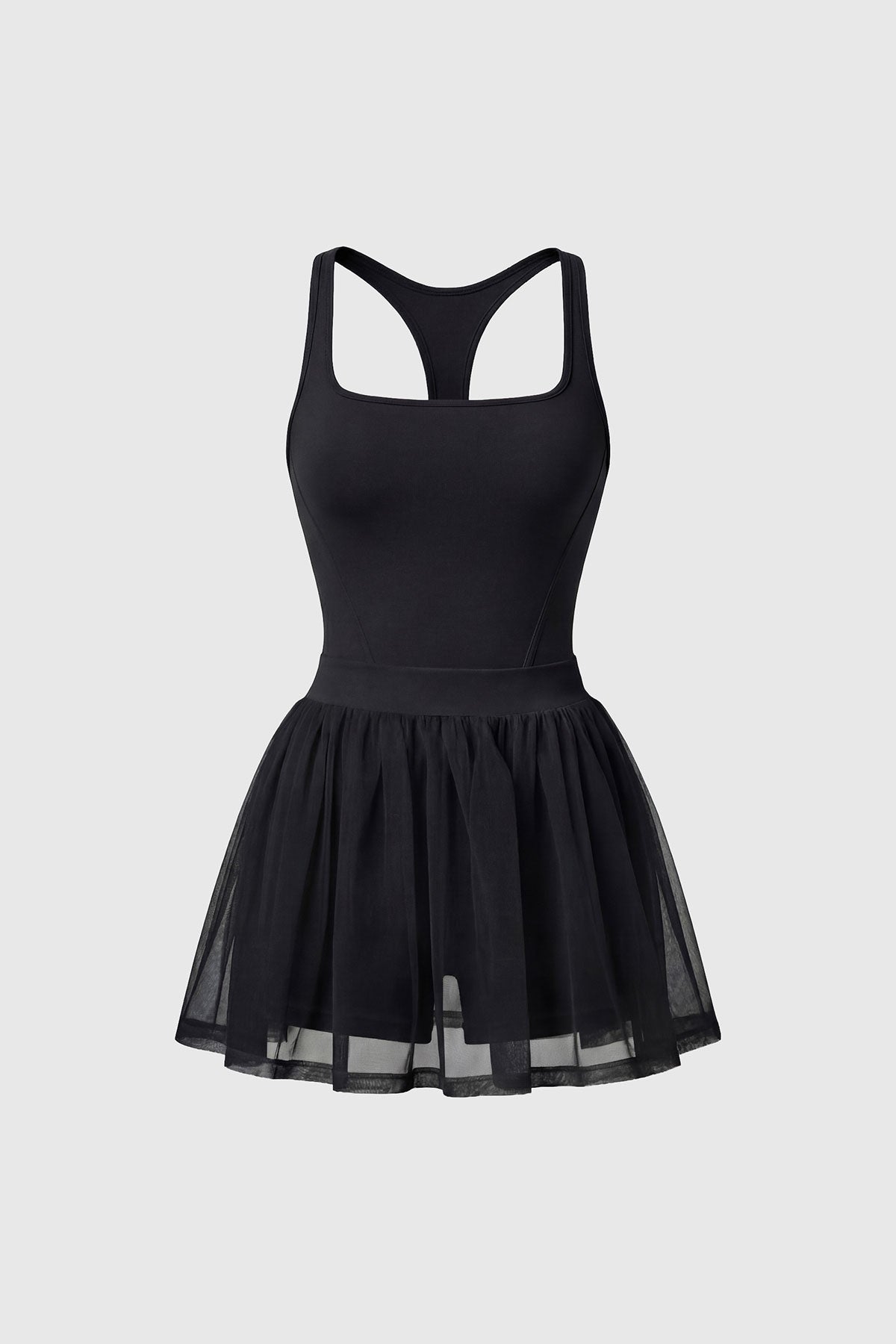
A skort keeps the familiar silhouette while adding features that support actual play. The inner short prevents friction, offers coverage during lunges and makes the piece feel more secure. Pockets built into the short can hold tennis balls without distorting the outer layer. Breathable fabrics help regulate heat, and details like bonded seams or micro-perforation improve comfort during long sessions.
This is where modern design has quietly transformed the category. What once carried a historical association now answers very current demands. The refined outer shape remains, but the experience of wearing it is technical, deliberate and modern.
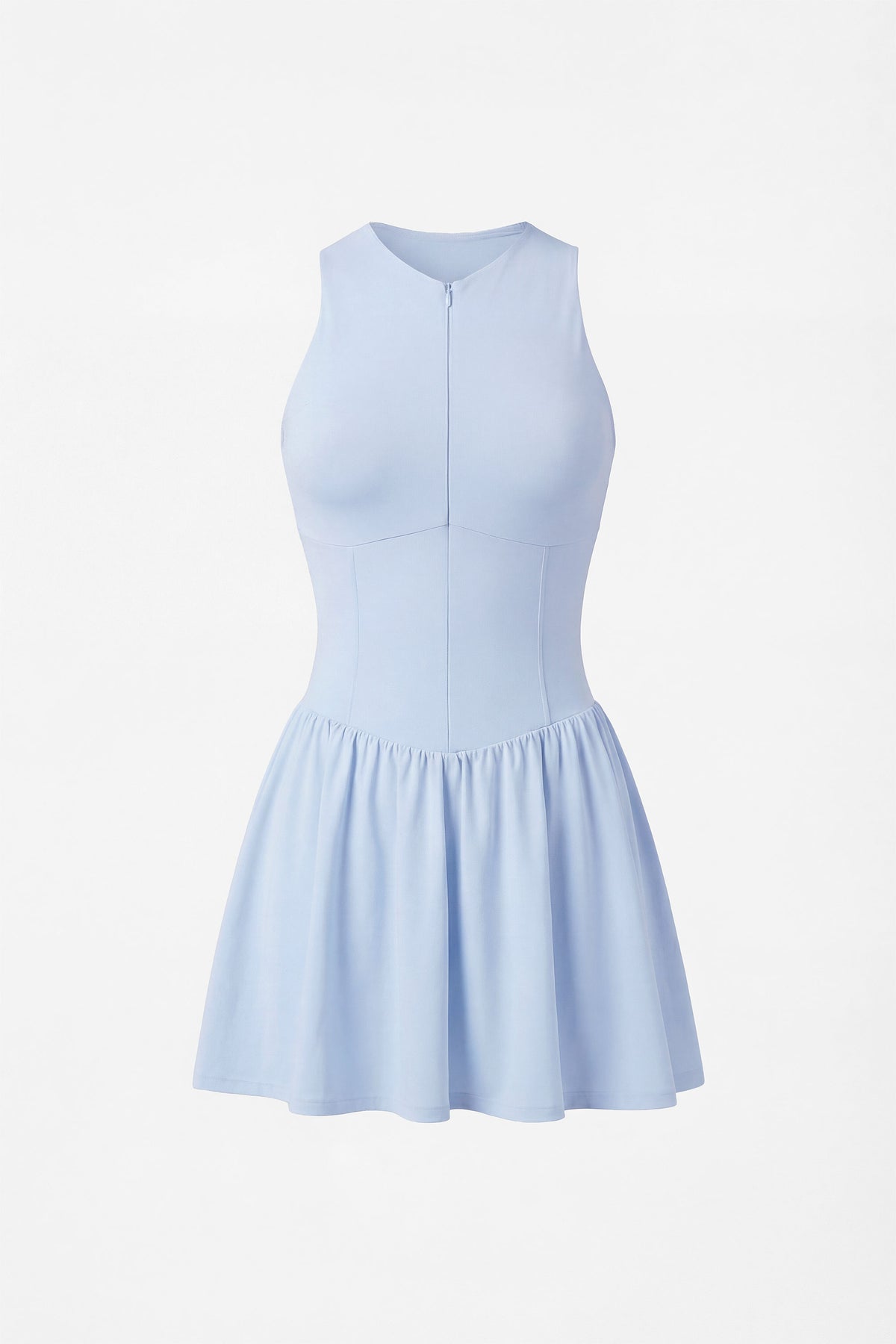
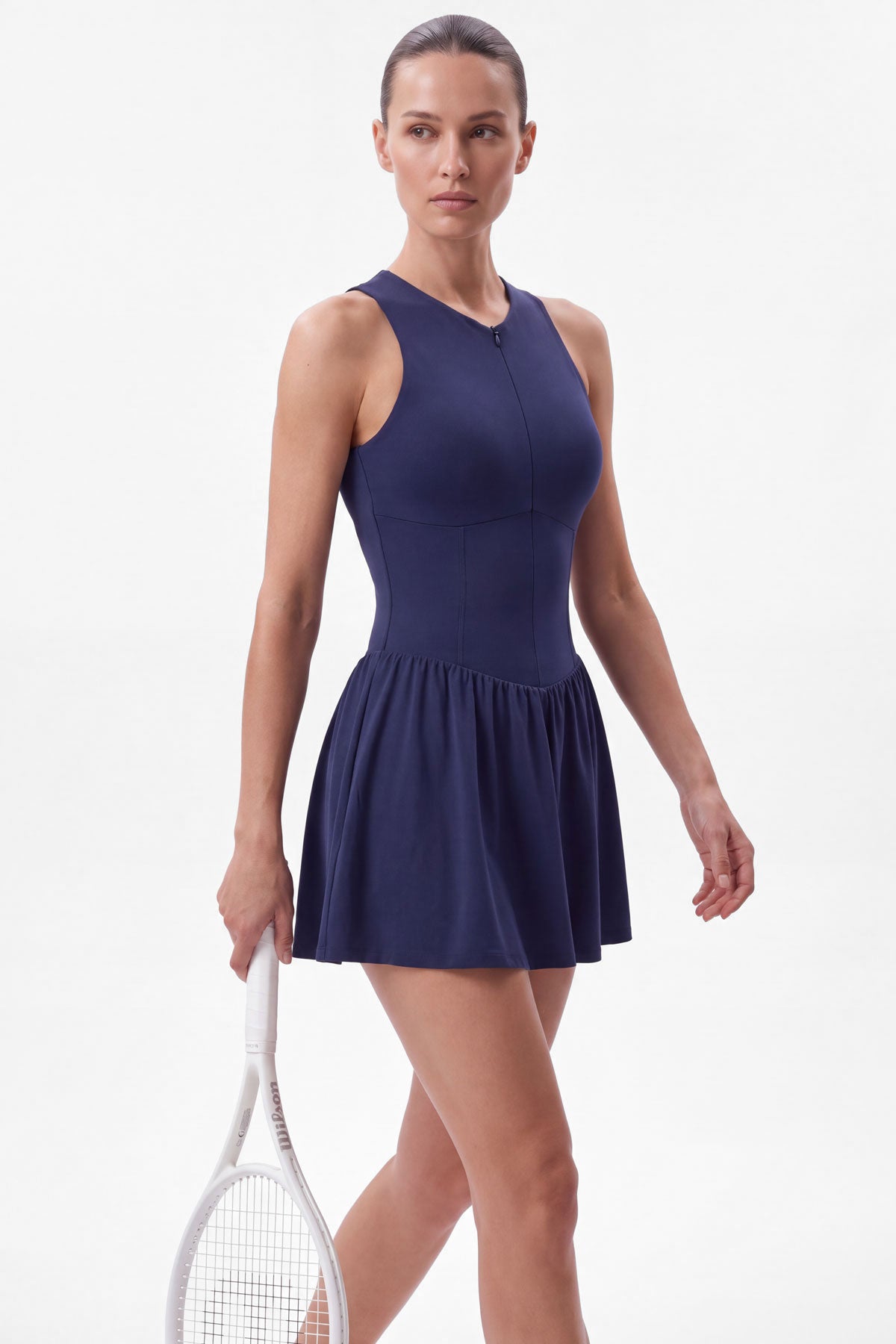
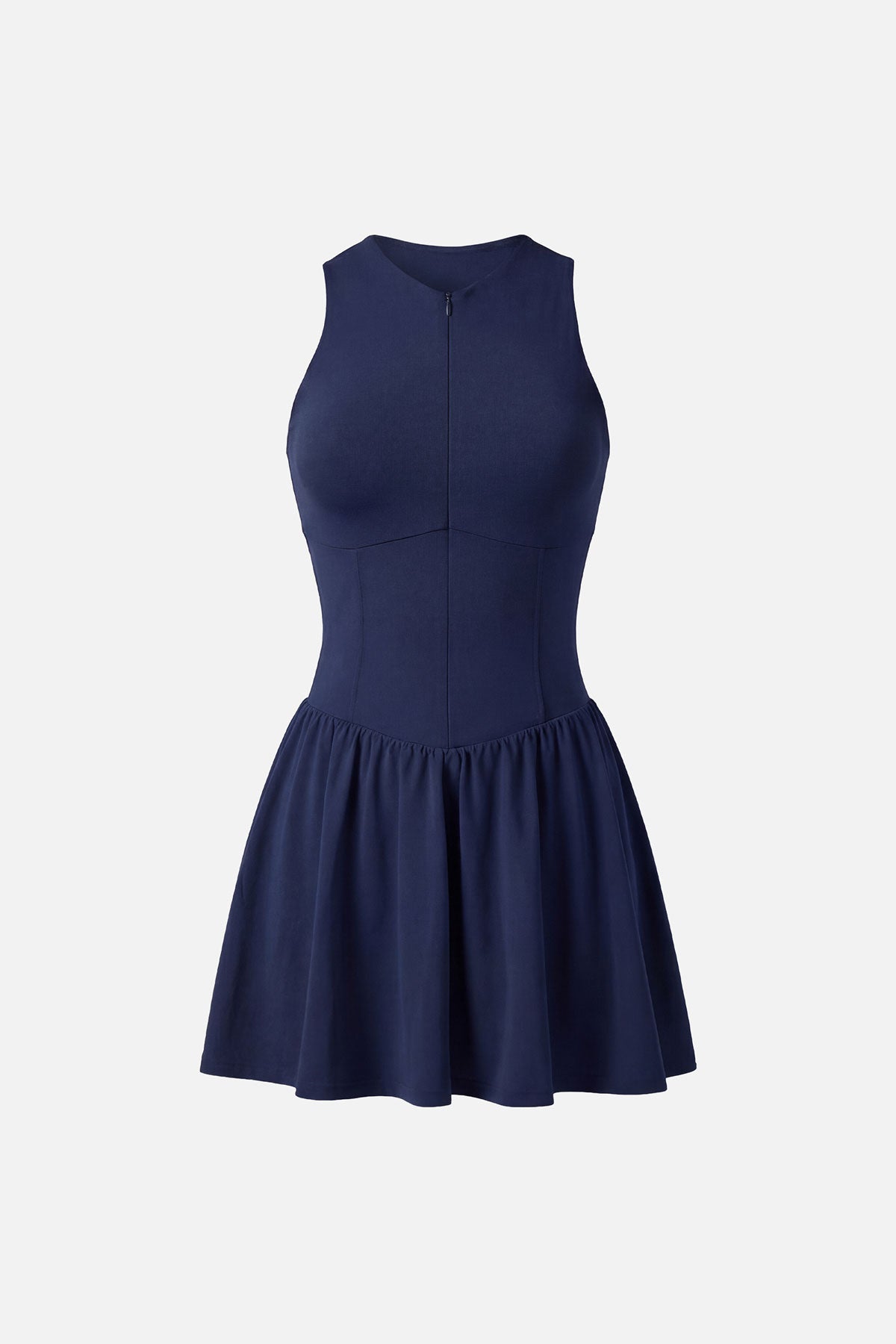
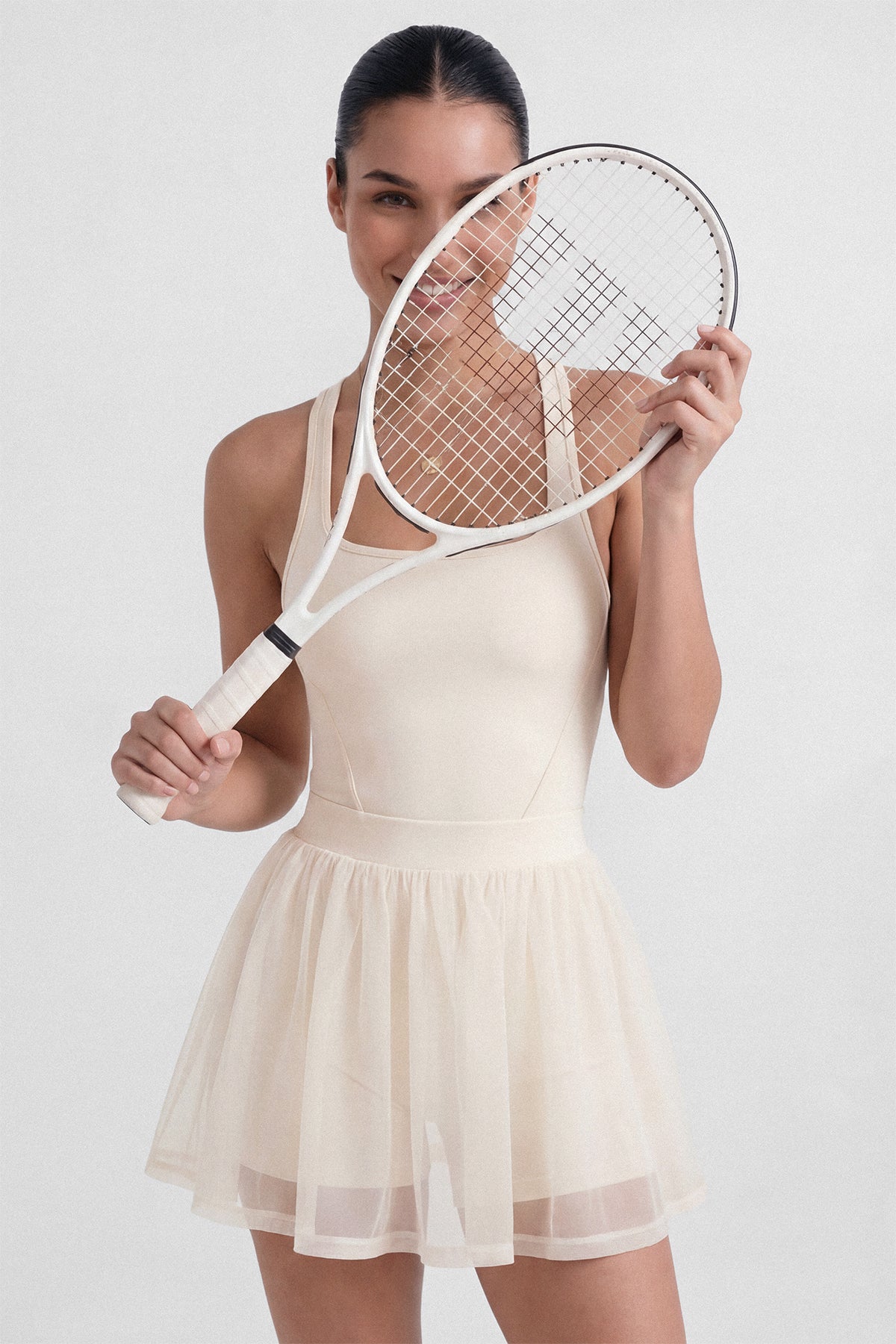
For brands shaping a new court uniform, that combination is exactly the point. A player should be able to step into a skirt or skort and feel supported in competition, then still look polished after the match. The piece needs to earn its place beyond tradition.
There are trade-offs, and preference still matters
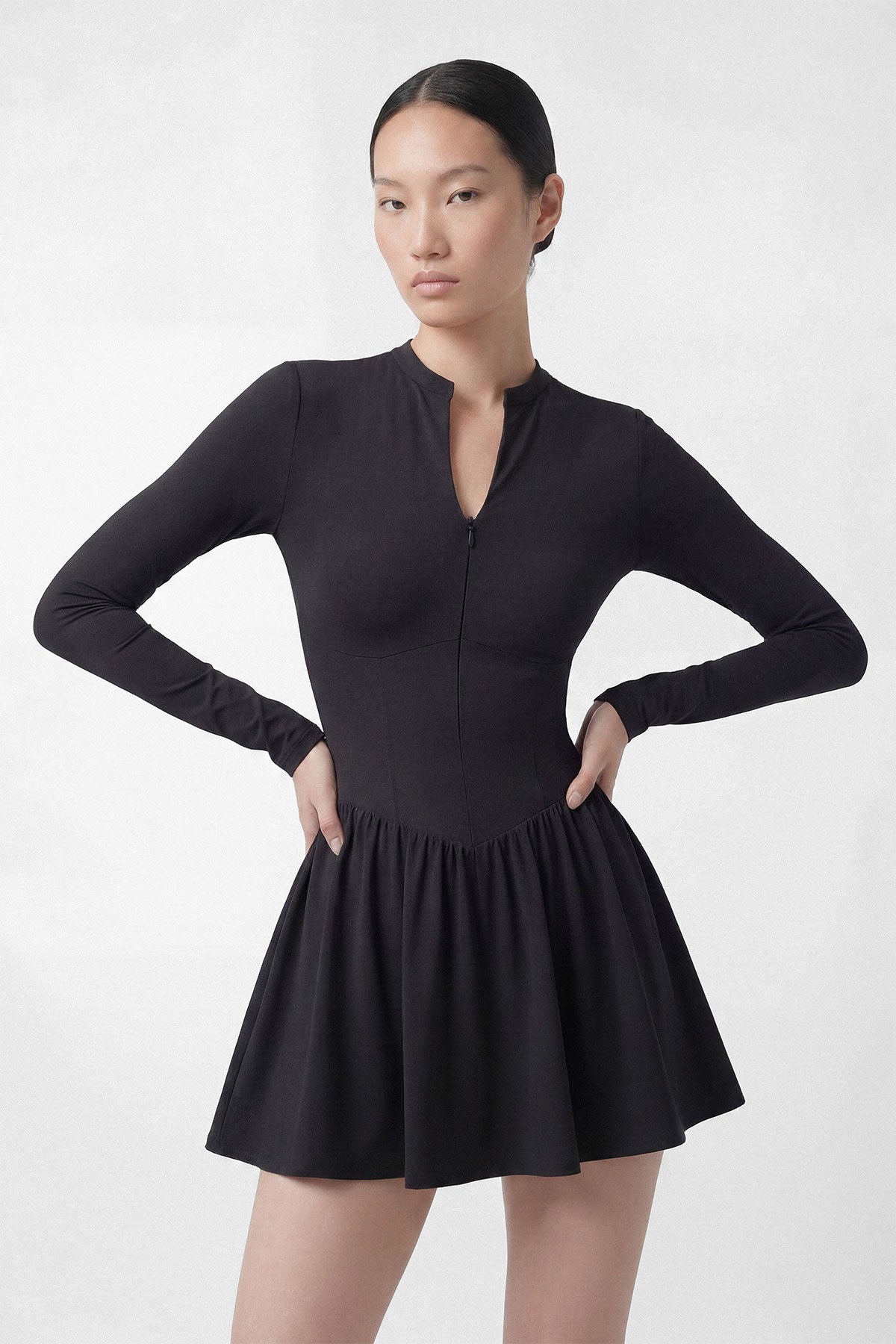
It would be too simple to say skirts are always the best option. They are not. Some players prefer compression shorts for intense training blocks. Others lean towards dresses for an all-in-one fit, or leggings in winter. Surface, weather, body shape and personal comfort all play a part.
Even within skirts, proportions matter. Some players want a shorter hem for ease and lightness, while others feel better with a slightly longer line and more coverage. A soft, minimal A-line can feel very different from a sharply pleated style. Neither is automatically better. The best choice depends on how the piece performs once the match starts.
That is why thoughtful design is more important than category alone. A tennis skirt should not just look the part on a hanger. It should stay in place through a serve, sit comfortably under pressure and maintain a clean fit through movement.
What today’s player actually wants from a tennis skirt
The modern player is not asking for nostalgia. She is asking for function with taste. She wants a skirt that feels flattering but not fragile, streamlined but not severe. She wants support where it counts, freedom where it matters and a silhouette that still feels like her.
That is a subtle shift, but an important one. The tennis skirt has lasted not because women are expected to wear it, but because designers have continued to make it relevant. Better fabrics, smarter construction and cleaner styling have turned it into a genuinely useful piece of performance apparel.
For many women, it also suits the rhythm of the day. A refined skort can move from morning practice to coffee, errands or a casual lunch without looking overly technical. That versatility is not trivial. It reflects how women actually live with sport woven into the rest of their schedule.
So, why women tennis players wear skirts is really a question about evolution. The garment began in tradition, but it survives through design. Today, it offers freedom, coverage, elegance and practicality in one considered layer.
The most convincing tennis pieces do not ask you to choose between playing well and looking polished. They recognise that for the modern player, both belong on the same side of the net.
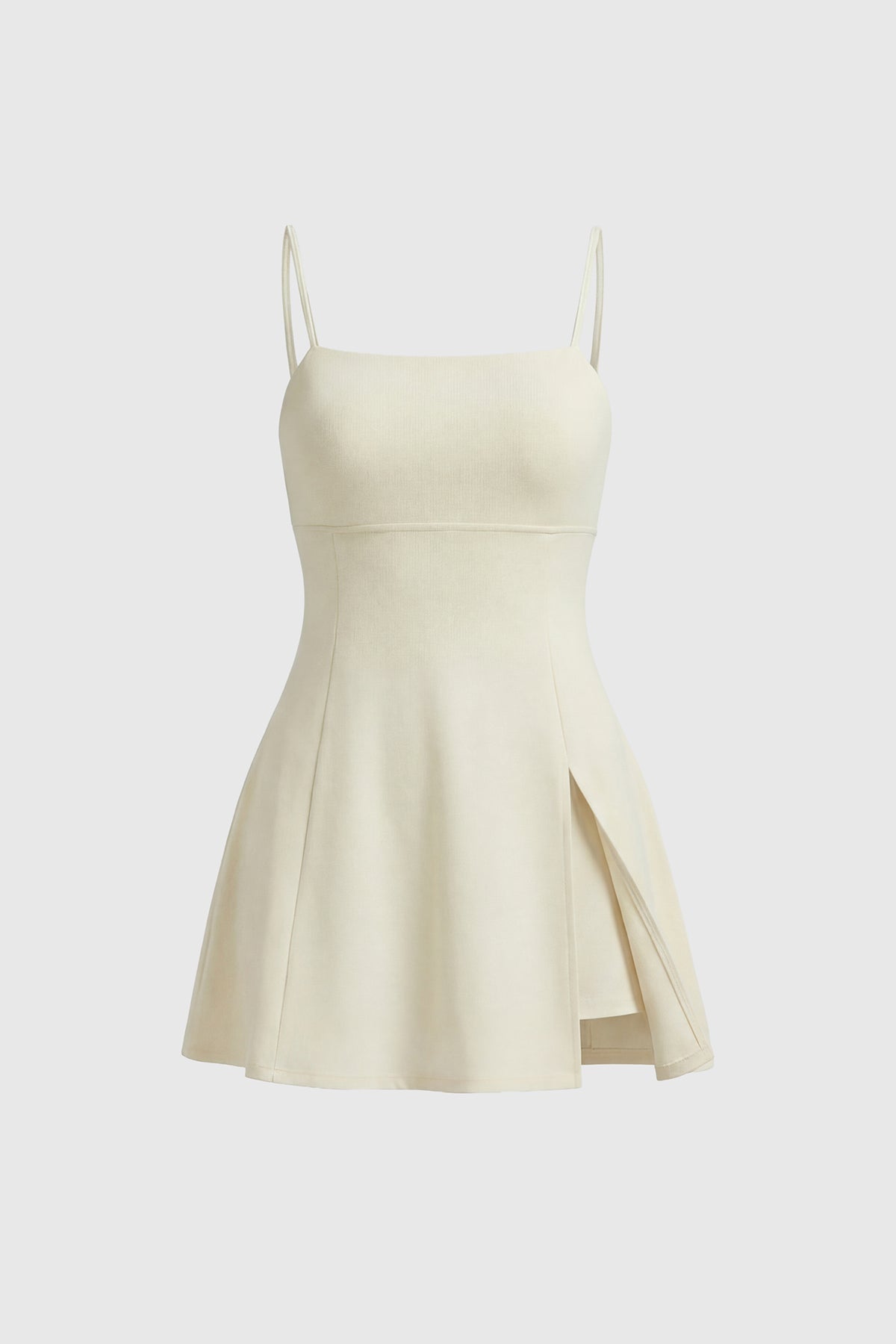
Read more
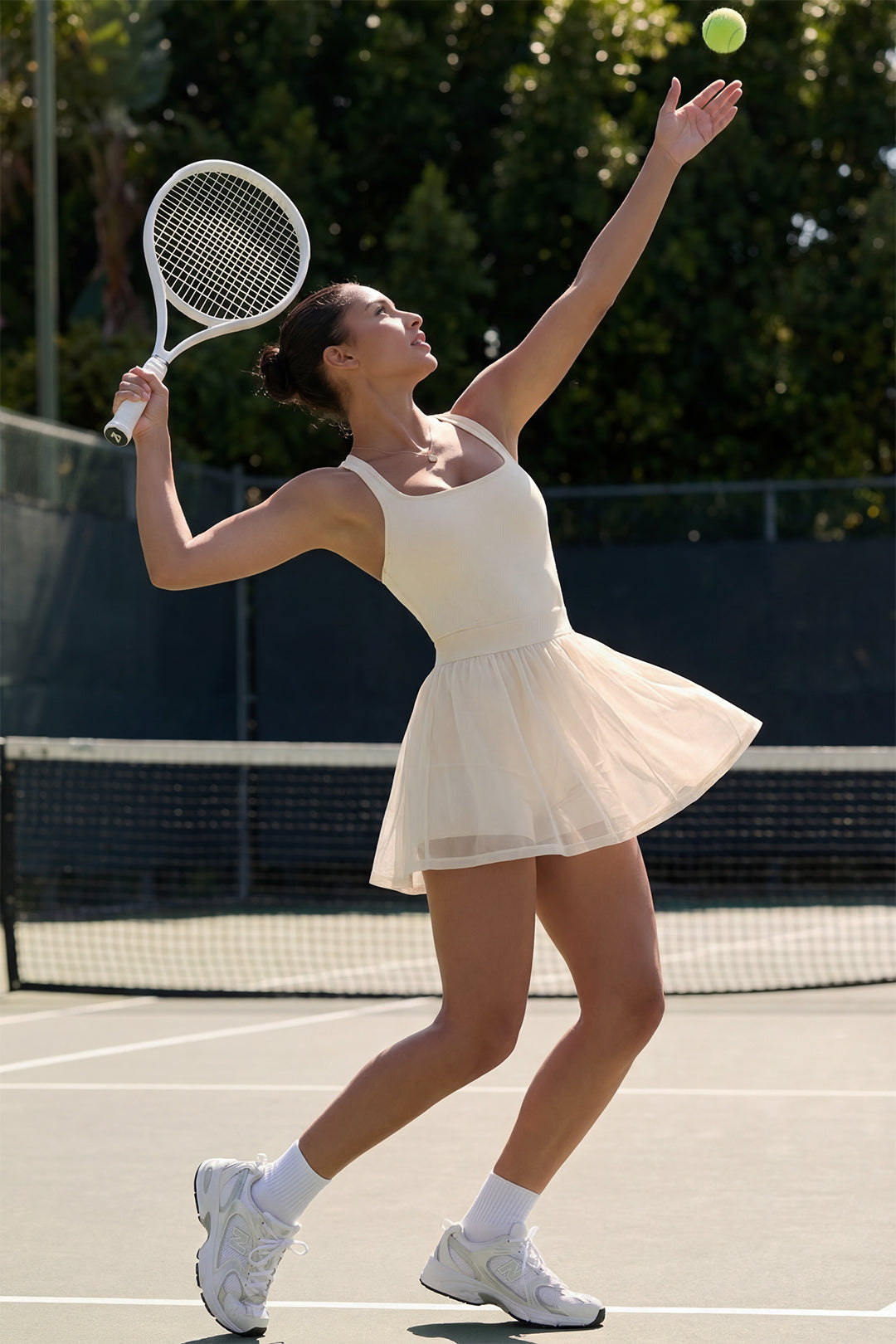
Find the best women's tennis apparel for comfort, movement and style, with smart fit notes on dresses, skorts, tops and support.
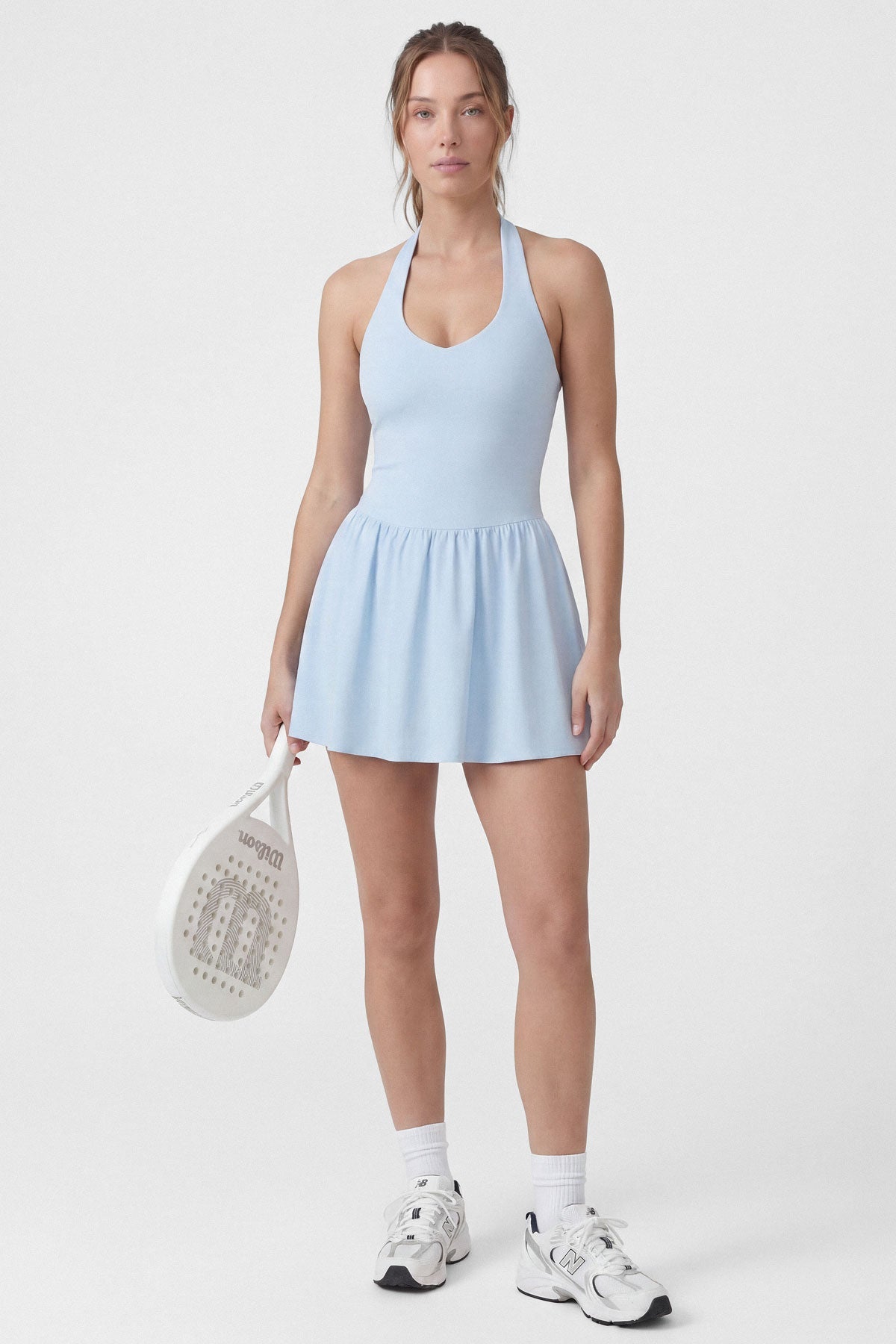
The rise of padel reflects a new way to play - competitive but welcoming, social but athletic, and stylish enough to live beyond the court.