


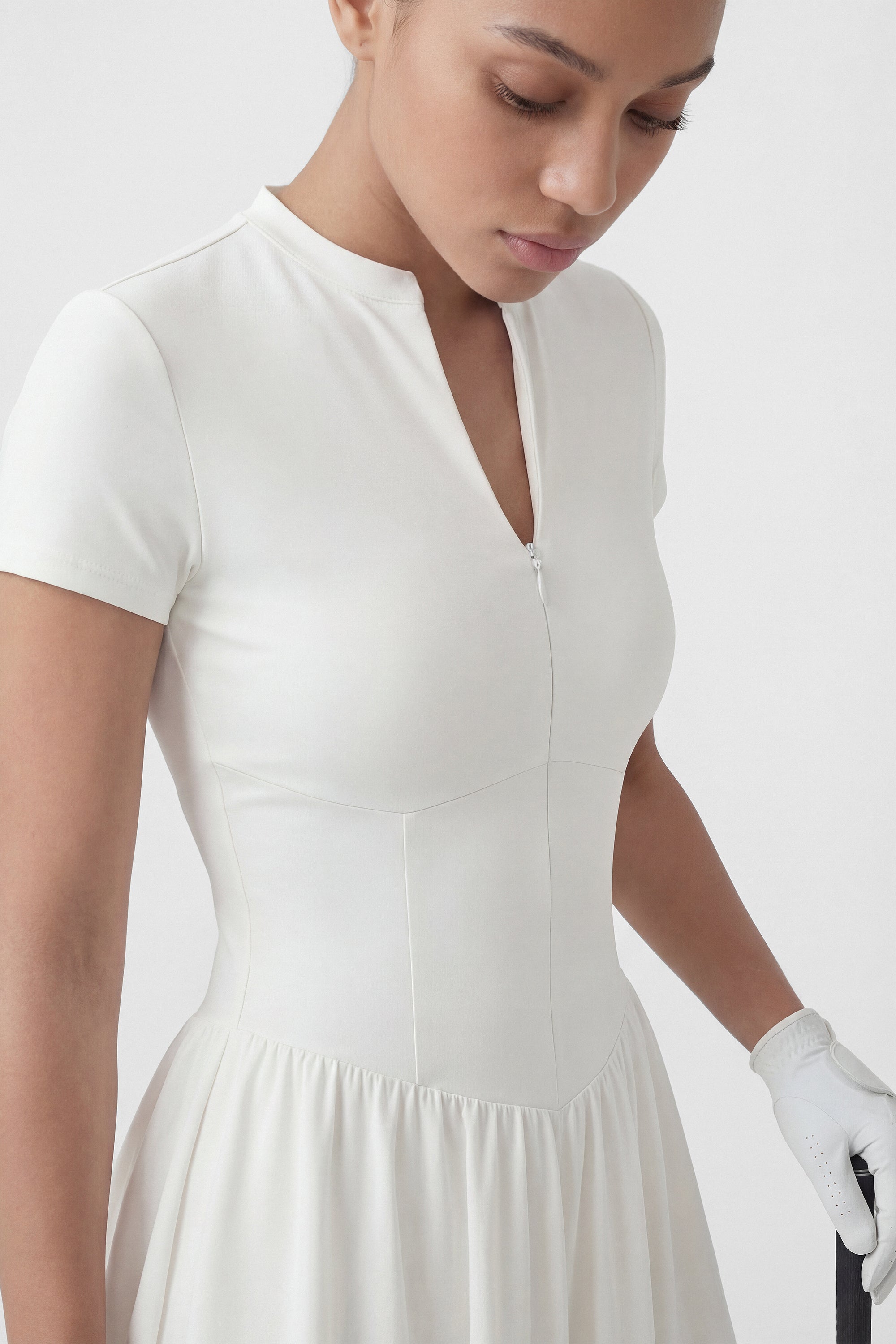
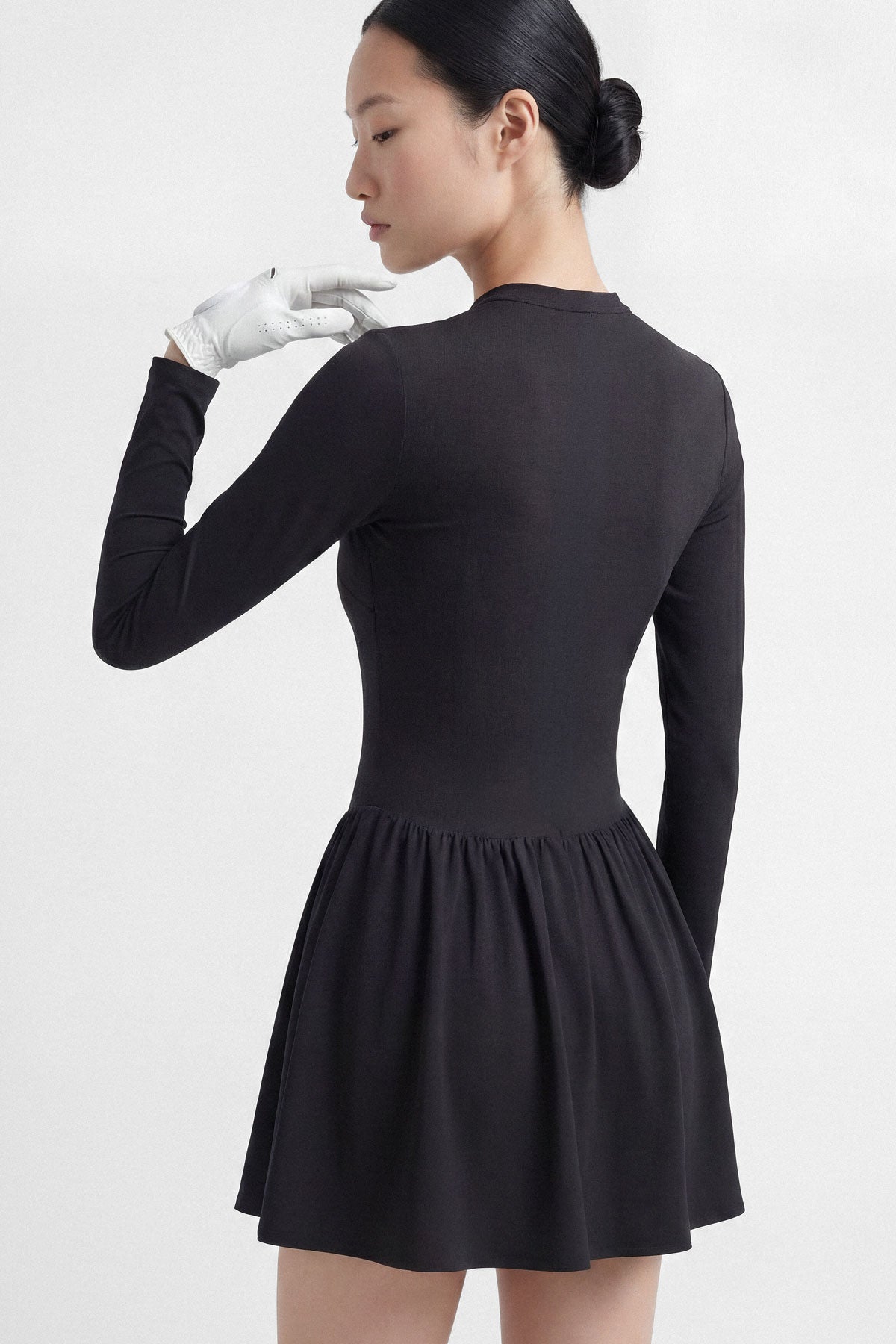
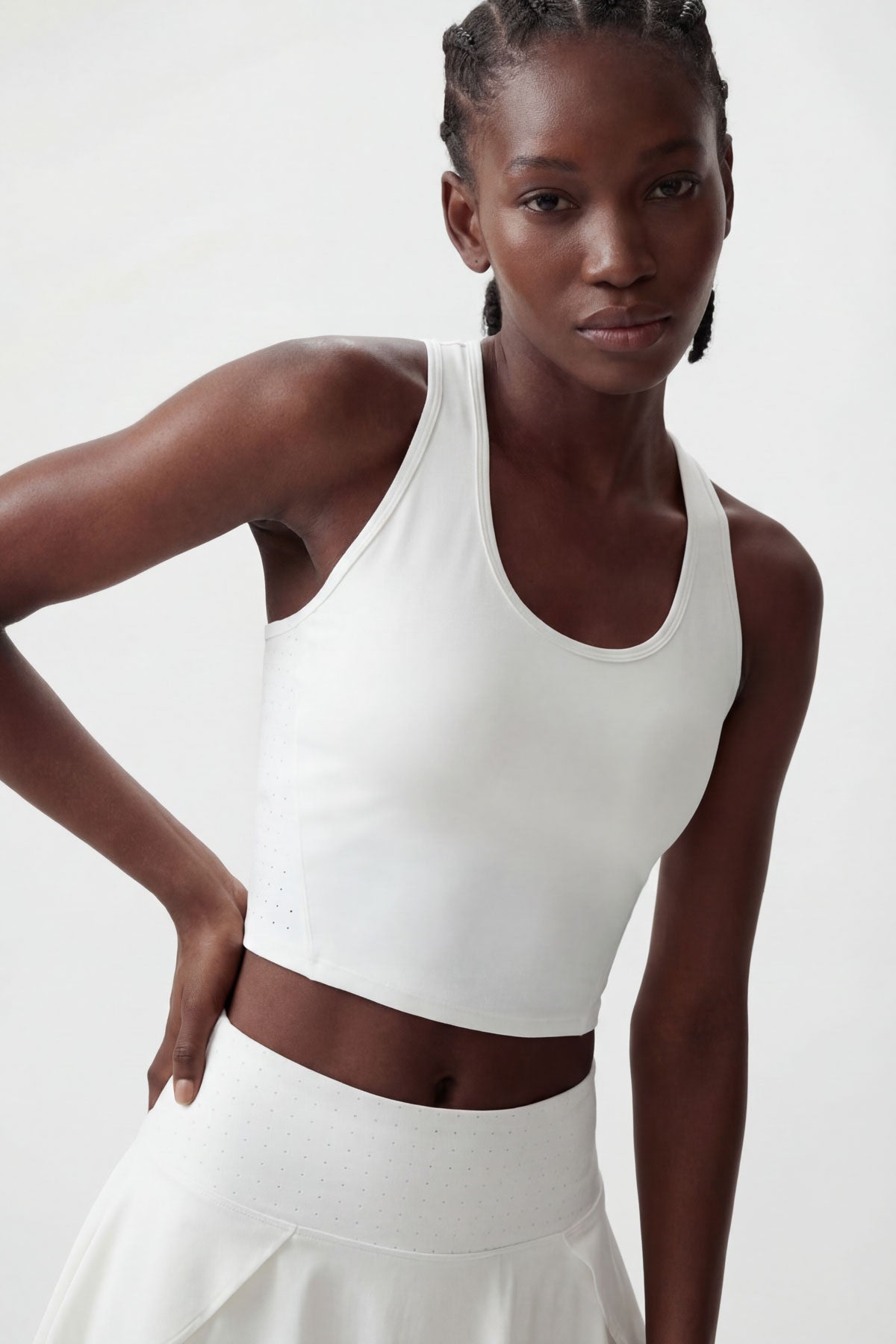
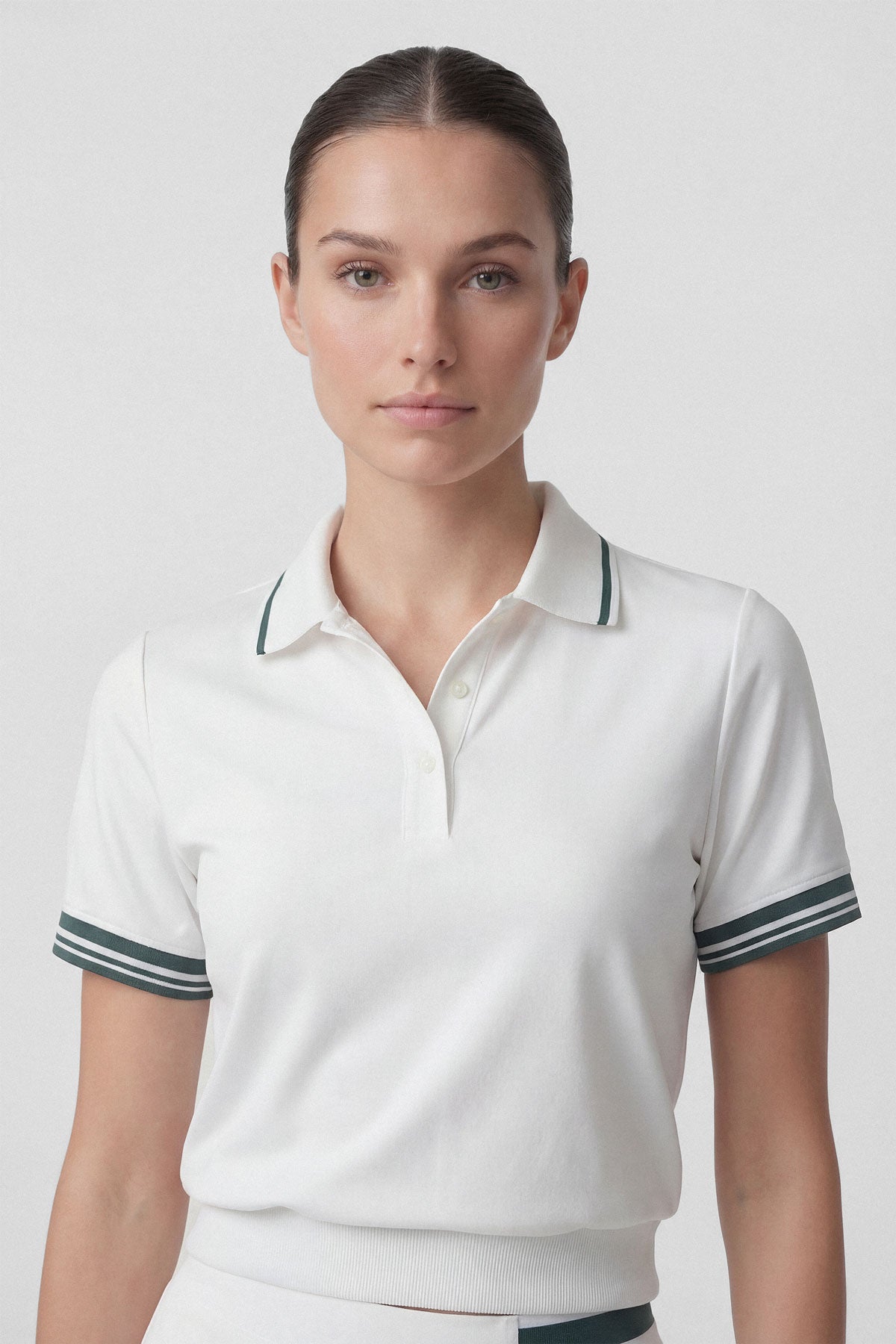
A tennis dress has a small window to prove itself. From the first warm-up ball to the post-match coffee, it needs to move cleanly, hold its shape and feel considered at every angle. The tennis dress features worth looking for are not decorative extras. They are the details that let a polished silhouette work properly through serves, sprints and long rallies.
The best designs make function feel almost invisible. You should notice the confidence of a secure fit and the ease of a well-placed pocket, not spend a set adjusting straps or wondering where to keep a spare ball. That is the difference between a dress that looks right near the court and one made for match day.
Tennis dress features begin with freedom to move
Tennis is not a linear sport. A dress must accommodate a high reach on serve, a low recovery position at the baseline and quick lateral movement without pulling across the shoulders or riding up through the waist. The starting point is a silhouette designed around those motions, rather than a casual dress adapted with sporty fabric.
Look for a bodice that sits smoothly without feeling restrictive, paired with a skirt that has enough volume or considered paneling to move with the body. A-line shapes often create an elegant line while allowing room through the hip and upper leg. More fitted styles can feel equally refined, provided the fabric has recovery and the construction does not rely on constant readjustment.
Length is personal, but proportion matters. A hem should feel appropriate for the way you play and the coverage you prefer, while still allowing unrestricted strides. The right length is not about a fixed rule. It is about whether the dress feels composed when you are reaching for a wide ball or walking off court.
Built-in shorts that stay considered
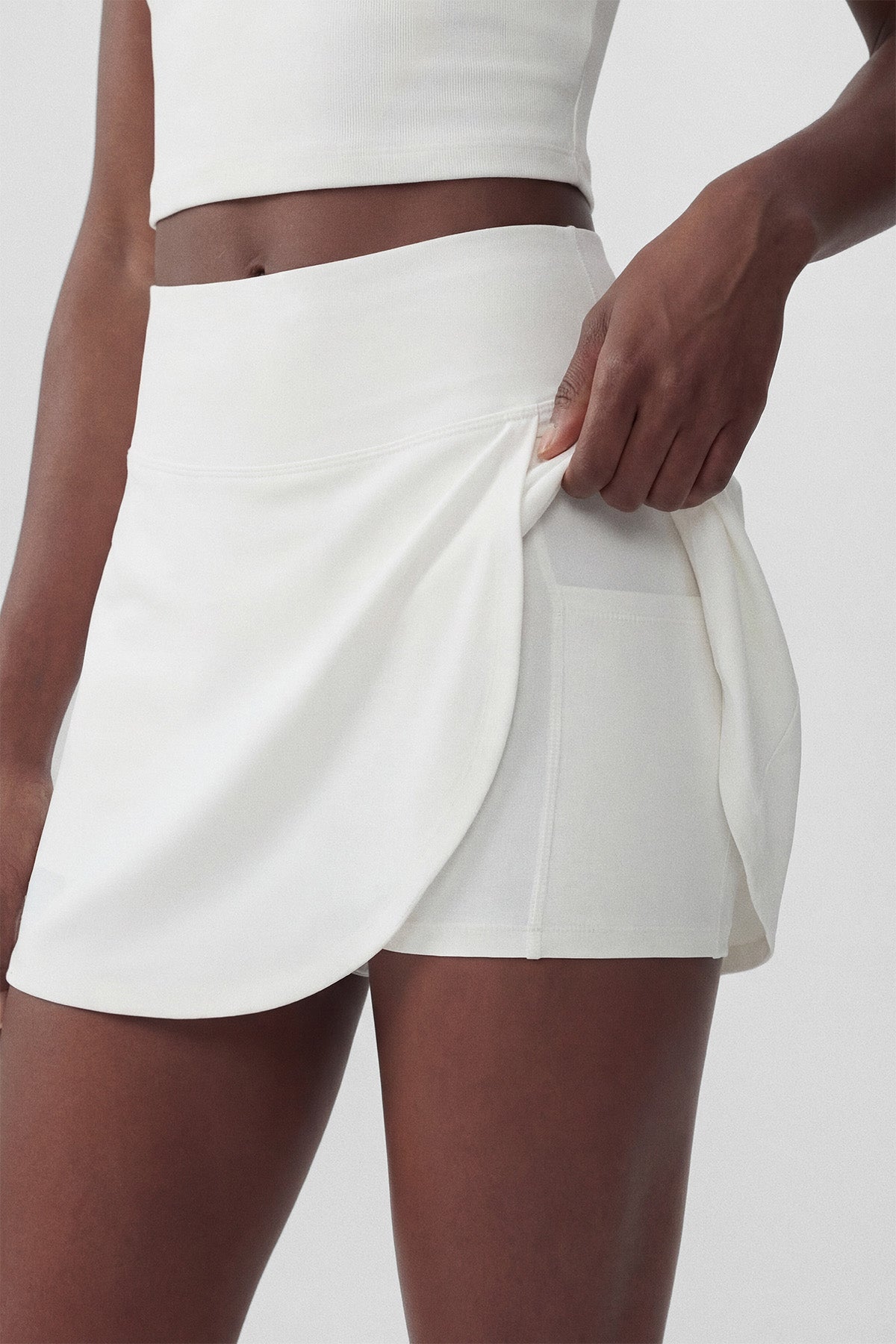
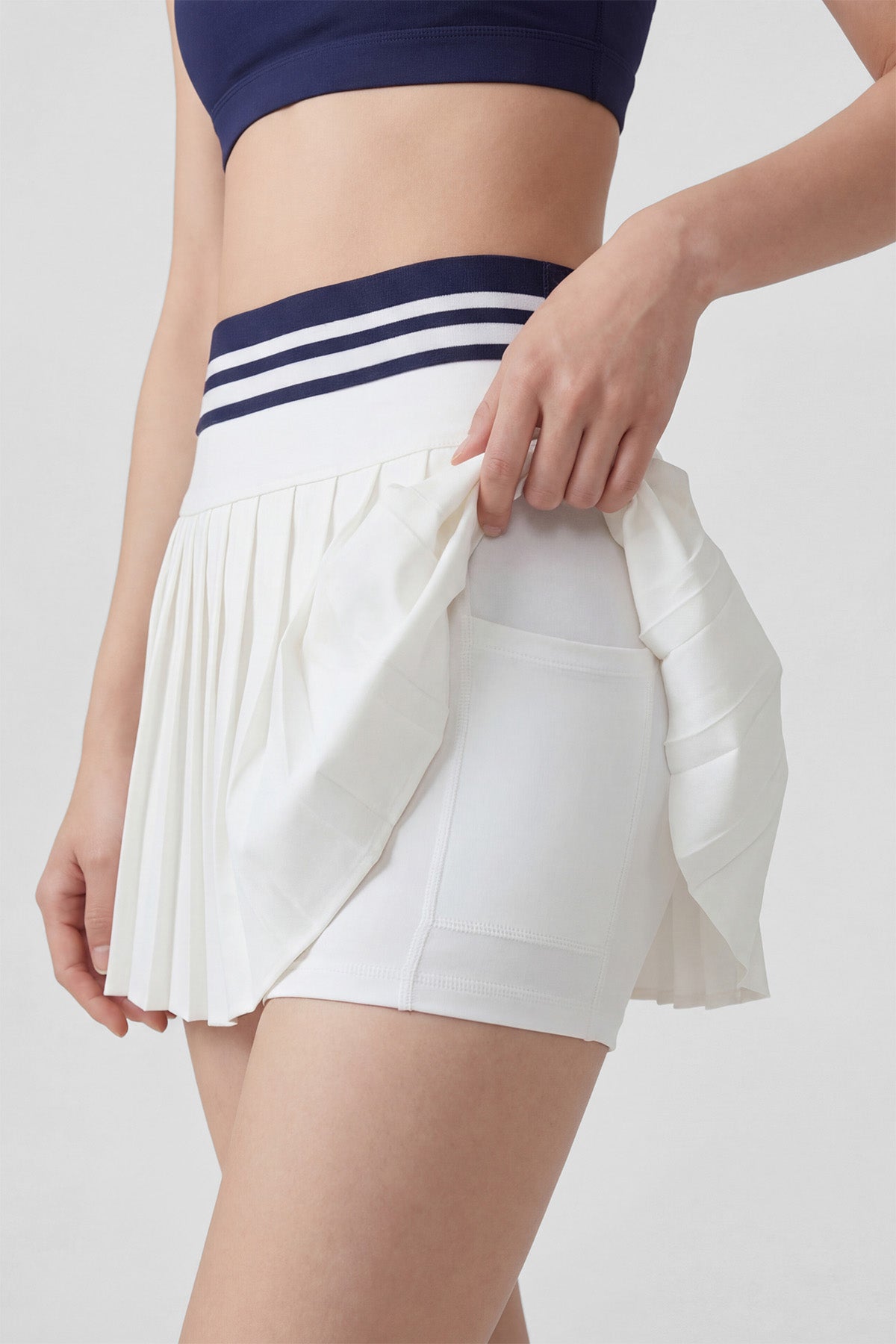
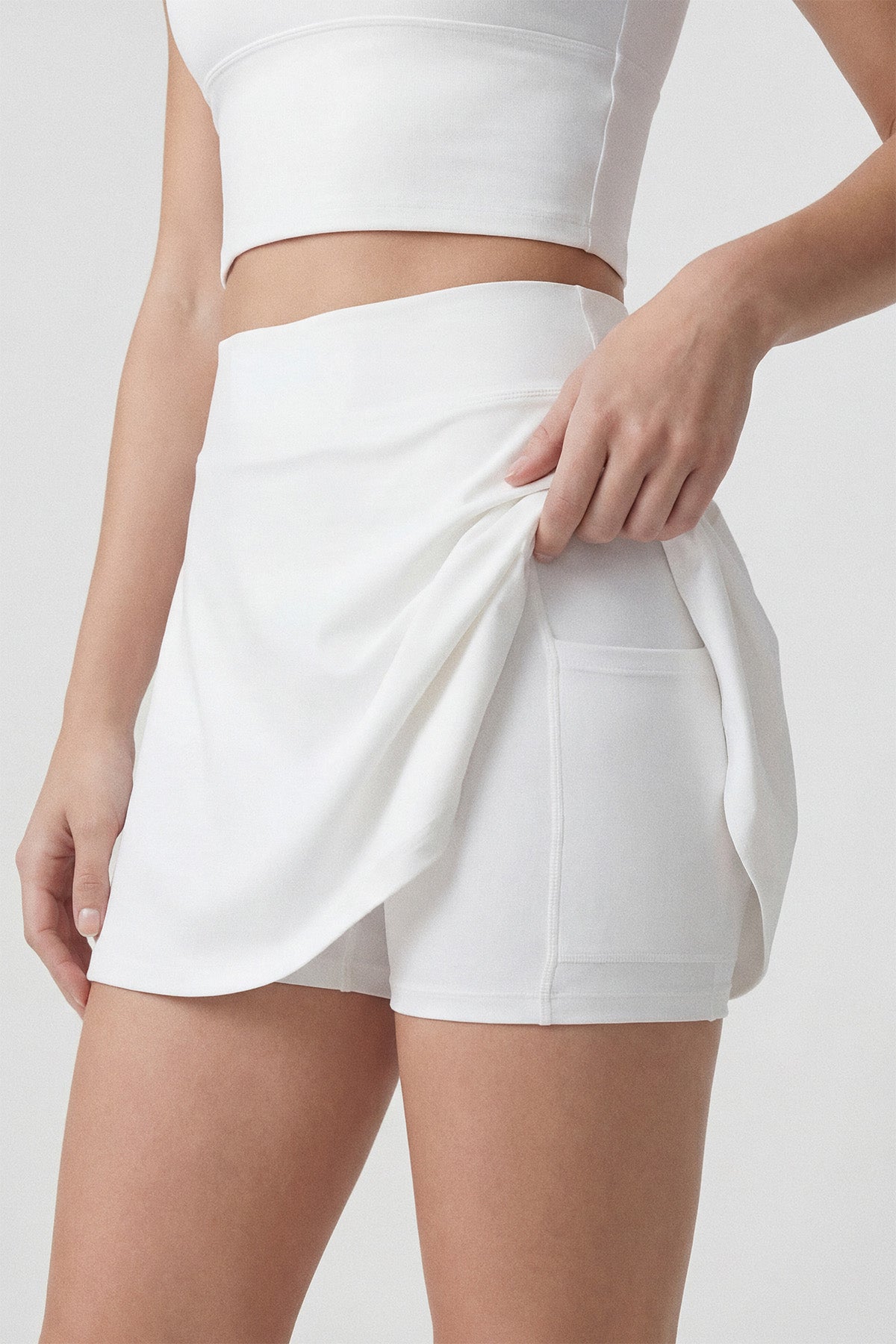
Built-in shorts are one of the most practical tennis dress features, particularly when they are treated as part of the design rather than an afterthought. They offer coverage through active movement and create the ease to focus on the point in front of you.
The most useful under-short has a supportive but comfortable waistband and a leg finish that stays in place without digging in. It should sit smoothly beneath the dress, with no bunching under the skirt. Some players prefer a closer, more compressive feel; others want a lighter layer for social sets or warm conditions. Neither is universally better. The right choice depends on your preferred coverage, the dress cut and how long you typically spend on court.
A separate short can be convenient for changing or styling, but an integrated layer usually creates a cleaner, more reliable feel during play. It also keeps the overall look intentional - one streamlined piece rather than multiple layers competing for position.
Pockets placed for the point
A pocket is only useful when it works in motion. For tennis, placement matters as much as size. Pockets built into the under-short are often the cleanest option for holding a ball between points, keeping the outer dress line uncluttered. A side pocket can also suit a key, card or mobile when you are moving between the club and the rest of your day.
There is a trade-off. A deep external pocket may be practical off court, but it can alter the drape of a dress when filled. For match play, a secure, understated pocket that keeps essentials close tends to be the more considered choice. Think about what you genuinely carry during a session, rather than choosing the largest pocket available.
Support should feel integrated, not overbuilt
A tennis dress often replaces several layers, so support through the upper body deserves close attention. Built-in shelf bras, removable bra cups and thoughtfully shaped bodices can create a more self-contained piece, particularly for players who prefer not to add a separate sports bra.
Removable cups allow for flexibility. Keep them in for a more defined finish, or remove them if you prefer your own layer underneath. The key is that the inner construction feels smooth and stable, with fabric that returns to shape after movement and washing.
Adjustable straps are equally valuable. They allow you to fine-tune the fit across the shoulder and chest, which can make a meaningful difference to how secure a dress feels on serve. Slim straps may look minimal, but they need considered placement so they do not slip or cut into the shoulder. Wider straps can offer more coverage and a more anchored feel, though they create a different visual line.
There is no single ideal level of support. A relaxed hit, doubles afternoon or club lunch may call for a lighter construction. For a more active session, many players prefer a dress with more integrated structure. Good design leaves room for that choice without losing its sense of ease.
Fabric needs to look polished under pressure
Fabric sets the tone before the first ball is hit. It should feel soft enough for all-day wear, yet purposeful enough for the demands of the court. Lightweight stretch fabric is a strong foundation because it follows movement and helps the dress retain its clean shape rather than becoming loose or heavy through a session.
Breathability is especially welcome during Australian summer play. Micro-perforation details, open-back design elements or strategically placed ventilation can bring airflow where it is most appreciated while keeping the overall finish refined. These details work best when they are integrated into the silhouette, not added as a visual distraction.
Opacity matters, too. A dress should feel considered across different lighting and movement, particularly in lighter colours. The same applies to the inner short: it should provide the coverage you expect without feeling thick or cumbersome.
Colour and finish also influence versatility. Clean whites, deep navy, black and considered seasonal tones can move easily from court to clubhouse, especially when the fabric maintains a smooth, elevated appearance. A tennis dress earns a longer place in your wardrobe when it feels as appropriate with a knit over the shoulders as it does with a racquet in hand.
The details that make a dress feel like your uniform
The strongest tennis dresses balance sport-specific decisions with a clear point of view. A neat neckline, restrained branding and a flattering waist placement can be just as relevant as pockets or built-in shorts, because they determine whether you feel like yourself in the piece.
Consider the pieces you already reach for. If you prefer a pared-back wardrobe, a minimal dress with adjustable straps and clean lines will likely work harder than a highly detailed style. If you play across tennis, padel and golf, look for a silhouette that carries comfortably across each setting, while recognising that a feature useful for one sport may matter less in another. Tennis players may prioritise ball storage; golfers may be more focused on length, layering and easy movement through a full round.
Care is another quiet part of the equation. Pieces that retain their shape, have dependable inner construction and are simple to wash become the ones you pack without thinking. Premium design is not only about the first impression. It is about how a dress continues to feel after regular wear.
At Common Player, the idea is a new court uniform: feminine, functional and refined enough to wear beyond the baseline. That does not mean every player needs the same dress. It means choosing a piece with details that serve your game and a silhouette you will be glad to put on again.
A well-chosen tennis dress should leave your attention where it belongs: on the ball, the next point and the pleasure of playing well.
Read more
Removable bra cups activewear offers adjustable coverage for tennis, padel and golf. Learn what to look for in a refined, match-day fit on match day.
Adjustable strap tennis tops bring a considered fit to match day, with support, clean lines and freedom to move through every serve and rally on court.