


A golf wardrobe used to ask women to choose: look polished or feel ready to play. In 2026, that compromise feels dated. Ask what's the new standard for golf apparel in 2026, and the answer is clear: considered pieces that move through a full round with ease, hold their shape and composure, and still feel right when the scorecard is signed.
This is not about making golf clothing louder, busier or more trend-led. It is about raising the expectation. The modern player wants purpose in every detail, from the placement of a pocket to the line of a collar. She wants a wardrobe that respects the game and reflects her own sense of style.
The new standard for golf apparel in 2026 is considered performance
Golf has always had a visual language. There are club standards to consider, long days in shifting conditions, and the quiet confidence that comes with arriving on the first tee feeling put together. But the old formula of boxy polos and purely practical layers no longer serves every player.
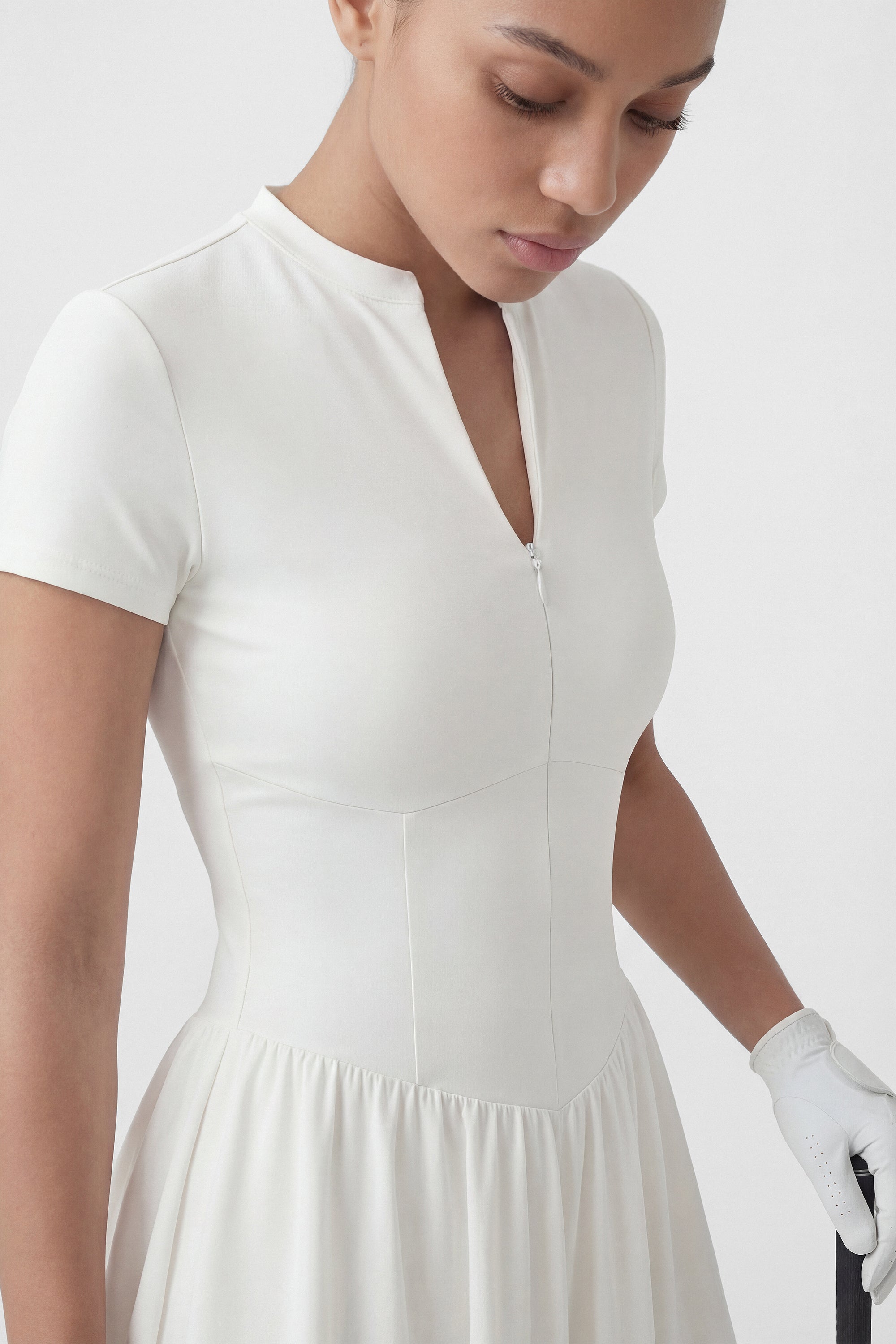
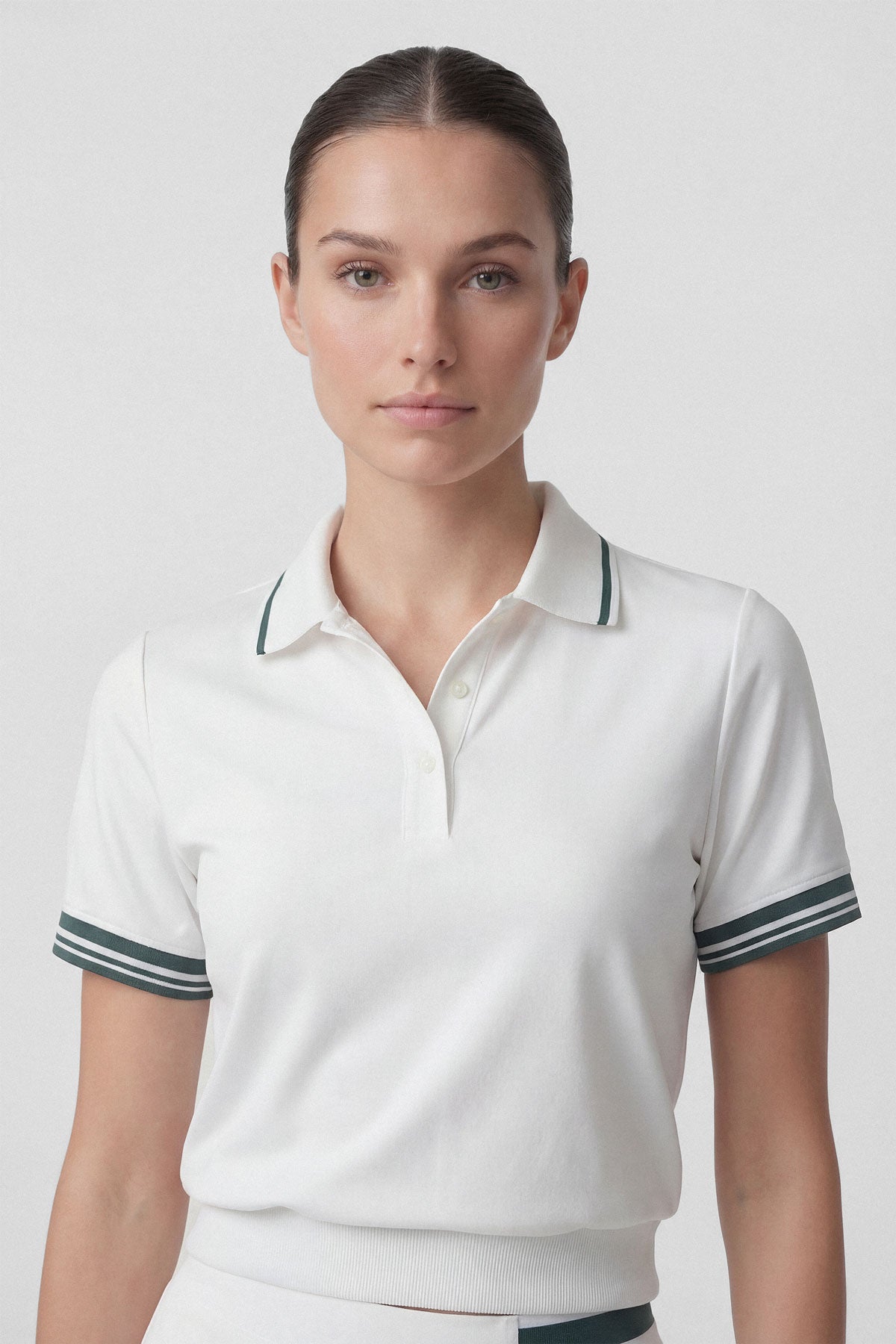
The new standard starts with function that has been designed in, rather than added on. A skirt should allow a complete swing without constant adjustment. A dress should offer the coverage and support required for a round, not simply resemble something sporty. A polo should feel clean and elevated without becoming stiff or restrictive through the shoulders.
That distinction matters. Fashion-led activewear can look convincing before play, then reveal its limitations by the ninth hole. Traditional golf clothing may meet the brief technically, yet feel disconnected from how women dress beyond the course. The strongest pieces sit between those two extremes: refined enough for the clubhouse, practical enough for the fairway.
Fit is no longer an afterthought
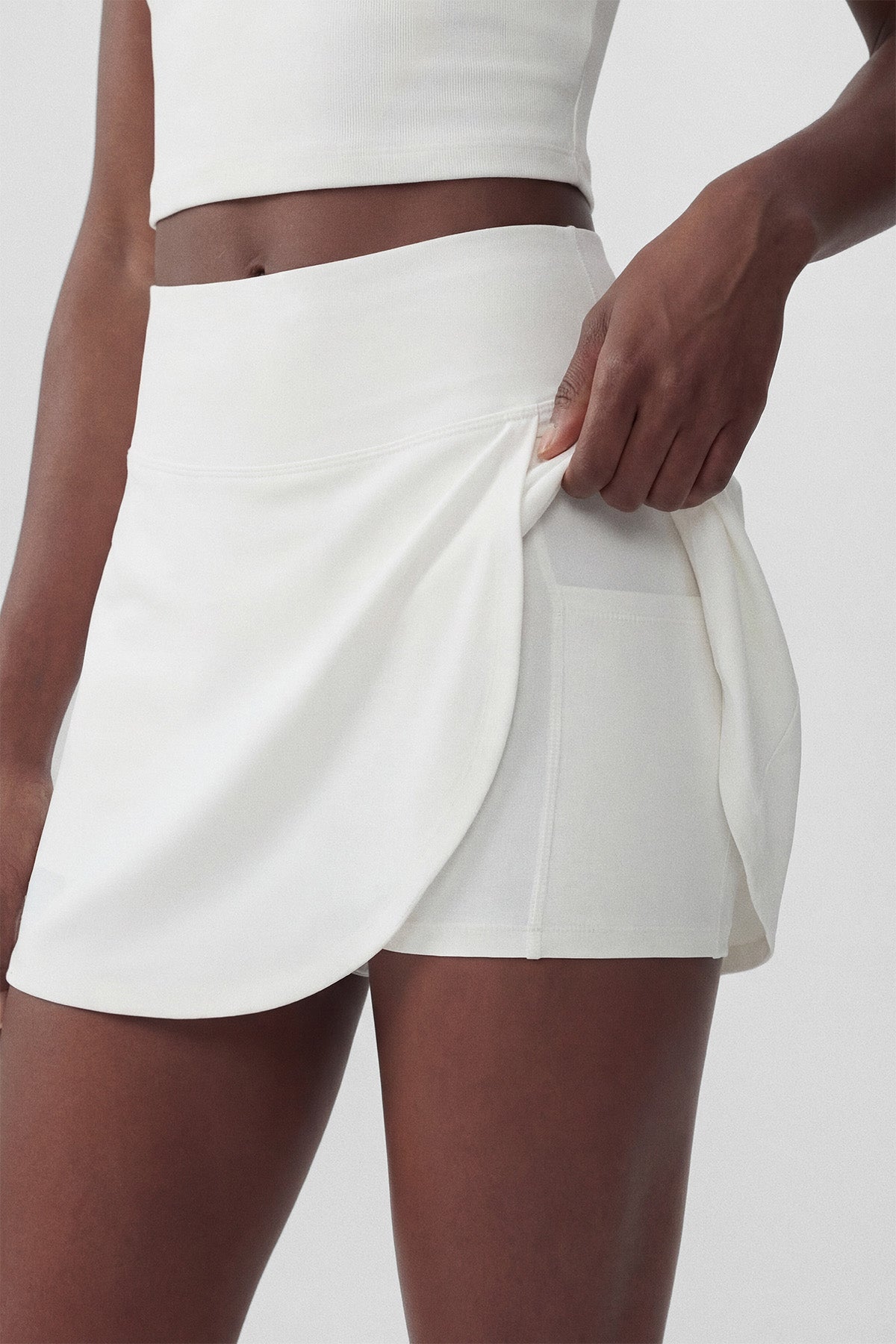
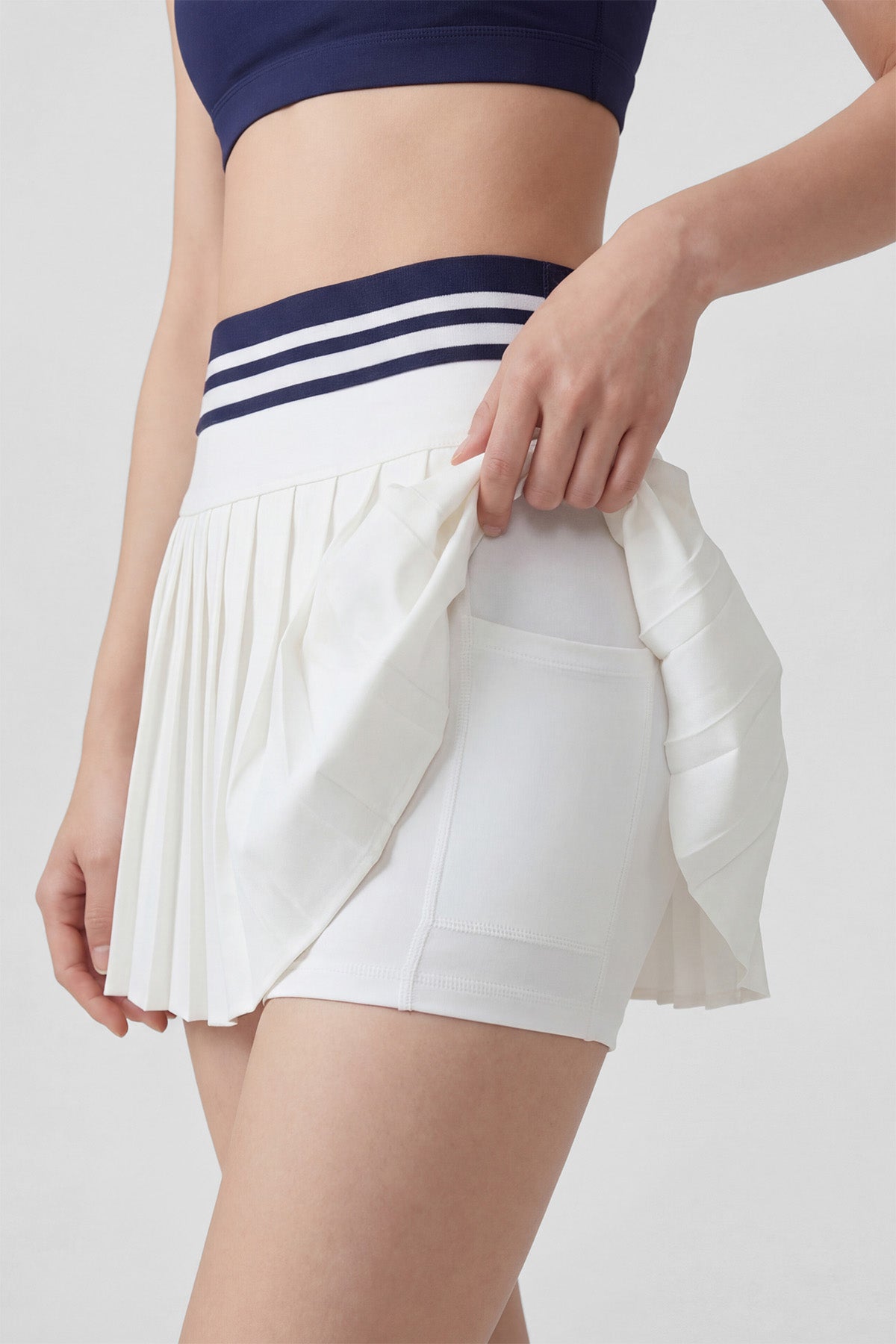
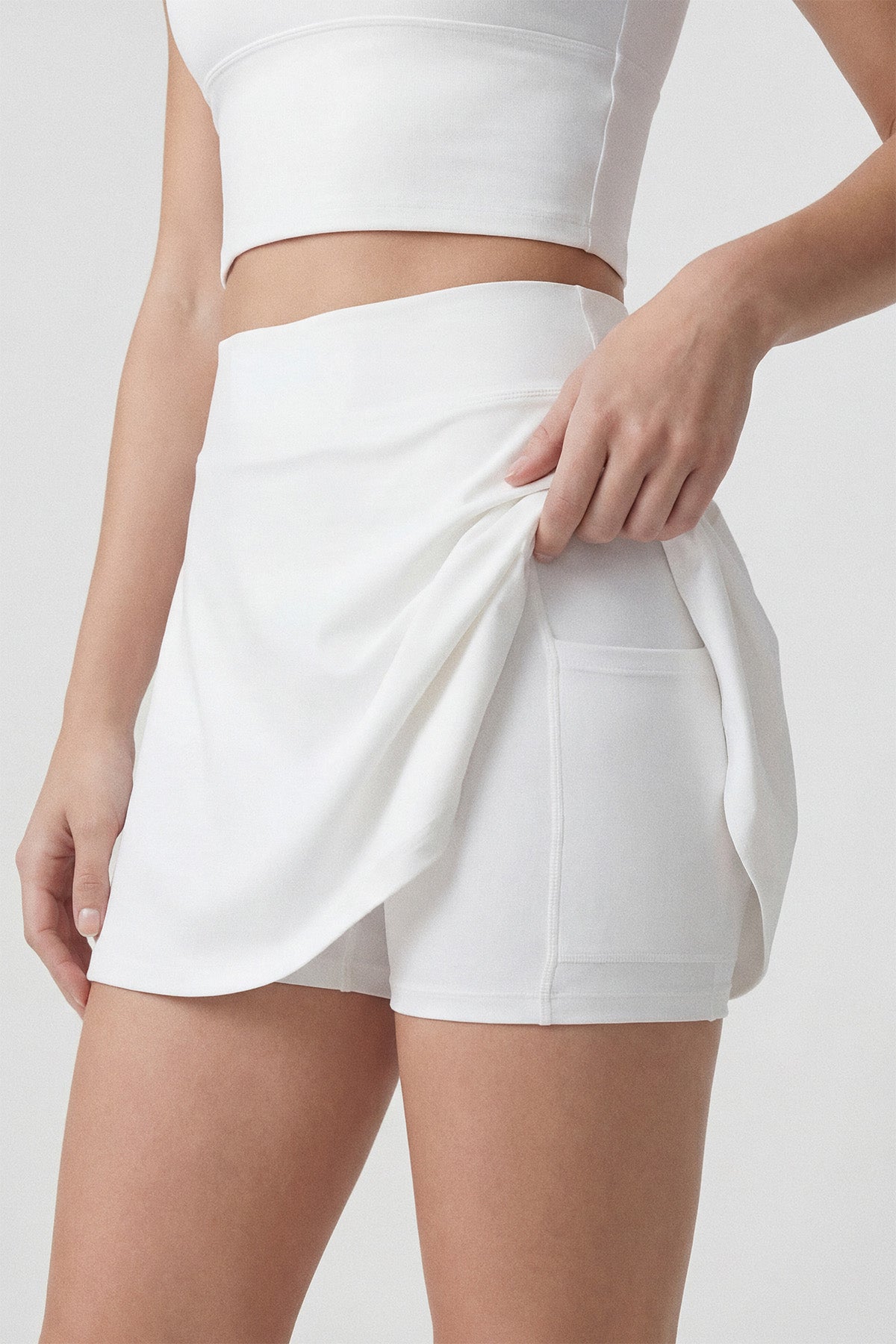
A flattering fit is not the same as a tight fit. In golf apparel, the goal is proportion, ease and confidence through movement. High-waisted skirts and skorts can create a clean, secure silhouette while allowing the top to sit neatly. Adjustable straps let a dress feel more personal, particularly over a long day where comfort becomes as important as appearance.
The best fit also considers what happens in motion. A garment may look perfect standing still, but golf asks for rotation, reach, bending and walking. Thoughtful construction gives the wearer room to move without excess fabric, pulling seams or a hem that needs attention after every shot.
This is where a more edited wardrobe earns its place. Rather than collecting separate outfits for every occasion, players are choosing a small rotation of pieces with reliable cuts - silhouettes they know will feel composed from warm-up to the last putt.
Technical details should feel discreet
In 2026, performance details are expected. They should also be almost invisible in the finished look.
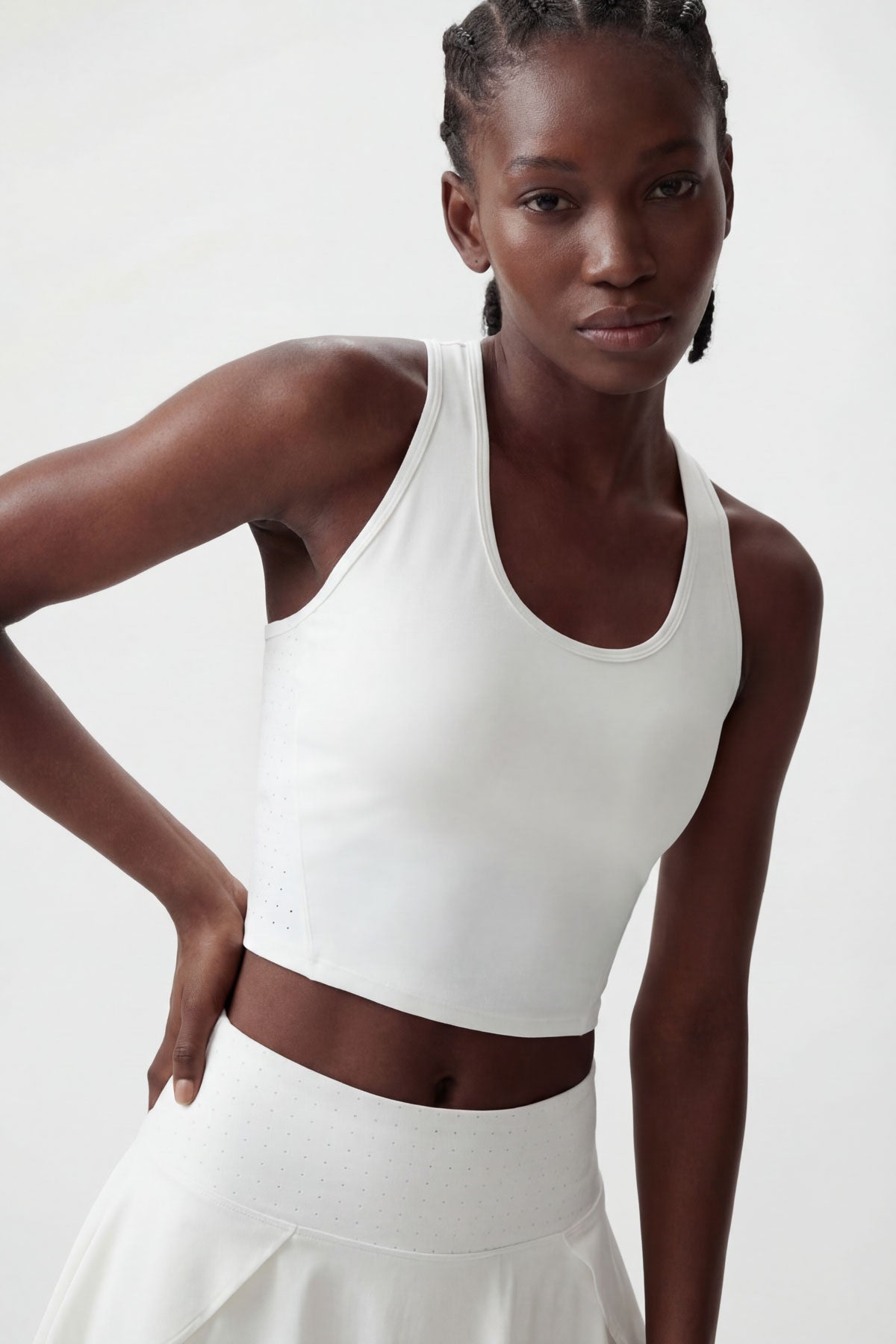
Built-in shorts are a useful example. They offer practical coverage beneath a skirt or dress, but the garment should still read as sleek rather than over-engineered. Side pockets matter too, particularly when they are positioned to hold a tee, ball marker or mobile without disrupting the line of the piece. Removable bra cups, breathable micro-perforation and light, smooth fabrications all have a role to play when they support the experience without turning the outfit into a technical display.
The same principle applies to layers. A polished long-sleeve top or lightweight outer layer should be easy to take on and off as conditions change, while still working with the rest of the outfit. It is less about carrying an outfit for every forecast and more about selecting pieces that work together intelligently.
There is a trade-off, of course. The lightest fabric is not always the best choice for every player or every course. A breezy coastal morning, a humid summer round and a crisp winter tee time ask different things of a wardrobe. The new standard is not one universal fabric or silhouette. It is choosing the right level of coverage, structure and breathability for the day ahead.
A more refined course uniform
The rise of golf as part of a broader social and sporting life has changed how women approach course style. A round may begin with a driving-range session, continue through 18 holes and end over lunch. Apparel needs to feel appropriate throughout without needing a complete change in the car park.
This does not mean treating golf as a fashion backdrop. The game comes first. It means recognising that functional clothing can also have a point of view. Clean neutrals, grounded tones and crisp, considered colour can create a wardrobe with longevity. Minimal branding and streamlined finishes allow the wearer, rather than the garment, to set the tone.
A cohesive palette also makes getting dressed easier. A well-cut polo can pair with a tailored skort or a simple skirt. A sport dress can stand on its own with a considered visor, cap or lightweight layer. When every piece shares a similar design language, there is less need to overthink the outfit before an early tee time.
For brands such as Common Player, that idea is central: sport-specific clothing can be designed with a more elevated sensibility, without losing the practical details a player actually relies on.
The dress has earned its place
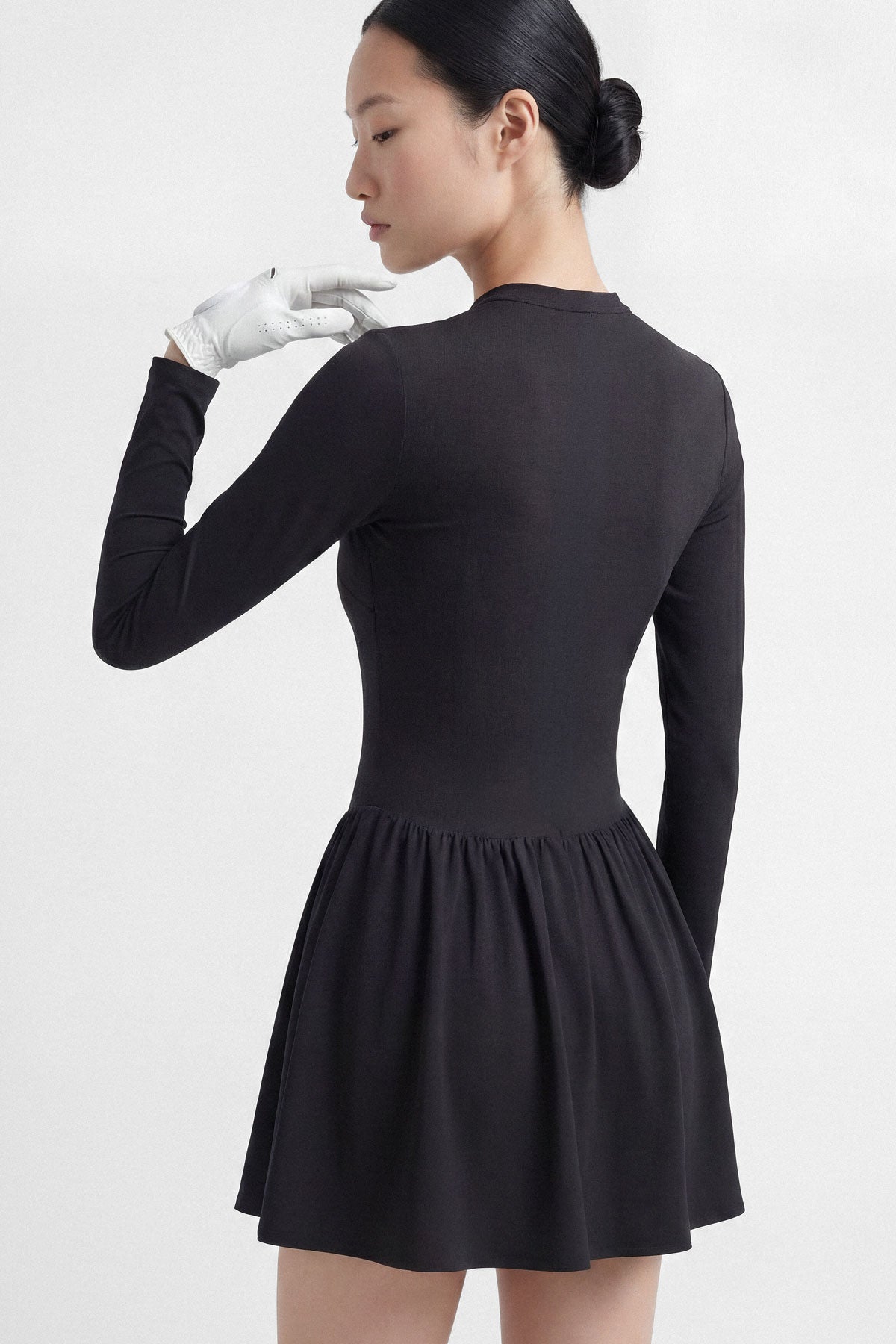
The golf dress is no longer a novelty piece reserved for a particular kind of course or player. When it is designed properly, it is one of the most efficient options in a golf wardrobe. It creates an immediate, finished look and removes the need to coordinate separate pieces, while built-in shorts and carefully placed pockets retain the functionality required for play.
Its success depends on the details. The length needs to suit the player and club environment. The neckline and straps should feel secure through a swing. The fabric should have enough structure to maintain its shape, while remaining comfortable across a long walk.
Not every round calls for a dress, and that is part of the point. A skort and polo may suit a more traditional club day, while a dress can feel ideal for a casual midweek game or a round that leads into plans afterwards. A modern golf wardrobe offers options without losing visual consistency.
What to look for when building a 2026 golf wardrobe
Start with the conditions you actually play in, not an imagined version of golf. Consider whether you walk most rounds, carry a bag, play during peak summer, or spend more time at the range than on the course. Your answers should guide fabric weight, layering and the amount of storage you need.
Then focus on the pieces that do the most work. A refined polo, a reliable skort, a versatile dress and a lightweight layer can cover a surprising amount of ground. Look closely at the features that affect your day: built-in shorts that stay in place, pockets that are usable, waistbands that feel secure, and straps or closures that can be adjusted to your preference.
Finally, choose a visual direction you will want to wear repeatedly. The most useful golf apparel does not depend on a fleeting print or a novelty detail. It feels current because the cut is clean, the colour is considered and the function is resolved.
Golf style is becoming more personal
The most welcome change in golf apparel is not a single garment. It is the growing expectation that women should not have to dress around limitations that were never designed with them in mind.
In 2026, the new standard is clothing made for modern performance and modern life: polished, purposeful and comfortable in motion. Choose pieces that let you focus on the shot in front of you, then carry yourself with the same quiet confidence well beyond the 18th.
Read more
Learn how to choose sports polos for tennis, padel and golf, balancing fit, fabric, movement and a polished finish on and off court. for match days too.
Do golf skirts have pockets? Learn where pockets sit, what they hold and how to choose a polished golf skort made for modern play through every round.