


Are Tennis Dresses Practical for Match Day?
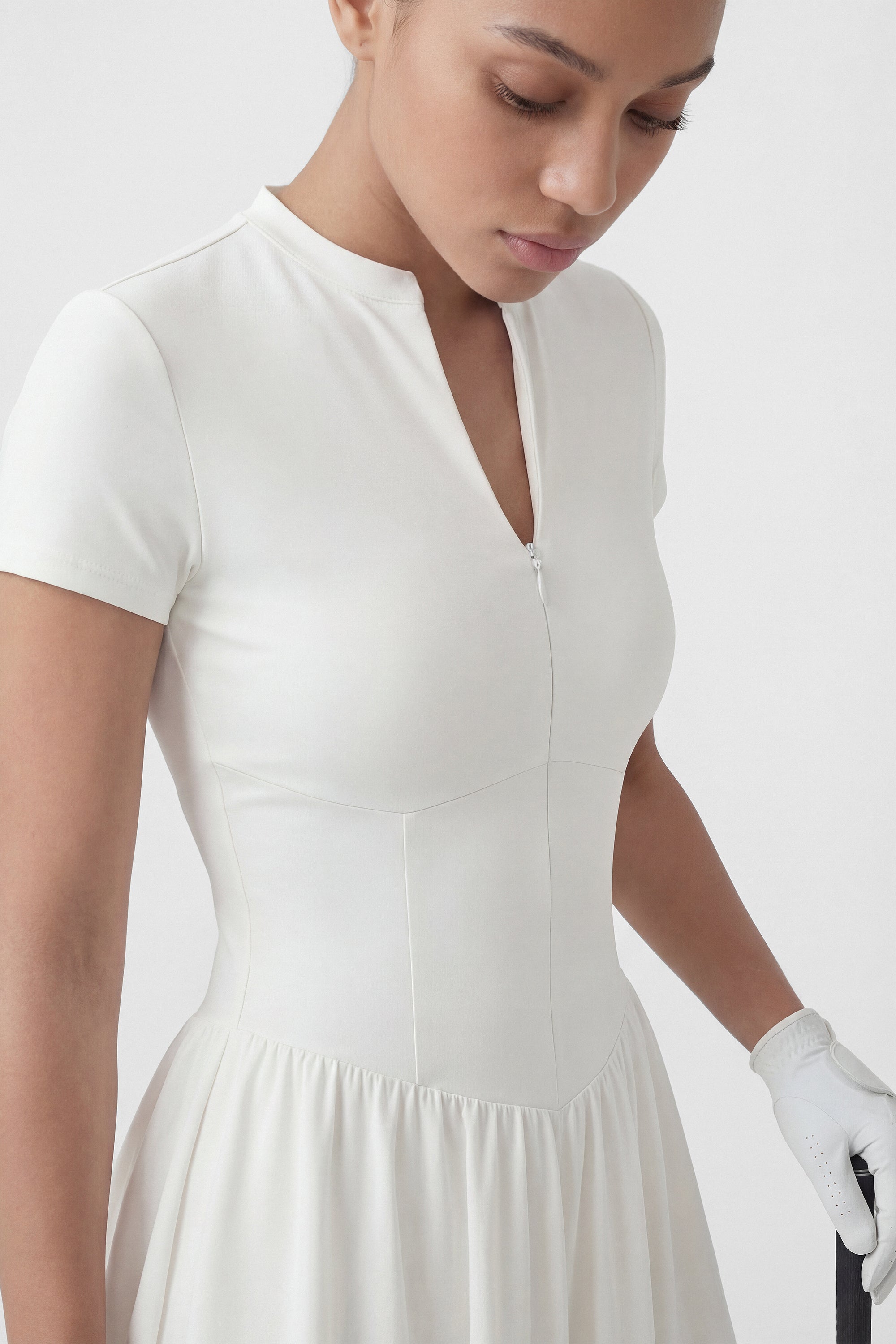
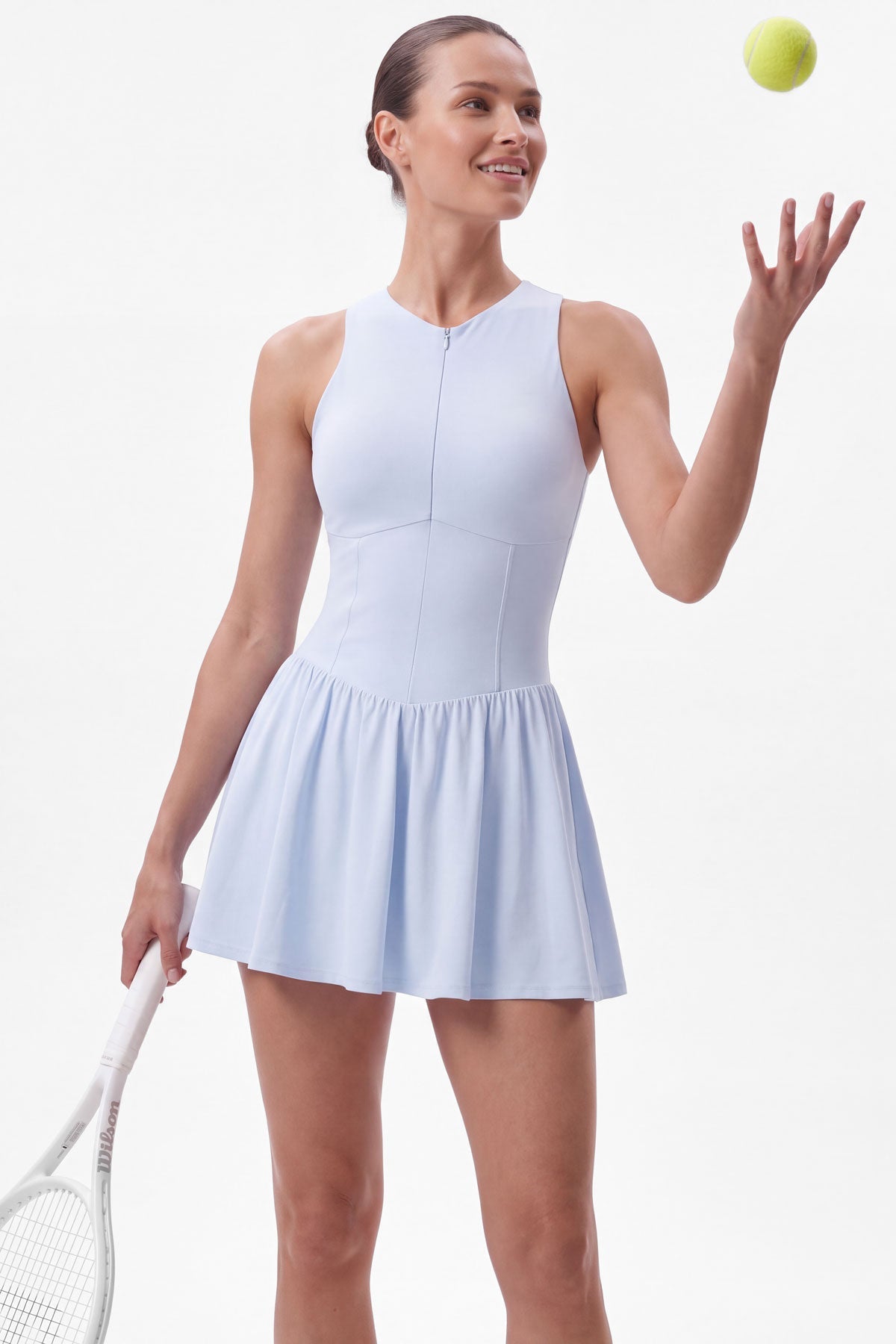
A tennis dress can look considered before the first ball is struck. The real test comes later: serving overhead, chasing a short ball, sitting down between games and reaching for a second ball without breaking focus. So, are tennis dresses practical? The right one is. But practicality is designed into the details, not simply the silhouette.
For players who want a cleaner alternative to a separate top and skirt, a well-made tennis dress offers ease, coverage and a refined line in one piece. For those who rely on specific support, need generous ball storage or prefer to adjust layers as conditions change, the choice deserves a closer look.
What makes a tennis dress practical?
A tennis dress is practical when it works with your game rather than asking you to manage your outfit. It should stay composed through serves, sprints, lunges and quick changes of direction, while giving you a place for essentials and enough confidence to concentrate on the next point.
That makes the dress itself only one part of the equation. The construction underneath matters just as much. Built-in shorts, a supportive internal layer, considered pocket placement and fabric that feels light during a long set are what turn a fashion-led shape into match-day apparel.
Built-in shorts make the difference
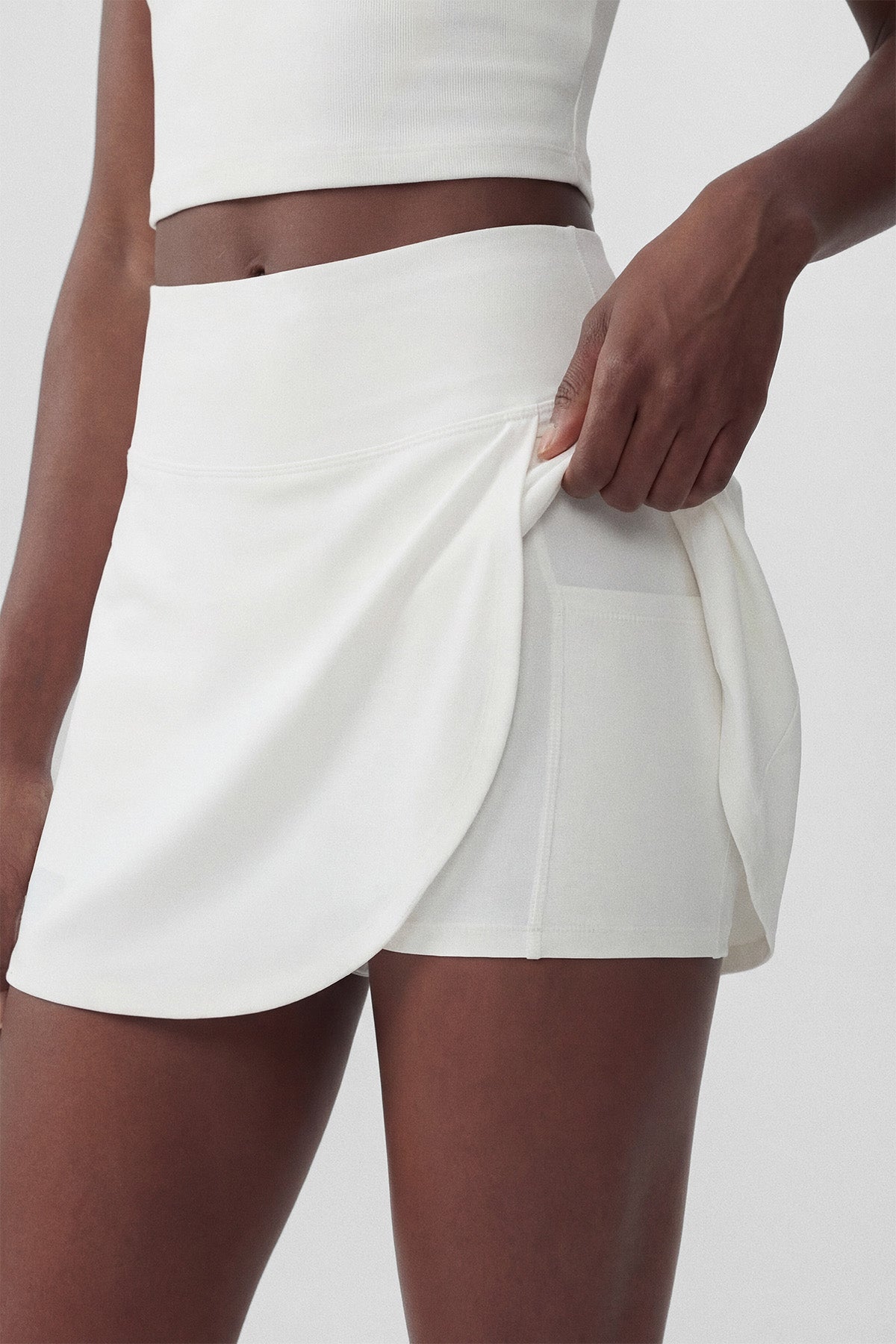
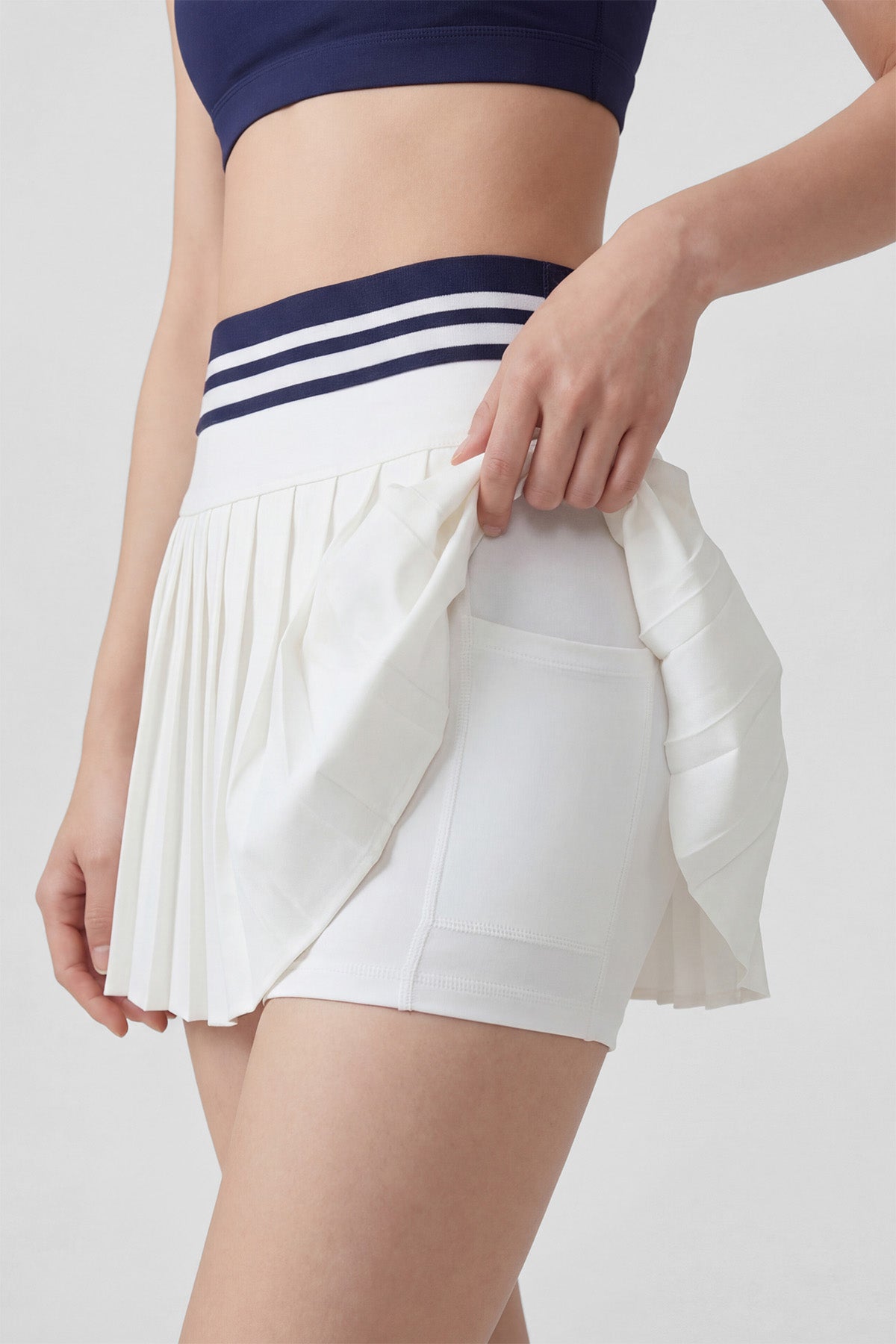
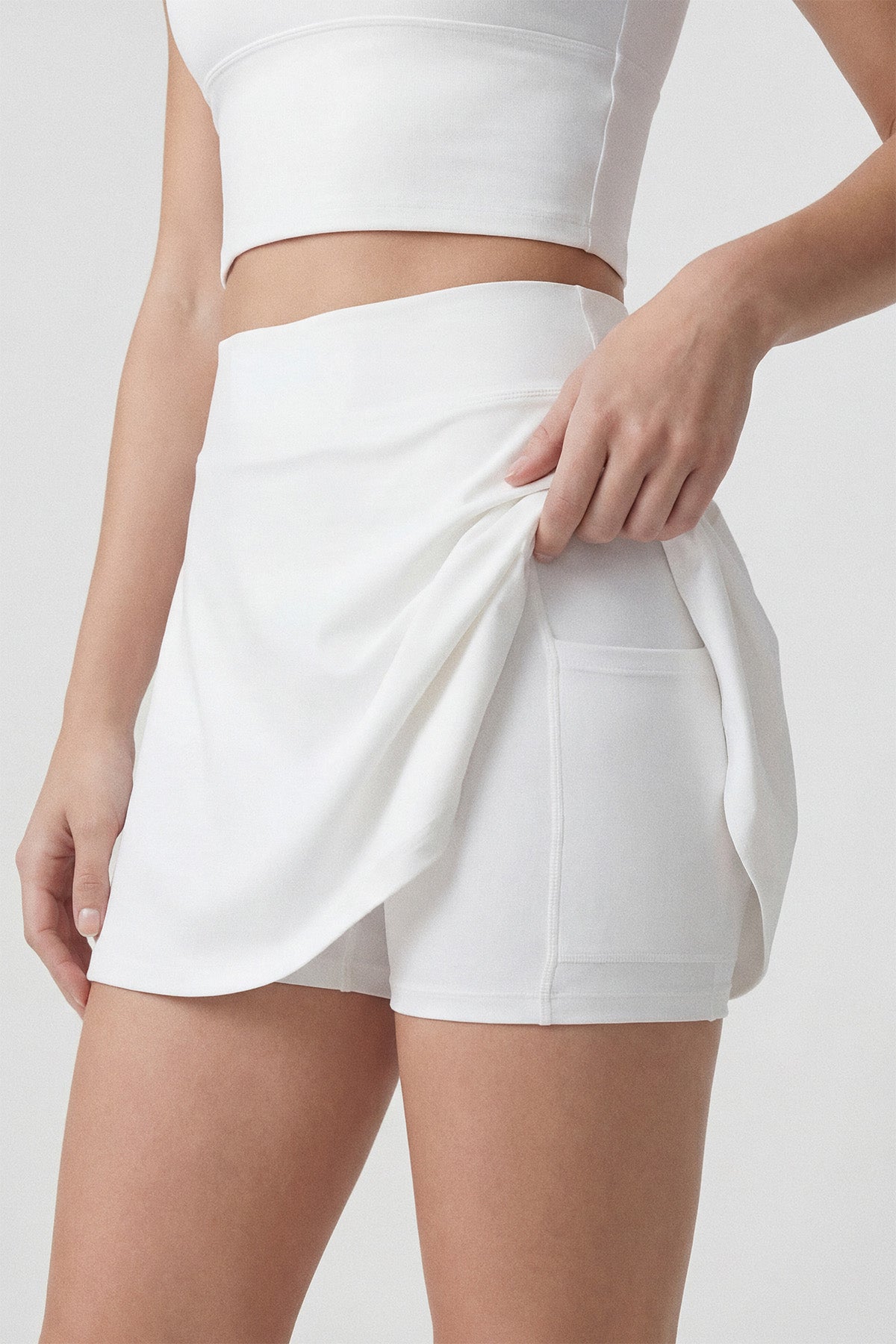
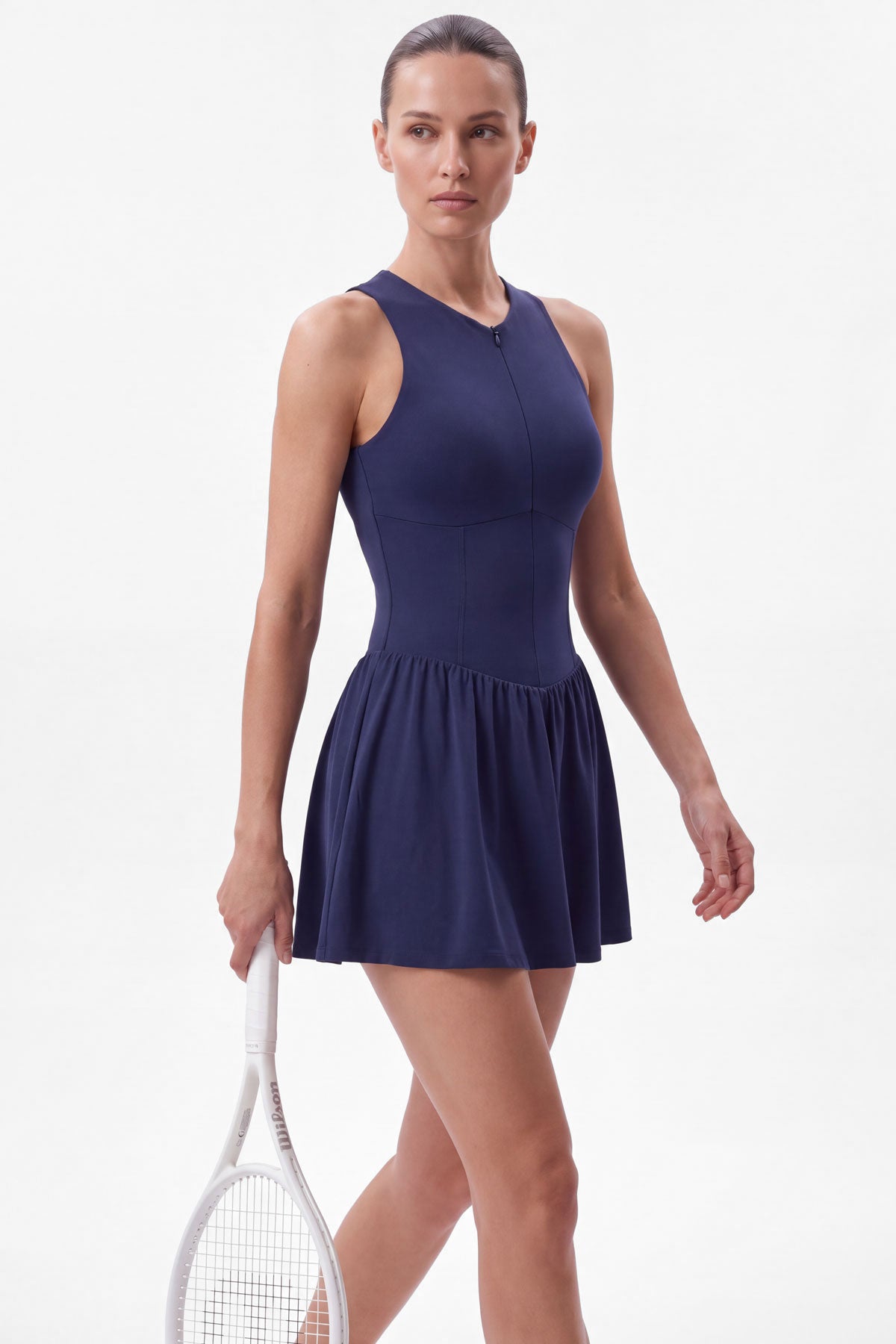
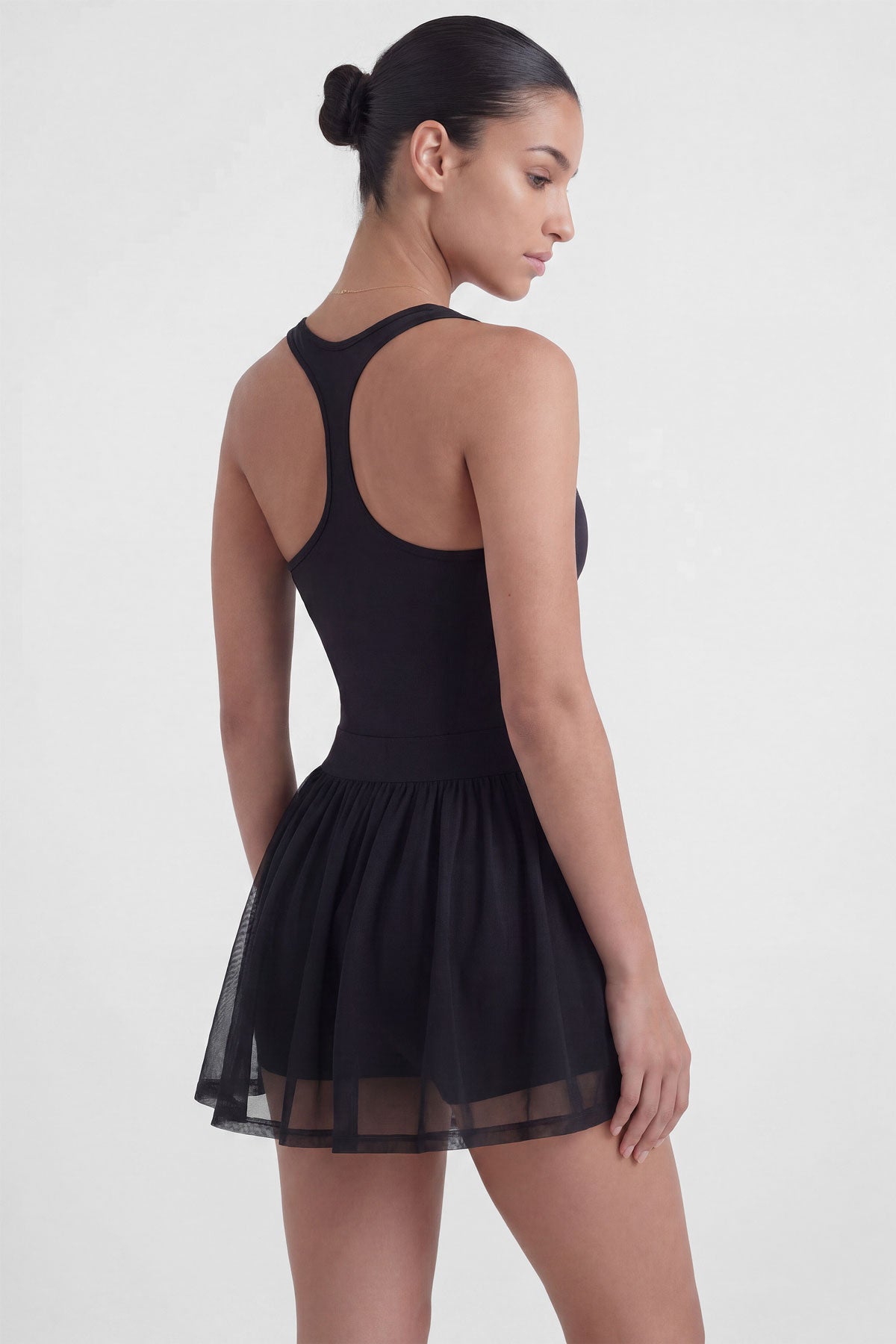
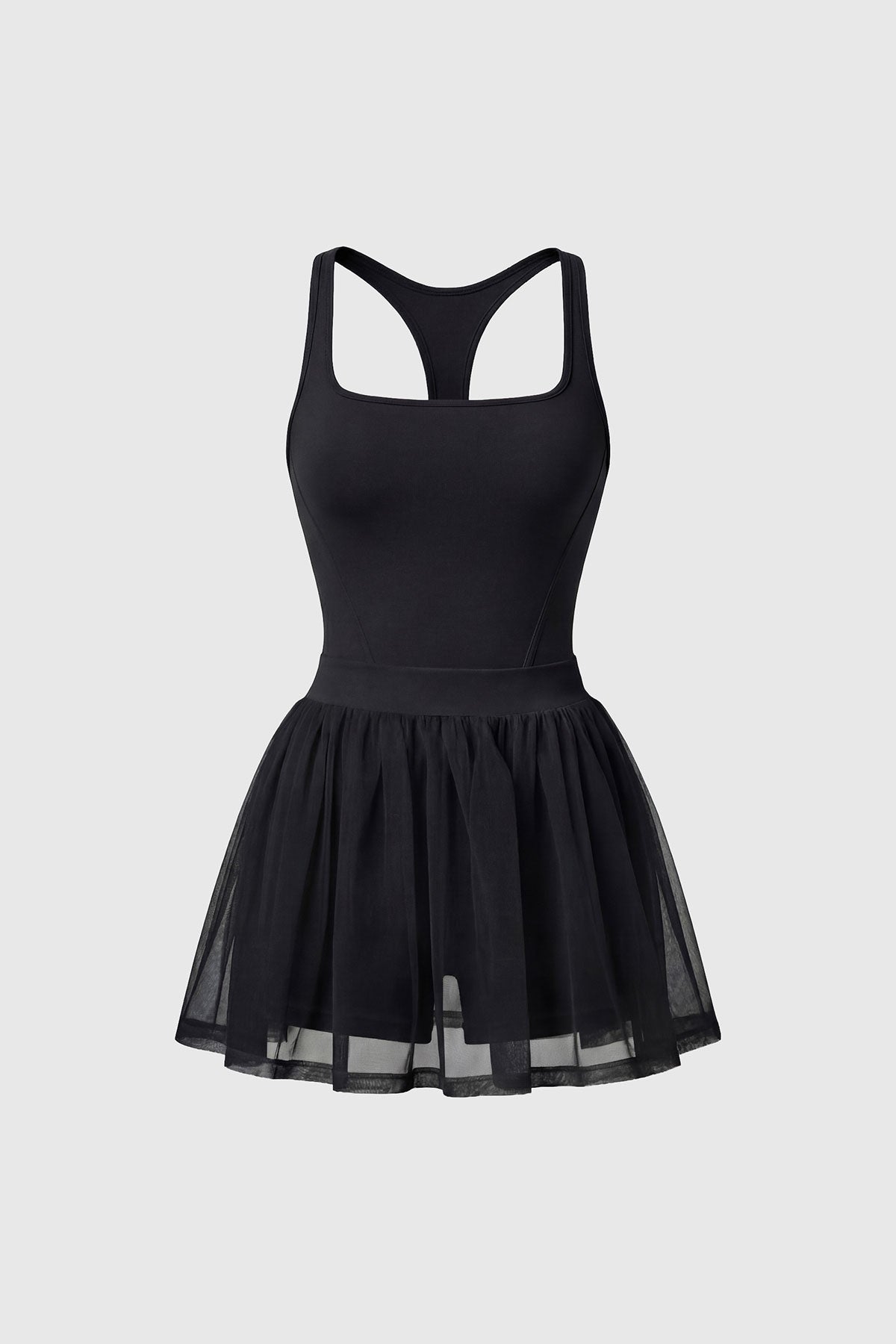
A dress with integrated shorts creates the coverage many players expect from a skirt or skort, without adding the visual bulk of separate pieces. The shorts should move independently enough to support a deep lunge or wide stance, yet sit smoothly beneath the dress so they do not bunch or pull as you play.
They also make the day easier beyond the baseline. You can walk from the car park to the court, collect a coffee after a social hit or stay for a club lunch without needing to change straight away. That is a small but meaningful advantage when sport is part of a full day rather than a standalone appointment.
Not every built-in short is equal. A short inseam can feel minimal and polished, while a slightly longer option may suit players who prefer more coverage. The best choice is the one you forget you are wearing once the warm-up ends.
Pockets are not an afterthought
Tennis is one of the few sports where a pocket has a very specific job. A useful pocket needs to hold a ball securely enough for a second serve, without changing the line of the dress or creating a distraction during movement. Side pockets built into the inner shorts are often the most discreet solution.
For a casual lesson or a doubles set, one ball may be enough. During a more focused session, consider whether the pocket placement lets you retrieve it naturally with your non-racquet hand. If you dislike carrying balls on your body at all, a dress can still work beautifully, but its pocket design becomes less decisive.
Fit should allow a full range of movement
Tennis asks for more than forward motion. You rotate through groundstrokes, reach high on serve, recover backwards for a lob and drop low to change direction. A practical dress needs room through the shoulders and upper back, a skirt shape that does not restrict the legs, and a waist that feels secure without feeling fixed.
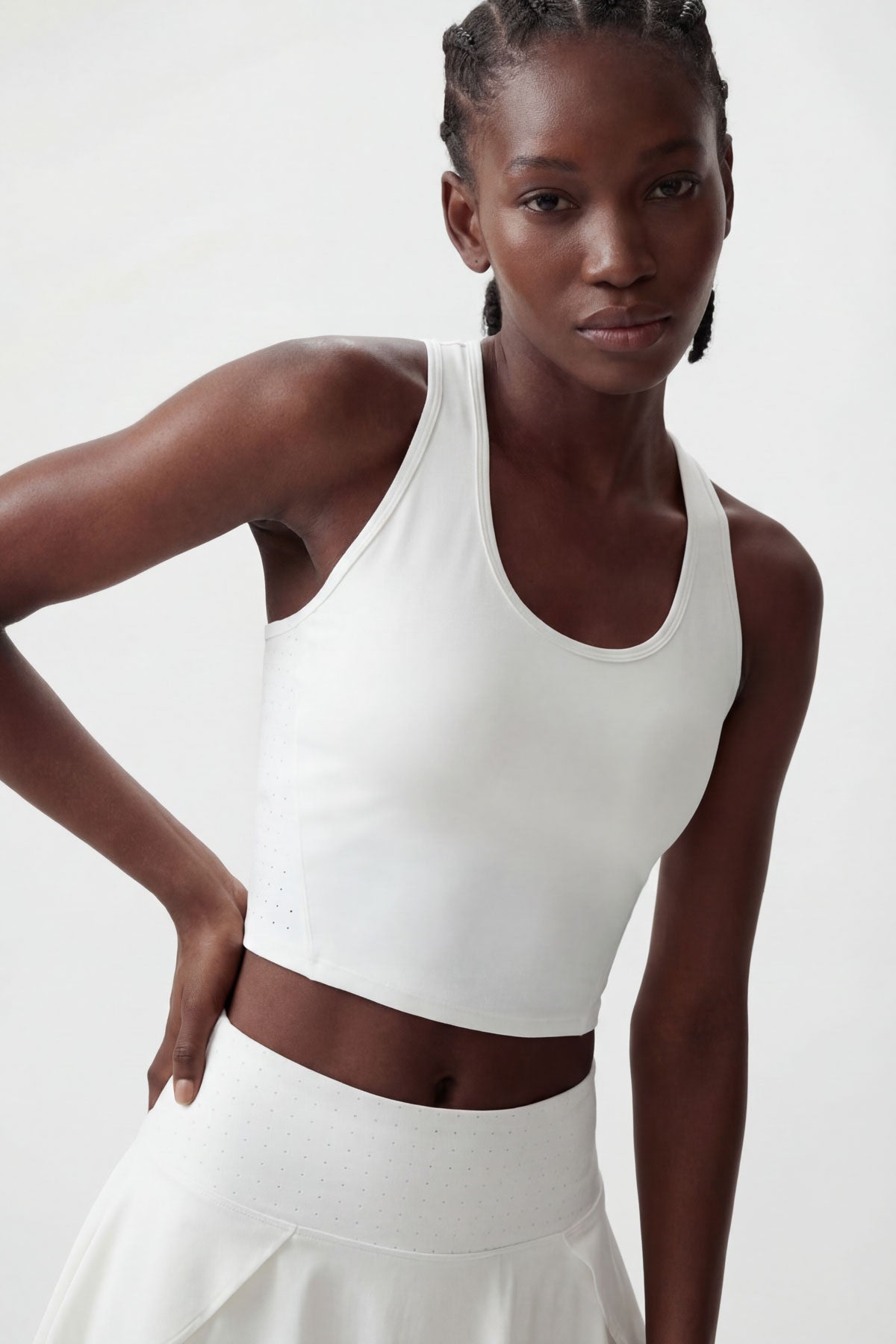
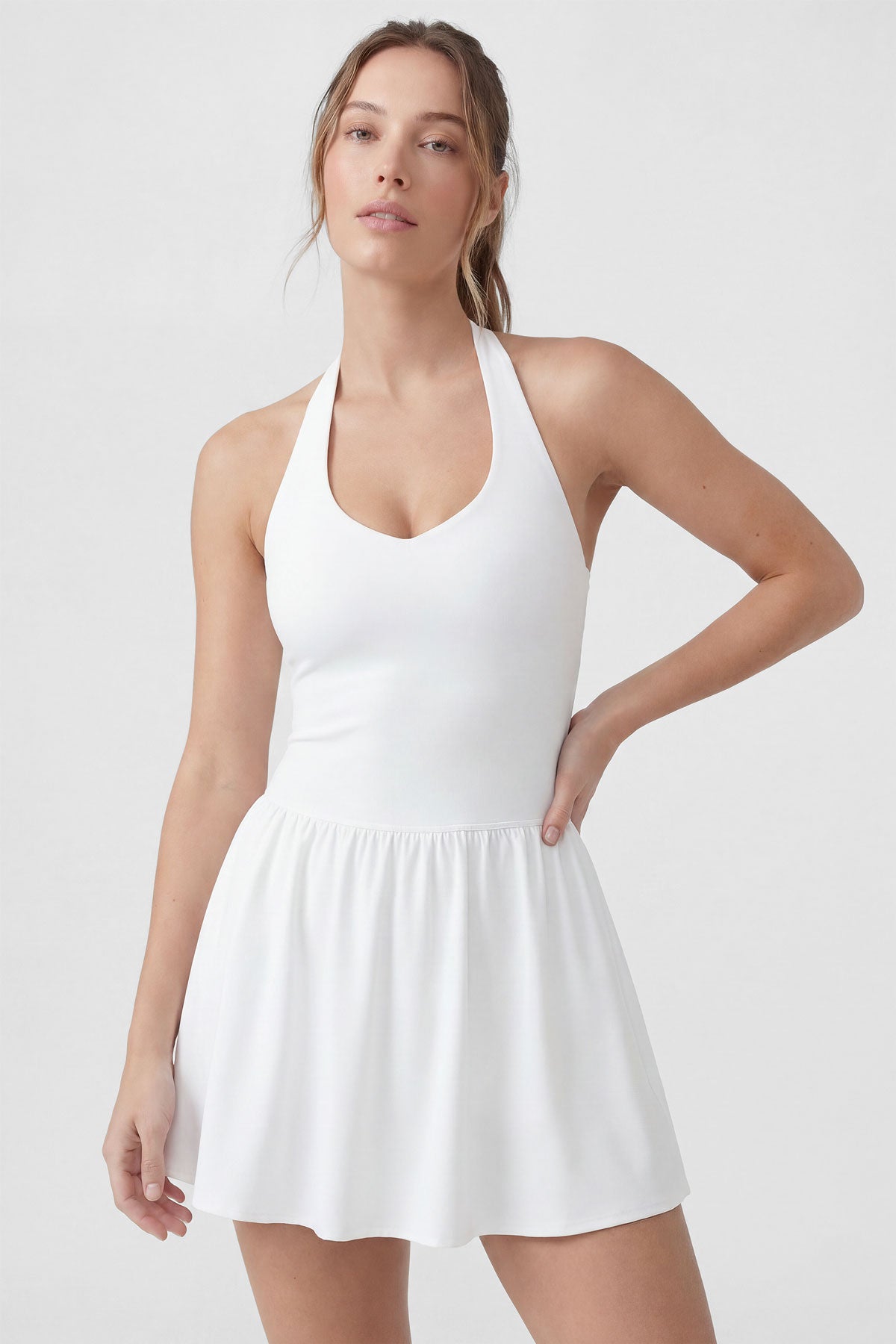
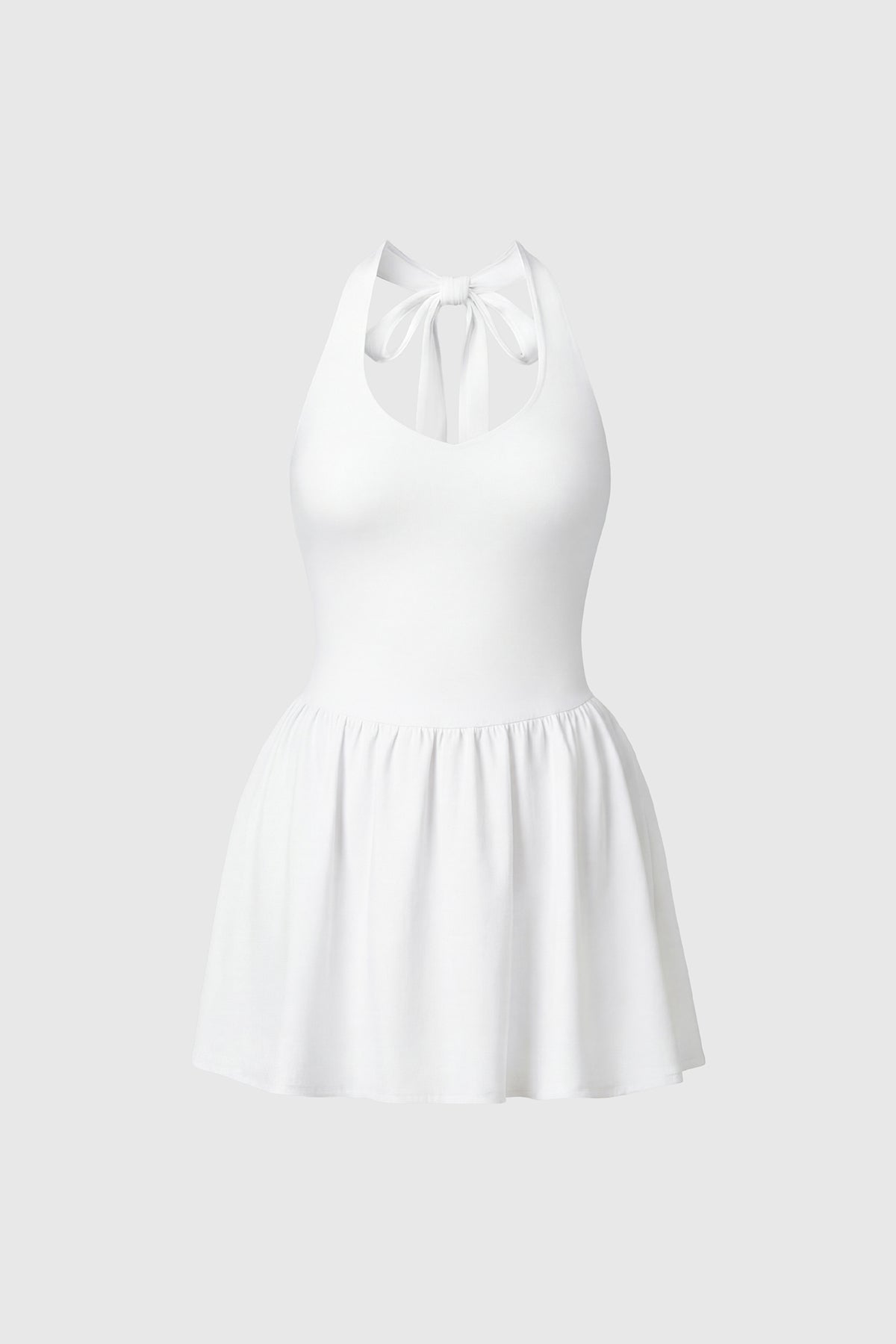
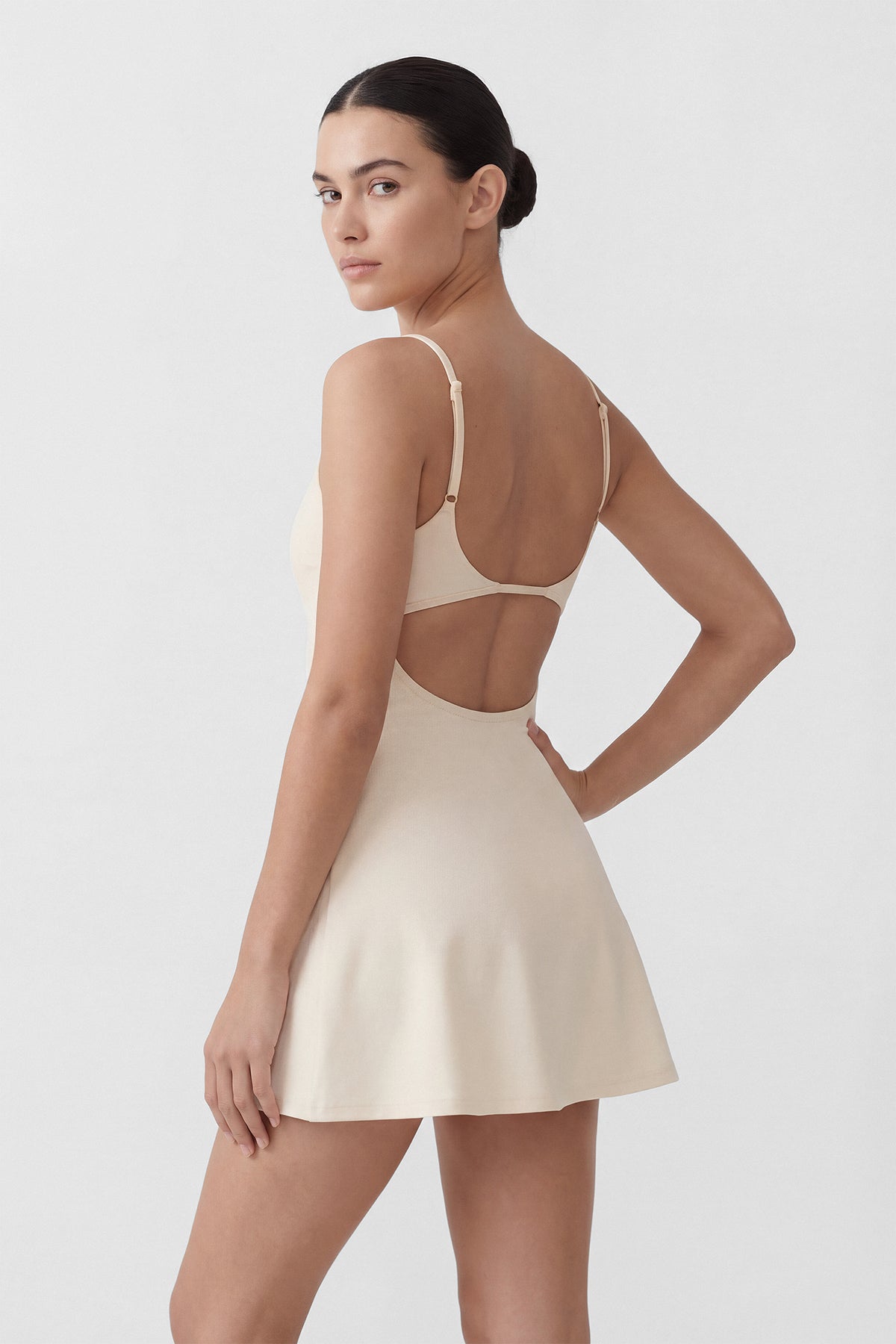
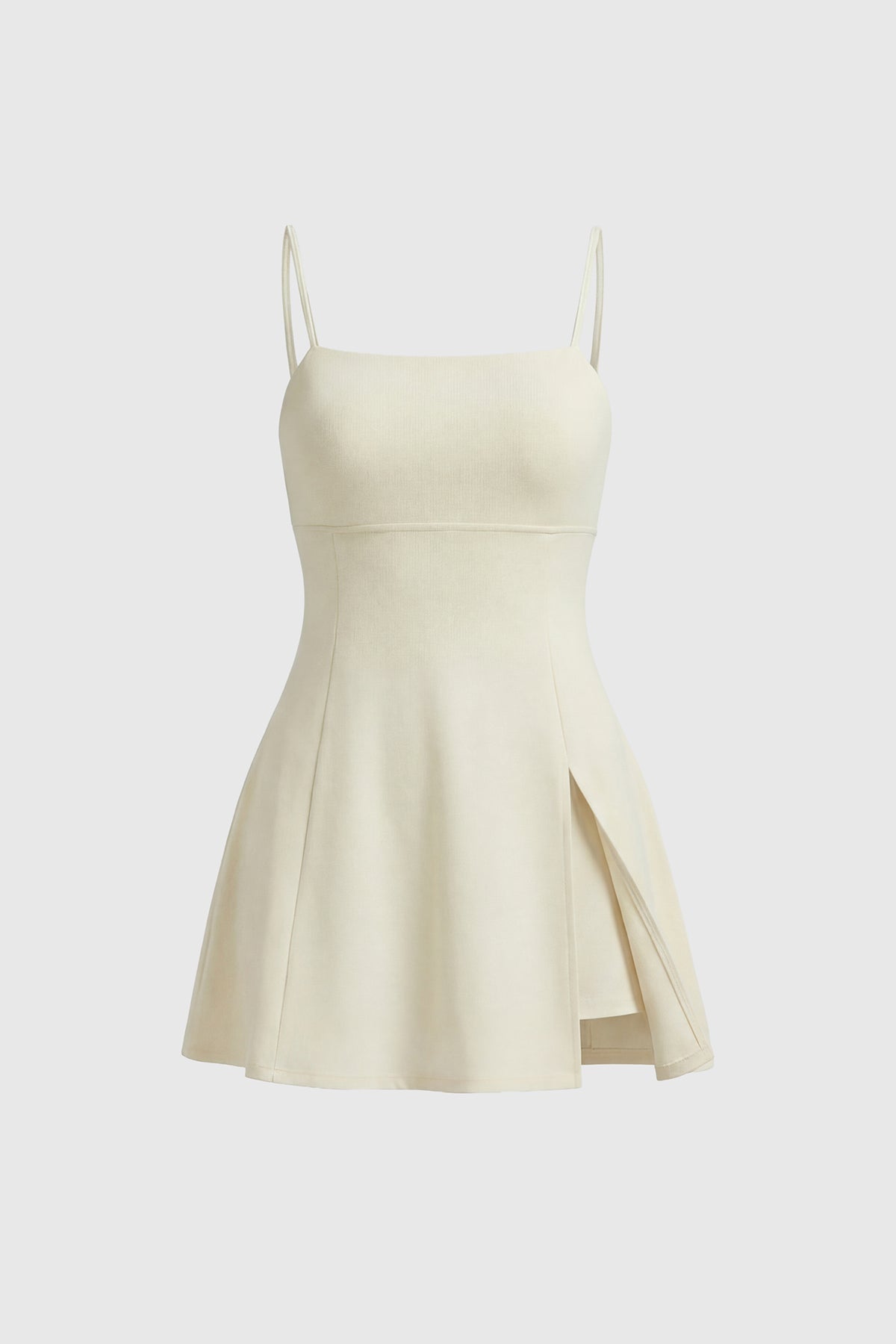
Adjustable straps can be especially useful here. They allow you to refine the position of the bodice for your torso and choose how much coverage feels right. A racerback may offer an athletic, streamlined finish, while wider straps can create a more structured look. Neither is universally better. The decision comes down to how you move and what feels most settled across a full session.
Before committing to a new style, replicate a few match movements at home: raise both arms as if serving, step into a wide lunge and twist through an imaginary forehand. A dress that looks excellent standing still should feel equally considered in motion.
Are tennis dresses practical in Australian conditions?
They can be particularly well suited to warm court days, provided the fabric and construction are right. A single-piece outfit feels less layered than a top and skirt combination, which can be welcome when the sun is high and the afternoon fixture runs longer than expected.
Look for breathable fabric and details such as micro-perforation where airflow is most useful. The goal is not to overthink technical language. It is to choose a piece that feels light, dries comfortably after a demanding set and maintains its shape as the day goes on.
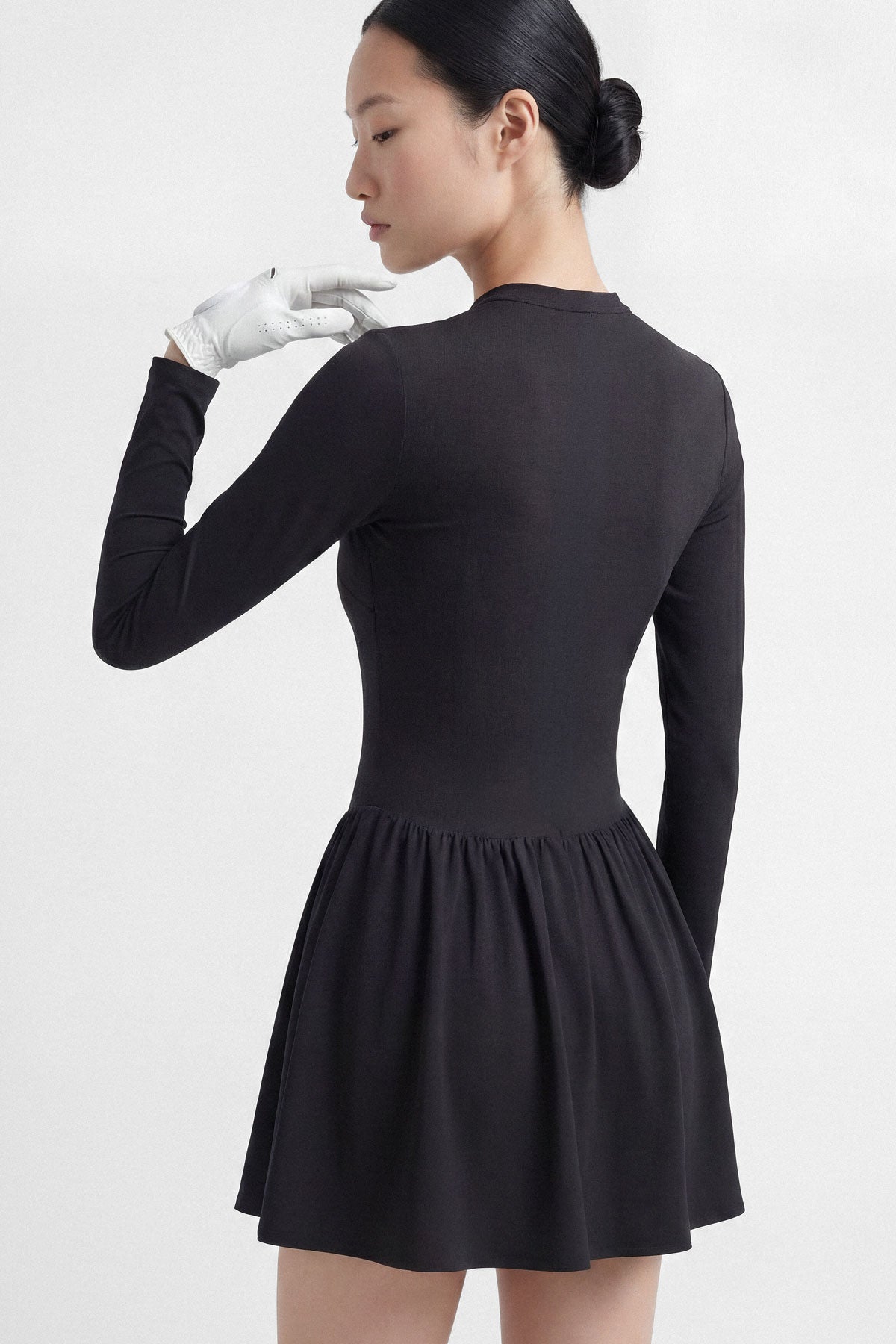
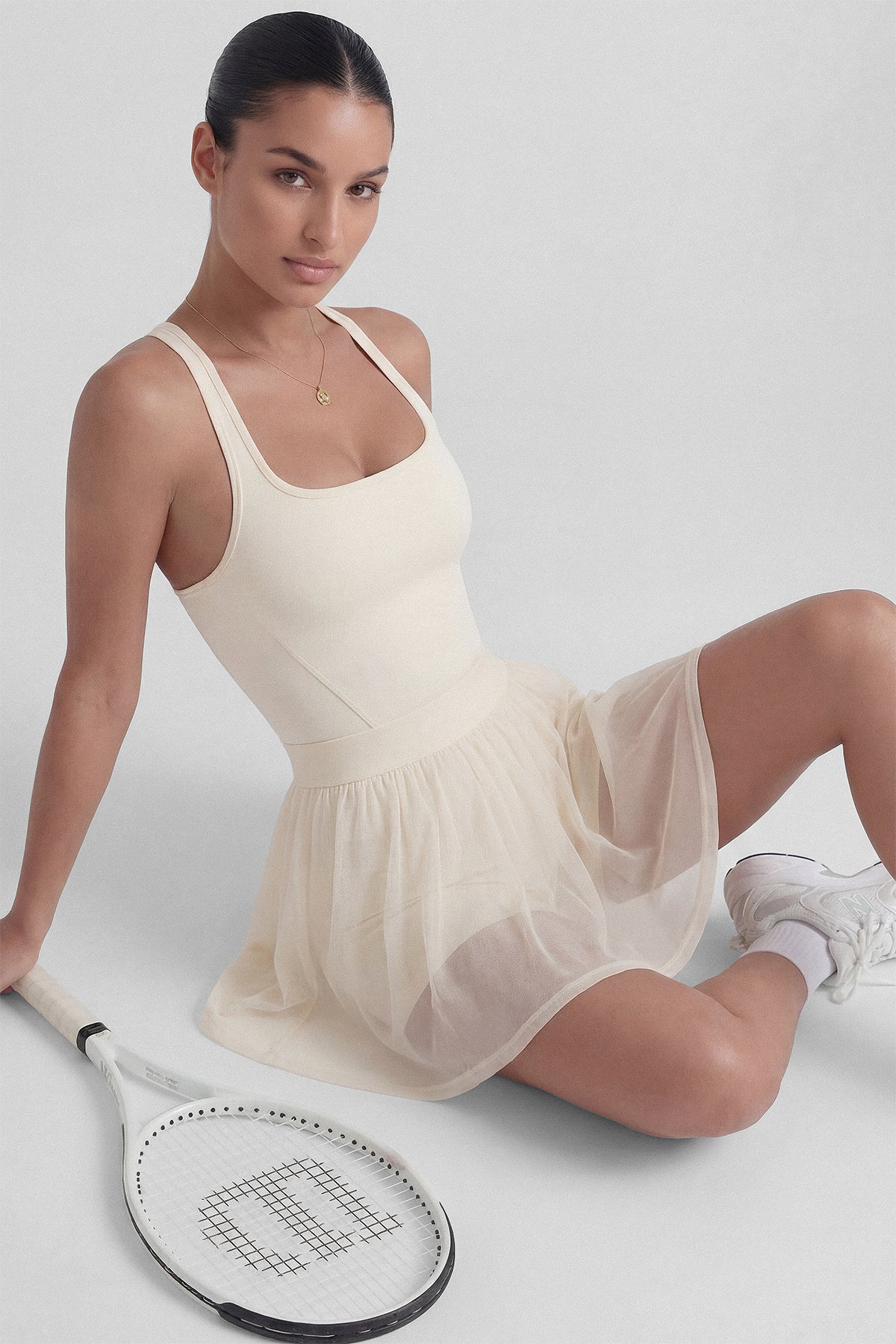
Colour is worth considering, too. A lighter, neutral dress can feel crisp and composed in bright conditions, while a darker palette can be an elegant choice for evening court time or a club setting. What matters most is that the fabric is sufficiently opaque and the underlayer remains discreet as you move. Practicality and polish should not be competing ideas.
For cooler mornings, a tennis dress is easy to layer. A neat long-sleeve top, lightweight jacket or warm-up layer can sit over it before play, then come off once the court is warm. This is one area where separates have a natural advantage: they offer more styling combinations. Still, a dress provides a strong foundation, particularly for players who favour a concise wardrobe over multiple pieces that need coordinating.
When a dress may not be the best court choice
A tennis dress is not automatically the answer for every player or every session. If you prefer a high-support sports bra with a particular cut, a dress with a built-in bra may not give you the flexibility you want. Removable bra cups can offer shape and coverage, but some players prefer to choose their own underlayer entirely.
Likewise, if you routinely carry multiple balls, grips, a phone or keys while moving between courts, a skort paired with a top may offer more storage and easier access. A dress is deliberately streamlined. That simplicity is part of its appeal, but it also means you need to be realistic about what you expect it to carry.
Club dress codes can also guide the decision. Most modern tennis settings welcome refined dresses, but a competition, member event or particular club may have requirements around colour, logos or length. It is worth checking ahead rather than discovering the detail on match morning.
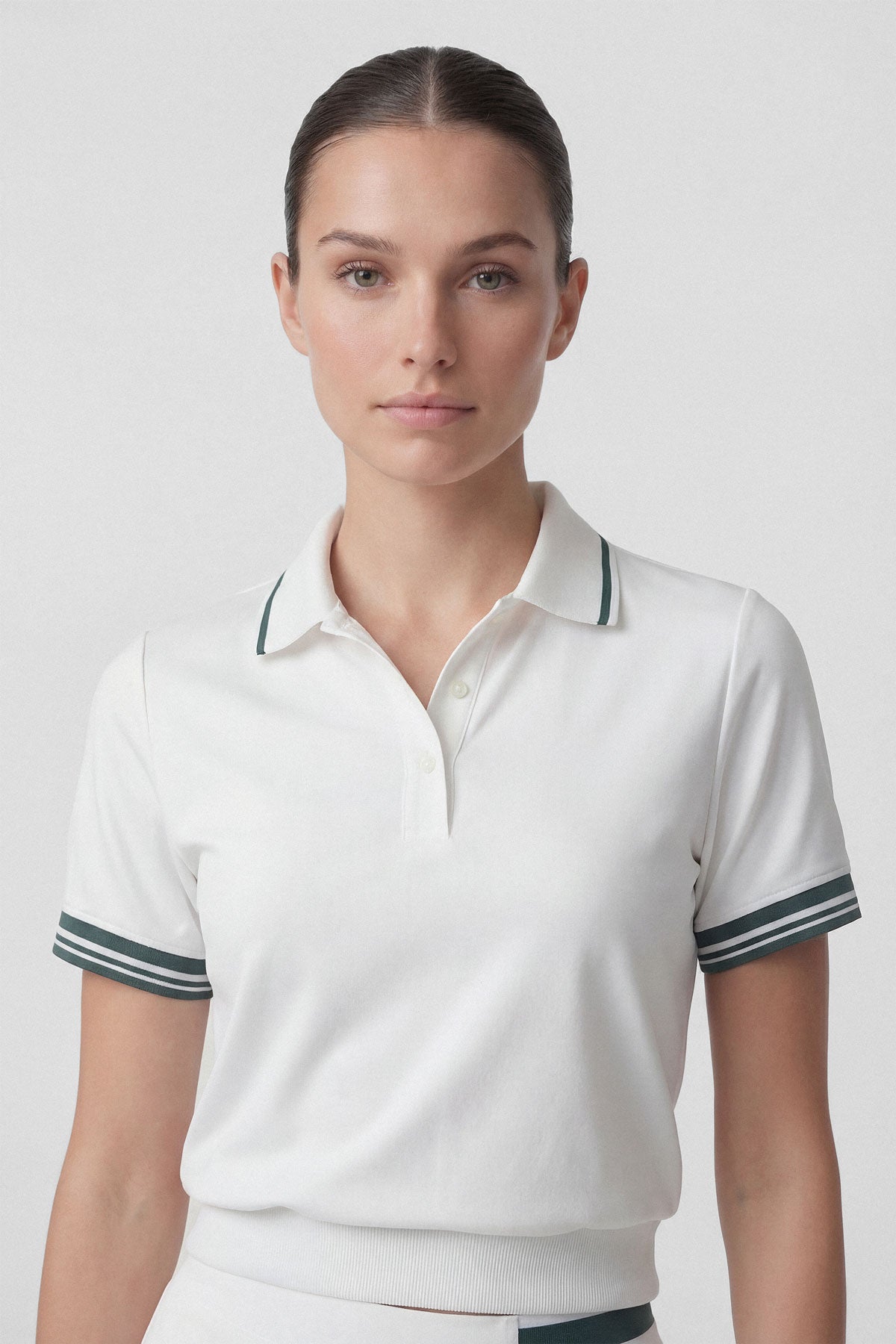
Finally, consider the practical side of changing. A dress can be slightly less convenient than a two-piece outfit if you need to remove layers quickly or change after a rain delay. For travel days and tournament schedules, a small rotation of dresses, skirts and tailored tops gives you options without compromising a cohesive court wardrobe.
How to choose a dress you will actually play in
Start with the session you play most often. A social doubles player might prioritise a flattering fit, a ball pocket and an easy transition to post-match plans. A player who trains regularly may place more value on shoulder mobility, secure shorts and a fabric that remains comfortable through repeated drills.
Then consider the level of built-in support you prefer. Some dresses are designed to be worn on their own, while others work best over your chosen sports bra. There is no need to force a one-piece solution if your existing layering system feels better. The most useful tennis wardrobe is the one that makes getting ready uncomplicated.
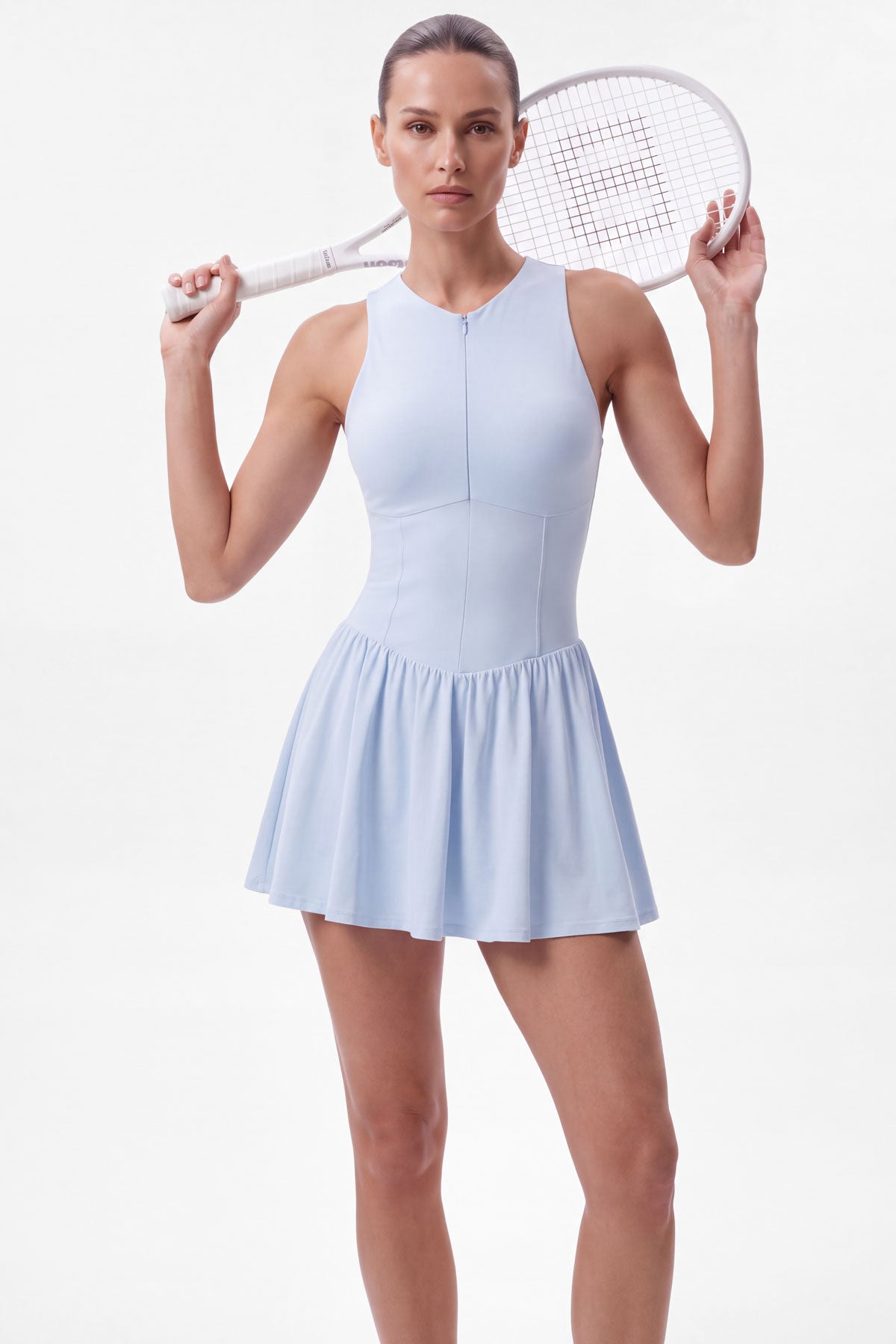
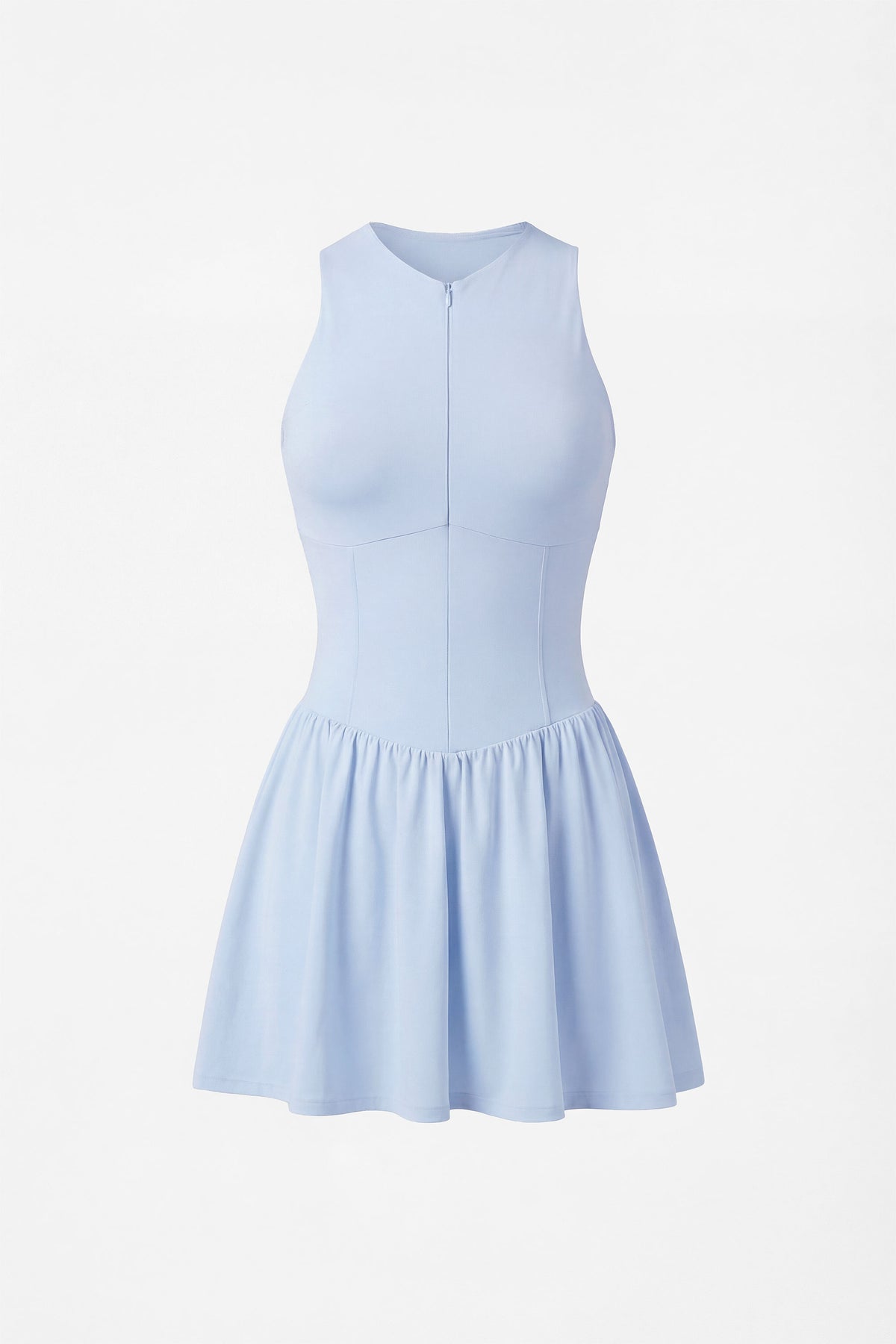
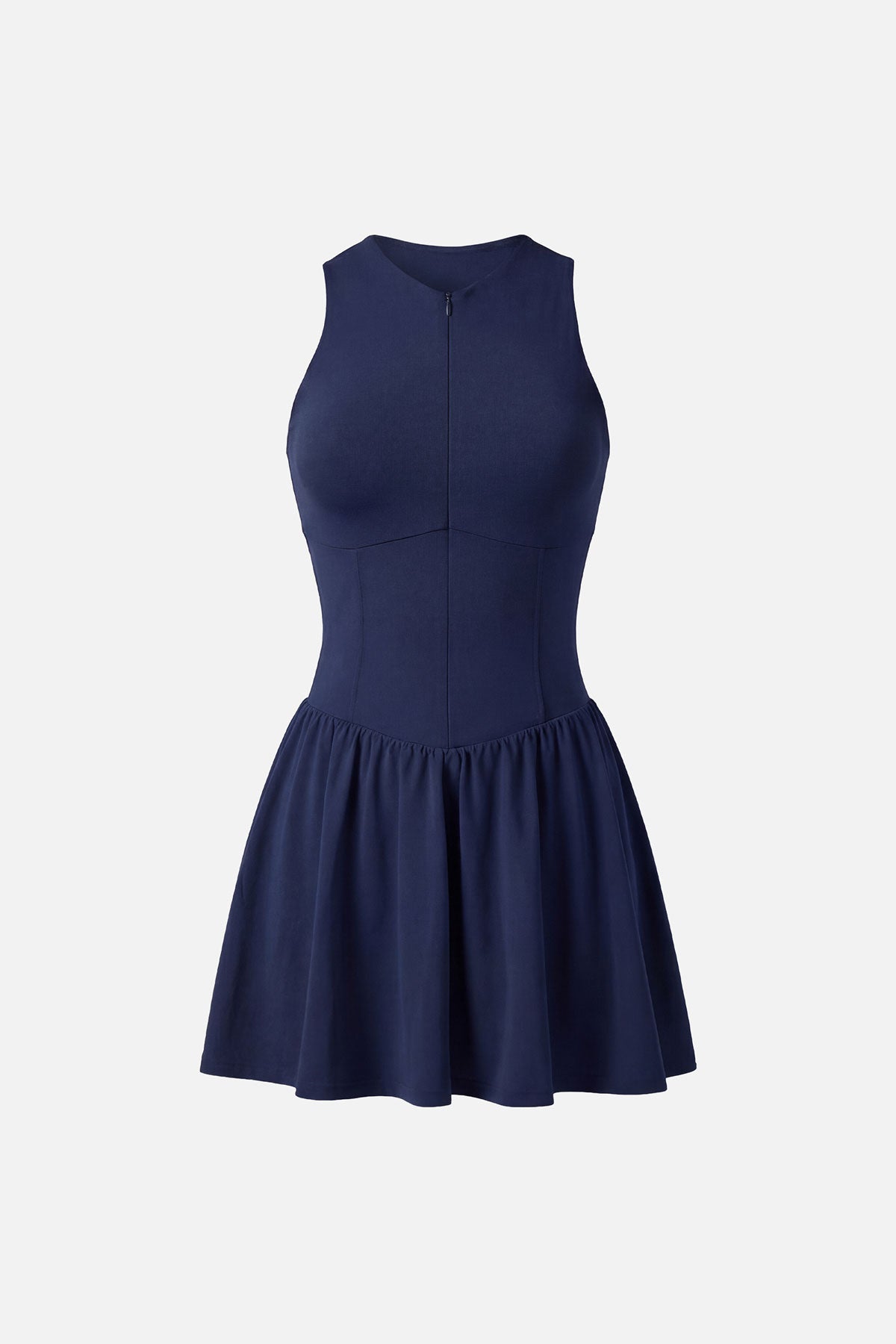
Pay attention to proportions, not trends. A high-waisted seam can create a clean, balanced shape; an A-line skirt may offer more room through the legs; a fitted column silhouette can feel sharp and minimal for lower-impact club play. The detail should suit the way you move, not just the mirror.
At Common Player, that balance is the point: court pieces designed to feel technically considered while maintaining an elevated, modern line. A dress should never require a trade-off between looking polished and being ready to play.
The case for a more refined court uniform
The best tennis dresses simplify the decision of what to wear without making sport feel overly uniform. They bring the function of built-in shorts, practical pockets and movement-led construction into a silhouette that feels intentional from the first serve to the final catch-up afterwards.
Choose one that supports your natural routine, rather than asking you to adapt to it. When a dress holds a ball securely, moves freely and still feels like you, it earns its place well beyond the change room.
Read more

The top golf accessories women rely on for composed, comfortable rounds - from refined headwear and gloves to purposeful bags, towels and more for play.
Removable cups versus shelf bra: a considered guide to comfort, coverage and support in refined activewear for tennis, padel and golf on match days.