

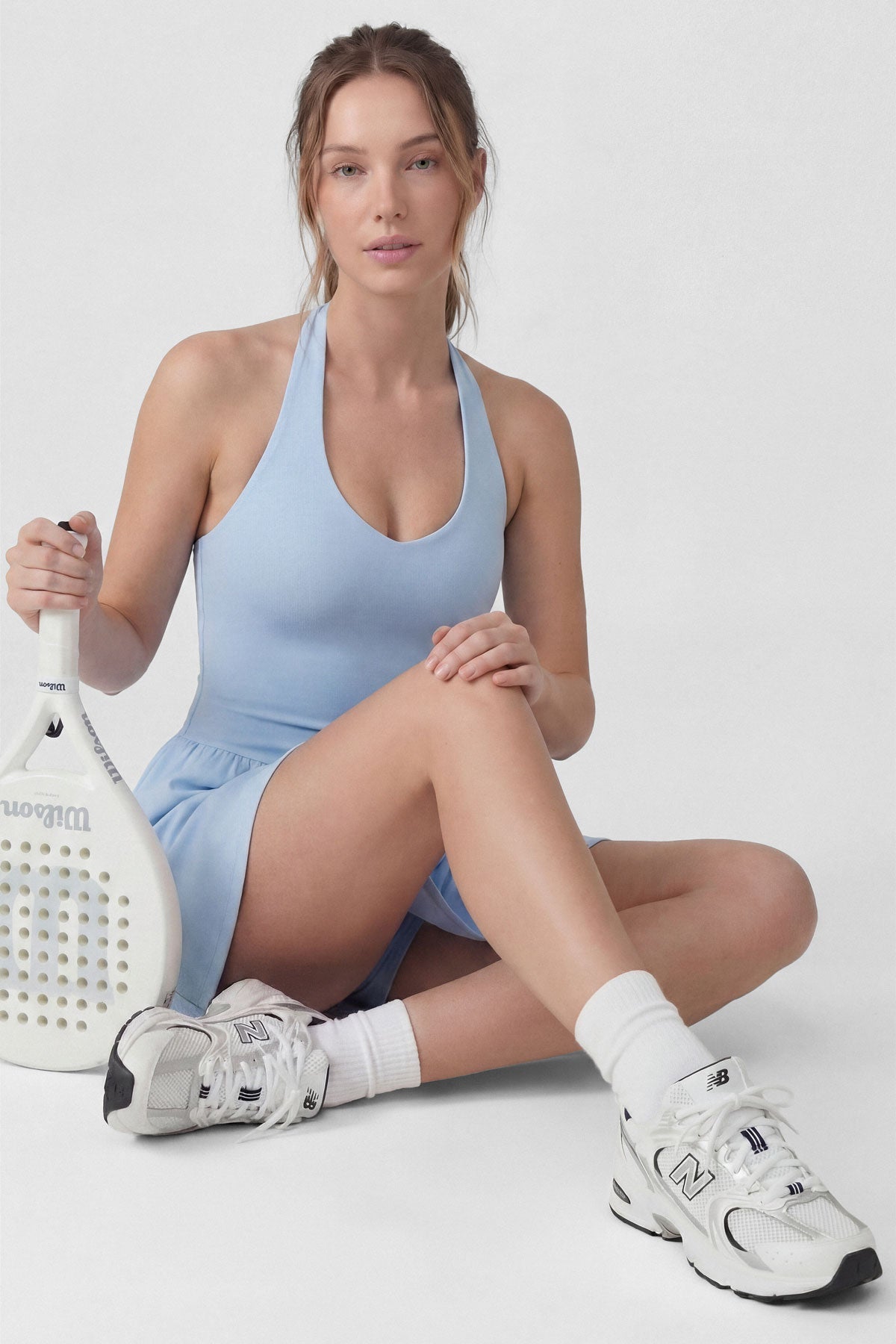
Paddle or Padel? The Court-Sport Name Explained
The booking says padel. Your group chat says paddle. Someone arrives with a tennis racquet, another has searched for a paddle, and suddenly a simple court booking has become a terminology lesson. When it comes to padel or paddle, the distinction is worth knowing - especially as padel courts become a familiar part of Australia’s club-sport landscape.
The short answer is simple: the sport played on an enclosed court with glass walls, usually in doubles, is called padel. It is pronounced pah-del. While “paddle” is often used casually, it is not the formal name of the sport.
Padel or paddle: the short answer
Padel is the name of the sport. Players use a solid, perforated racket rather than a strung tennis racquet, and play with a ball that looks similar to a tennis ball. The court is smaller than a tennis court, and its walls are part of play, bringing a quick, social rhythm to every point.
Paddle is a broad English word for an item used to hit, push or propel something. In racquet sports, it can describe the bat-like equipment used in several games. That overlap is why people sometimes call padel “paddle”. It is understandable shorthand, but it can create confusion with paddle tennis and platform tennis, which are separate sports with their own rules, courts and traditions.
If you are booking a court, joining a social session or looking for the right gear, use padel. It is the term clubs, coaches and players will recognise straight away.
Why “padel or paddle” is more than a spelling question
Language shapes how a sport feels. Padel has a distinct identity: fast but approachable, strategic without needing a long technical history, and naturally social because doubles is central to the game. Calling it by its proper name makes it easier to find the right court, understand the right rules and connect with the growing local community.
It also matters when you are shopping or preparing for match day. Search “paddle” and you may find equipment for unrelated sports. Search “padel” and the results are far more likely to reflect what you need for an enclosed court, a doubles session and the specific movement of the game.
There is no need to correct a friend mid-rally. Language shifts as new sports find their place in Australia, and casual usage is part of that process. But knowing the difference gives you clarity - and saves the awkward moment of turning up to a padel session with the wrong expectations.
What makes padel different from tennis?
Padel borrows familiar elements from tennis, but it asks different questions of your game. The court is 20 metres by 10 metres, and the glass and mesh walls stay in play after the ball bounces. Rather than relying on a big serve or long baseline exchanges, points often reward positioning, anticipation and communication with your partner.
Serves are underarm. Volleys, lobs and controlled placement are central. The racket has no strings, which changes the feel at contact and encourages a more compact swing. For players coming from tennis, the scoring will feel familiar, while the walls introduce a new layer of geometry.
That does not mean one sport is easier than the other. Padel can feel accessible in the first session because the smaller court brings players into the point quickly. As rallies become more considered, though, the tactical side becomes clear. Learning when to hold the net, when to use the glass and when to leave a ball for your partner is part of the appeal.
Is paddle tennis the same as padel?
No. Paddle tennis is a separate sport, most commonly associated with the United States. Its formats and names can vary by location, and it is sometimes discussed alongside platform tennis or pop tennis. The equipment and court dimensions are not the same as padel’s enclosed glass court.
The mix-up is easy to understand because the words look and sound close in English. Still, if you mean the sport that has surged through clubs from Sydney to Melbourne and beyond, padel is the accurate choice.
Dressing for the padel court
Padel’s pace is distinctive. You move forward and back, cover the middle with a partner, reach for balls near the glass and reset quickly between points. A considered court uniform should move with that rhythm without looking overly technical.
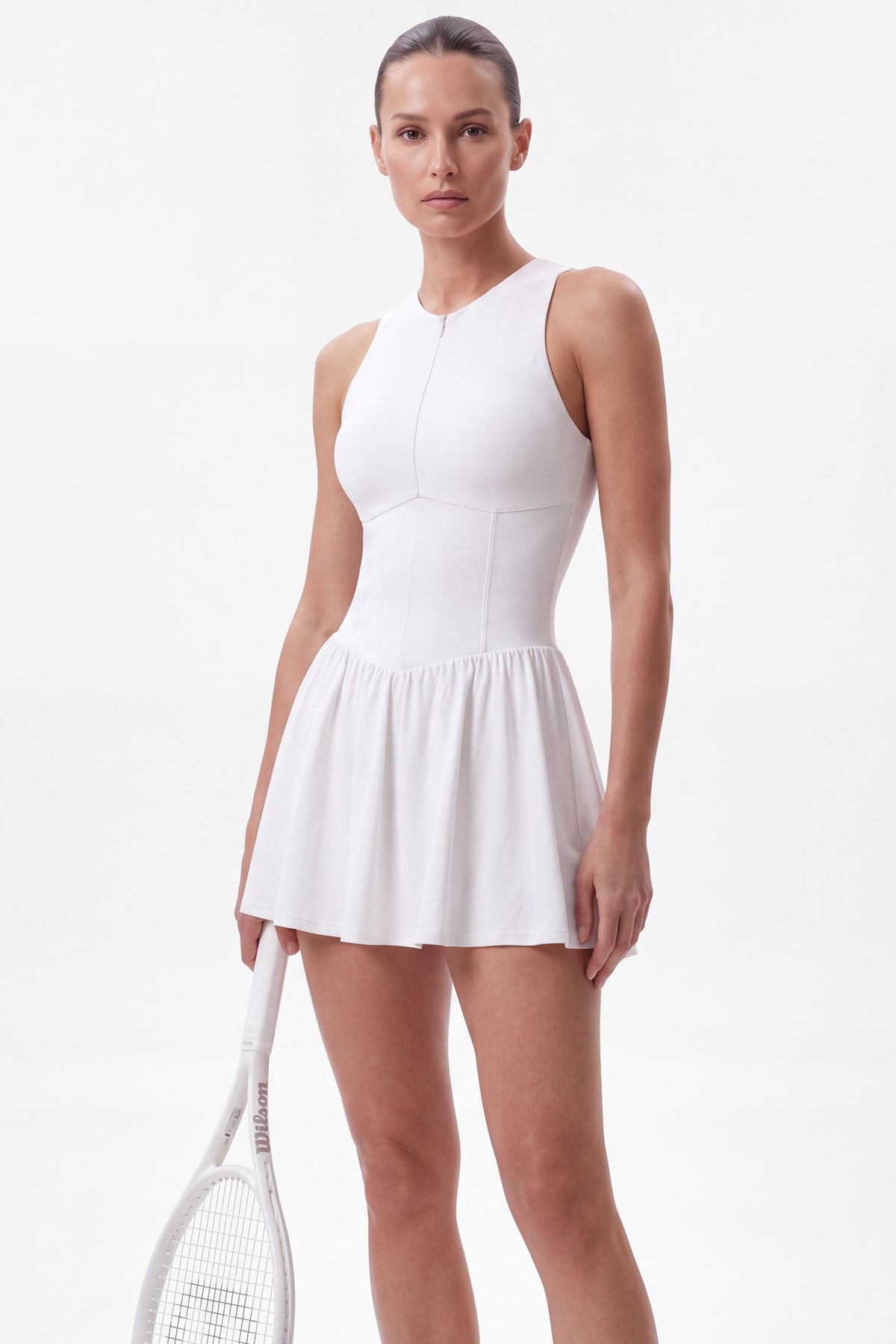
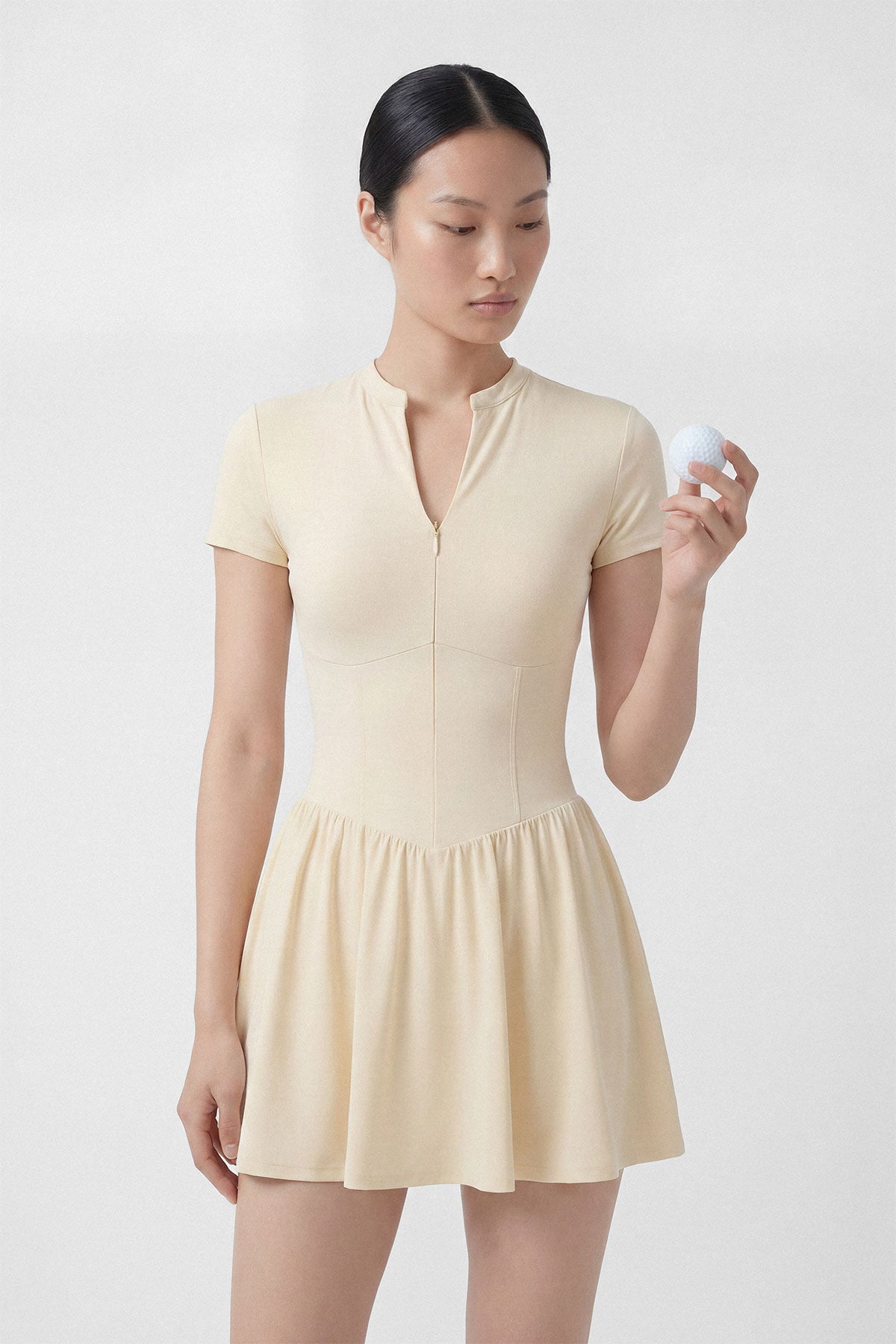
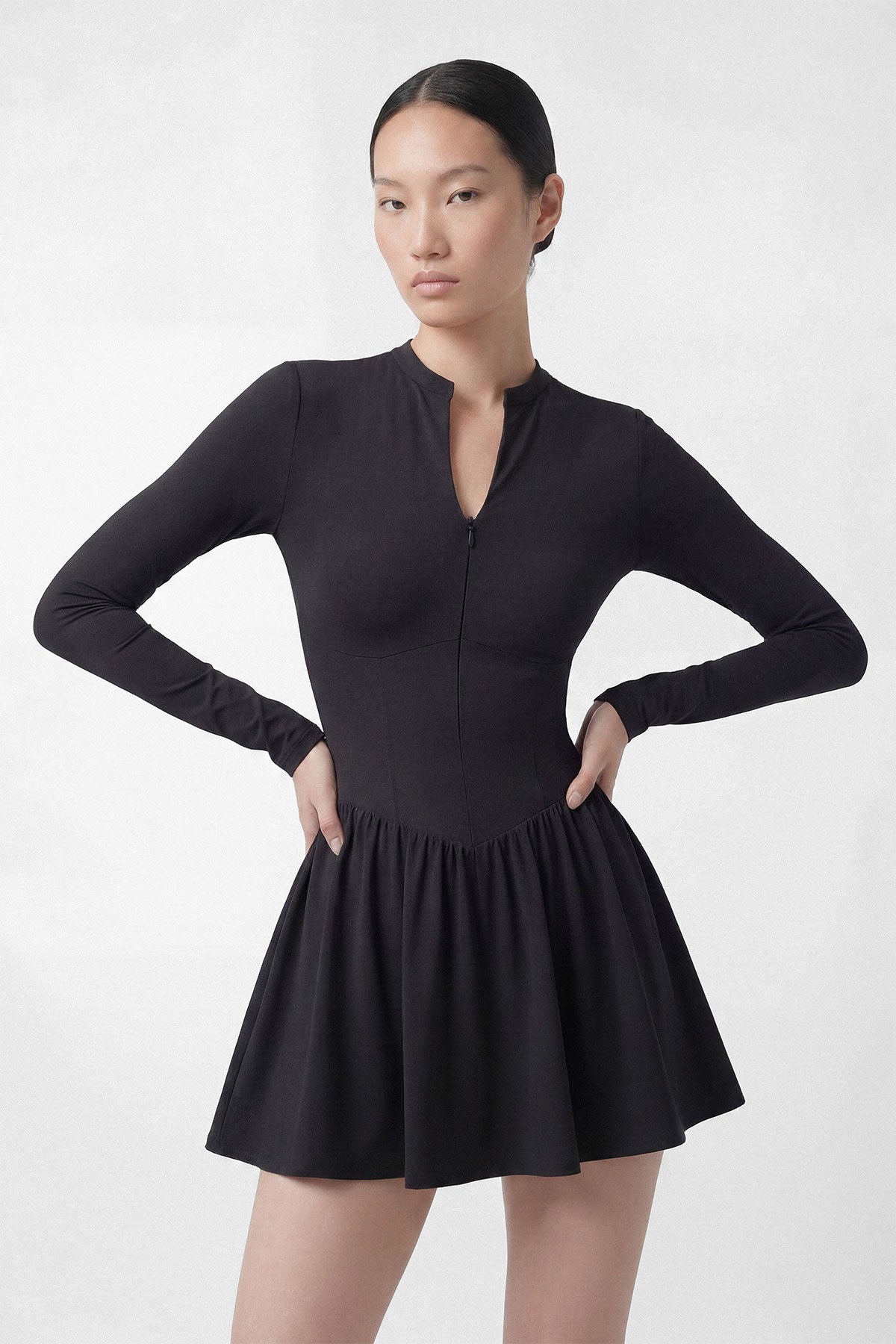
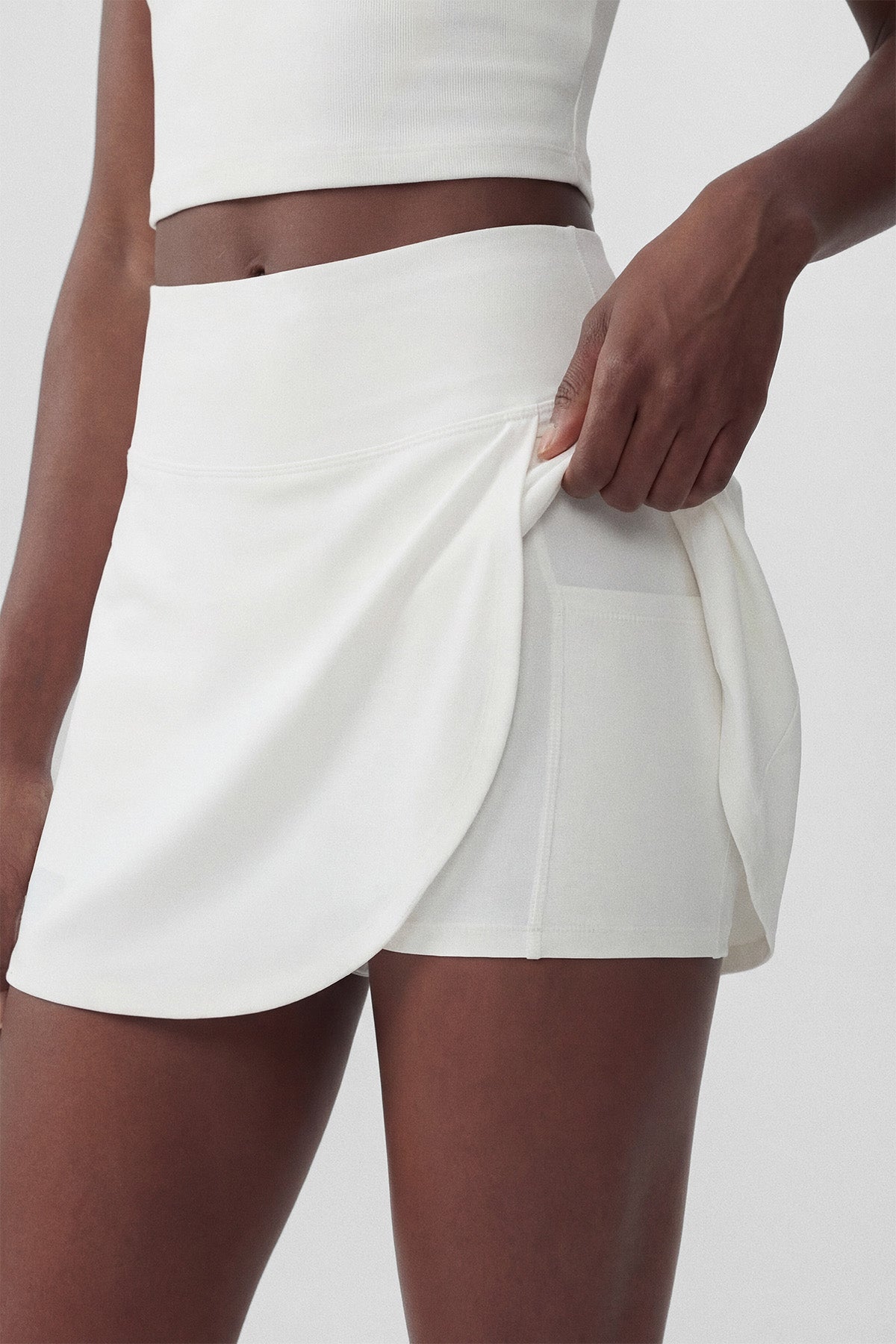
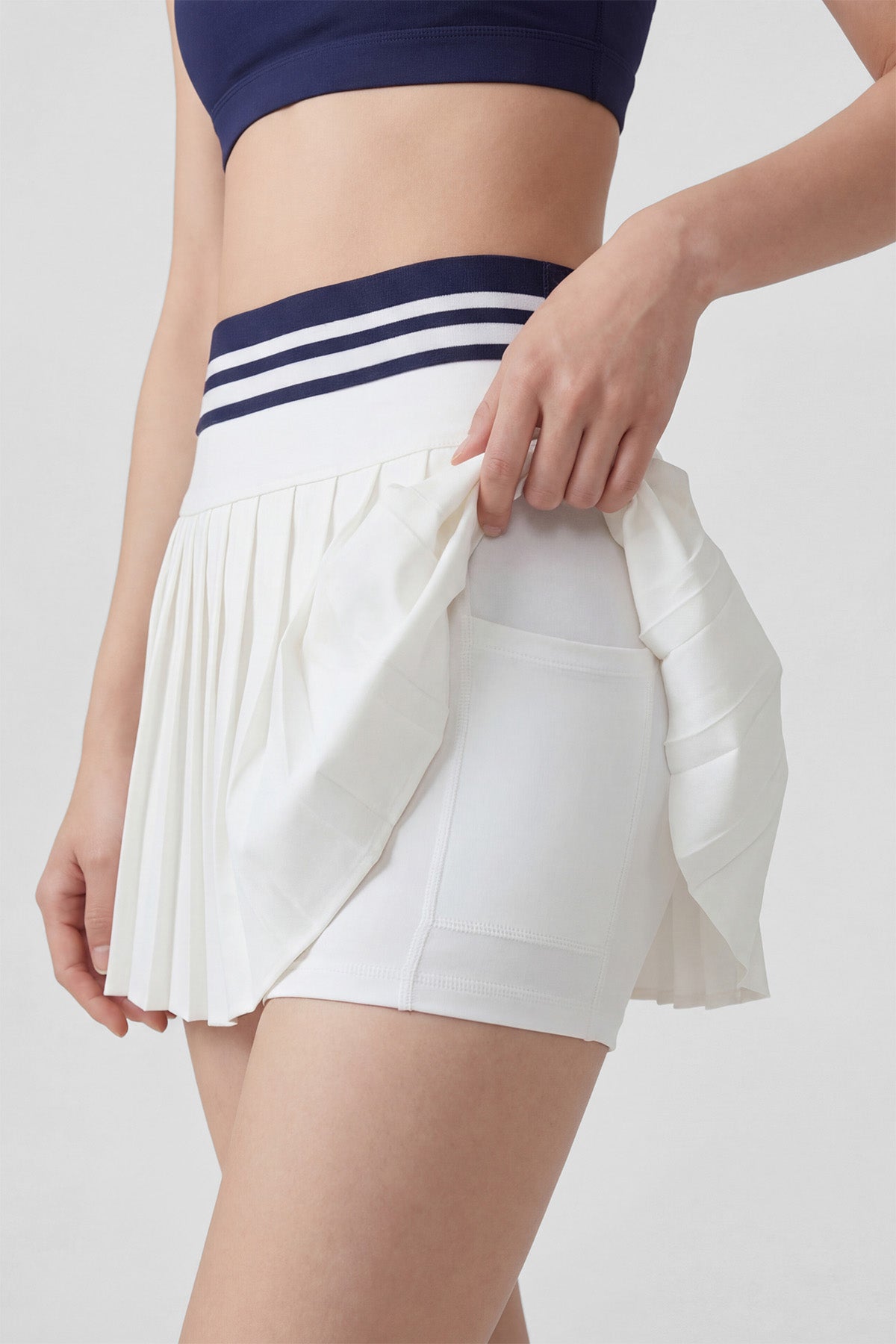
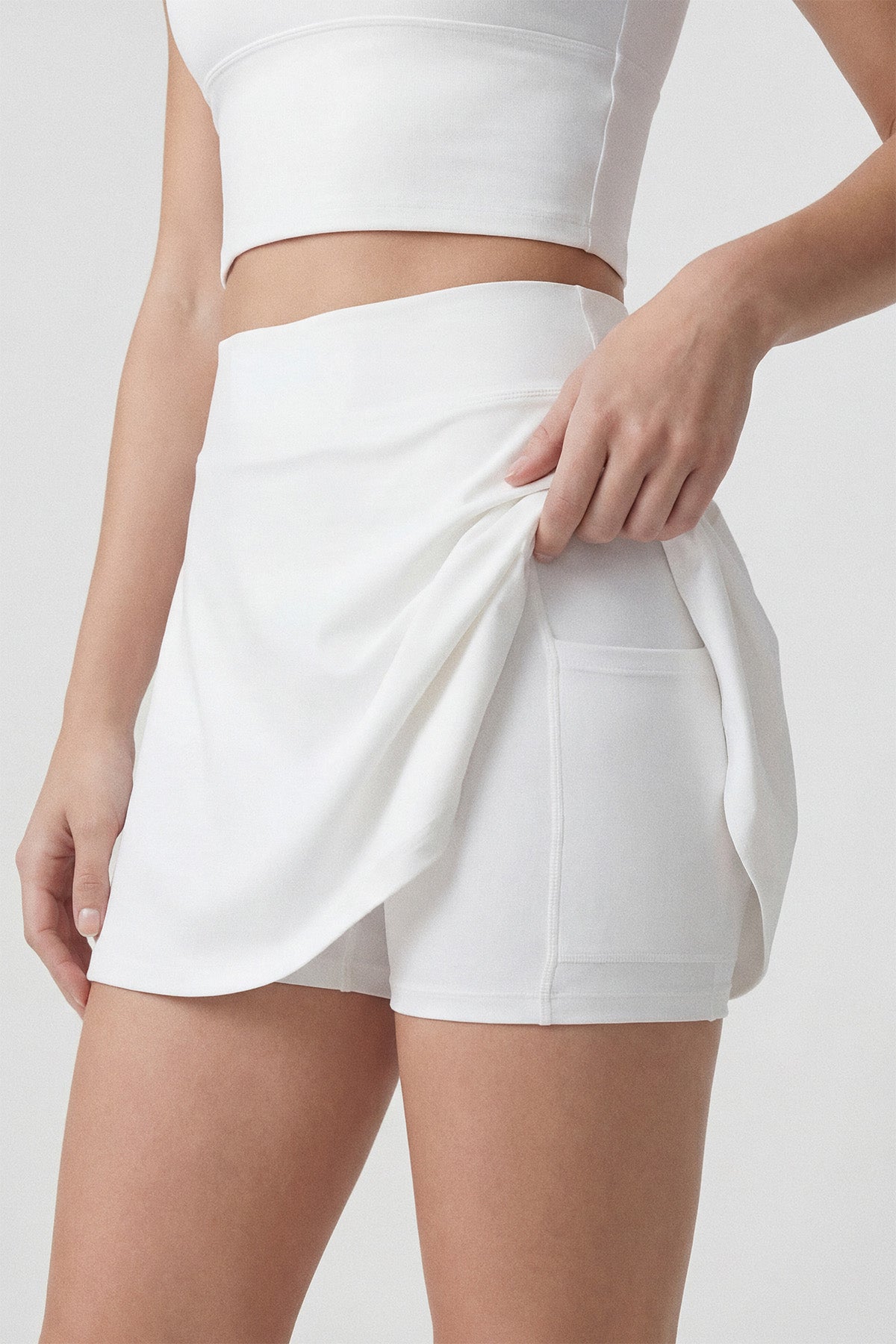
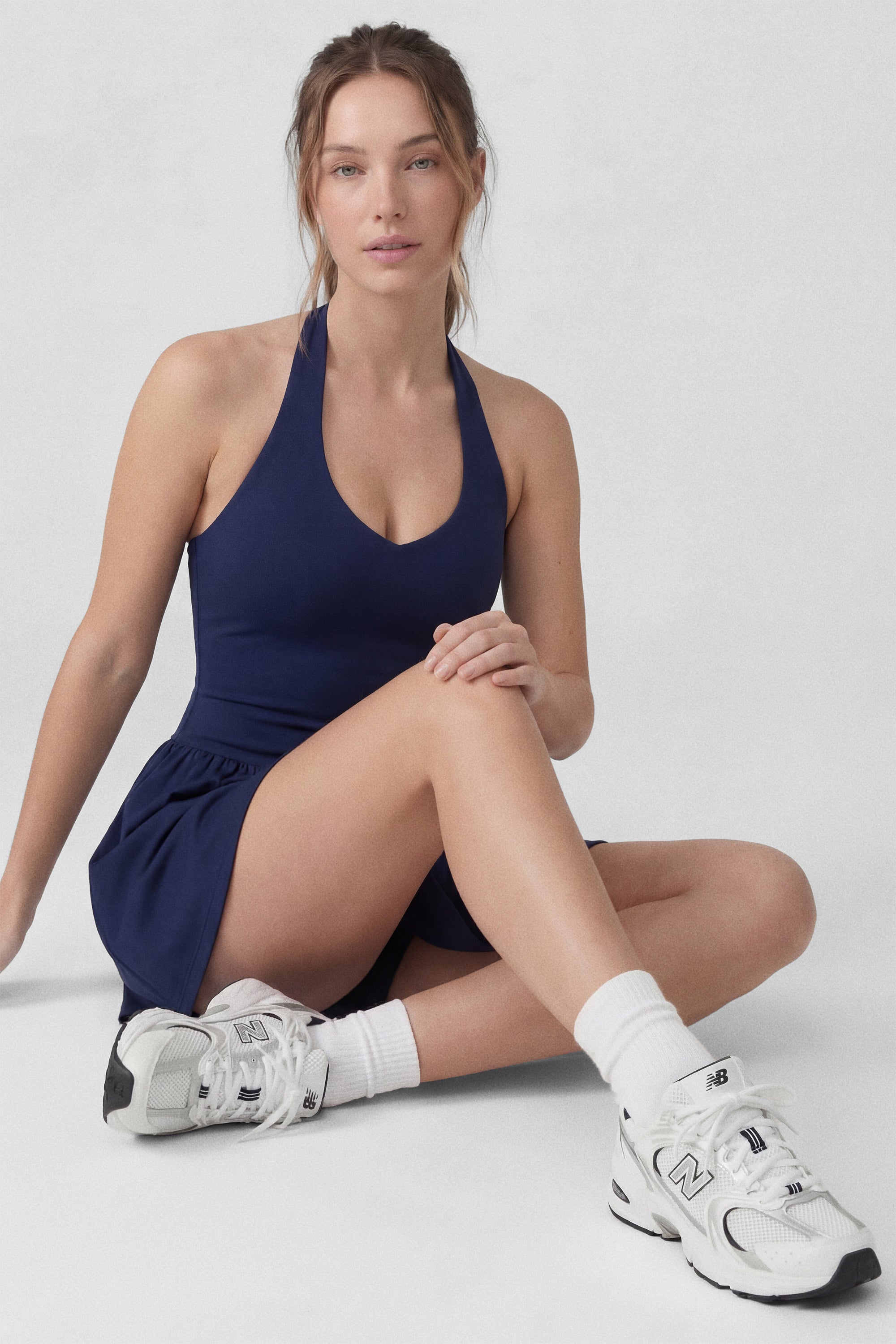
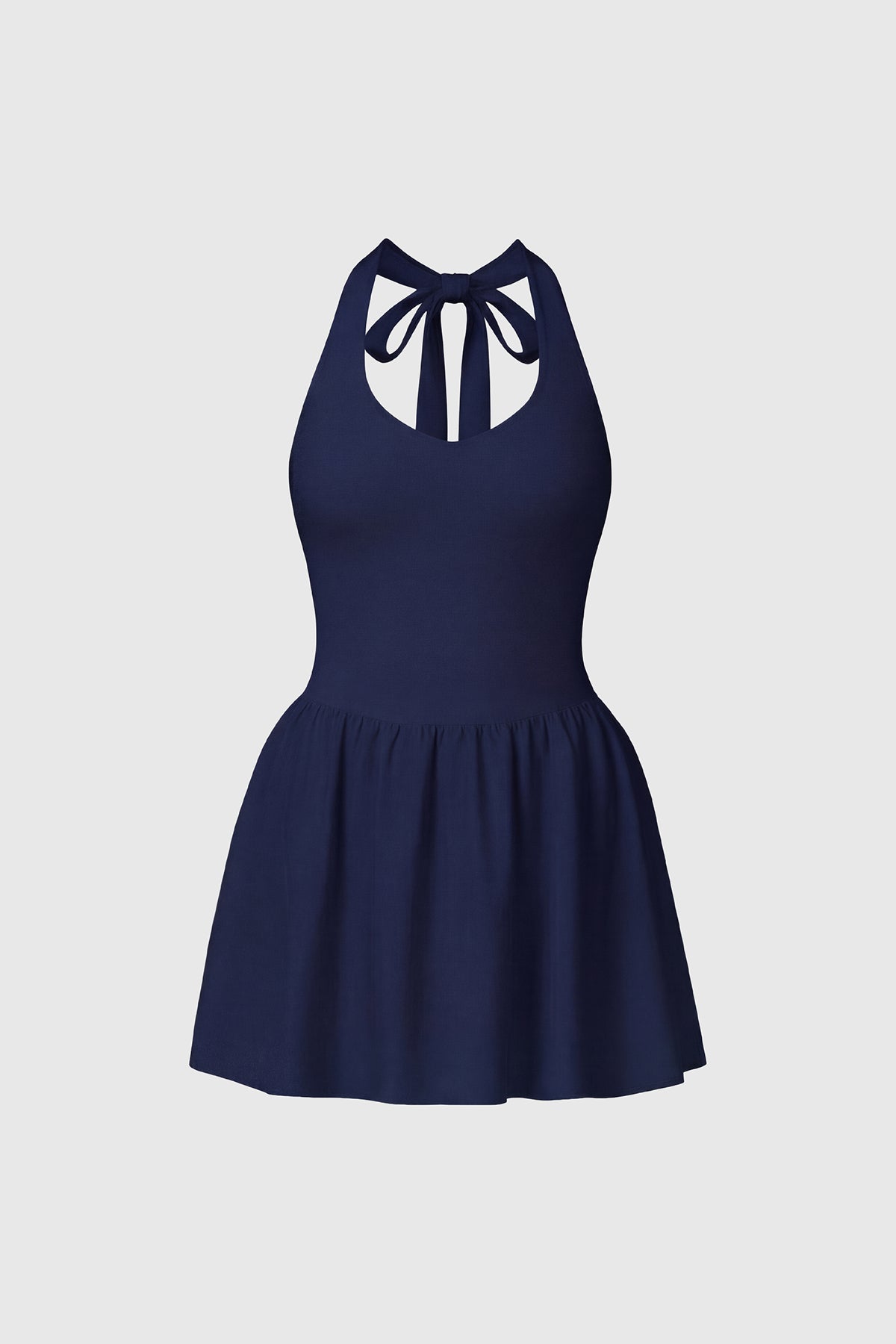
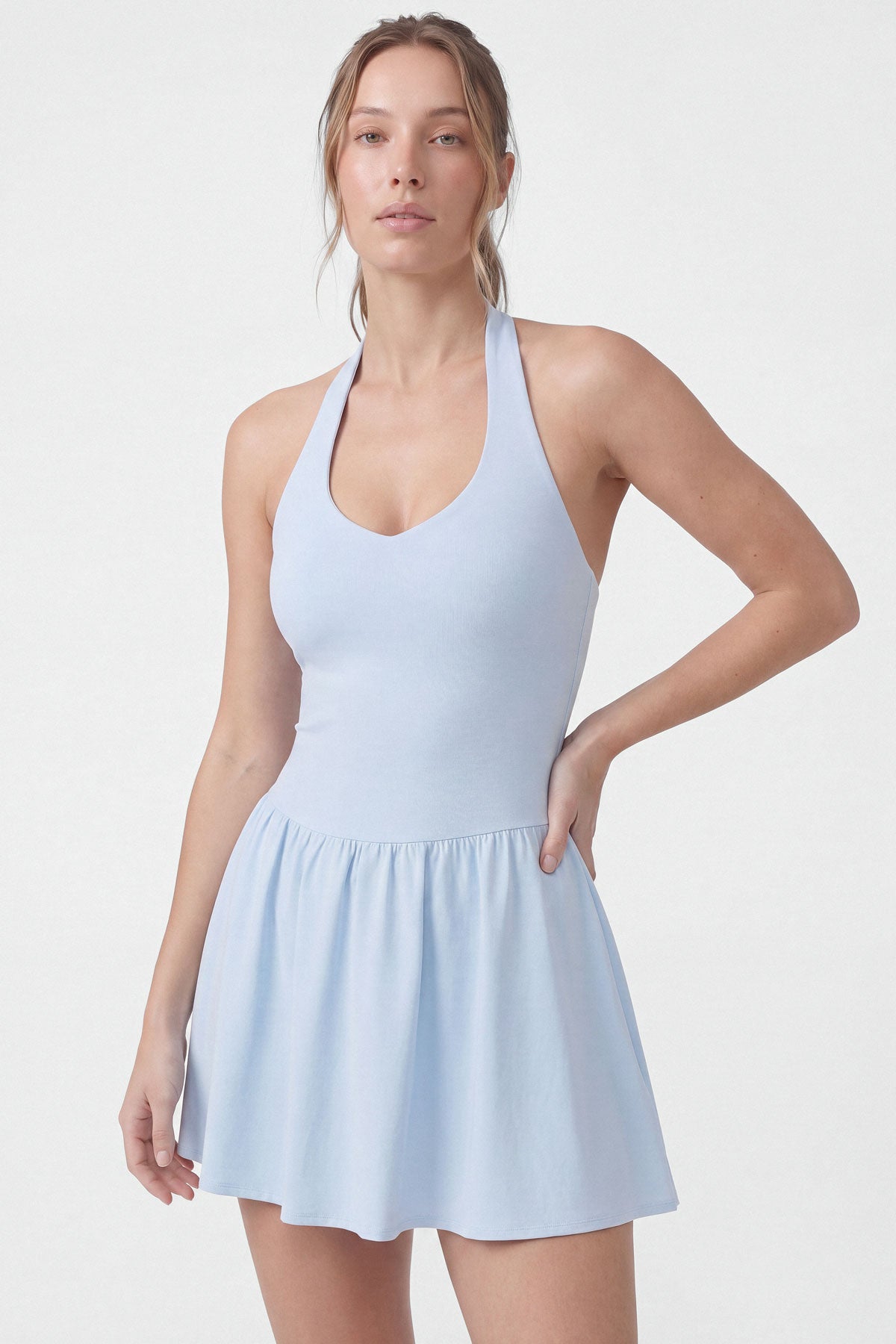
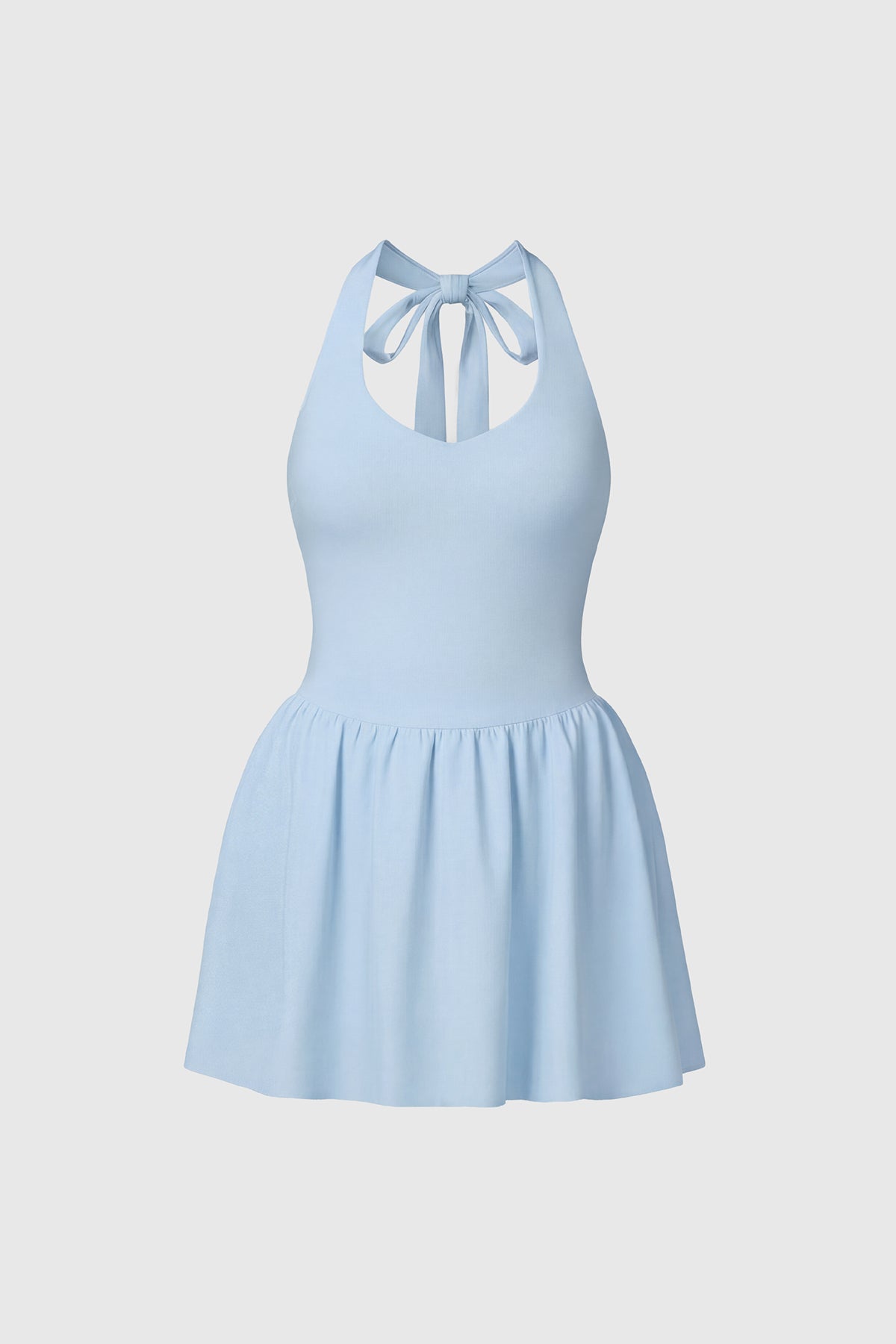
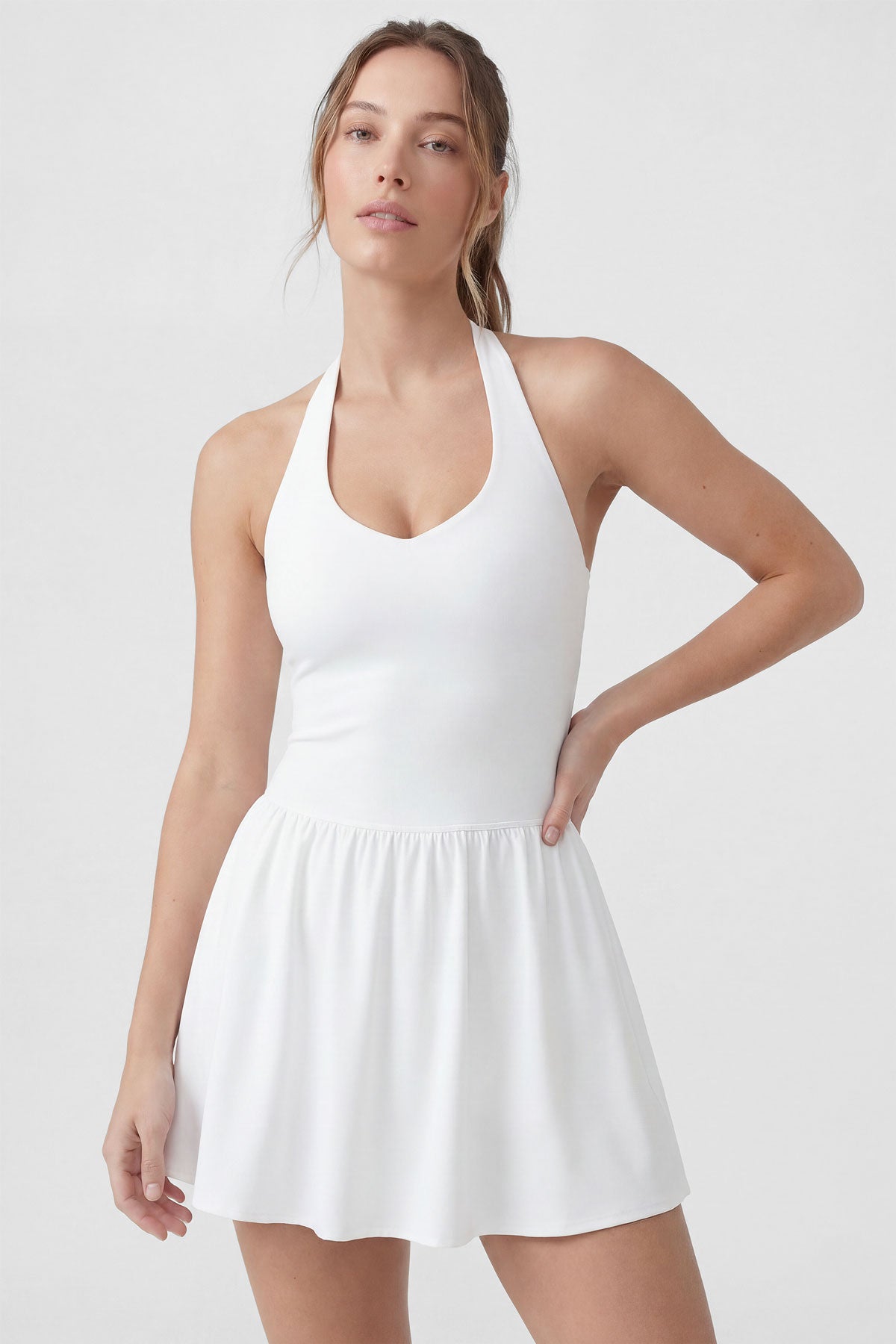
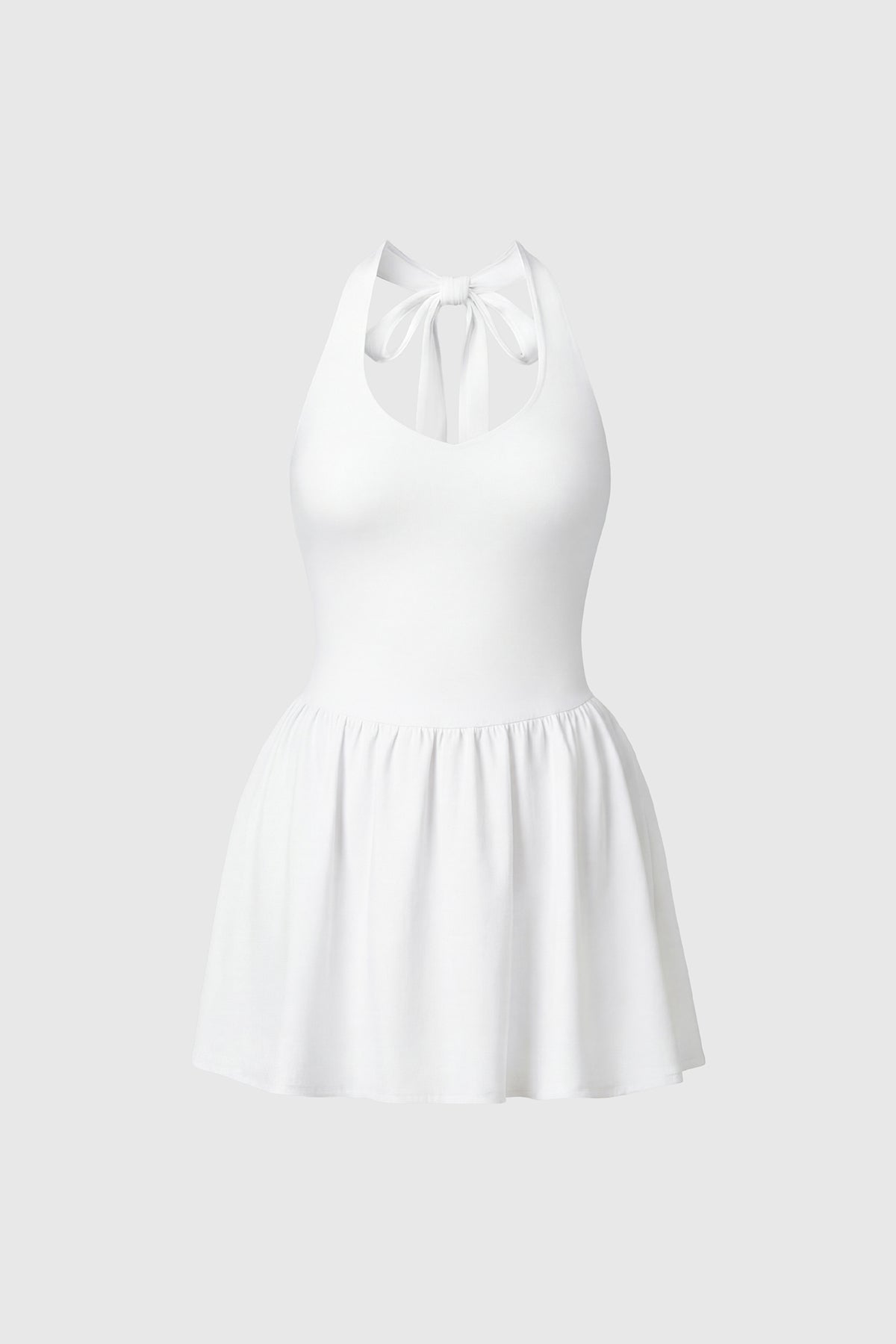
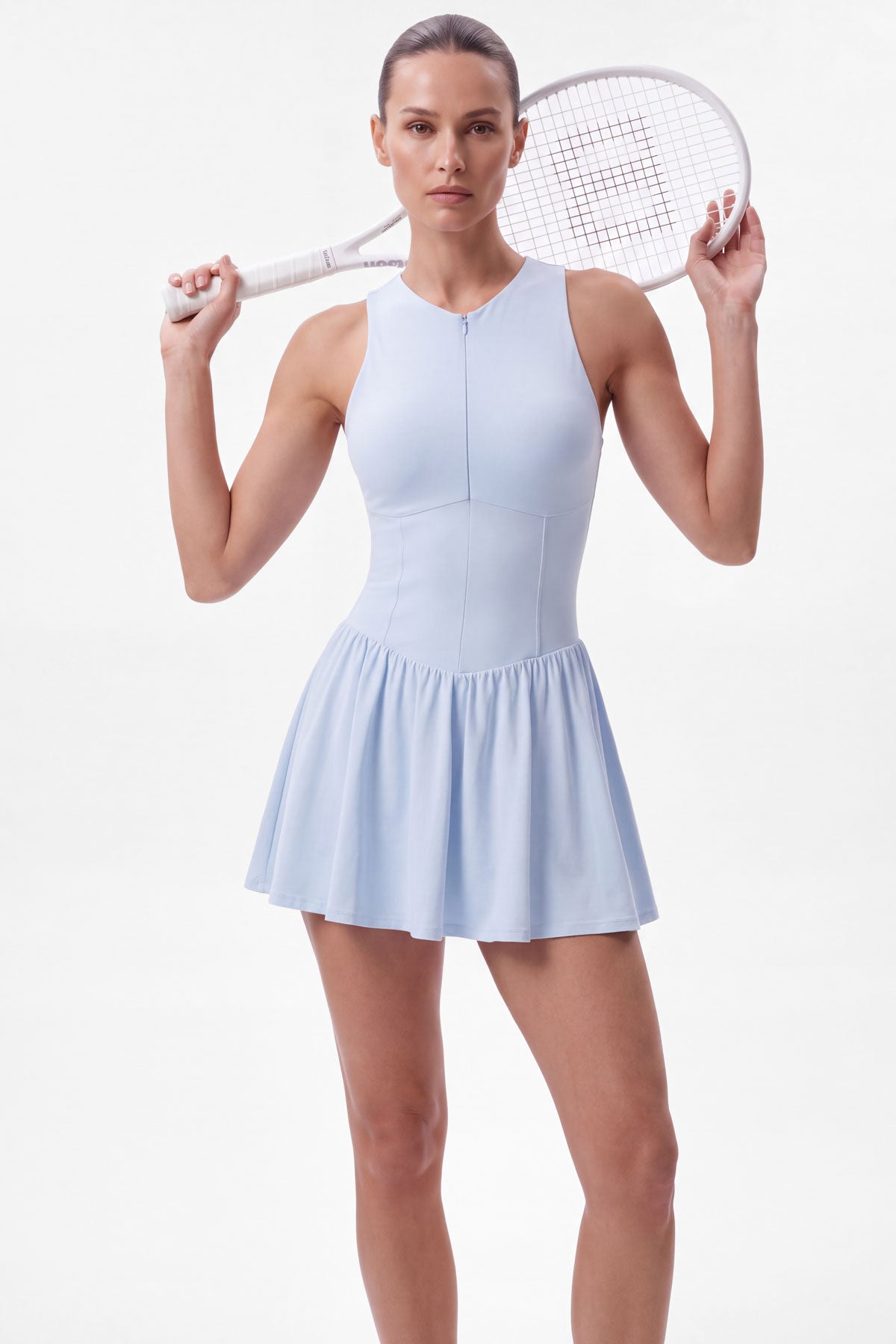
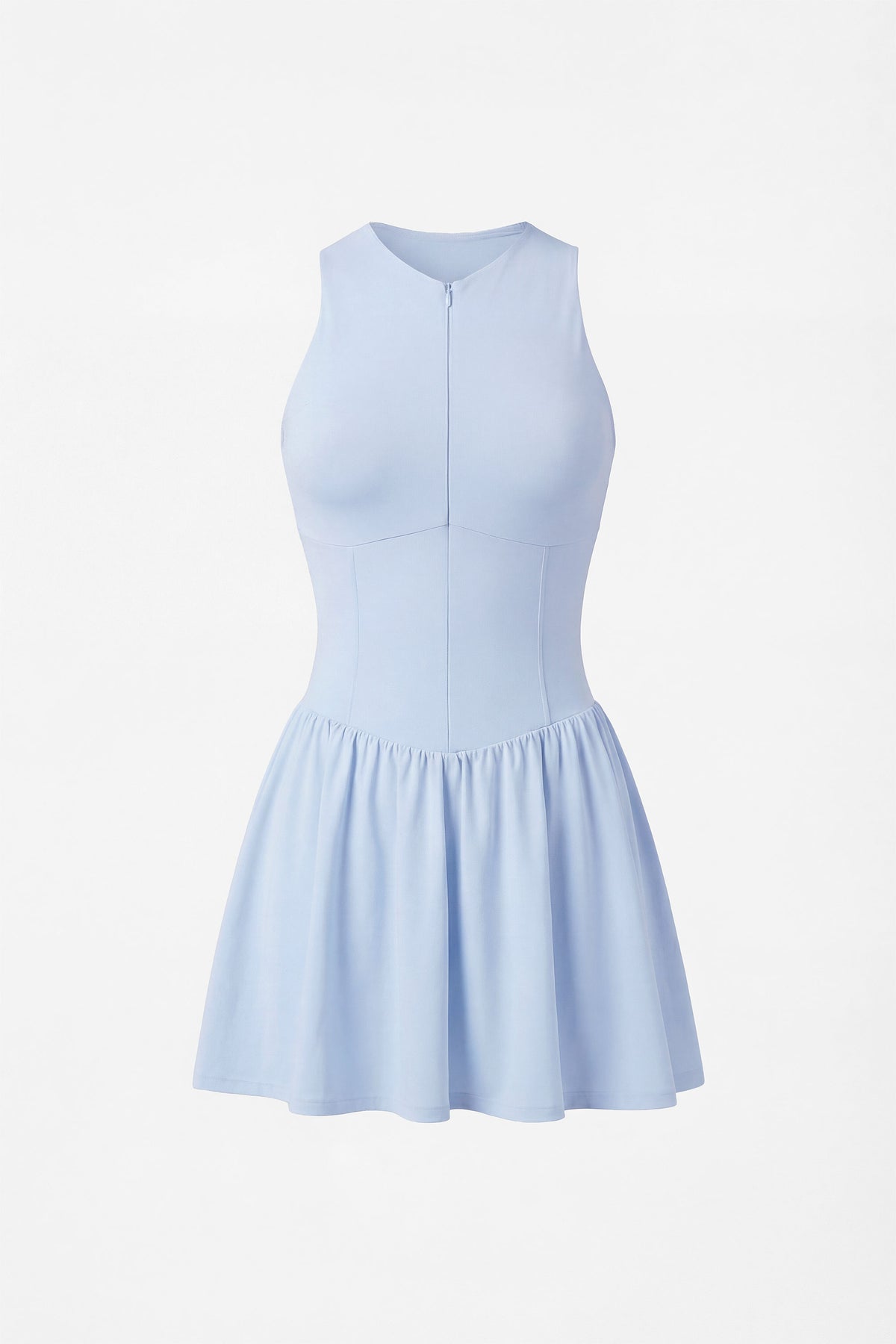
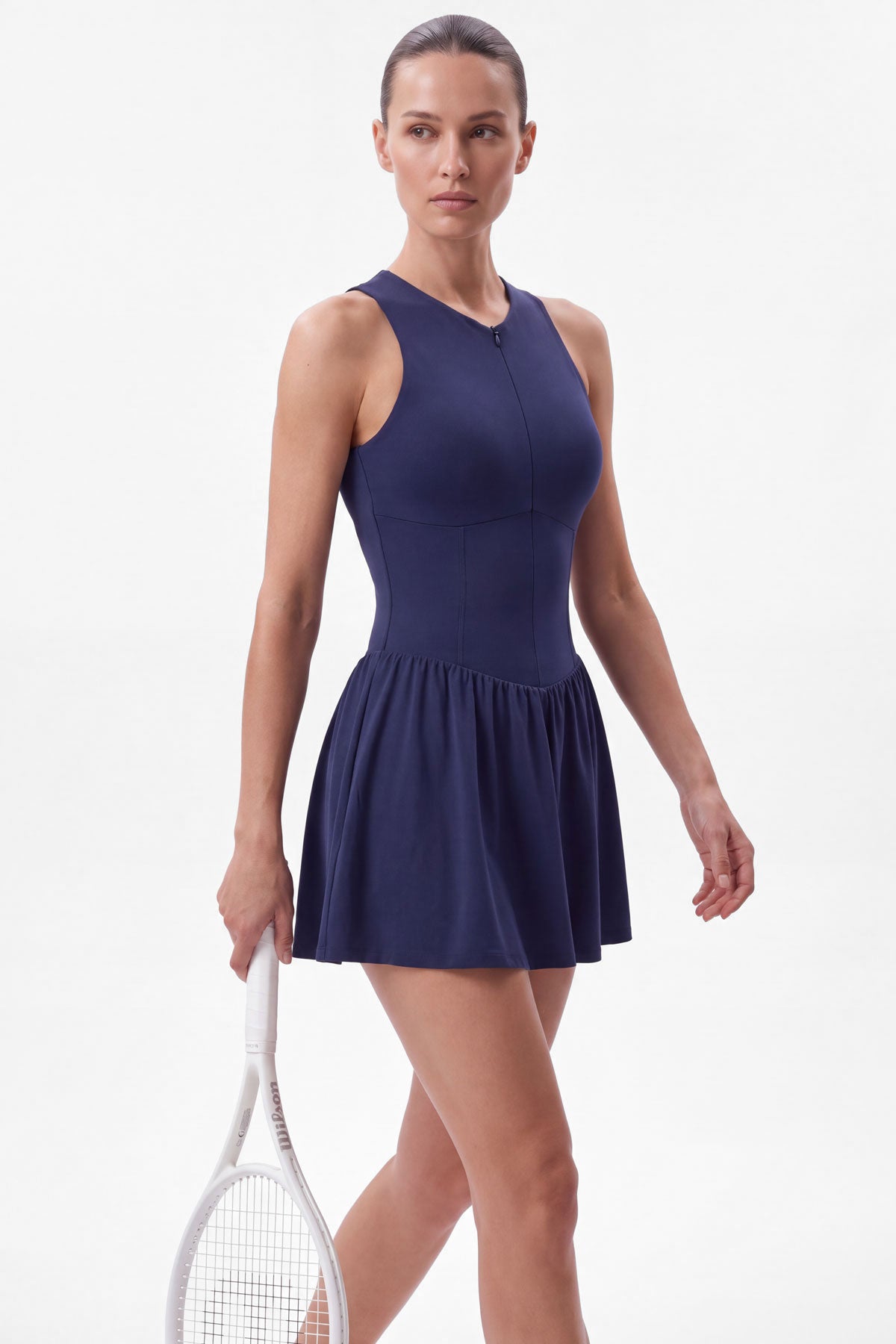
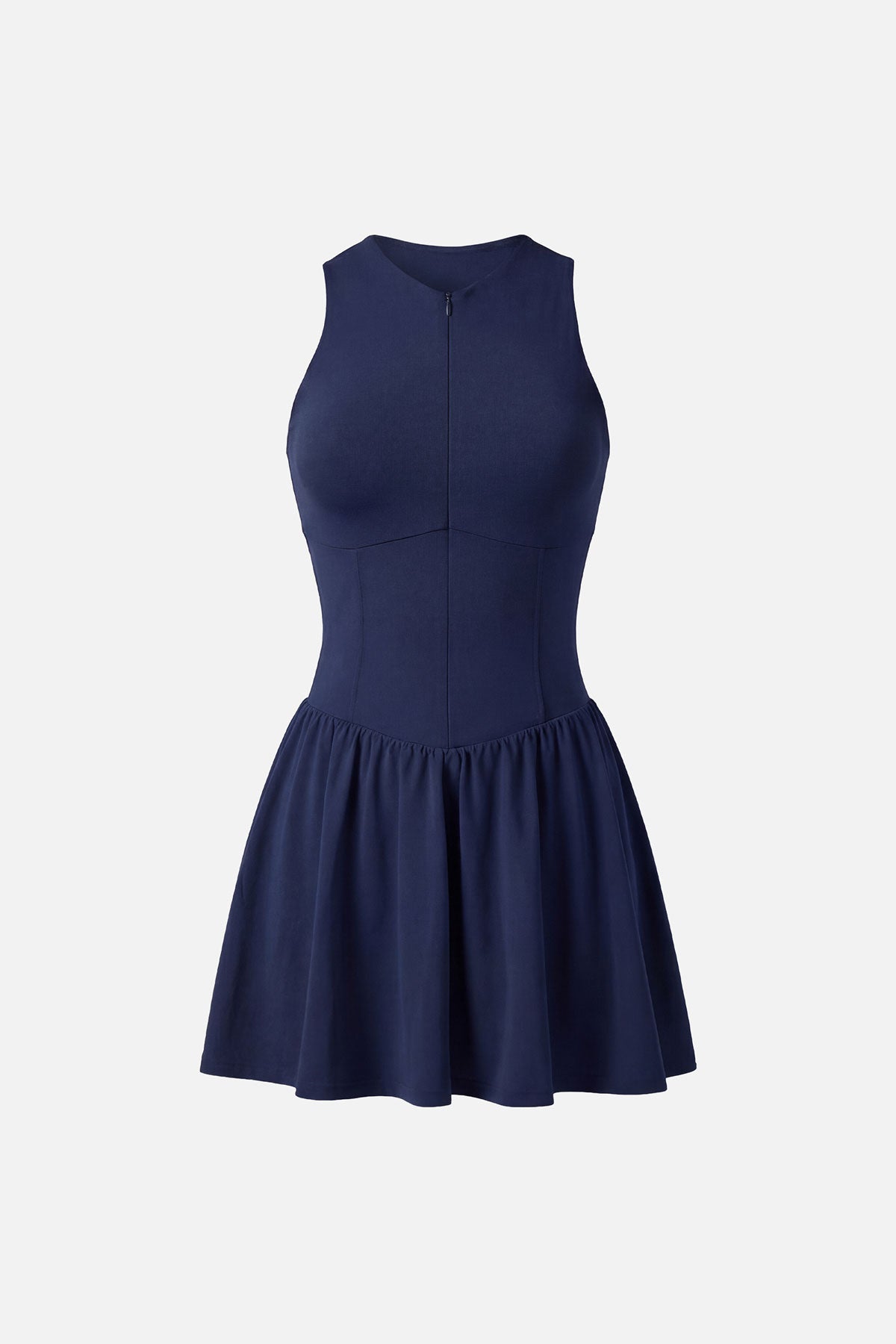
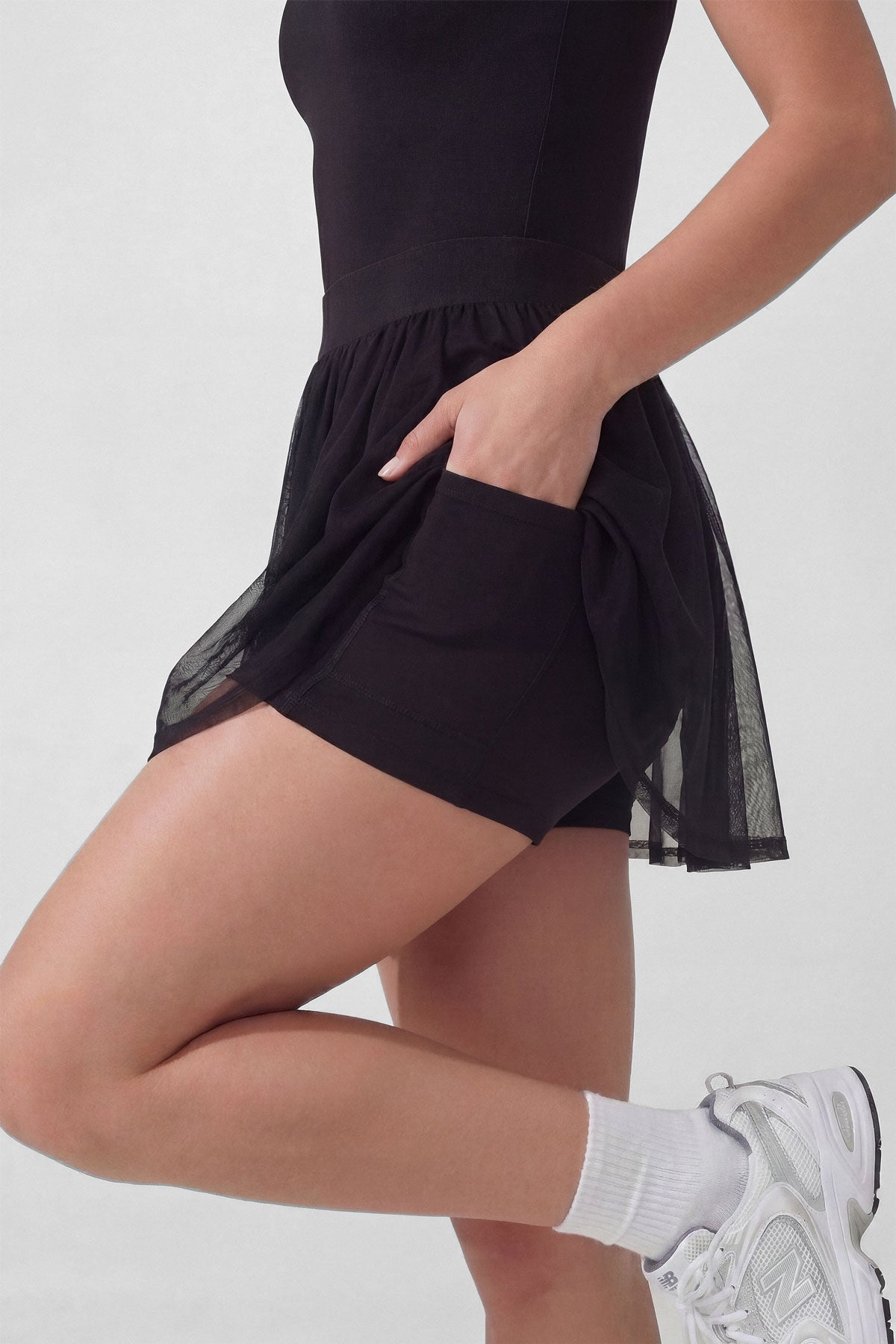
For many women, a skort or dress with built-in shorts offers a clean, composed starting point. It keeps the silhouette polished while giving you coverage for low reaches, quick changes of direction and the practical reality of keeping a ball close at hand. Side pockets are a small detail that make a genuine difference during a session, particularly when you are serving next.
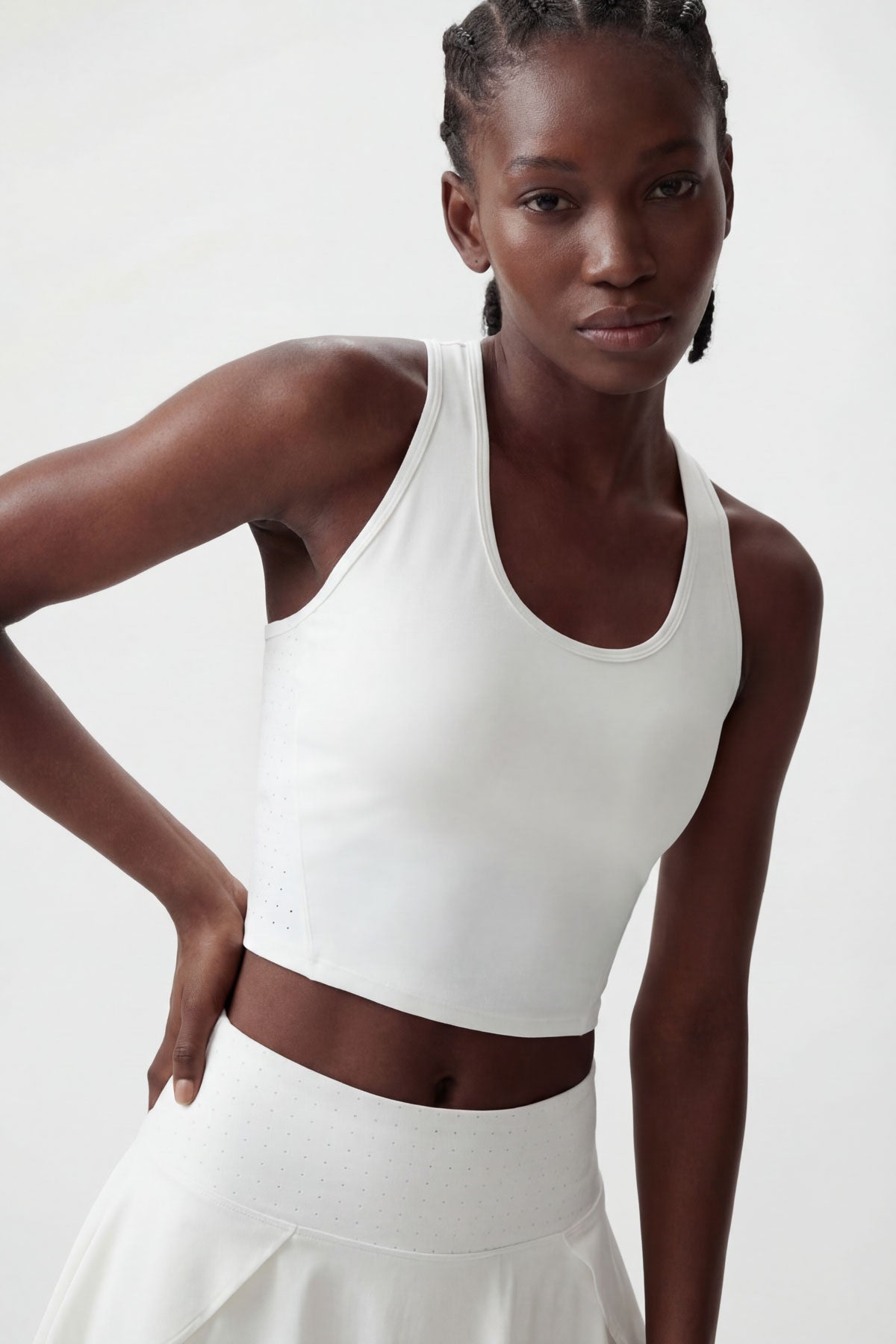
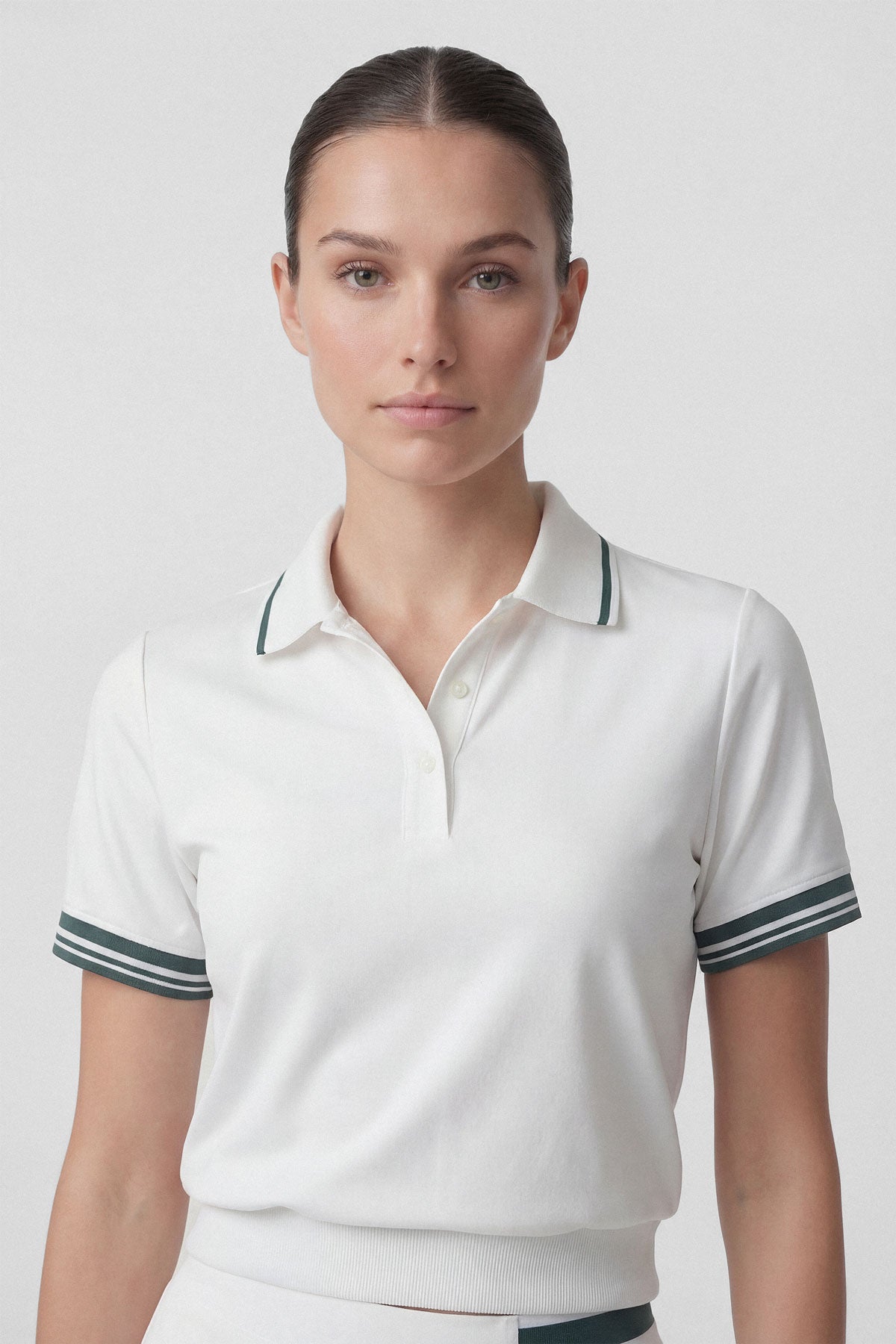
A high-waisted skort paired with a fitted crop or polo creates a streamlined option for players who prefer separates. It is easy to adjust to changing conditions: add a light layer before the court warms up, then return to a pared-back look once play begins. A dress can feel equally right for a social morning match, especially when its straps and built-in support are designed with movement in mind.
Fabric matters, but it does not need to announce itself. Breathable finishes and micro-perforated details can help a piece feel lighter through a long rally, while considered construction keeps the overall look refined. The best padel outfits do not ask you to choose between function and personal style. They are made for match day, then for whatever follows it.
At Common Player, that balance informs a modern court wardrobe: polished shapes, purposeful details and pieces designed to look at home beyond the court gates. Think less about dressing for a trend and more about building a uniform you reach for with confidence.
The small details that make a difference
Padel is often played in the warmer parts of the day, and Australian courts can be bright even outside summer. A visor or cap, sunglasses suited to active use and a light top layer can be practical additions to your kit. Keep accessories simple enough that they do not distract from your grip or your line of sight.
Footwear deserves equal attention. Padel requires short, responsive movements rather than long sprints, but the surface and club conditions vary. Choose shoes that suit the court you are playing on and feel secure through lateral movement. If you are new to the sport, ask the venue what it recommends rather than assuming your usual runners are the right answer.
Your racket, balls and clothing should work together as an uncomplicated kit. There is a particular ease in arriving ready to play, rather than carrying a bag full of compromises.
A word for your next court booking
When you are inviting friends, write “padel”. When you are looking for a lesson, search “padel”. When someone asks what you have been playing, call it padel and let the conversation lead from there.
The terminology may be small, but the sport has a clear character: social, tactical and full of momentum. Dress for that feeling in pieces that let you focus on the next point, the next rally and the pleasure of staying for a coffee after the court has emptied.
Read more
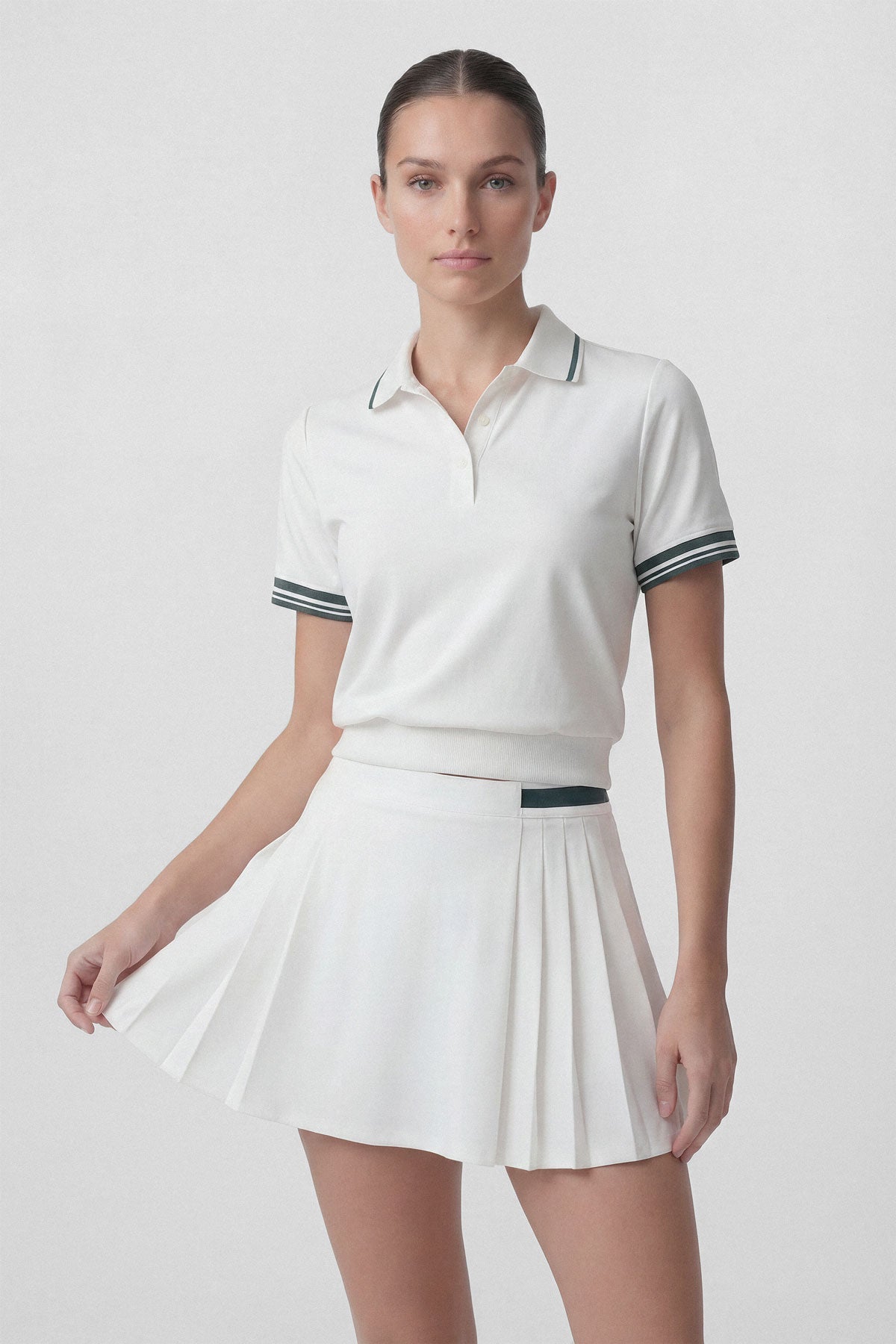
Learn how to style golf skorts with polished layers, practical footwear and considered accessories for a refined look from first tee to lunch after play.
Styling tennis skirts is about balance: polished layers, court-ready details and easy outfits that move from match day to the rest of your day with ease.