


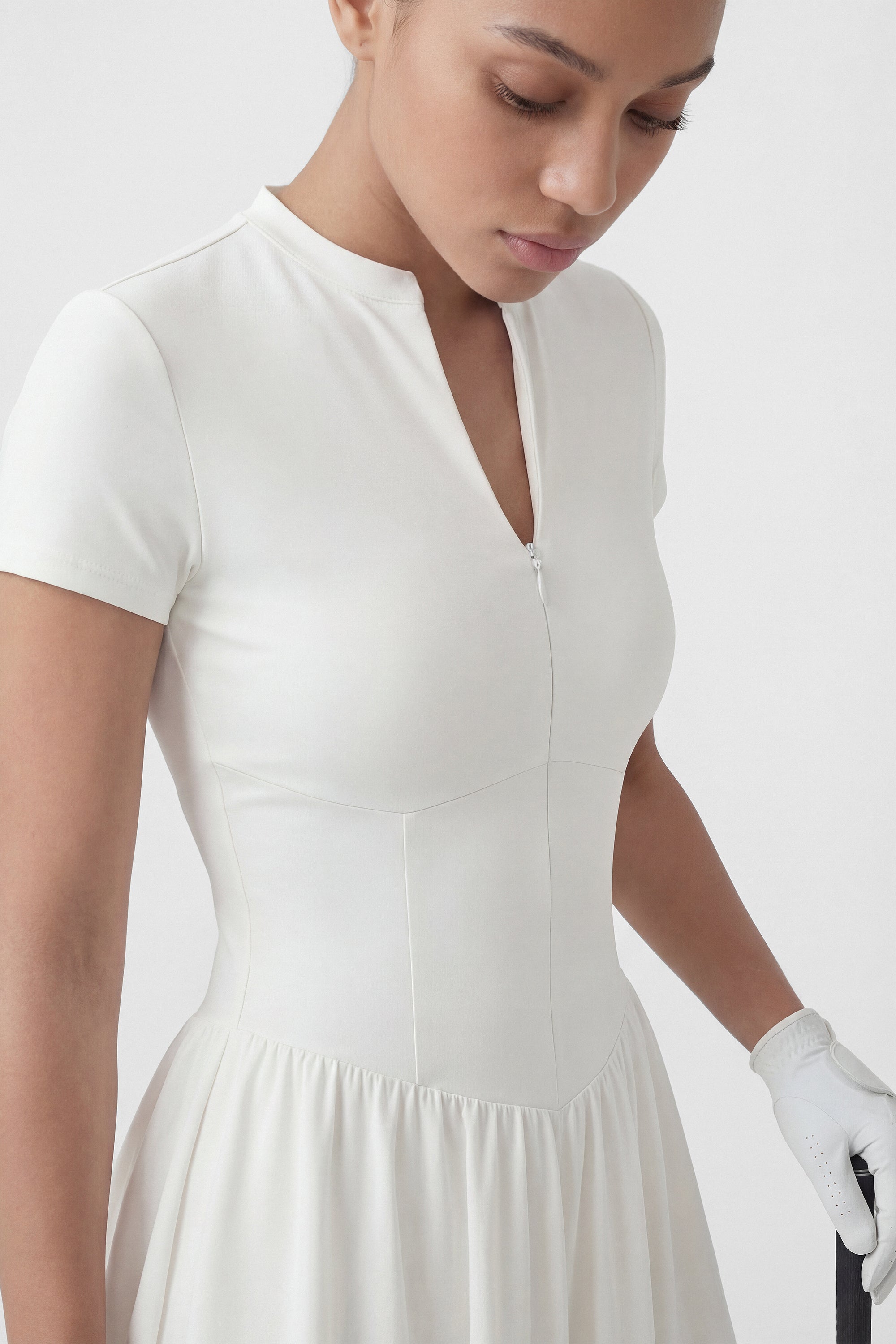
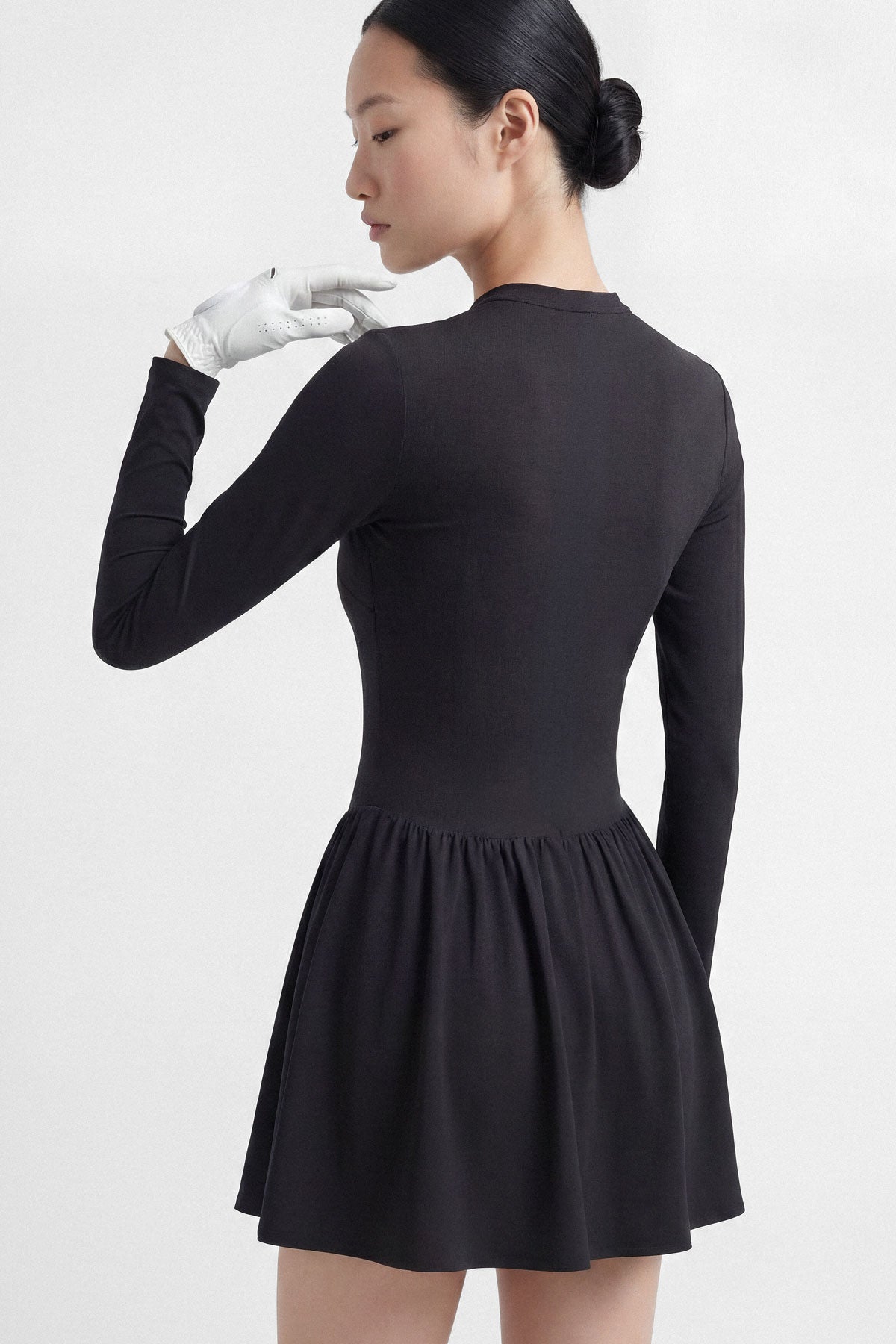

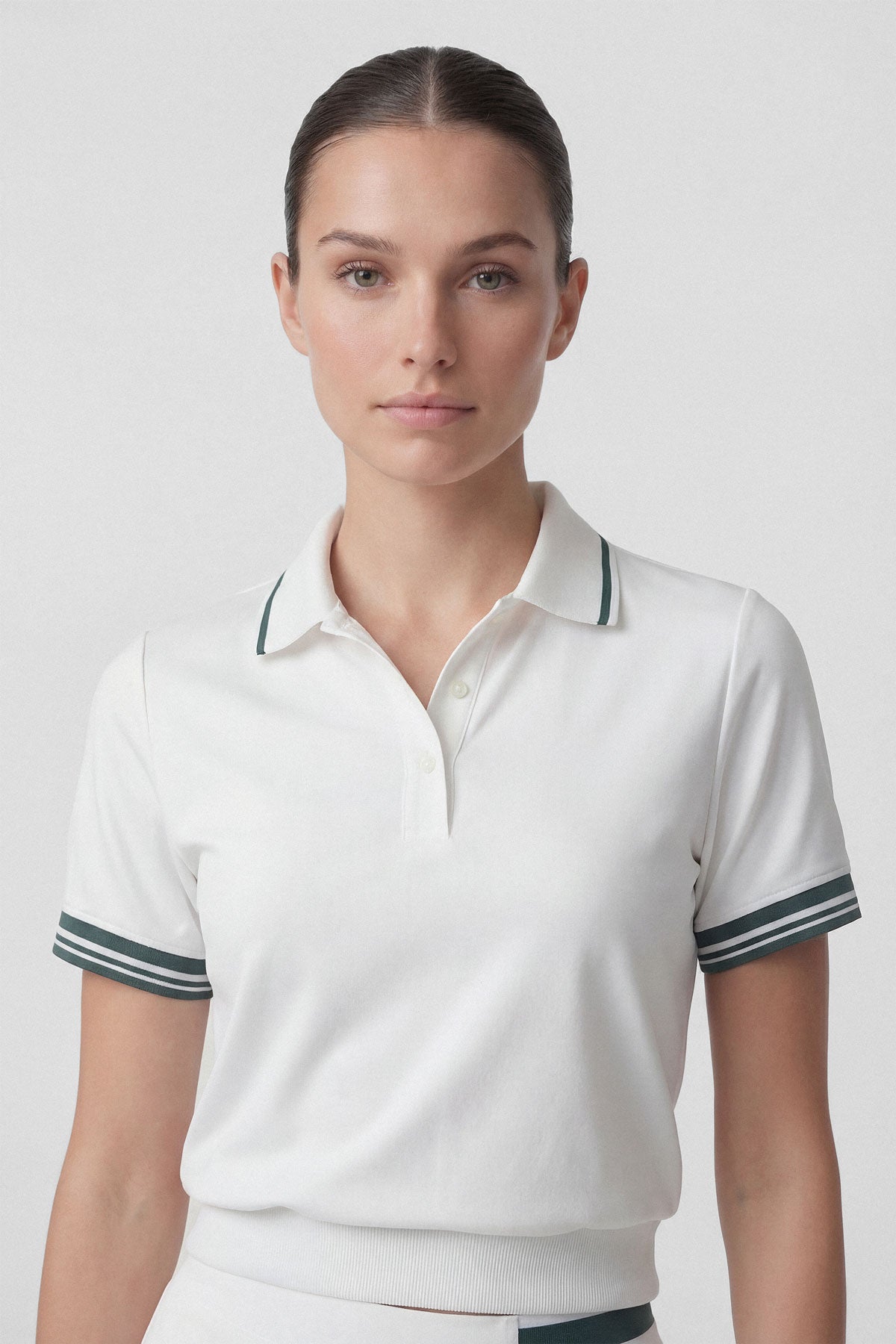

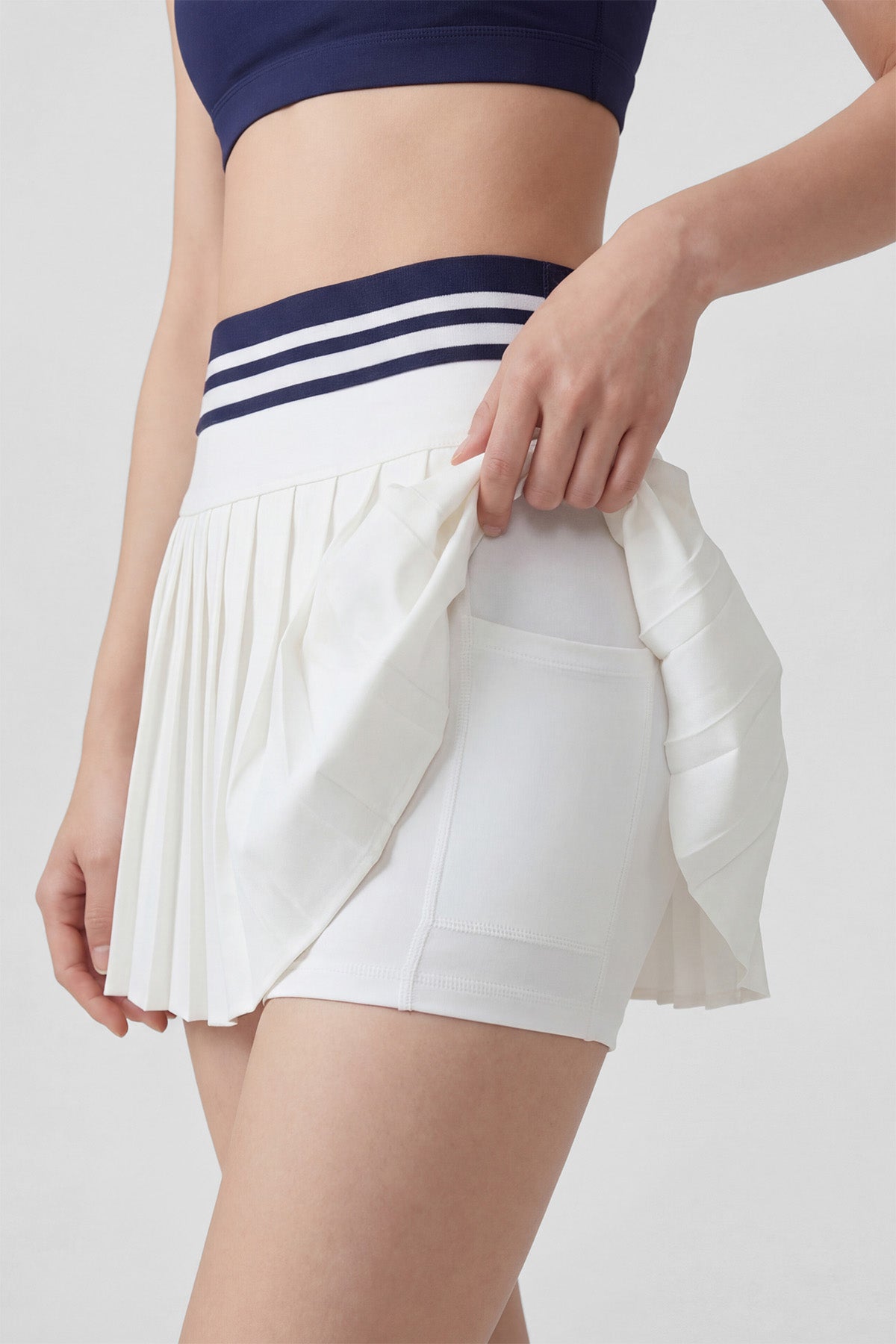
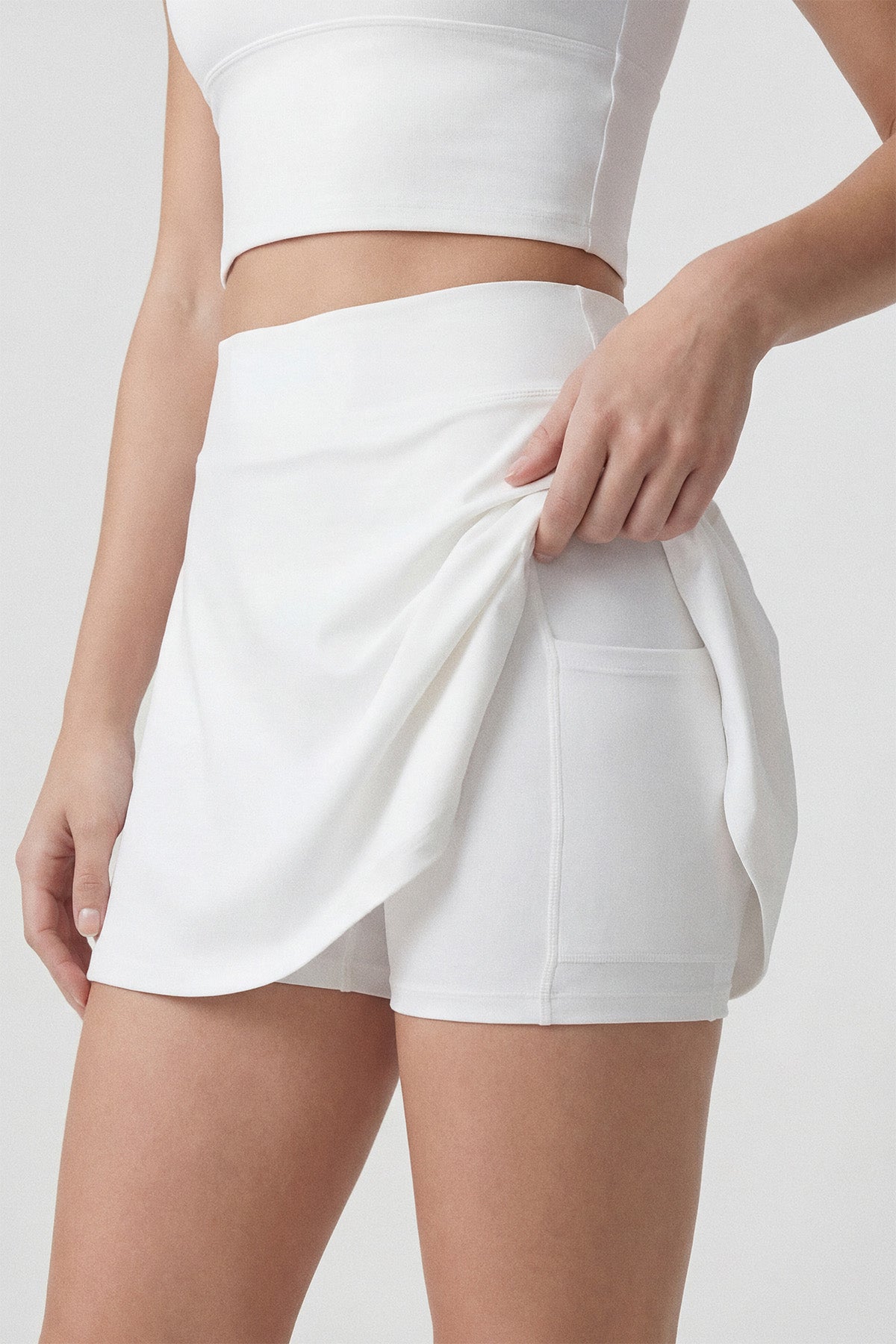
A performance skort works harder than its clean lines suggest. Between court sessions, warm afternoons on the course and the post-match coffee that follows, it collects sweat, sunscreen, dust and the occasional mark from a well-played point. Knowing how to wash performance skorts properly helps protect the stretch, breathability and refined finish that make them a reliable part of your sporting wardrobe.
The aim is not to overcomplicate laundry day. It is simply to treat technical fabrics with the same considered approach you bring to getting dressed for play: choose the right setting, avoid a few common shortcuts, and give the garment room to keep its shape.
Start with the care label
Before your skort reaches the wash, check the sewn-in care label. Fabric blends, linings, elasticated waistbands, micro-perforated details and built-in shorts can all have slightly different needs. The label should always take priority, particularly if your skort includes special trims, contrast panels or a delicate finish.
Most performance skorts are designed for a cool, gentle machine wash. Heat is usually the element to be most cautious with. High temperatures can affect elastic fibres over time, leaving the waistband or built-in shorts less responsive and the overall silhouette less polished.
If you have removed the care label, follow a conservative approach: cool water, a gentle cycle and mild detergent. It is the safest routine for most technical activewear.
How to wash performance skorts after play
Wash your skort soon after a session when possible. You do not need to run a load after every light hit, but allowing sweat and sunscreen to sit in the fabric for days can make odour and marks harder to lift. If laundry has to wait, hang the skort somewhere airy first rather than leaving it folded in your tennis bag or bundled at the bottom of a gym tote.
Turn the skort inside out before washing. This simple step helps protect the outer surface from friction against zips, buttons and rougher fabrics. It also gives the built-in shorts and the inside of the waistband a more direct clean, which is useful after a long summer match.
Close any zips and fasten any hooks before adding it to the machine. Empty the pockets too. A stray ball marker, hair tie or tissue can quickly turn a neat wash into an unnecessary clean-up job.
Separate your load thoughtfully
A performance skort is best washed with similar lightweight activewear in matching or close colours. Keep it away from towels, denim, heavy cottons and anything with abrasive hardware. These items create more friction in the wash and can transfer lint onto smooth technical fabrics.
A small activewear load is often ideal. It gives each piece enough water and movement to rinse properly without the tangling and rubbing that can happen in an overfilled machine. If your skort is white, cream or a pale seasonal shade, wash it with other light garments and avoid mixing it with dark new pieces that may release excess dye.
Choose a mild detergent and use less than you think
Use a liquid detergent formulated for delicate or activewear fabrics, or a mild everyday liquid detergent without harsh additives. Powder can sometimes leave residue, especially in cooler washes, while too much detergent can cling to synthetic fibres and make a clean garment feel less fresh.
The right amount is usually less than the capful suggested for a full, heavily soiled load. Follow your detergent directions, then adjust for the size of your wash. If your skort comes out feeling coated, stiff or overly scented, reduce the amount next time and run an extra rinse cycle.
Avoid fabric softener. It may make ordinary cotton feel soft, but it can leave a film on technical fabrics and affect the clean, light hand feel you want from a performance piece. Bleach is also best avoided unless the care label specifically permits it. It can be harsh on colour, stretch fibres and fine fabric finishes.
Treat sunscreen, clay and grass marks before washing
Spot treatment is useful when a mark needs more attention than a cool wash can provide. For sunscreen around the waistband or a light grass mark near the hem, apply a small amount of mild liquid detergent to the affected area. Gently work it in with your fingertips, leave it for around 10 minutes, then wash as usual.
Avoid vigorous scrubbing, particularly on textured, perforated or bonded areas. The goal is to lift the mark without roughening the surface. For stubborn clay or course dust, allow the garment to dry first, brush off any loose debris gently, then pre-treat the remaining mark.
Some stains are best handled with patience rather than stronger products. Repeating a gentle treatment can be kinder to a refined skort than reaching immediately for harsh stain removers. If you use a specialised product, test it on an inconspicuous inside area first and follow the garment label.
Skip the dryer when you can
Air drying is the considered choice for most performance skorts. Once washed, reshape the waistband and hem with your hands, then hang the skort from the waistband or lay it flat on a clean drying rack. Keep it out of direct, intense sunlight for extended periods, especially if it is a rich, dark or bright colour.
A tumble dryer may be convenient, but repeated heat can gradually reduce the recovery of elastic fibres. It can also encourage creasing in built-in shorts and affect the finish of lightweight fabric. If the care label allows tumble drying and you need the skort ready quickly, choose the lowest heat setting. Air drying remains the better routine for pieces you wear often.
Do not wring out the skort. Twisting the fabric puts unnecessary pressure on the waistband, seams and built-in shorts. Instead, press excess water out gently or roll the skort in a clean towel before drying.
Iron only if the label allows it
Most performance skorts do not need ironing. Hanging or laying them flat while damp will usually let minor creases relax as they dry. This is particularly true for smooth, lightweight fabric designed to move with you.
If a garment needs a little attention before match day, check the care label first. A cool iron on the reverse side may be suitable for some fabric blends, but direct high heat can damage synthetic fibres, prints and delicate detailing. A steamer used carefully at a distance can be a gentler alternative, though it is still worth checking the label before using one.
Keep your skort fresh between washes
Not every wear calls for a full wash. If you wore your skort briefly for a casual hit, a walk to the club or a coffee after a clean change, airing it out may be enough. Hang it separately in a ventilated space until it is fully dry, then fold or hang it away from damp towels and used training gear.
For regular tennis, padel or golf, washing after a sweatier session is the more polished approach. Built-in shorts sit close to the body, and a fresh skort feels better when the next fixture arrives. It also helps preserve the crisp, put-together quality that lets a sport-specific piece carry easily into the rest of your day.
A note on frequent washing
There is a balance to strike. Sweat, sunscreen and dust should not be allowed to settle into the fabric, yet excessive washing, high heat and heavy detergent are harder on any garment over time. A cool, gentle wash after proper play, paired with simple airing between lighter wears, is a practical rhythm.
Your skort should feel ready whenever the court, course or weekend calls. A considered wash routine keeps the fabric light, the fit composed and the details that matter - pockets, built-in shorts and a clean waistband - looking as intentional as they did on the first wear.
Read more
A considered tennis skort review: the fit, fabric, pockets and built-in shorts that shape comfort, confidence and polished movement on court and beyond.
Women's courtwear trends are moving towards polished, functional pieces designed for tennis, padel and golf - on court and beyond match day with ease.