


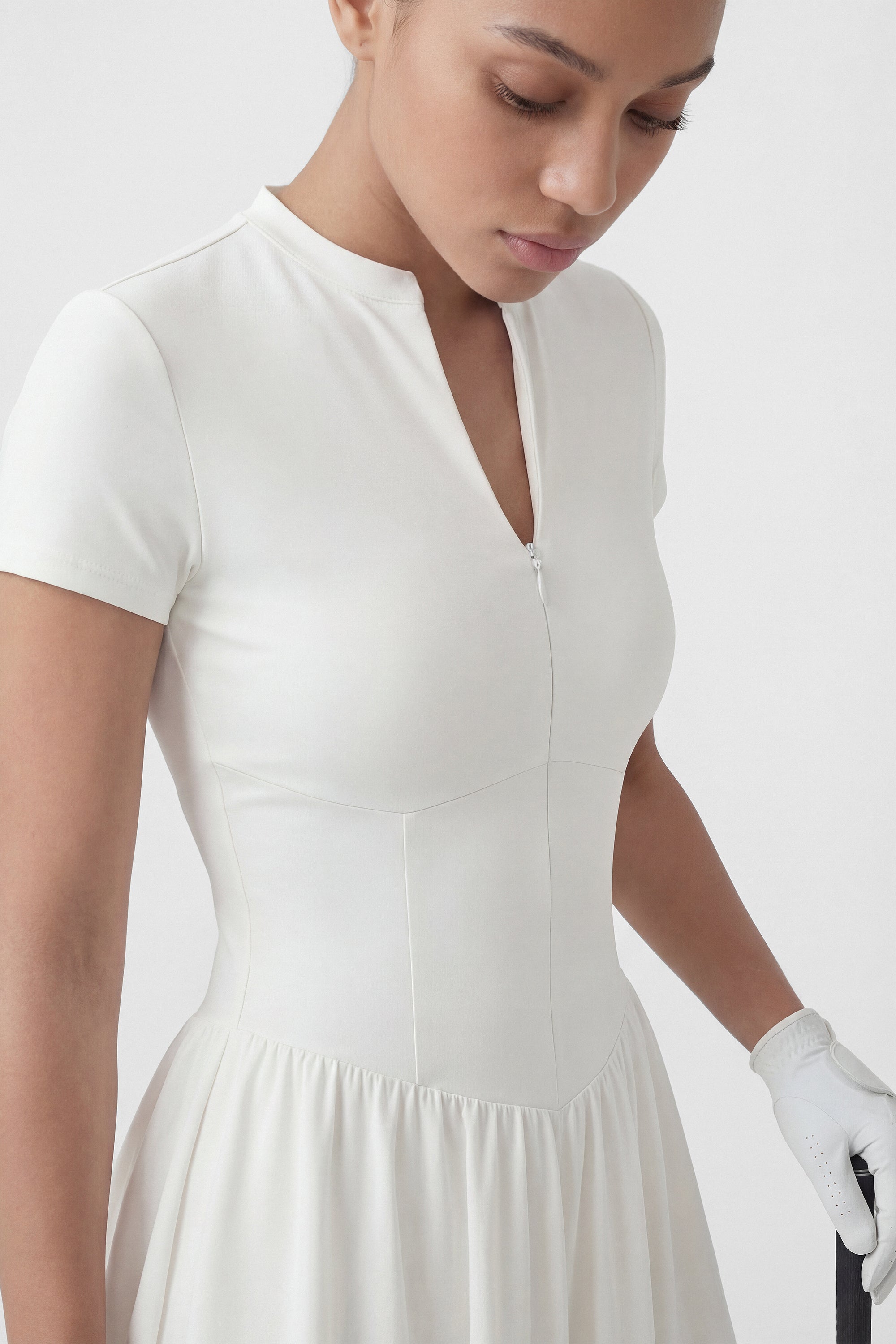
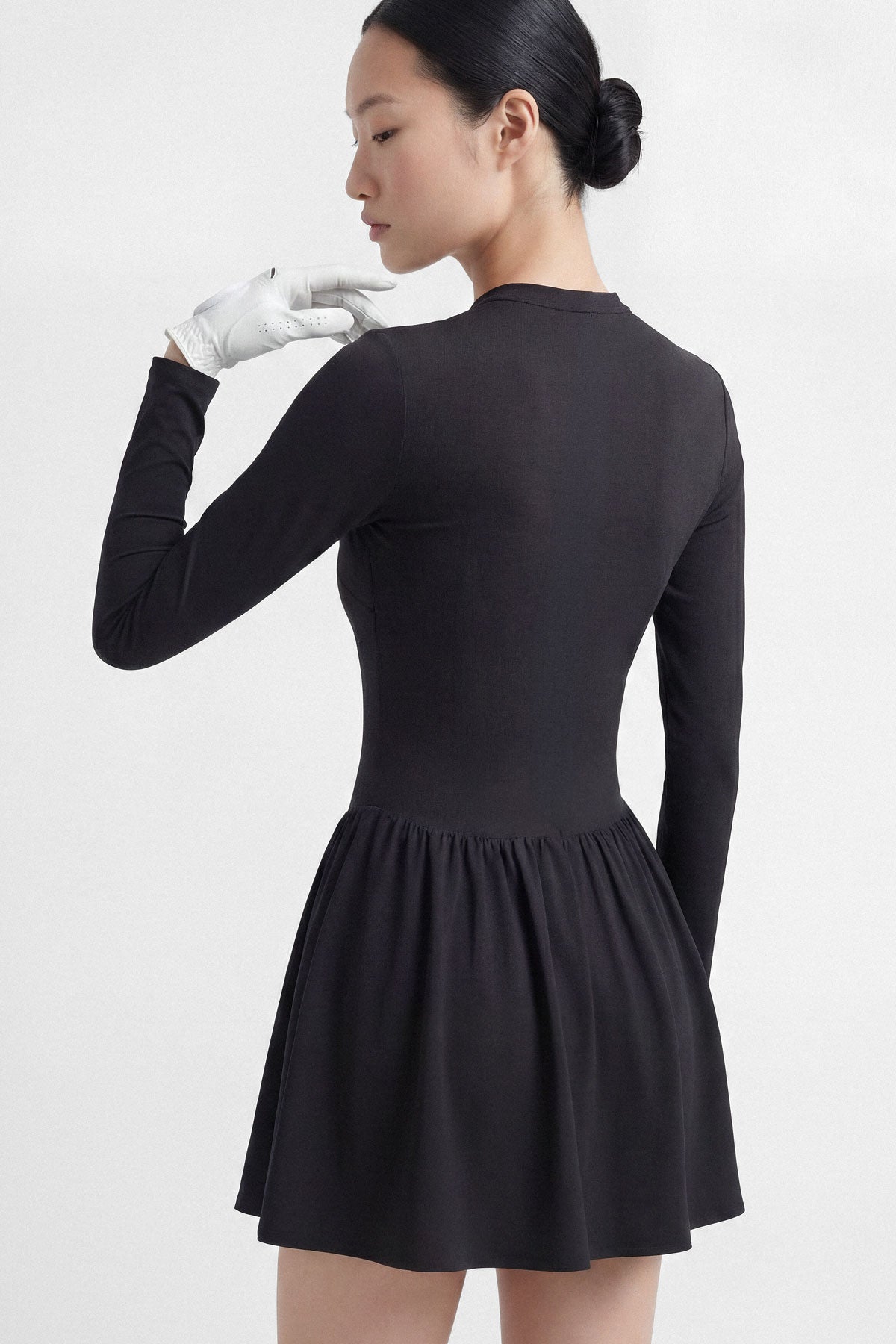
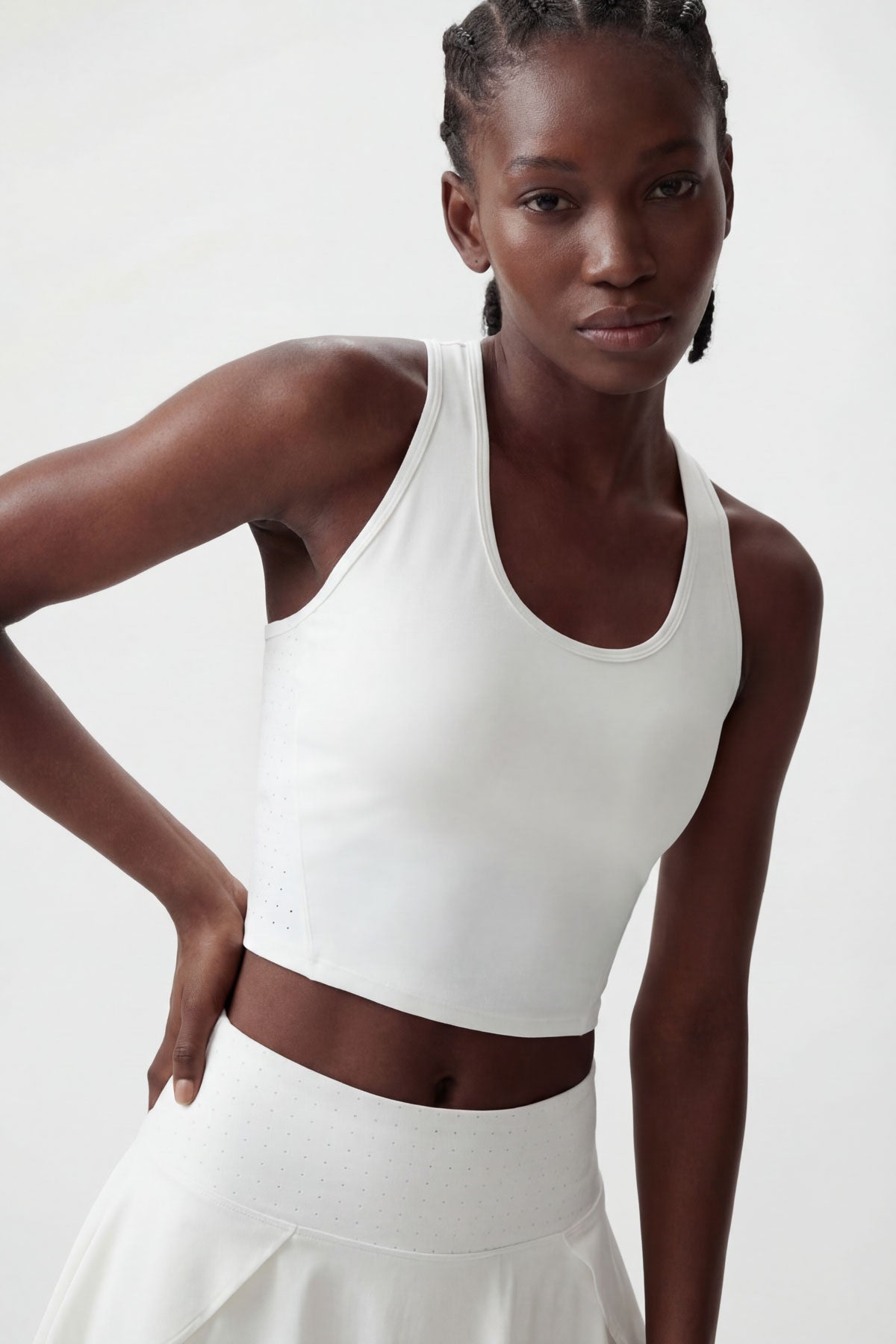
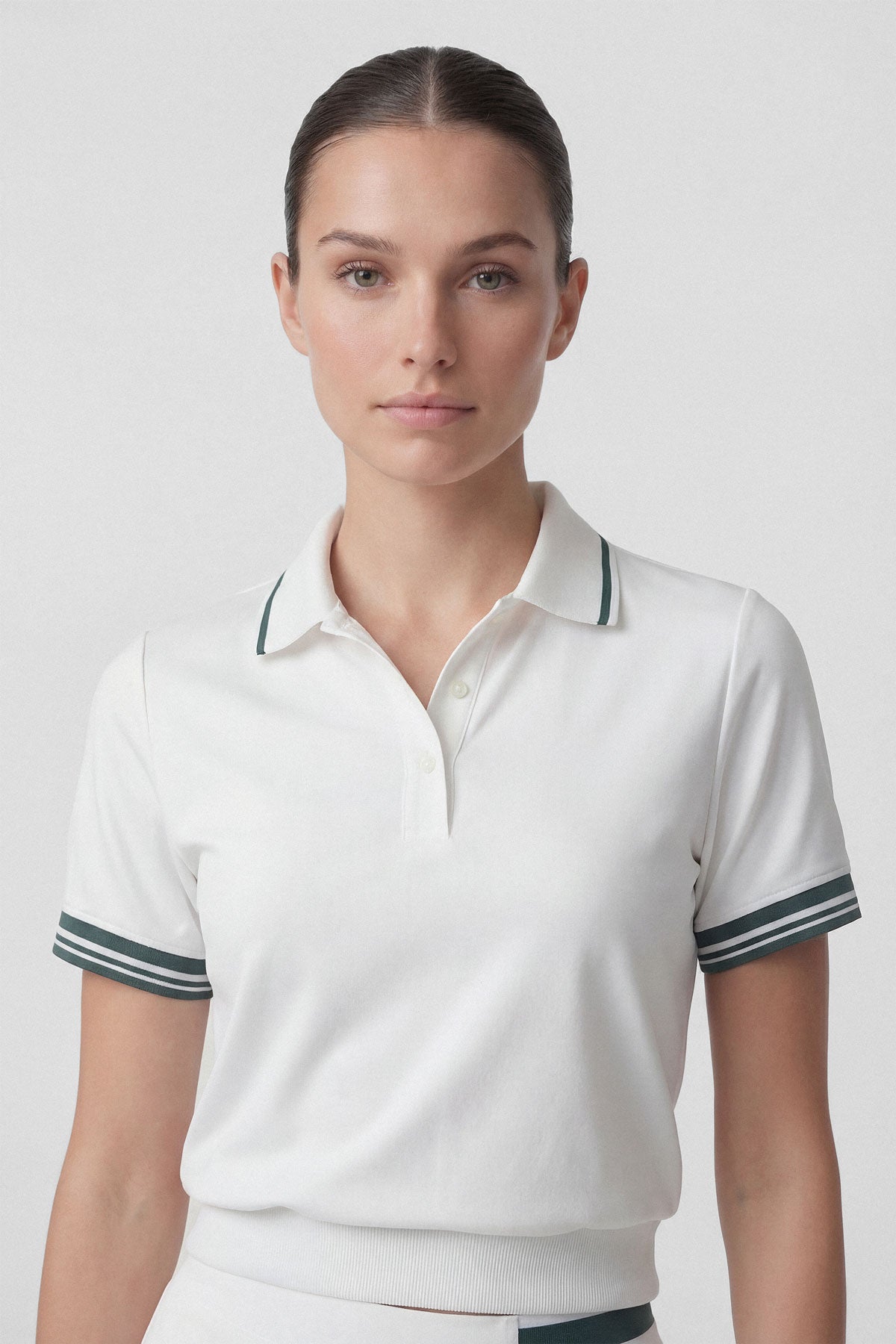
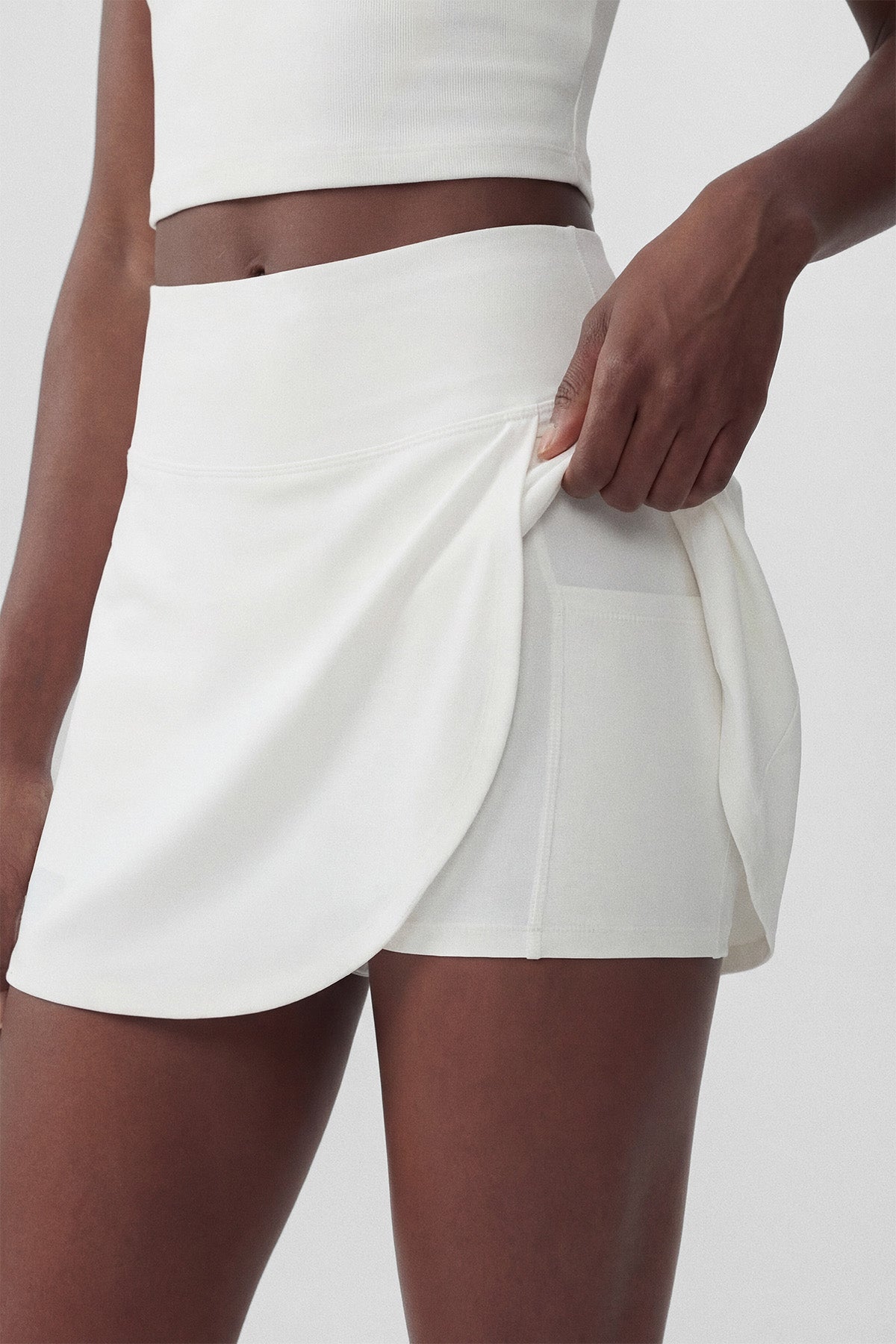
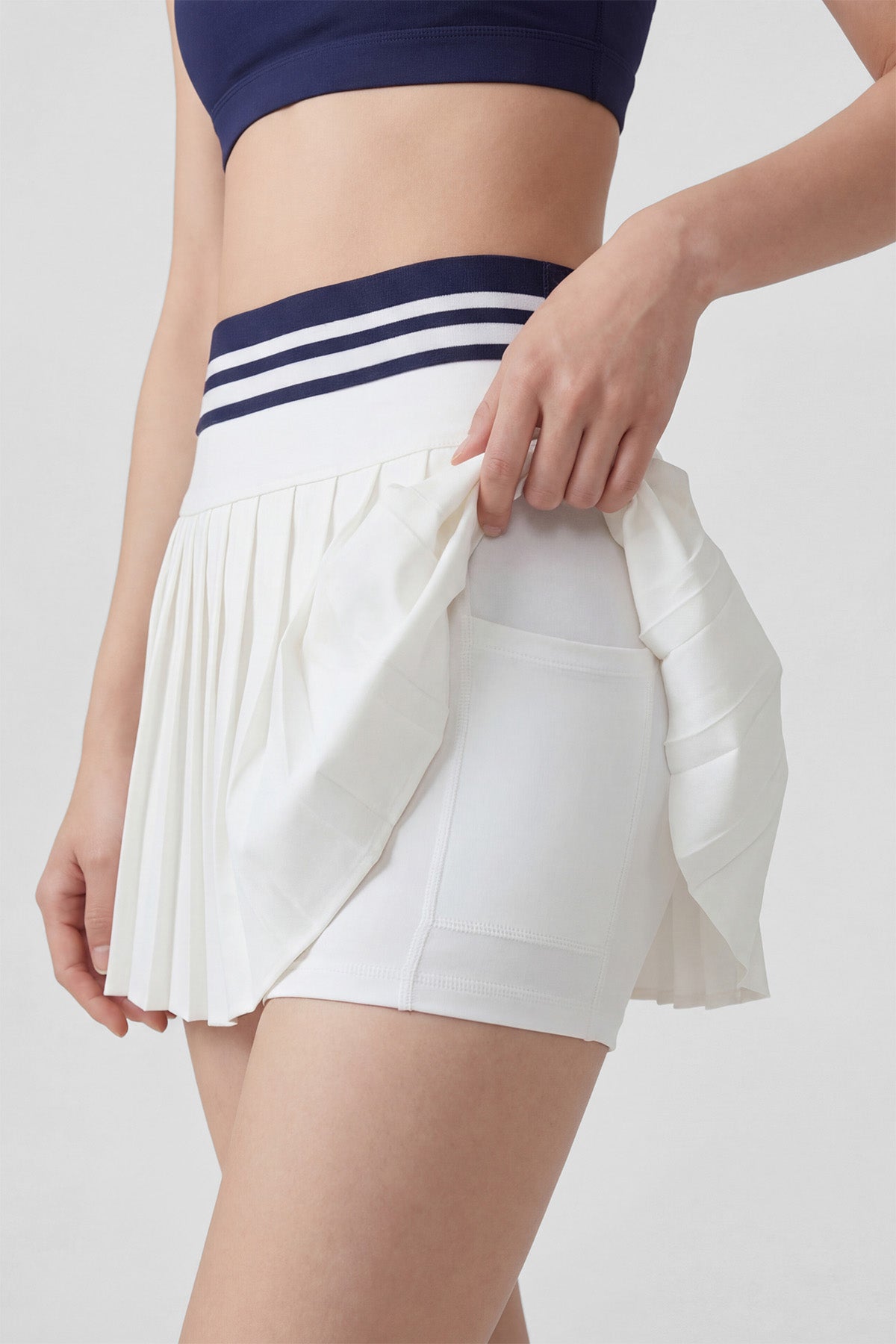
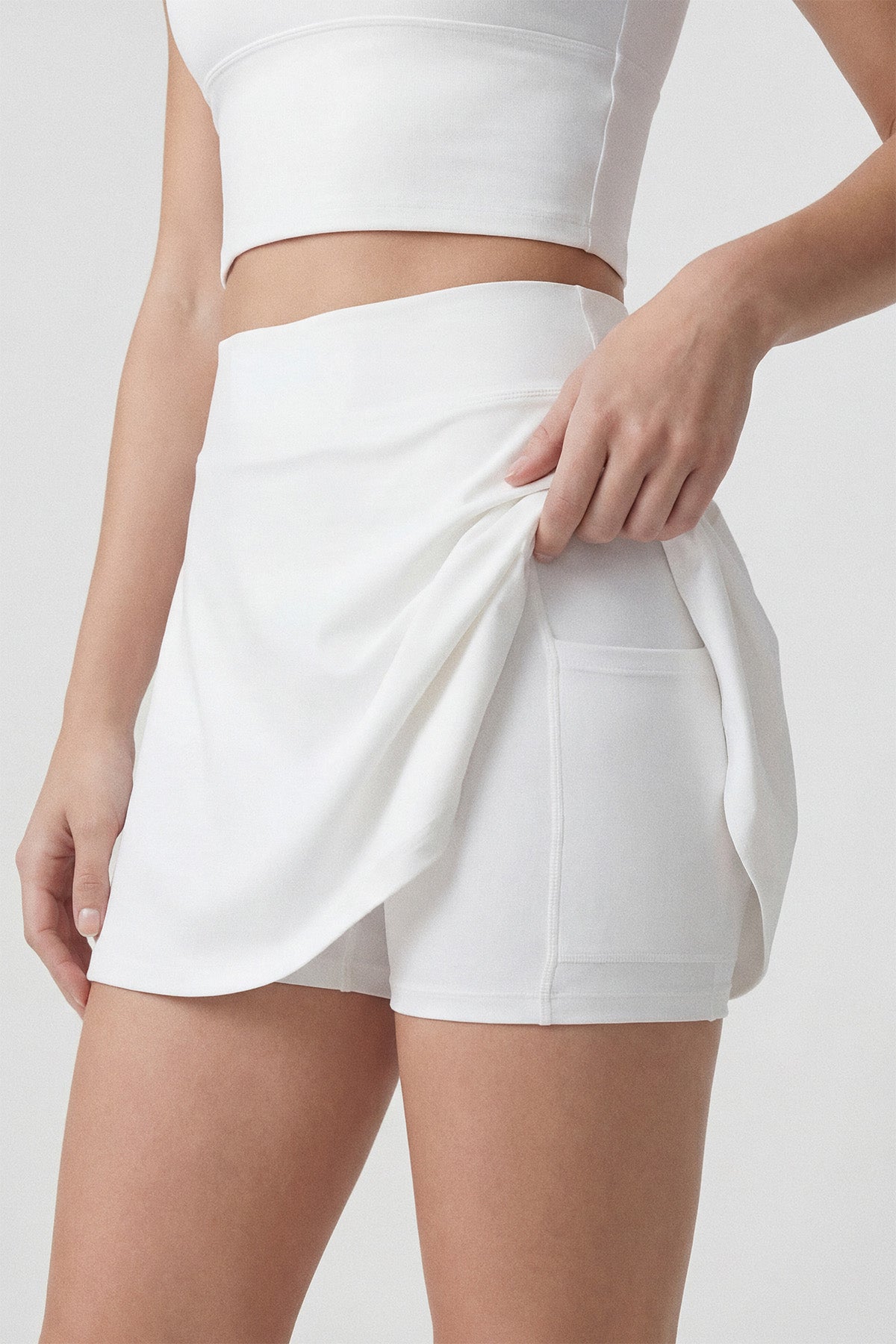
A skort can look perfectly polished in the mirror, then feel entirely different by the second change of direction. This tennis skort review focuses on the details that hold up through serves, sprints and post-match plans: the fit at the waist, the cut of the built-in shorts, fabric weight, pocket placement and the balance between a refined silhouette and genuine freedom of movement.
For modern players, a skort is more than an easy match-day option. It is the piece that has to work hardest. It should stay composed through a full set, feel considered with a polo or crop top, and carry you from the court to a late lunch without looking like an afterthought.
What makes a tennis skort worth wearing?
The best tennis skorts solve several needs at once without making any one of them feel overdesigned. The outer layer creates the line and movement of a skirt, while the inner short provides the coverage needed for low balls, wide lunges and sitting between games. Neither element should distract from the other.
Fit comes first. A high-waisted band can create a clean, secure feel, especially when bending and rotating through a serve. But the waistband should not feel restrictive or roll as the match progresses. A softer, well-structured finish usually feels more elevated than a visibly heavy elastic band, particularly when you want to wear the skort beyond the court.
Length is personal, but it is not purely aesthetic. A shorter hem can feel light and unfussy in warm conditions, while a little more length can offer a more covered, club-ready look. The most useful test is practical: can you move freely, retrieve a ball and walk comfortably without repeatedly adjusting the skirt layer? If the answer is no, the style may be better suited to a short coffee run than a long session on court.
The built-in shorts should feel intentional
Built-in shorts are the quiet foundation of a good skort. They need enough coverage to make movement feel effortless, without gripping too tightly at the leg or creating excess fabric under the skirt. A smooth, lightweight fabrication is often the most comfortable choice, particularly during a summer hit.
Pay attention to where the shorts sit. A rise that aligns neatly with the waistband keeps the silhouette clean, while a poorly placed inner layer can bunch or pull when you move. The leg opening matters too. It should remain in place during play, but not leave you counting down the final game.
A skort with thoughtfully cut inner shorts also makes getting dressed simpler. You can focus on your top layer, shoes and accessories knowing the base piece is already doing its job. That sense of ease is part of what makes a court uniform feel modern.
Tennis skort review: fabric, shape and movement
Fabric determines whether a skort feels polished for ten minutes or dependable for an entire afternoon. Look for a material with a smooth hand feel and enough structure to maintain its shape. Very thin fabric can cling or lose its line, while overly dense fabric may feel less comfortable when conditions warm up.
Breathable finishes and micro-perforation details can be particularly welcome in pieces designed for regular play. They bring a lighter feel without changing the visual restraint of the garment. The aim is not a loud technical look. It is a fabric that lets you stay focused on the point rather than on what you are wearing.
Stretch should support movement in every direction. Tennis asks for quick lateral steps, rotation, reaches and sudden stops, so a skort needs to move with you rather than resist you. For padel, where fast reactions and close-to-the-glass retrievals are common, that same flexibility is just as valuable.
Shape is equally influential. A subtle A-line skort creates a classic, balanced profile and offers room to move. Pleats can add movement and a more traditional court reference, although their effect depends on how they are constructed. Crisp pleats feel tailored and sporty; softer folds can create a more relaxed, fashion-led finish. A straight silhouette is streamlined and versatile, but it needs a considered split, stretch fabrication or carefully engineered cut to avoid limiting your stride.
The right choice depends on how you play and where you wear it. If your wardrobe leans minimalist, a clean A-line or straight skort in a neutral tone can become the foundation for multiple looks. If you enjoy a little more movement in your outfit, a pleated shape brings dimension without needing extra styling.
Pockets are not a minor detail
A pocket can be the difference between a beautiful skort and one you reach for repeatedly. On court, it should hold a tennis ball securely enough for a serve without feeling bulky or interrupting the line of the skirt. Some players prefer a side pocket in the inner short; others favour a discreet placement that sits flatter against the leg.
There is no single best solution. If you usually carry two balls while serving, test whether the pocket feels stable as you walk and move through a practice swing. If you mainly want somewhere for a key or card after a match, a more minimal pocket may be enough. What matters is that the feature has a purpose and does not compromise the silhouette.
A well-placed pocket also supports the transition from sport to the rest of your day. It is a small practical detail, but it makes a skort feel designed around real routines rather than a single, staged court moment.
Consider how it pairs with your existing wardrobe
A tennis skort earns its place when it works with more than one top. Start with proportion. A higher waist pairs naturally with a fitted crop top, tucked-in polo or a close-cut tank. A longer line can work beautifully with a relaxed knit or lightweight layer, provided the overall shape remains clean.
Colour is where versatility becomes especially useful. Black, white, navy and soft neutrals have obvious staying power, but a restrained seasonal shade can still feel timeless when the cut is uncomplicated. Rather than building an outfit around one statement piece, choose a skort that can anchor several combinations.
At Common Player, this is the appeal of a considered court wardrobe: sport-specific elements such as built-in shorts and functional pockets, finished with enough refinement to feel right once the racquet is back in the car. The skort should not require a costume change to suit the rest of your plans.
How to assess a skort before committing
Try a skort as you would use it, not only as you would photograph it. Stand naturally, sit down, bend forward, take a wide step and mimic a serve. Notice whether the waistband stays where it should, whether the inner shorts remain comfortable and whether the outer layer returns neatly to place.
Then consider the conditions you play in most. For warm Australian courts, a lighter, breathable fabrication may be the priority. For evening fixtures or cooler months, you may prefer a slightly more substantial skort that layers easily with a long-sleeve top or knit. Frequent players may also want two distinct options: one minimal and light for regular sessions, and one with a more tailored finish for club days and social matches.
Care is worth considering, too. A skort that retains its shape and smooth finish after regular washing will remain part of your rotation far longer than one that needs constant attention. Follow the garment care instructions, wash it promptly after play, and avoid leaving it damp in your tennis bag.
The strongest skort is not necessarily the one with the most visible features. It is the one you stop thinking about once the match begins, then still feel good wearing when the day continues.
Read more
Find the best court to cafe outfits for tennis, padel and golf, with polished layers, practical fabrics and styling that carries you beyond the match.
Learn how to wash performance skorts without compromising stretch, shape or finish, so your court-to-club uniform stays polished for longer after match play.